Jamie House Design Jamie House Design

5 Ways to Create Calm in Your Home (Without Decluttering Your Entire Life)

Your home should be your refuge; but instead, it feels chaotic. You're constantly searching for things, fighting clutter, and feeling stressed by your space rather than relaxed in it. If you're building a new home in Centennial or planning a renovation, you have a unique opportunity to design for calm from the ground up.

After 20 years of designing high-end residential interiors, I've learned that truly peaceful homes aren't about minimalism or perfect styling, they're about intentional design that anticipates how you actually live. When your home's layout, storage, and finishes work with your daily routines rather than against them, calm becomes effortless.

Here are the five design strategies that consistently transform chaotic homes into serene sanctuaries..

Custom kitchen designed by Littleton CO interior designer Jamie House Design featuring mint green cabinets.


  1. Design Organization Into the Architecture

The biggest mistake homeowners make is treating organization as an afterthought. They finish building, move in, and then try to retrofit storage solutions. By then, it's too late—and expensive.

What works better: During the design phase, map out exactly where everyday items will live:

  • Mudroom storage for each family member's coats, shoes, bags, and sports equipment

  • Kitchen pantries sized for how you actually shop (bulk from Costco vs. fresh from farmers markets)

  • Bathroom vanities with dedicated spaces for daily essentials, not generic drawers

  • Bedroom closets designed around your actual wardrobe, not standard builder configurations

In a recent Centennial new build, we designed the mudroom with individual cubbies for three kids, plus a dog washing station and a drop zone for packages. The family's morning routine transformed overnight—no more searching for backpacks or arguing about lost shoes.

2. Design Around Your Real Life, Not Pinterest Ideals

That gorgeous magazine kitchen with open shelving and minimalist counters? It won't work if you cook daily and have three kids. That Instagram-worthy all-white living room? Not realistic if you have pets or entertain regularly.

What works better: Be honest about how you live:

  • If you cook elaborate meals, you need ample closed storage for appliances and pantry items

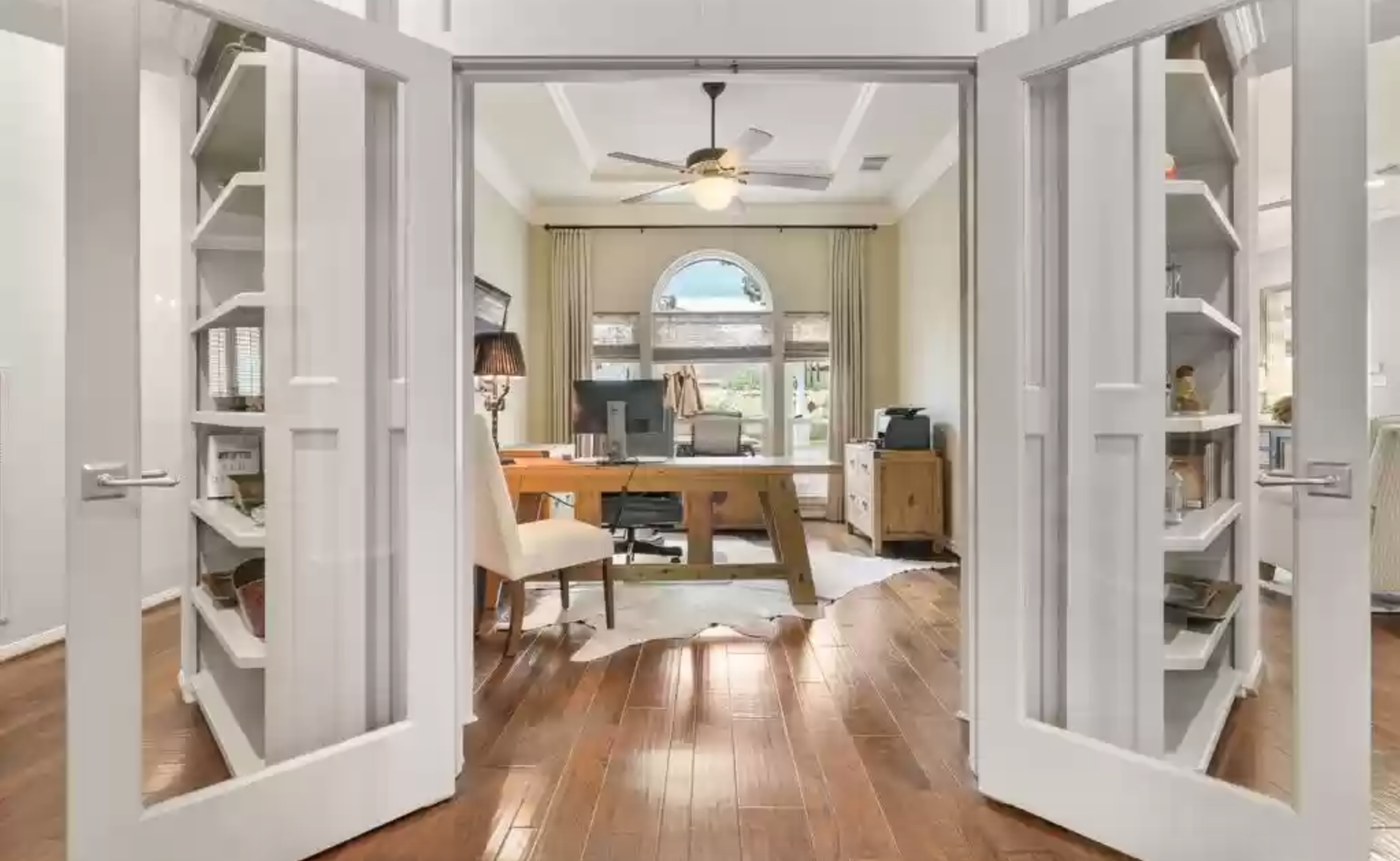
  • If you work from home, you need a dedicated office with a door, not a "desk nook" in the kitchen

  • If you have young kids, family spaces need durable, washable materials and concealed toy storage

  • If you collect books, art, or ceramics, design display and storage that showcases them beautifully

Peaceful homes aren't about aspiring to someone else's lifestyle—they're about designing for yours with clarity and confidence.

3. Choose Low-Maintenance Materials That Age Gracefully

Nothing destroys calm faster than constantly worrying about damage or maintenance. The beautiful but impractical choices you make today become tomorrow's source of stress.

Materials we recommend for Denver homes:

  • Flooring: Hardwood or luxury vinyl plank in high-traffic areas, not light carpet or delicate tile

  • Countertops: Quartz or honed granite that doesn't show every water spot or require constant sealing

  • Cabinet finishes: Matte or textured surfaces that hide fingerprints better than high-gloss

  • Upholstery: Performance fabrics that repel stains and clean easily, in colors that don't show wear

  • Wall finishes: Washable paint in eggshell or satin, not flat paint that scuffs

Luxury isn't about high maintenance—it's about quality materials that maintain their beauty with minimal effort.4. Luxury in Easy Maintenance

True luxury isn’t about high maintenance—it’s about removing friction. Even if someone else manages the upkeep, a home should be designed to support ease. Materials that age gracefully. Finishes that resist wear. Layouts that make cleaning intuitive.

A peaceful home doesn’t demand attention—it gives it back to you. The result is more time for the life you’ve built, and less spent managing it.

4. Reduce Visual Clutter Through Thoughtful Design

Even organized homes can feel chaotic if there's too much visual noise: mismatched furniture, cluttered counters, excessive decor, and busy patterns competing for attention.

What creates visual calm:

  • A cohesive color palette throughout your home (3-5 colors maximum)

  • Furniture in consistent styles and finishes, even if not matching sets

  • Adequate closed storage so only intentional items are on display

  • Edited accessories—a few meaningful pieces, not collections of small items

  • Clean-lined window treatments or minimal treatments that don't compete with views

In Centennial's newer homes with open floor plans, visual cohesion is especially important. When you can see multiple spaces at once, they need to flow seamlessly through color, style, and finish selections.

5. Layer in Comfort and Softness

A calm home isn't stark or cold—it's comfortable and inviting. After function and organization are solved, the final layer creates the emotional experience of peace.

How we layer comfort:

  • Plush area rugs that define spaces and absorb sound

  • Window treatments that control light and add softness (not just bare windows)

  • Varied lighting sources—overhead, task, and ambient—controlled by dimmers

  • Comfortable seating with quality cushions and supportive backs

  • Natural textures like linen, wool, wood, and stone that add warmth

These elements transform a well-organized house into a home that truly restores you after a long day.

Custom mudroom cabinets with bold seat cushion designed by interior designer Jamie House Design

Creating Your Peaceful Home in Centennial, CO

Whether you're building new construction or renovating your existing home in the Denver area, these principles create lasting calm. At Jamie House Design, we guide clients through each decision with both practical expertise and aesthetic refinement; ensuring your home functions beautifully for your real life while looking timelessly elegant.

We work closely with families and professionals to create spaces where chaos gives way to calm, and every moment at home feels intentional. Contact us to discuss your project today.

Read More
Jamie House Design Jamie House Design

Interior Design vs. Interior Staging: A Distinction That Shapes Homes and Investments

In Littleton, Colorado, homes carry more than square footage. They hold the weight of memory, the promise of future gatherings, and the quiet luxury of daily rituals. When shaping a home, whether for living or for sale, two disciplines often converge: interior design and interior staging. Similar in name, yet profoundly different in purpose.

Thinking of selling your Littleton home? Here's why you need a stager, not a designer—and when you need both.

Open plan family room in a home designed by Centennial CO interior designer Jamie House Design

Interior Design : A Home for Living

Interior design is an intimate process. It is not about furniture alone, but about creating an environment that reflects who you are and supports how you live. At Jamie House Design, our work is directed toward helping homeowners in Littleton live their best lives within their walls.

Design is both present and future-focused. A well-designed home contributes to the immediate ease of daily life and, simultaneously, to the long-term investment of the property itself. Renovations, thoughtful space planning, and material selections elevate not only beauty, but also equity.

For homeowners exploring new properties, interior designers also play a pivotal role alongside realtors. During a walk-through, we can consult on possibilities, a dated kitchen reimagined, a closed floor plan opened, a modest property transformed into a lasting investment.

Interior Staging: A Home for Selling

By contrast, interior staging exists for a different purpose. Staging prepares a house for the market. It creates visual clarity for potential buyers, showing how rooms may function, how light may fall across a sofa, how scale can shift with the right furnishings.

Stagers provide furniture and accessories to fill an empty house, allowing buyers to step into a vision of home—even if only for the brief moment of a showing. Staging is not about the homeowner’s life. It is about the buyer’s imagination.

Why Designers Are Not Stagers

It is common to assume that interior designers may offer staging services, but in practice, the two professions are structured very differently. Staging requires warehouses of readily available, often neutral furniture and accessories, pieces chosen to appeal broadly to the masses, rather than to one family’s unique life.
The logistics are immense: storing, transporting, and installing furnishings at a moment’s notice.

Interior designers, by contrast, do not work from warehouses of temporary furniture. Instead, we create permanent environments tailored to an individual client’s lifestyle and taste. Where staging provides an image, design provides a deeply personal reality.

And to be clear, both fields are necessary.

Why Stagers Are Not Designers

Many staging companies offer “design services” after the sale, but the expertise of an interior designer extends far beyond decorating. Interior design considers architecture, space planning, construction knowledge, material sourcing, and the long-term balance of function and beauty.

While a stager’s role is invaluable in presenting a home for market, their furnishings are selected to be interchangeable and temporary—not the foundation of a family’s daily life. A stager creates a house that sells. A designer creates a home that lasts.

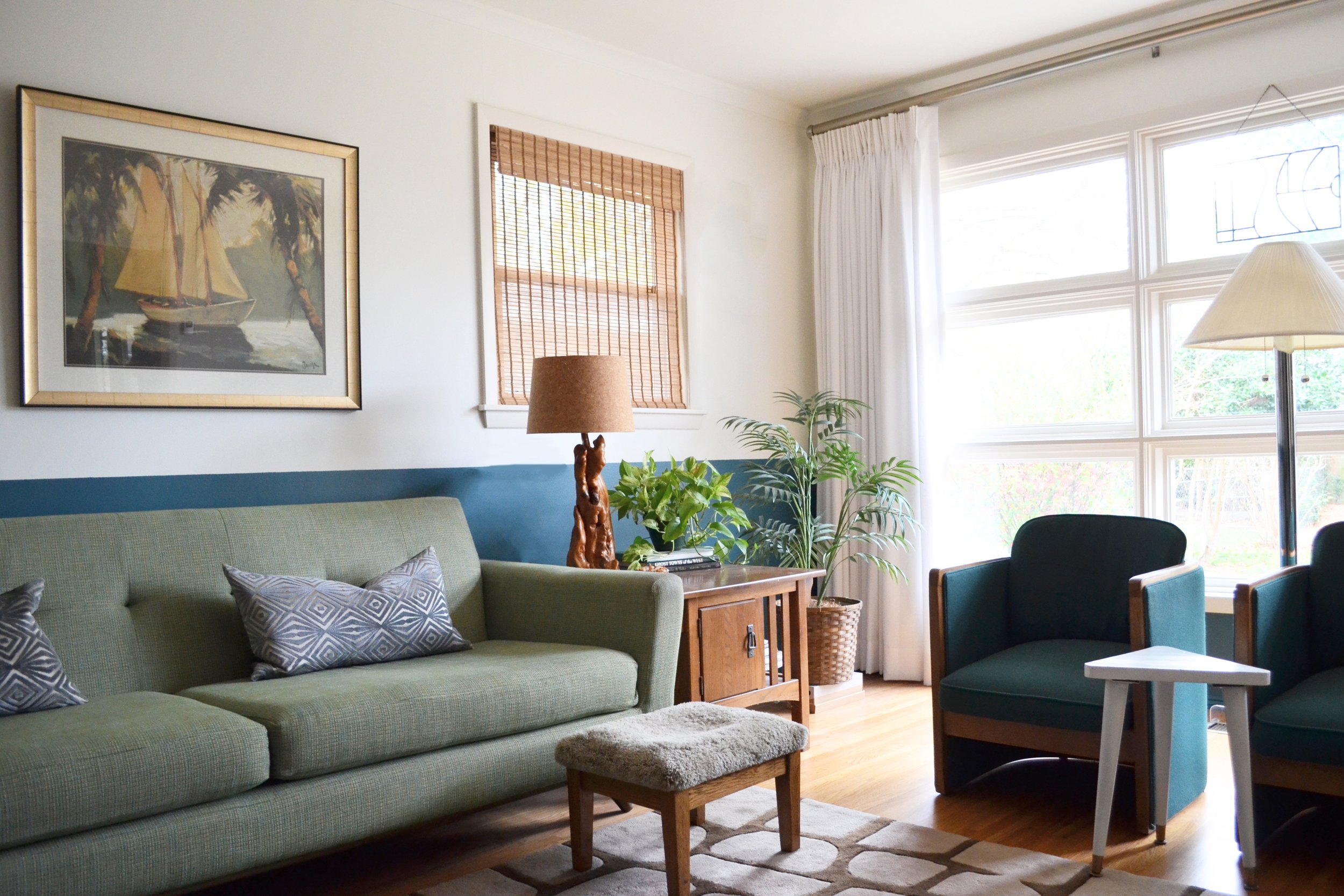
Mid-century modern living room in Tulsa designed by interior designer Jamie House Design

Design and Real Estate in Collaboration

For Littleton real estate professionals, the distinction matters. Stagers enhance the marketability of a listing. Designers enhance the long-term value of a property. Together, these disciplines create a full spectrum of support, from the initial sale, to the transformation of a house into a true home.

At Jamie House Design, we work with homeowners and realtors alike, bridging the practical and the aspirational. We see the possibilities within walls, and we design spaces not just to be lived in, but to be lived in beautifully.

Read More
Jamie House Design Jamie House Design

A Designer’s Guide to Lighting: Mood, Magic & Function

At Jamie House Design, I believe lighting is more than utility, it’s the quiet architecture of a room’s mood, the detail that transforms a house into a home. For homeowners in Centennial, CO, who are building new or embarking on a remodel, lighting is an investment in atmosphere, comfort, and long-term livability.

Like a tailored wardrobe, lighting should be layered, intentional, and deeply personal. Below, I share my designer’s guide to creating a lighting plan that balances mood, magic, and function.

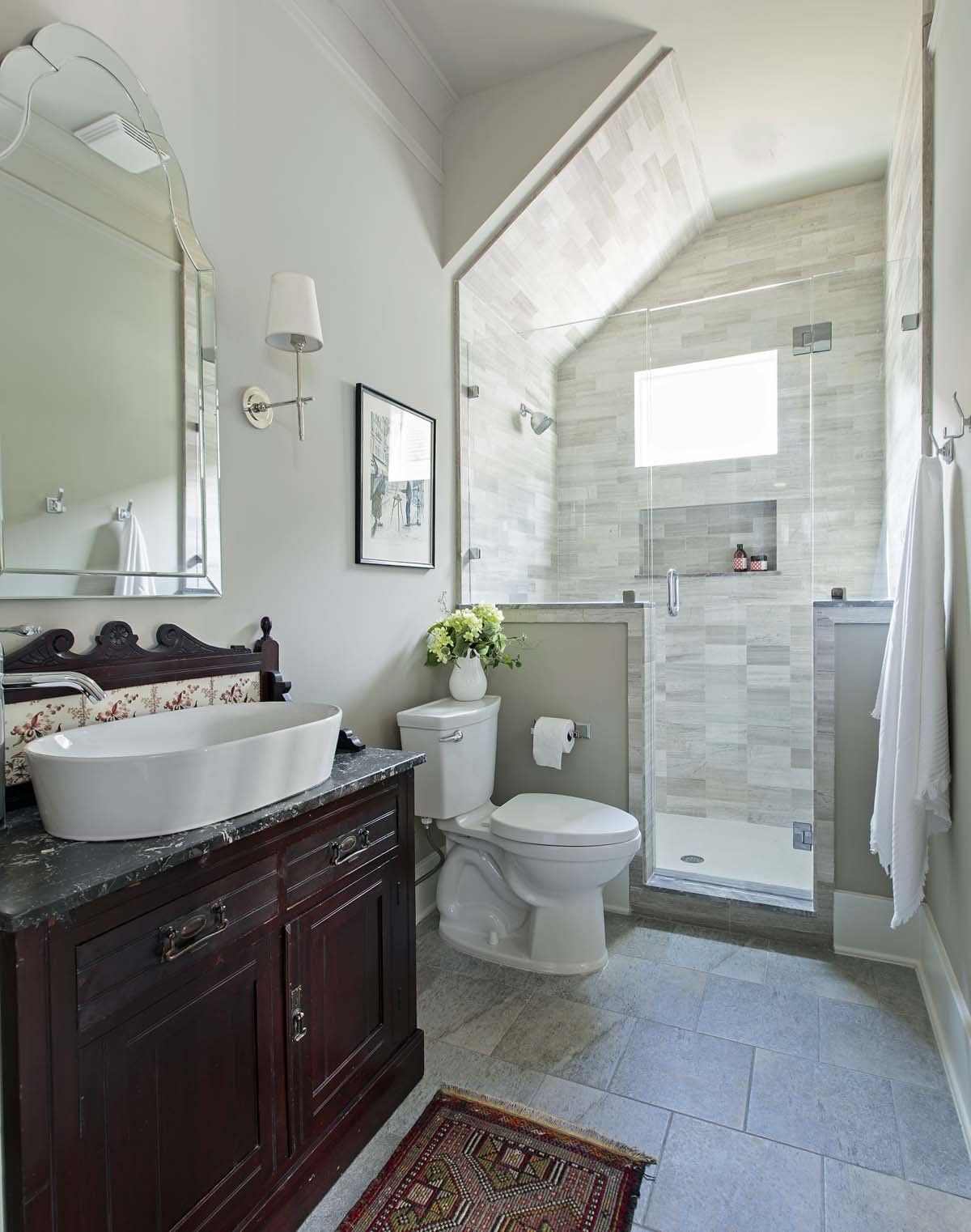
High-end Centennial bathroom remodel with LED under the floating vanity and wall sconce accent lighting.


Layering Light: The Foundation of Atmosphere

A well-considered lighting plan works in layers, each one serving a different role:

  • Overhead Lighting
    The anchor. Whether a sculptural chandelier in a dining room or recessed lighting in a kitchen, overhead fixtures establish balance and clarity. Their purpose is to provide general illumination, setting the tone of a space.

  • Accent Lighting
    The art of subtlety. Integrated LED strips under toe kicks, beneath upper cabinets, or inside glass-front cabinetry add a quiet glow. These details enhance architecture while lending warmth to evenings, guiding movement, and highlighting textures.

  • Lamps & Sconces
    The human scale. Table lamps, floor lamps, and wall sconces bring intimacy. They soften edges, frame seating areas, and create a sense of lived-in ease. These touches matter most in living rooms and bedrooms, where comfort and conversation thrive.


The Power of Dimmers

Luxury lives in flexibility. Dimmers allow you to shift a space from task-driven clarity to soft evening ambiance with a simple adjustment. In kitchens, dining rooms, and primary suites, dimmers are essential for creating versatility and mood.


Elegant dining room in Centennial home with sculptural chandelier on dimmer for mood lighting.

Custom cove lighting with layered double LEDs creates the illusion of a floating ceiling, while a sculptural chandelier adds balance. Together, they bring a luminous, ethereal mood to this Centennial dining room.

LED: Intelligent, Sustainable, Beautiful

Lighting design today must be conscious; both of the environment and of the sensory experience.

  • Energy & Sustainability
    LED technology reduces energy use dramatically, extending bulb life and lowering environmental impact. It’s a responsible choice that aligns with a future-focused home.

  • Color Temperature
    Not all LEDs are created equal. Color temperature dictates the feeling of light:

    • Warm white (2700K–3000K): Ideal for bedrooms and living spaces, where comfort and relaxation matter.

    • Neutral white (3000K–3500K): A balance for kitchens and dining areas, keeping light clear without being harsh.

    • Cooler tones (4000K+): Reserved for task-oriented spaces like home offices or garages, where crisp clarity supports productivity.

Choosing the right temperature ensures that light feels natural, not artificial, supporting the function and mood of each room.

Centennial Homes, Thoughtfully Illuminated

For discerning homeowners in Centennial and across the Denver area, lighting is more than an afterthought, it is the soul of a home’s design. From sculptural overheads to hidden LEDs, from tactile dimmers to carefully calibrated color temperatures, the right plan shapes every experience within your home.

At Jamie House Design, we curate lighting schemes with precision and restraint, ensuring that every fixture feels considered, and every glow enhances your life.


Ready to design your dream home with light as your guide?

Jamie House Design creates bespoke interiors for Centennial homeowners who value beauty, authenticity, and timeless design. Reach out to begin your design journey.

Read More
Jamie House Design Jamie House Design

How to Design a Home That Feels Like You

Most people know what they don't want long before they know what they do.

They don't want generic. They don't want a house that looks like it was assembled from a showroom floor. They don't want to spend real money on a renovation and end up with something that could belong to anyone.

What they want, and struggle to name, is a home that feels like them. Specific to their life, their history, the way they actually use their rooms. Not styled for a listing photo. Designed for how they live.

After 24 years doing this work, I can tell you that getting there is less about finding the right furniture and more about asking the right questions first.

Bold wallpaper and brass accents in a powder room designed for bold clients in Castle Pines CO

The Problem with Pinterest

There's nothing wrong with saving images. I tell clients to do it, and I do it myself. But there's a way to use inspiration that helps and a way that sends you in circles.

The trap is treating saved images as a shopping list, finding the exact sofa, the exact tile, the exact pendant light from the photo and trying to recreate it in your house. That approach almost always fails, because what made that room work wasn't those specific pieces. It was proportion, light, the particular combination of materials, the way it was photographed. None of that transfers directly to your 1988 Centennial ranch.

The more useful question when you're looking at an image you love: what feeling is this giving me? Calm? Grounded? Collected over time? A little unexpected? That emotional response is the signal worth following. The specific objects are just one way that feeling got expressed in someone else's home.

Stairs in a basic builder townhome were personalized with custom mosaic tiles on the risers


What "your style" actually means

I'm a little skeptical of the phrase "personal style" when it's applied to interiors, not because it's wrong, but because it gets oversimplified. Style isn't a category you belong to. It's not "I'm transitional" or "I'm mid-century modern." Those are starting points at best.

What I'm actually trying to understand when I work with a client is layered:

How do you use your home? Not how you think you should use it, how you actually do. Do you cook seriously or mostly heat things up? Do your kids do homework at the kitchen island or disappear to their rooms? Do you host dinners or is dinner usually just your family? The answers shape what a room needs to do before we touch a material sample.

What do you already love? Most people have at least a few things they're genuinely attached to, a dining table that belonged to someone, art bought on a trip, a rug that's outlasted three apartments. These objects carry real meaning, and a home that ignores them in favor of starting clean usually feels less personal, not more. I design around what matters, not over it.

What bothers you about your house right now? This is often the most useful question. The kitchen that fights how you cook. The living room that never gets used because the furniture arrangement is wrong. The primary bedroom that's technically fine but doesn't feel like a retreat. Problems are specific. Solving them produces results that feel specific too.

Why "safe" choices don't feel like you

There's a version of design that minimizes risk by minimizing commitment. Greige walls, inoffensive furniture, nothing that anyone could object to. It's a recognizable aesthetic at this point, homes that look fine in photos and feel anonymous in person.

I understand why people end up there. Making a strong choice feels like exposure. What if you get it wrong? What if your taste turns out to be embarrassing?

But here's what I've observed over 24 years: the rooms people love most are almost always the ones where someone committed to something. A color that was a little scary. A piece of furniture that was unusual. A material that wasn't the obvious default. The risk is what makes it feel real.

The homes that feel most personal are rarely the safest ones. They're the ones where you can tell someone made actual decisions.

Custom built-ins designed to fit a modern family in Castle Pines Co

Mudroom cabinets designed for exactly how a busy family will use them.

The practical part: how a cohesive home actually comes together

This is where the work gets specific.

A home feels cohesive when there's a through-line; a set of materials, colors, and proportions that recur throughout the house in different combinations. Not matching, but related. The same warm wood tone that appears in the kitchen island shows up in the bedroom furniture. The linen texture from the living room sofa reappears in the bedroom drapes. The green that anchors the entry is echoed quietly in a kitchen tile.

This doesn't happen by accident, and it doesn't happen if you're buying rooms one at a time without a plan. It requires deciding what the through-line is before you start ordering anything, which is most of what I do in the early phase of a project.

The other thing that makes a home feel personal rather than assembled: scale. Generic homes are full of furniture that's slightly too small for the spaces it's in. A sofa that floats in the middle of a room. Art hung too high and too small for the wall. Rugs that don't anchor the seating. Getting scale right is one of the most reliable ways to make a room feel intentional, and it's also one of the things that's genuinely hard to eyeball without experience.

What this looks like in practice

A few years ago I worked with a family in Centennial who had lived in their house for over a decade and had never quite made it feel like home. The bones were good; solid 1990s construction, decent floor plan, but the rooms had accumulated furniture from three different apartments and two previous houses, none of it chosen together.

We didn't start over. We started by figuring out what was actually worth keeping, a dining table they loved, some art that mattered to them, a few pieces that had real quality even if they weren't currently working. Then we built around those anchors: a palette, a material direction, a furniture plan that gave each room a clear purpose and a clear scale.

By the end it didn't look like a renovation. It looked like a home that had always been theirs, just finally finished properly.

That's what I'm aiming for. Not a showroom. Not a magazine spread. Something that, when you walk in, feels unmistakably like the people who live there.

If your home doesn't quite feel like that yet, I'd love to hear about it.

Read More

Search Posts


Featured Posts