

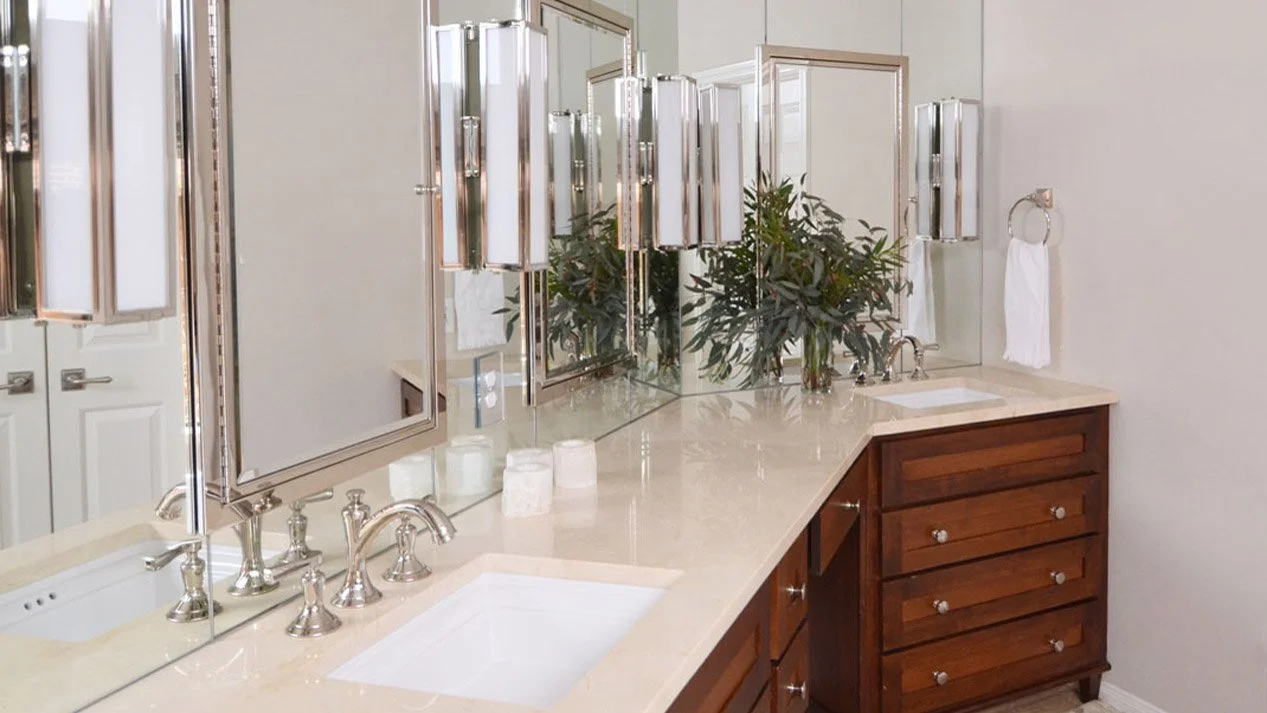
Castle Pines Interior Design
Where the views are given. Everything else is designed.
Castle Pines sits at a different elevation than the rest of the Denver metro; literally and aesthetically. The homes here tend to be larger, the lots more generous, the architecture more deliberate. Many of my Castle Pines clients are either finishing a new build and need someone to carry the design through from construction to final installation, or they're in an established home that's ready for a renovation that matches what the property always deserved. New construction in Castle Pines is where I'm most in my element. Joining a project at framing and staying through the final styling is how you get a home that feels cohesive rather than assembled; where the finish selections, the millwork, the furnishings, and the art all read as a single decision made by someone with a clear vision, not a series of compromises made under deadline.
Castle Pines homeowners generally know what they want. My job is to be the person who knows how to get it, who can work with your architect and builder as a genuine partner, and who stays present from the first plan review to the day you walk in for the first time and it looks exactly right.
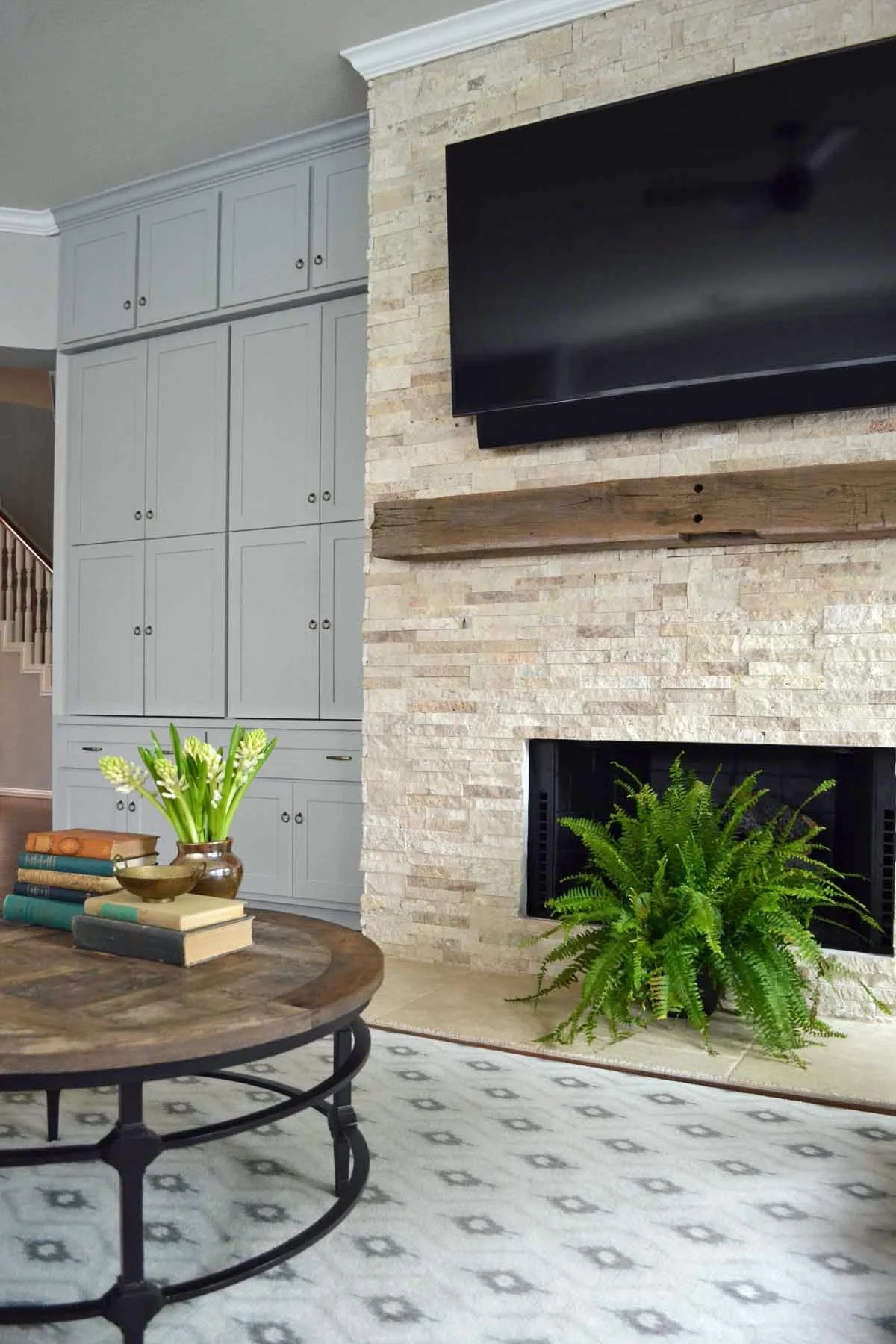
Why Clients Choose Jamie House Design for Their Castle Pines Homes
THE EARLIER I'M INVOLVED, THE BETTER THE RESULT
New construction design done right starts at framing, not after the finishes are locked in. I join projects early so every decision supports a cohesive whole, not a series of compromises made under deadline.
A BOUTIQUE PRACTICE BY DESIGN
Twelve projects a year. Enough to be genuinely present for each one, not spread thin across twenty projects with your job managed by someone you've never met.
AN INTERNATIONAL EYE FOR A COLORADO SETTING
Twenty years designing homes across three continents means I source from wherever the right piece exists; a Colorado craftsman, a European fabricator, a vintage dealer nobody else knows about. Castle Pines homes deserve that range.
ARCHITECTURE FIRST, FURNITURE SECOND
I understand how buildings are actually built. That matters on larger Castle Pines projects where the interior design and the architecture need to work as one, not be layered on top of each other after the fact.
FEATURED PORTFOLIOS
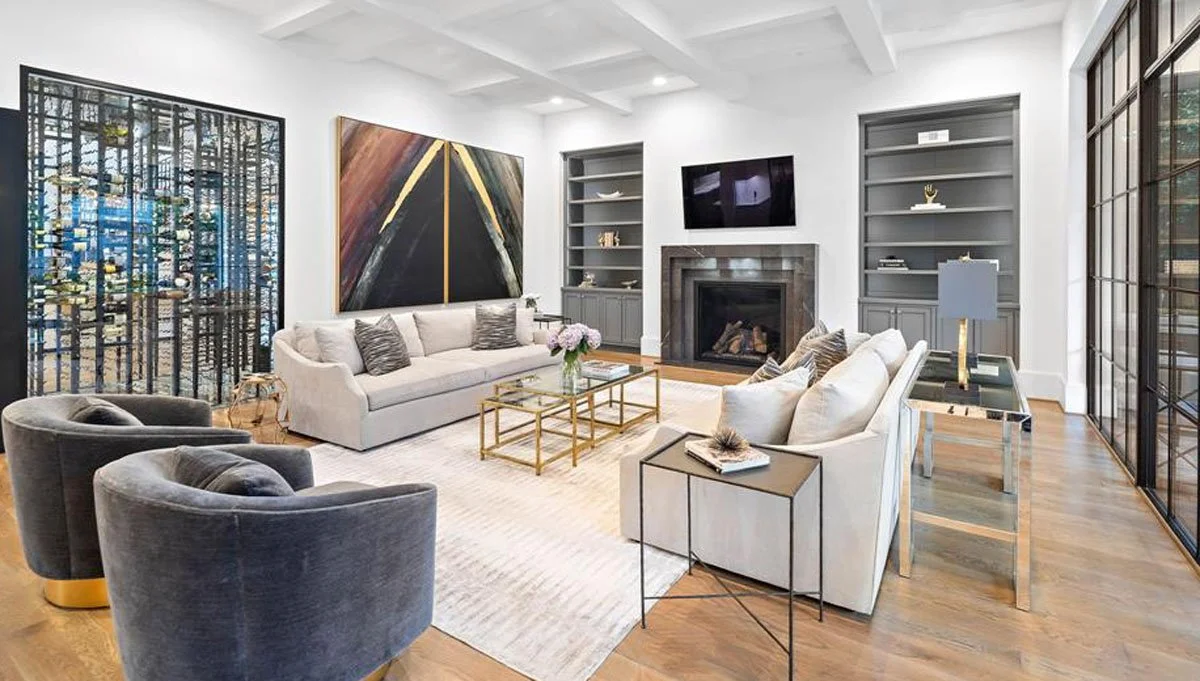
Every project starts with listening. Here’s what happens when we get it right.
Client
Sharp Dressed Home
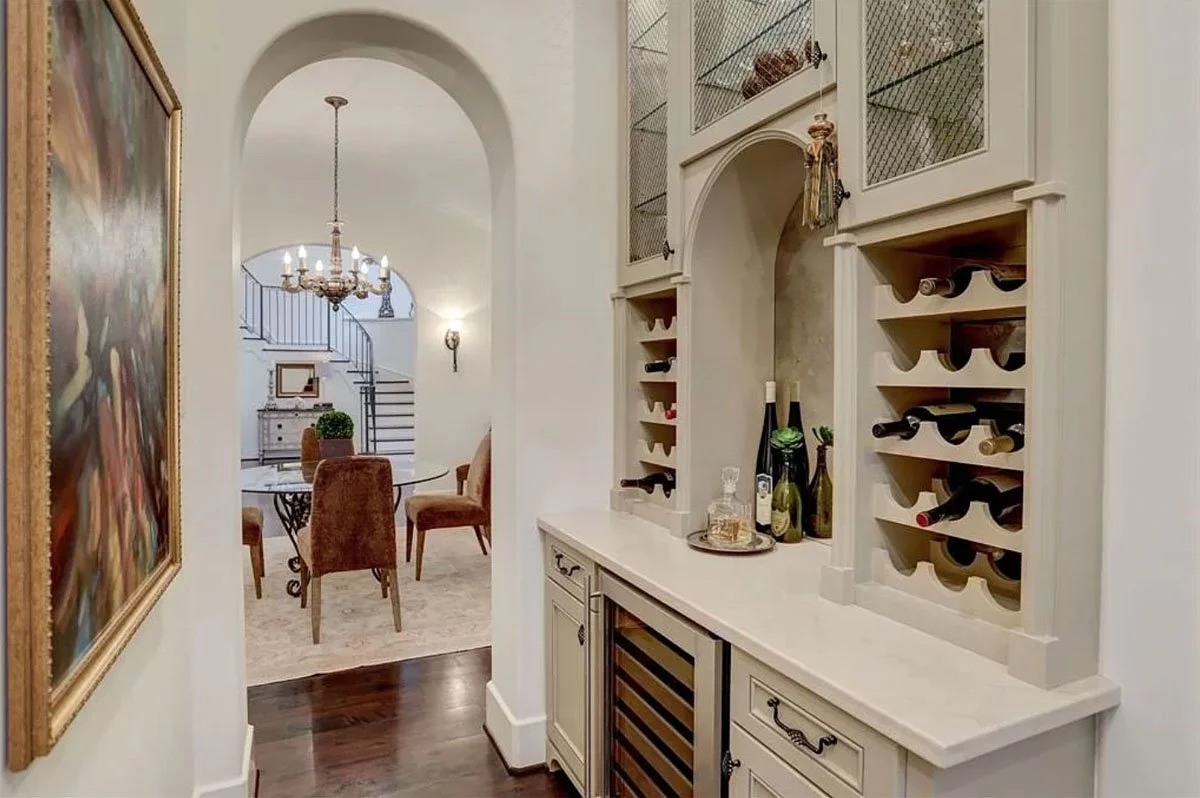
Client
Oui Lone Tree
Frequently Asked Questions
Still have questions? Take a look at the FAQ or reach out anytime. If you’re feeling ready I’m excited to discuss your project with you.
-
As early as possible; ideally before finishes are locked in, and certainly before framing is done. The decisions made at that stage; ceiling heights, window placement, kitchen layout, where the natural light will be in the afternoon, determine everything that comes after. If I'm involved at that point, I can make sure the architecture and the interior design are working toward the same result. If I come in after the structure is set, I'm designing within constraints that could have been avoided. I've joined projects at every stage, and the ones that start early always finish better.
-
Builder design centers are efficient. They're also designed to move selections quickly, at a pace that serves the construction schedule, not the outcome for your home. Most of what they offer is mid-range product at a marked-up price, and the selections you make there will be on thousands of other homes in the metro.
That said, the design center isn't something to skip if it’s a part of your builder package, it's something to navigate strategically. I can go with you. Knowing what your finished home is meant to feel like, I can help you identify which builder selections are genuinely good value and worth upgrading, which ones are fine to leave standard, and which upgrades you should skip entirely because we'll replace them with something better later. That kind of guidance, a clear design intent before you walk in the door, turns a two-hour appointment that most people find overwhelming into a focused, confident set of decisions.
For everything the design center can't offer, I source independently: custom fabricators, trade-only vendors, European manufacturers, vintage dealers. The selections I bring to Castle Pines projects aren't available through a builder's standard process. And the design thinking behind all of it accounts for how your specific home is oriented, what the light does, and what you're actually going to want to live with in ten years.
-
It's one of my favorite conditions to design within. I've worked with serious art collectors before, the Denver penthouse project in my portfolio was built specifically around an existing collection. The approach is to design the space so the art can do what it's meant to do: be seen, be lived with, stop people. That means thinking about sight lines, lighting (both natural and artificial), wall heights, and what the surrounding surfaces ask of the eye. The furniture and finishes become the frame. The art is the point.
-
That's exactly how I think about design. The homes I'm proudest of don't announce themselves. They feel right before you can explain why, the proportions work, the materials make sense together, nothing is trying too hard.
Getting there requires restraint at every decision point: knowing when one material does more than two, when negative space is more powerful than filling a wall, when the right vintage piece does more work than five new ones. It's a different kind of discipline than maximalism. I've practiced both, and I find the quieter version harder to get right, and more rewarding when you do. -
The architectural training, first. I understand how buildings are constructed; I read structural drawings, I work directly with architects and builders as a peer, and I catch coordination problems before they become expensive field changes. At the Castle Pines level, where projects often involve significant custom work and multiple contractors, that prevents the kinds of errors that no amount of beautiful sourcing can fix after the fact.
Second: I take twelve projects a year. You will work with me, not a team of people I'm managing. That's a real difference at the level where discretion and continuity matter most. -
For a Castle Pines home; whether that's a full furnishing program for a new build or a significant renovation, full-service design fees typically run $40,000–$80,000, with total project investment (design, procurement, and construction) ranging from $150,000 to $400,000+ depending on scope. New construction finish selections and full furnishings for a larger home fall toward the higher end.
I'm transparent about this from the first conversation, and I'm not the right fit for every budget, but I'd rather be clear upfront than have that conversation halfway through a project.