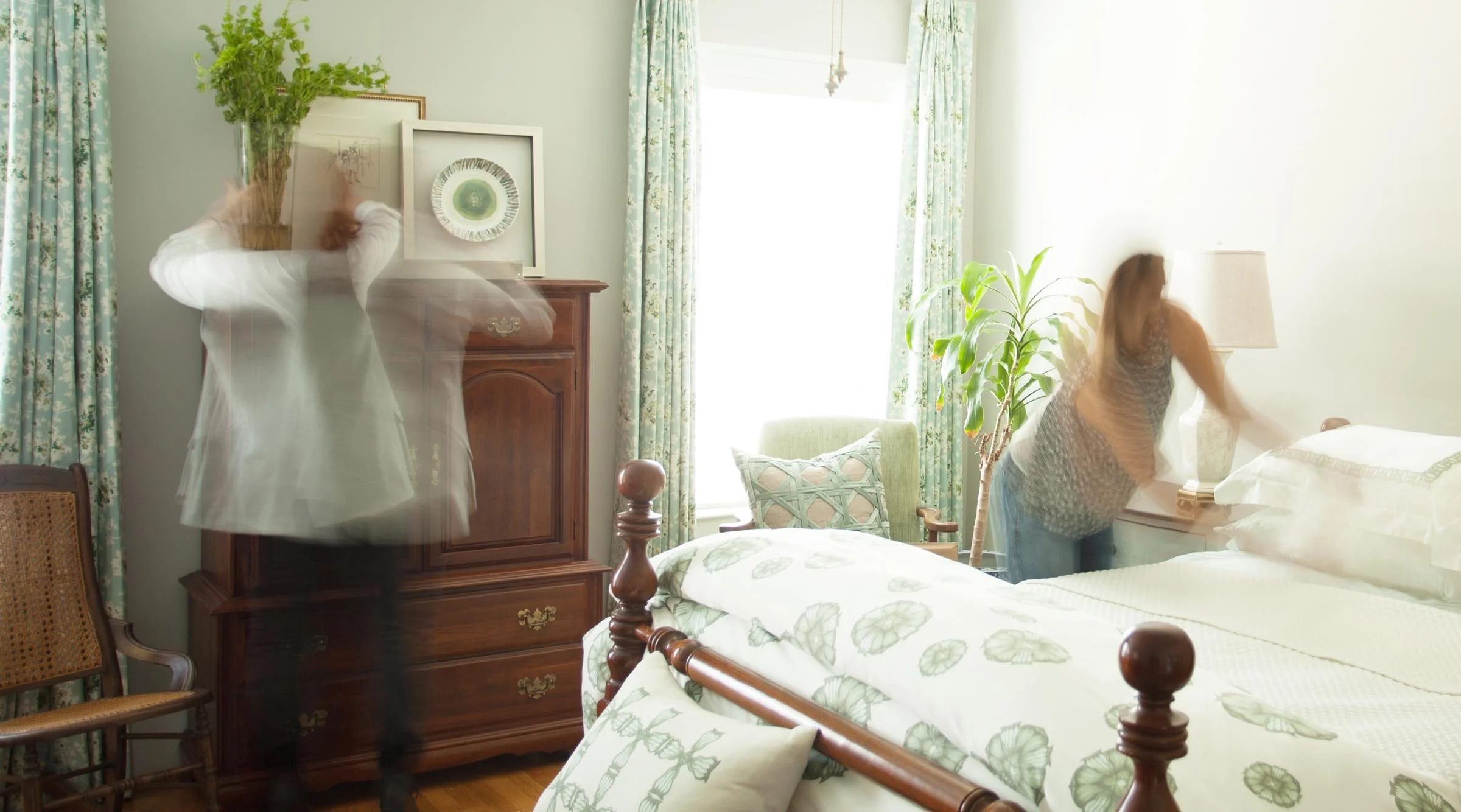
One Vision, Start to Finish
About Jamie House Design
Design that begins with listening and ends with a home that's entirely yours.
Good design doesn't happen from a distance, but not because someone needs to physically be there. It happens because the person who made the original decisions is still the one holding them when a contractor makes a call that could unravel everything, when a problem needs catching before it becomes expensive, when the easy fix and the right fix aren't the same thing. That's what I bring to every project: the same vision, held from the first decision to the last.
I run a small, independent practice serving Centennial, Littleton, Highlands Ranch, Cherry Hills Village, and Castle Pines. Design-led. Intentionally small.
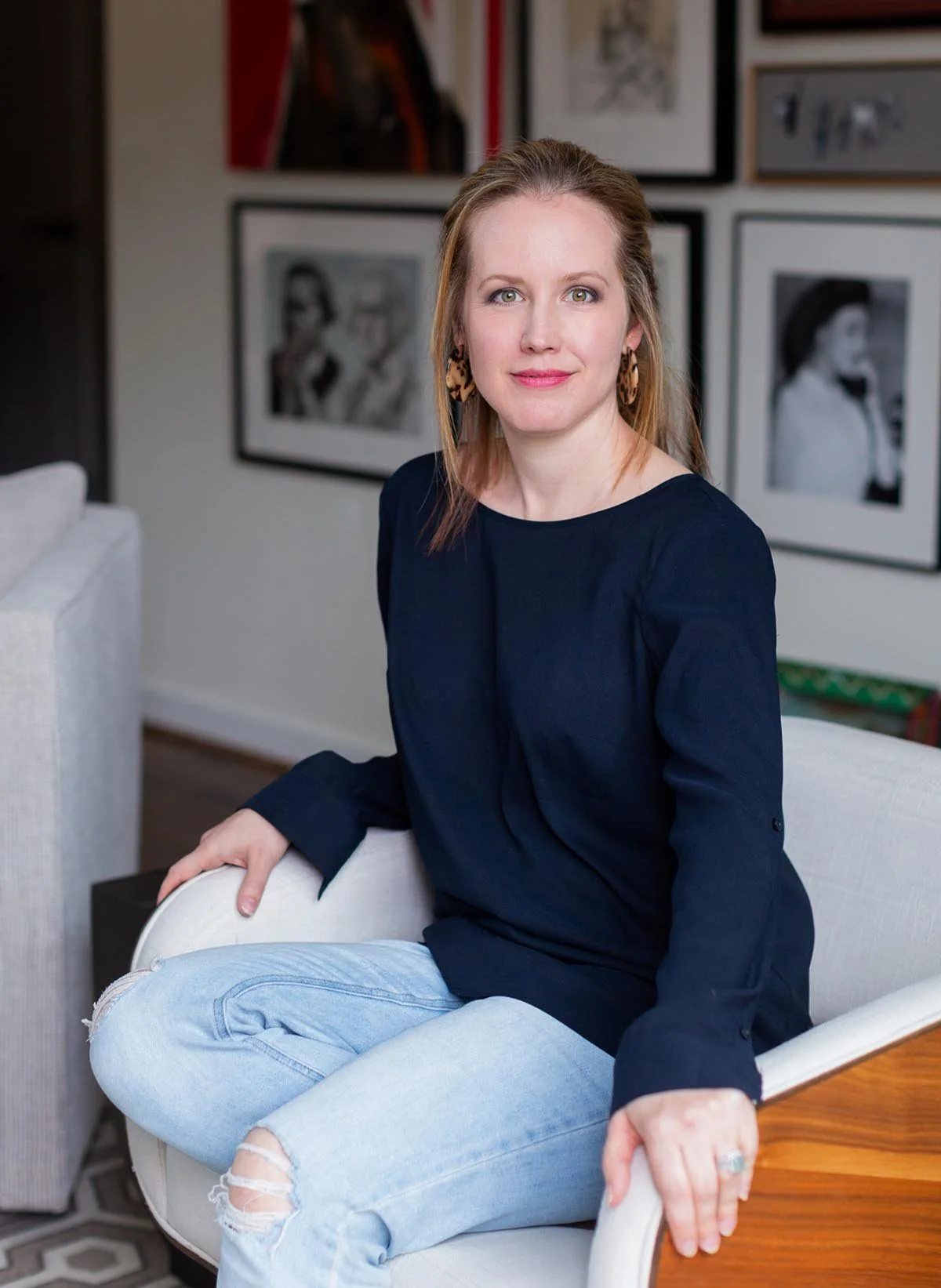
Meet Jamie
Principal Designer
I grew up in Texas, Colorado Springs born, but raised in Houston's suburbs, shaped by Texas Tech, and eventually planted firmly in Houston itself. Texas is where I built my practice, my reputation, and my eye.
Before settling into Houston full-time, I worked on projects in Dallas, Shanghai and across the U.S., experiences that expanded how I think about space, scale, and materials. Then came Berlin. Four years living and designing there transformed my aesthetic in ways I'm still drawing on: European restraint, the discipline of choosing fewer things and choosing them better, materials selected for how they age rather than how they photograph. I came back loving texture and pattern as much as restraint; a piece of real handiwork over anything mass-produced, a fabric with some history to it over whatever's safest.
The Houston years had become something I hadn't expected, a reputation that kept growing even after I left. When I moved to Berlin, I did no marketing. The calls still came. Clients I'd worked with were referring friends, most willing to work with me remotely across an ocean. That meant something to me. It still does.
But Colorado was always where I was headed. Born here, with family in Centennial, I'd always measured other places against it. When it came time to choose where to raise my son; somewhere with mountains, family nearby, and the kind of community worth putting down real roots in, Centennial wasn't a fallback. It was the plan.
I came back and deliberately built something smaller than what I'd had before. Twelve projects a year. Enough space to be genuinely present for each one.
My own Centennial home is an ongoing experiment, currently obsessing over the kitchen, which I've redesigned three times and hope to actually start construction on soon, if I can stop from redesigning it a fourth time.
When I'm not on a job site, I'm in my garden, hanging out with my husband and son, traveling, at an estate sale, or renovating something that probably didn't need it, but absolutely did.
Interior Design Society Member · 2026 3X Platinum Interior Designer, Centennial CO · NKBA Professional Member
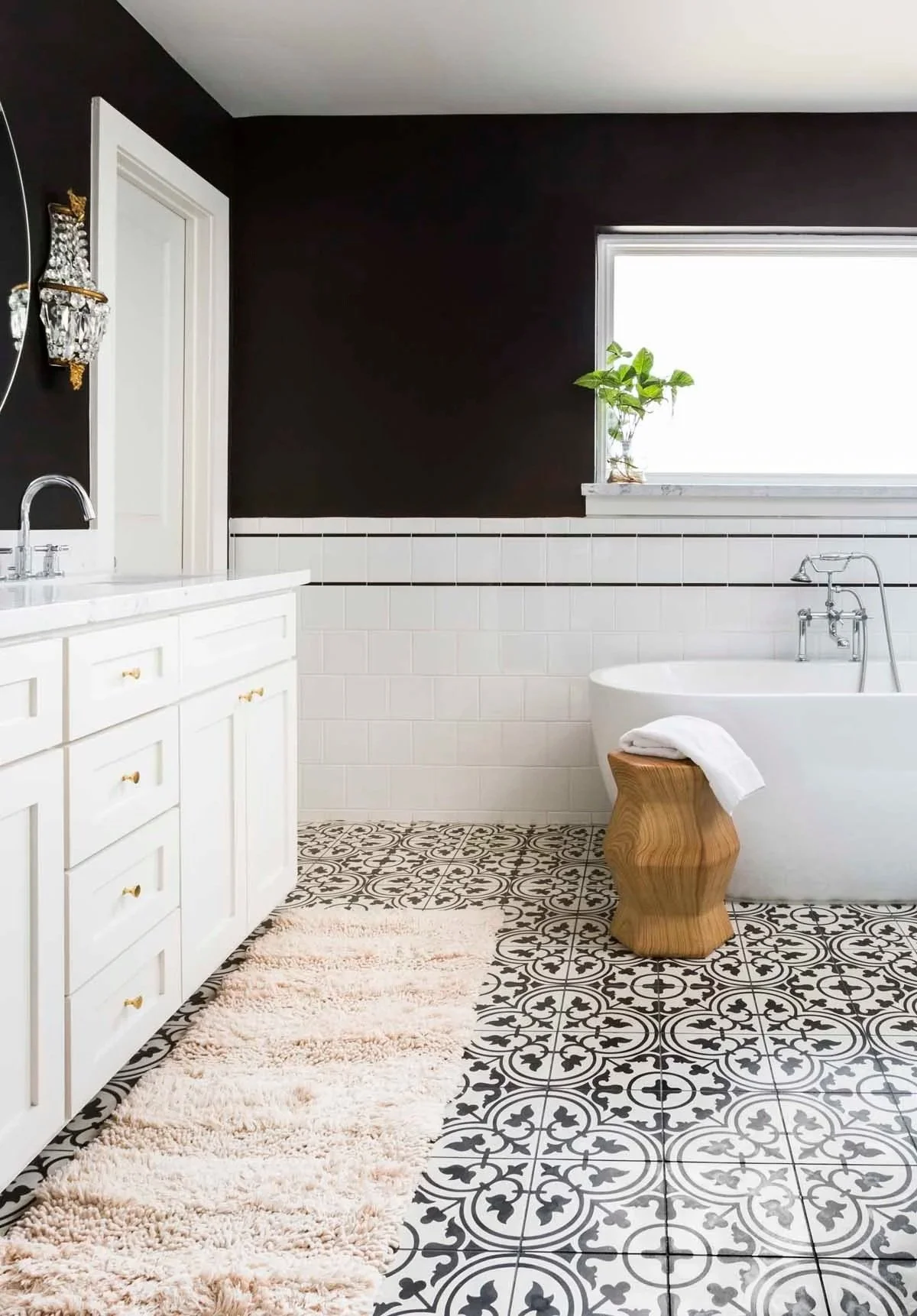
What This Means For Your Project
You get an eye that isn’t afraid of pattern.
A plaid on a sectional. A wallpaper with real presence, not a safe, forgettable grey. Natural, textured fabrics with some depth to them, original art over anything mass-produced. This is what makes a room feel like it was decided for you, not assembled from whatever was easiest to choose.
You get pieces chosen because they belong, not because they were already on the shelf.
A vintage dealer's rare find. A custom fabricator who makes one thing and makes it exceptionally well. A Colorado artisan whose hands created what's now sitting in your home. None of it comes from a warehouse, and none of it arrives with someone else's brand name already stamped on it. That's where the depth comes from, the sense that a room was gathered with real care rather than filled in a single afternoon, and it's the difference between a house that looks finished and one that feels like your home.
You get an architect's eye for proportion behind every decision.
I read construction drawings and understand structural systems, not as a safety net added after the fact, but because knowing what a wall can become changes what I design in the first place. Knowing residential architecture well enough to sense when a room wants to open up, or when the real fix is simpler, moving what's already there rather than adding onto it. When a molding belongs, and when leaving a ceiling plain is the more honest choice. I listen to you, but I listen to the house too, and the design comes from both conversations at once. The architecture and the design are one decision here, not two.
You get a vision that survives construction.
Something always goes wrong, a material's back-ordered, a wall reveals a surprise, a contractor suggests the easier shortcut instead of the right one. Those are the moments a plan gets tested and can easily go off the rails. I stay through all of them, working alongside your contractor to bring the vision we agreed on to life, not redesigning it under pressure the moment something shifts. Not handed off to someone else halfway through, and not simply because I happen to be nearby. A vision only survives construction if the person who designed it is still the one holding it when something inevitably does.
Every project I take on gets the same thing: a vision held from the first conversation to the last, whatever shape the work takes.
If you're planning a renovation, new construction, or have a room that's never come together the way you imagined, I'd like to hear about it.
Selected Work
-
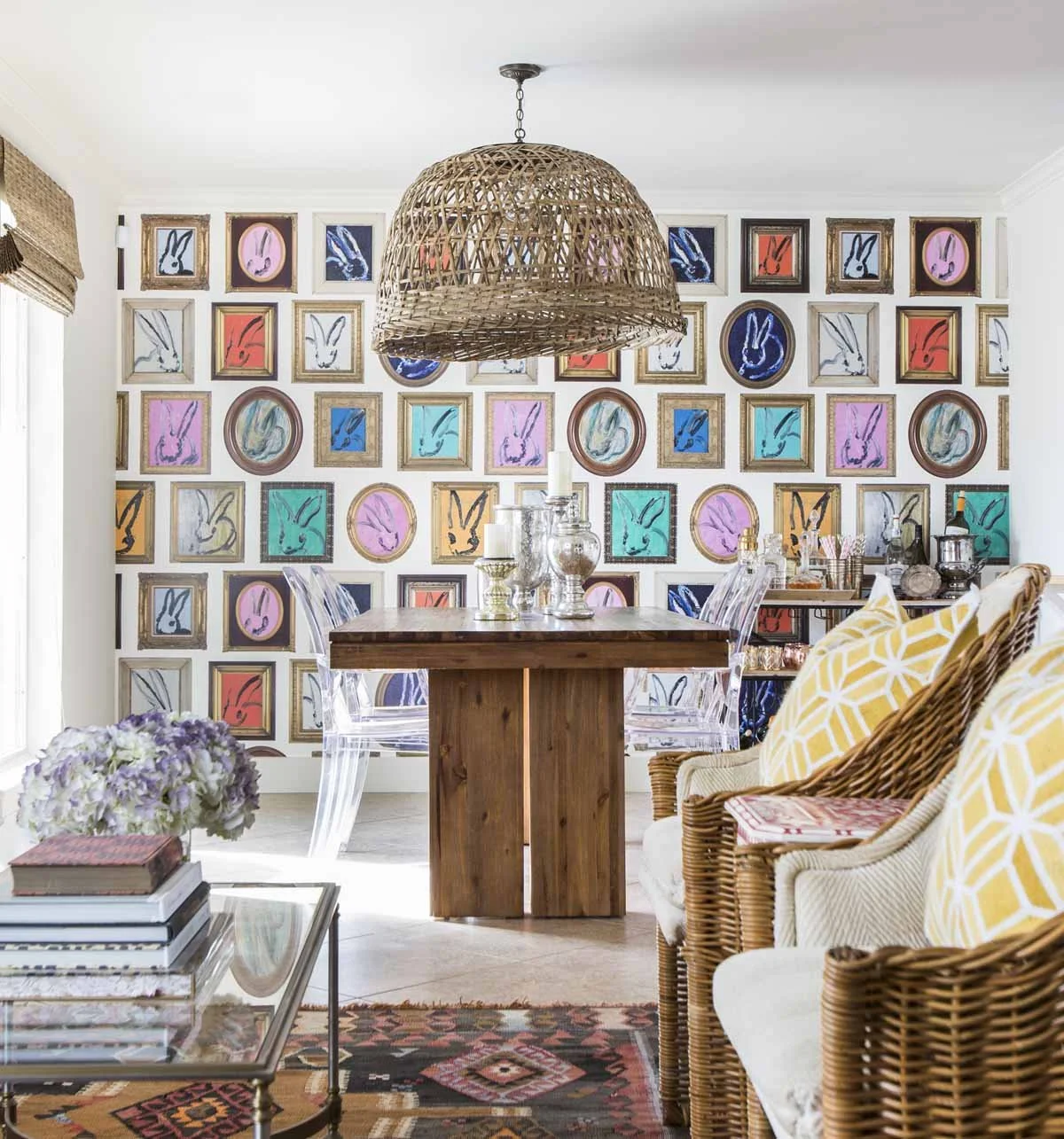
![House remodel with bold bunny wallpaper in the dining room]()
Down the Rabbit Hole
-
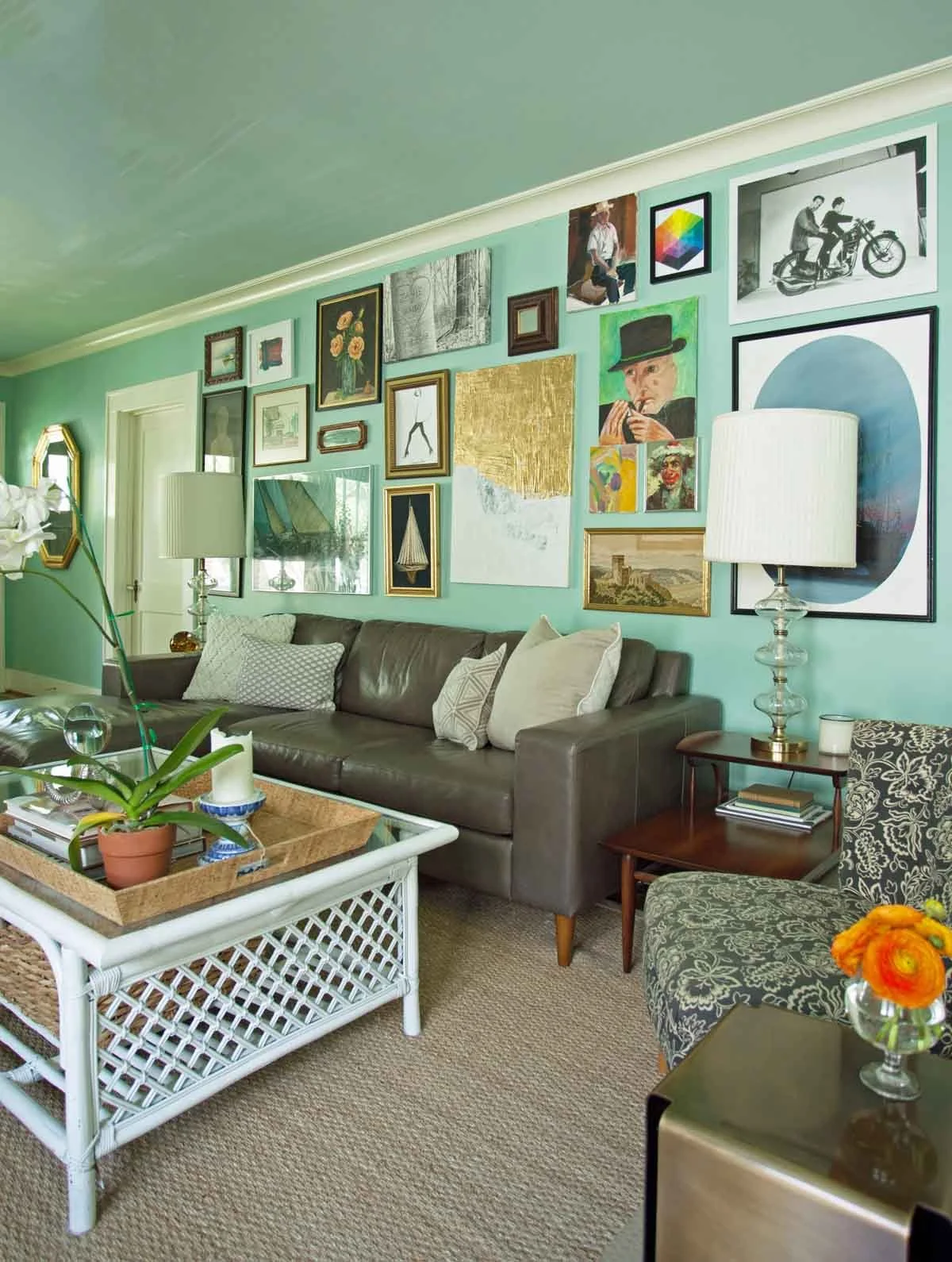
![Gallery wall in Designer's own living room]()
The One I Kept
-
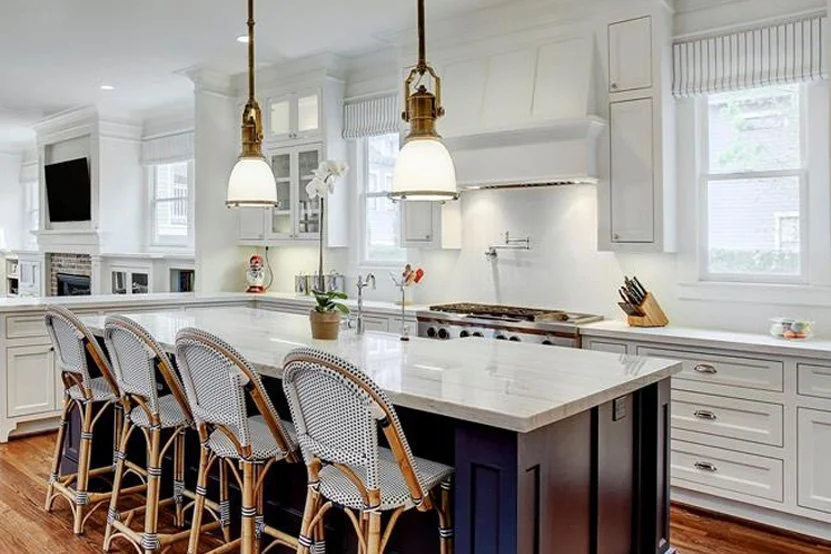
![White kitchen design with navy island in house remodel]()
Navy and Wit
-
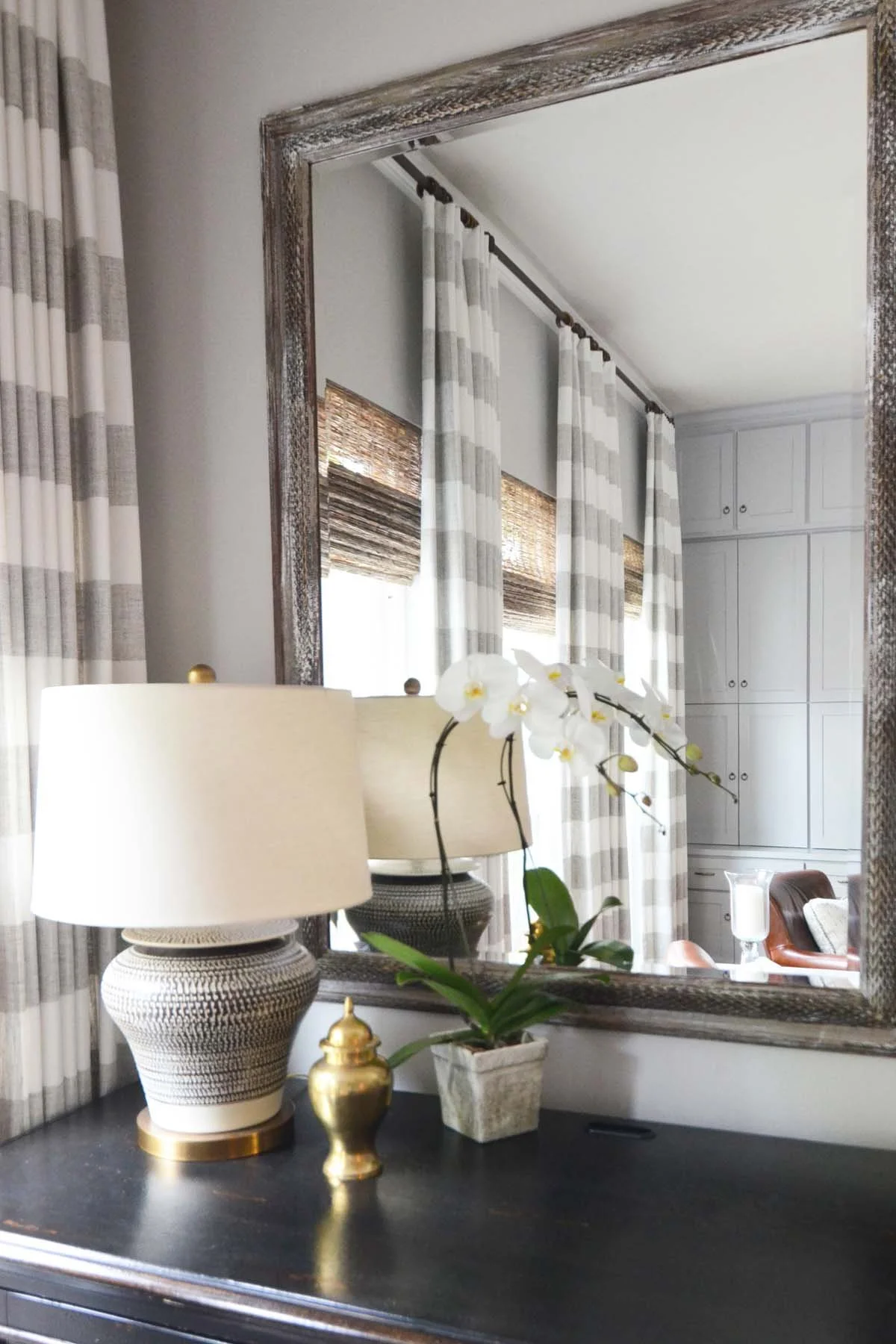
![Custom built-ins and draperies reflected in a mirror after full house renovation]()
Empty Nesting