

Interior Designer in Centennial CO | Jamie House Design
Home Design Rooted in Clarity and Craft
Centennial is where I live, where I'm raising my son, and where I've staked my professional reputation. In 2025, Centennial residents voted me their Platinum Interior Designer and Platinum Interior Decorator; two separate categories, one community. That means something to me.
I know this city the way you only know a place you've chosen deliberately. When you describe the 1985 split-level near Southglenn, the ranch in Foxridge you've been slowly renovating, or the newer build in Willow Creek that never quite came together, I know exactly what you're talking about. I've driven those streets. I understand what was built in this area and when, what those floor plans look like from the inside, what's structurally possible and what isn't.
You're not hiring someone who'll need to get oriented.
Centennial homes tend to be well-built, well-located, and under-designed. The bones are good. The architecture just needs someone who takes it seriously; who understands that a 1980s ranch isn't a liability, it's a starting point.
Why Clients Choose Jamie House Design for Centennial CO Homes
SOMEONE WHO KNOWS YOUR STREET
I live in Centennial. When you describe your Cherry Knolls home or your split-level near Southglenn, I know the floor plan before you finish the sentence.
ARCHITECTURAL TRAINING, NOT JUST TASTE
I read construction drawings, coordinate directly with contractors, and catch problems before they get expensive. That's not standard; it's the difference an architectural background makes.
I don't take on more than I can be genuinely present for. When you work with me, you work with me, not a junior designer you'll meet after you've signed a contract.
LIMITED NUMBER OF PROJECTS A YEAR, ON PURPOSE
PLATINUM DESIGNER, ACTUAL NEIGHBOR
Centennial residents voted me their Platinum Interior Designer two years running. I don't take that lightly; this community is where I'm raising my family.
FEATURED PORTFOLIOS
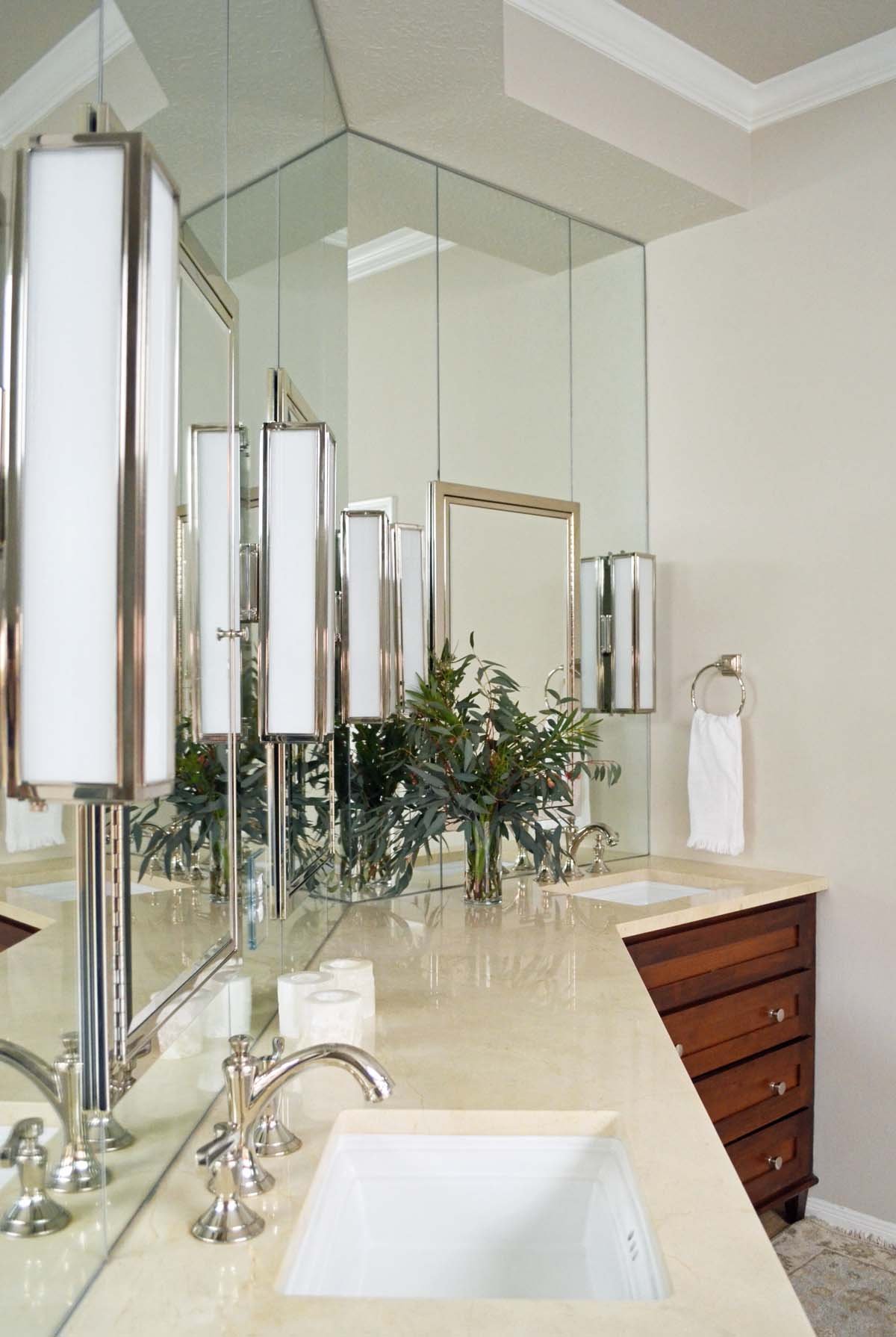
Every project starts with listening. Here’s what happens when we get it right.
Client
Empty Nesting
Client
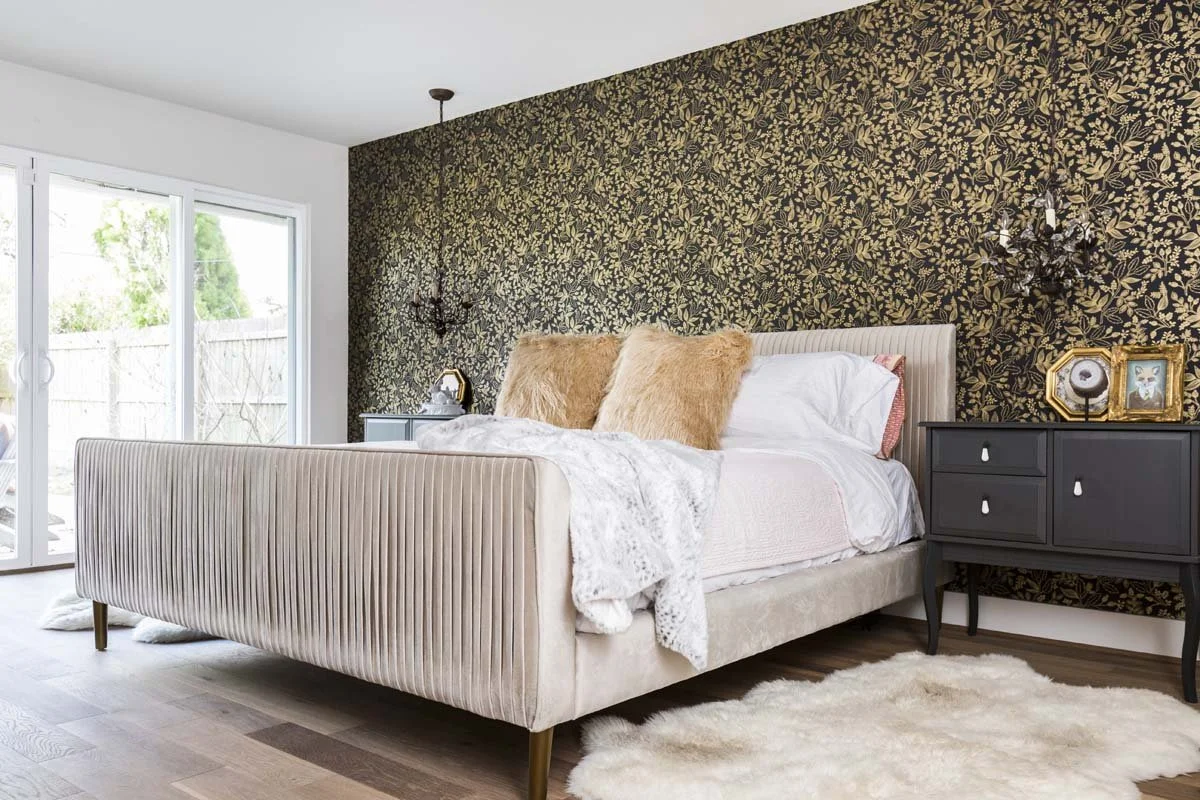
Down the Rabbit Hole
Client
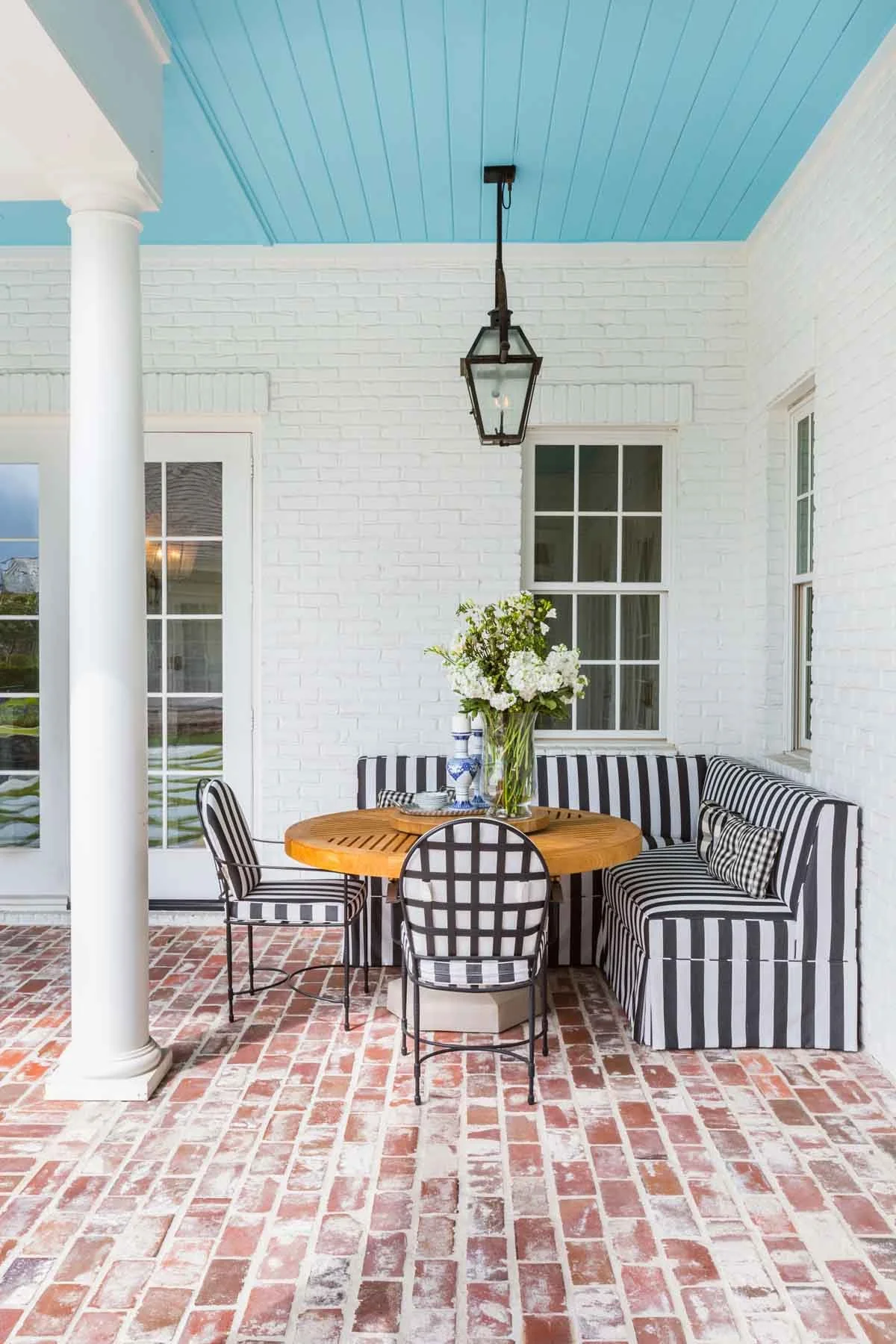
The Fifth Room
Client
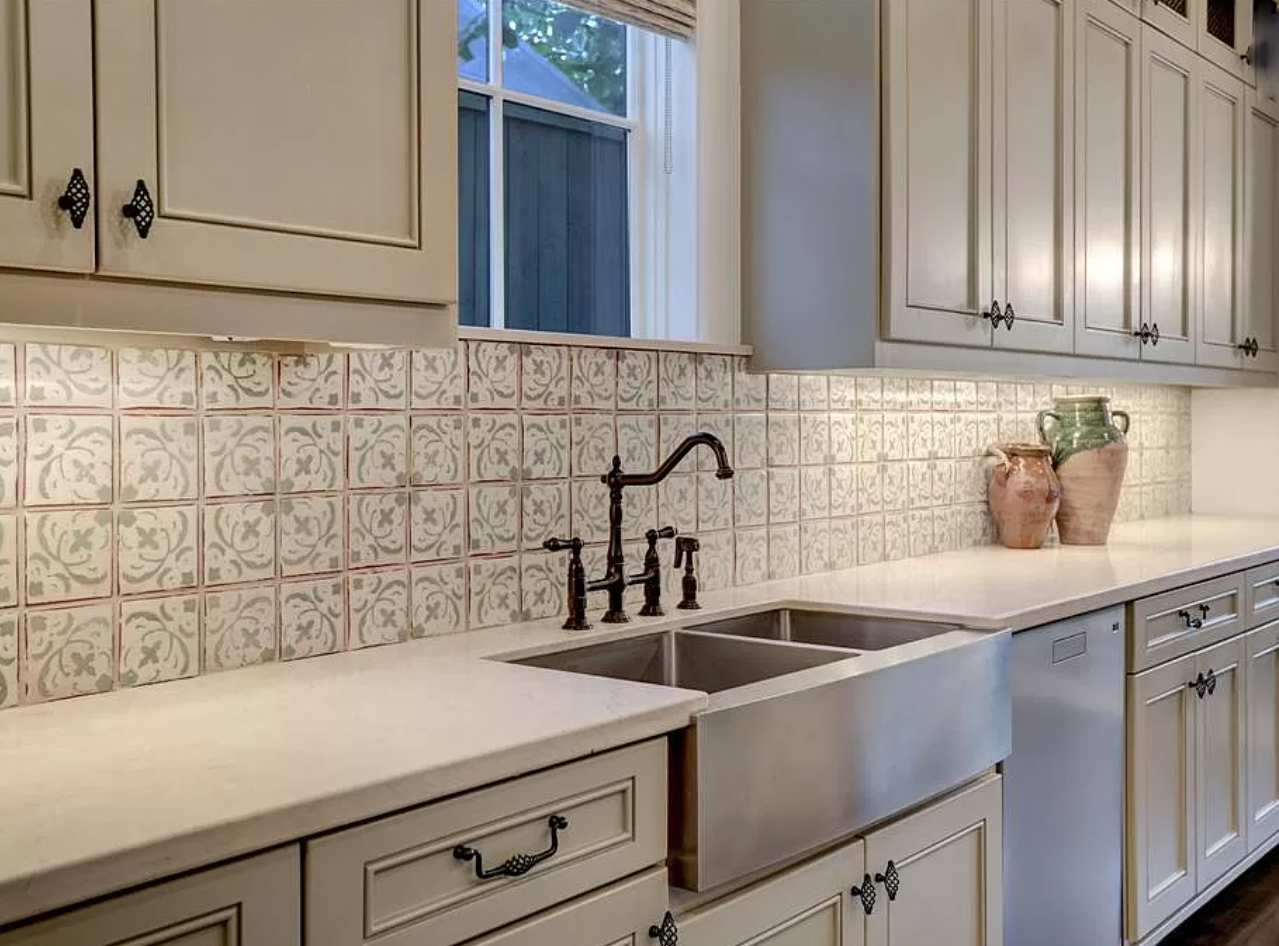
Oui Lone Tree
Your Questions, Answered
-
Twenty years of living in a home is actually useful information. It tells me what's working, what you've already tried to fix and given up on, and what's been quietly bothering you the whole time. The homes I find most interesting in Centennial are the ones with history, they have a clear point of view that just needs someone to organize it. We're not starting from scratch. We're editing, upgrading, and making it coherent.
-
Usually with the room you use the most and like the least. For most Centennial families that's the kitchen or the main living area; spaces that were designed in a different era for a different version of your life.
I start by understanding how you actually use the space now: where everyone congregates, what the traffic patterns are, where things end up that shouldn't. Then we work outward from there.
It's almost never about buying all new furniture. It's usually about changing the architecture of the space first. -
Yes, and I'll be honest with you about what's worth keeping and what's holding the room back. That's one of the things people find most useful about a consultation, getting a clear-eyed assessment of what's working versus what's wishful thinking. Some of my best projects have been built around a client's existing pieces: a sofa they love, an heirloom rug, a dining table that holds twenty years of dinners. The design work is figuring out what everything else needs to be in order to make those pieces sing.
-
The 1988 Centennial ranch is one of my favorite projects to work on. I've been inside dozens of them. I know the floor plans, I know the light, I know which walls are load-bearing and which ones aren't. These homes have genuinely good bones; solid construction, decent square footage, sensible layouts, and they respond beautifully to the right design investment.
The clients I work with in Centennial aren't people remodeling for the Instagram photo. They're people who want to live better in the home they've built their family in.
And sometimes the Instagram photos are impressive too. -
It's a fair question. The honest answer is that I structure my practice, twelve projects a year, all within twenty minutes of my home, specifically to avoid that being a problem. I'm not managing twenty projects across three states where any one of them could fall through the cracks. I also build relationships with contractors and vendors who know how I work, which means the project doesn't depend on me being physically present for every single decision. That said, when something important is happening, I'm there.
-
A few things worth asking: Do you meet the actual designer or a project manager? Who's attending site visits? How do they handle it when a contractor wants to make a substitution mid-project? And does their portfolio show range, or does every project look like the same house with different paint?
My architectural background means I can catch structural and spatial problems that a designer without that training might miss entirely. That changes what's possible, and it changes what doesn't go wrong.