Why Hire Your Own Interior Designer for New Construction (Instead of Using Your Builder's Designer)
The question comes up early. You've signed with a builder, you're picking your lot, things are moving. Then someone mentions the design center appointment, and you realize the builder has a designer on staff.
"Do we really need to hire someone else?"
It's a fair question, and the honest answer is: it depends on what you're trying to accomplish.
I've been involved in new construction projects in Castle Pines, Highlands Ranch, and Centennial for years. I've worked alongside builders' designers and I've come in after clients used them.
Here's what I've learned about the difference.
Who the Designer Actually Works For
This is the thing nobody says plainly, so I will: your builder's designer works for the builder.
That's not a criticism. It's just the structure. They're employed by the builder, evaluated by the builder, and their job is to help the builder's process run smoothly, while also helping you make selections you'll be happy with. Both things can be true. But when those goals conflict, you're not the tiebreaker.
What this looks like in practice: when the builder has leftover tile from a previous job, that tile shows up as a suggested option. When a lighting fixture would require modifying a rough-in, the recommendation shifts to something that uses the standard placement. When you want deeper upper cabinets or custom millwork, the builder's designer might discourage it, not because it wouldn't work better in your kitchen, but because it complicates the schedule.
None of this is dishonest. It's just a different role than working for you.
What Builder Designers Do Well
I don't want to oversell this distinction. Builder designers do something genuinely useful.
They know the builder's systems. They know which selections integrate smoothly with the construction process, which upgrades are fairly priced and which are marked up, how to communicate with the construction team. For clients who want a well-run, on-schedule project with acceptable finish selections, they're often enough.
The scope is typically finish selections: paint colors, flooring, tile, countertops, cabinet styles, plumbing fixtures, lighting. The decisions that need to happen during construction to keep things moving. That's legitimate work.
It's just not the whole thing.
What Builder Designers Usually Don't Do
Here's where the gap opens up, not because builder designers aren't capable, but because it's genuinely outside their role.
Space planning and furniture layouts. Which furniture goes where, at what scale, considering how you'll actually use each room. This determines whether your great room feels right or just feels big. No amount of nice tile fixes a room where the furniture doesn't work.
Custom furniture. Your media console needs to be 118 inches to fill that wall. You're not finding that retail. Custom pieces require specifications, fabricator relationships, and 12–16 week lead times, which means someone needs to be planning them while the house is still being framed.
Window treatments. Not decorative. Functional: light control, privacy, acoustic softening, and in Castle Pines especially, how you frame a view without competing with it. Builder designers don't spec window treatments. Someone has to.
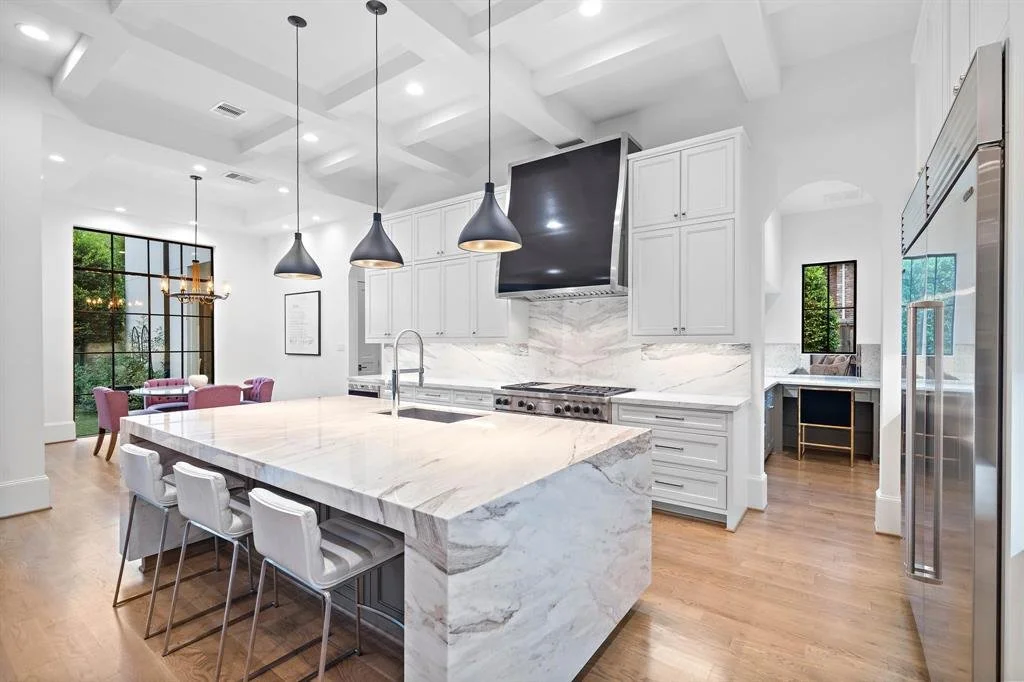
Lighting design beyond code. Builders install recessed cans on a grid. That satisfies code. It doesn't create the layered lighting that makes a home feel good at 7pm versus noon. This requires planning before the electrician is done, not after.
The complete furnished result. Most builder designers' involvement ends when construction does. You close on the house, and everything else, furniture, art, styling, the actual feeling of the place, is yours to figure out.
The Timeline Problem Nobody Warns You About
This is the scenario I see play out constantly.
You close in October. The house is beautiful, quality construction, everything new. You move in. Rooms are empty, or filled with furniture from your old house that doesn't fit the scale. Windows are bare. The lighting is harsh. It echoes.
You start shopping. That sofa has a 12-week lead time. The dining table you need doesn't exist at retail, it has to be custom, 16 weeks. Window treatments require measuring, fabric selection, fabrication, 10 weeks minimum.
It's March. You've been living in an unfinished house for five months.
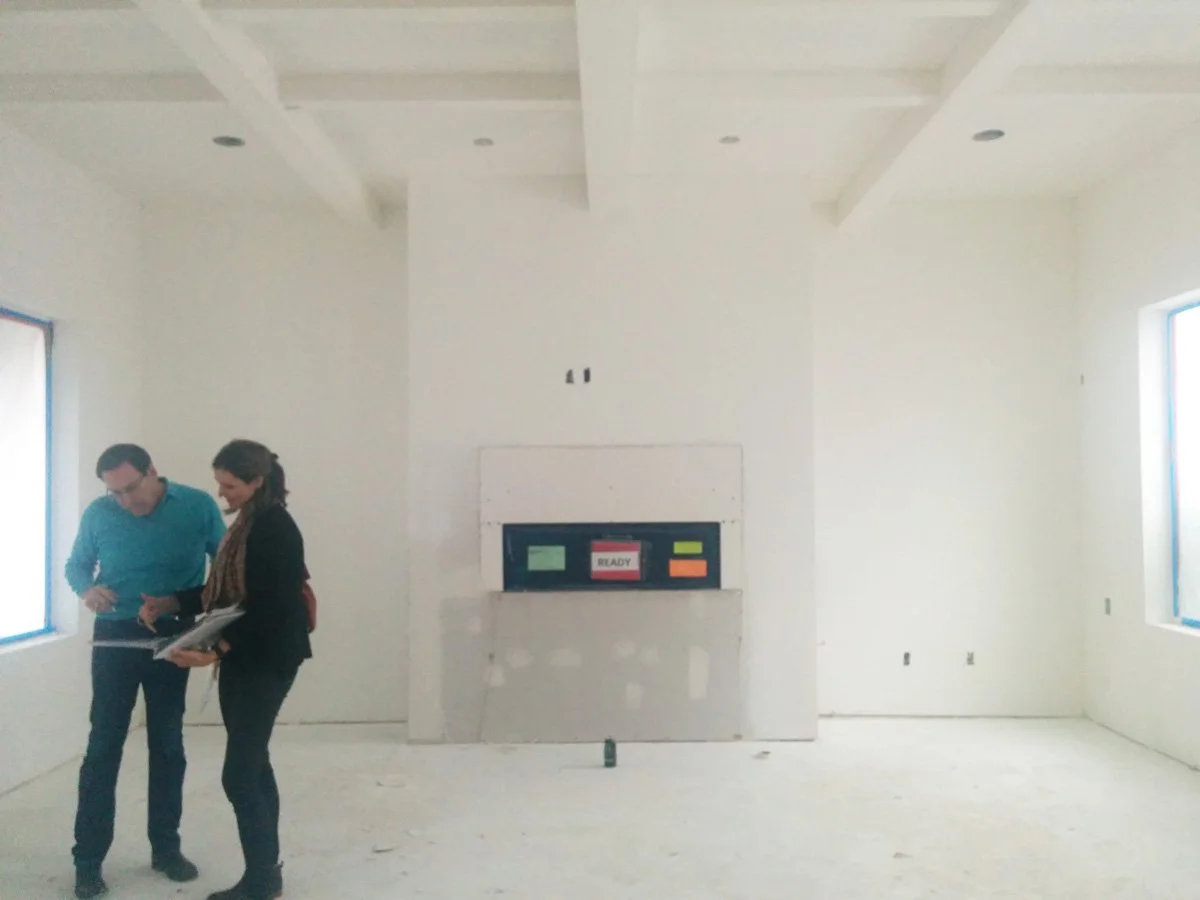
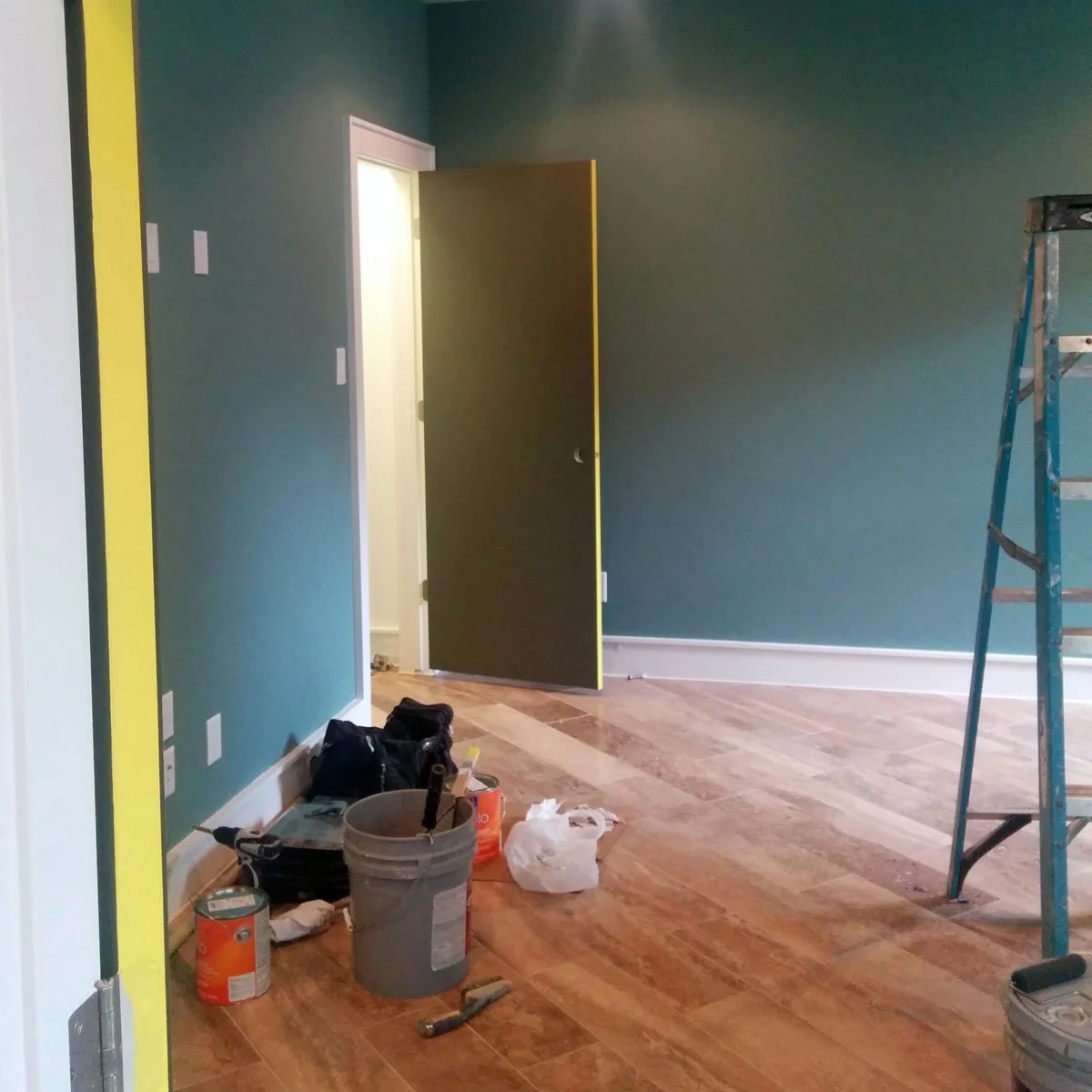
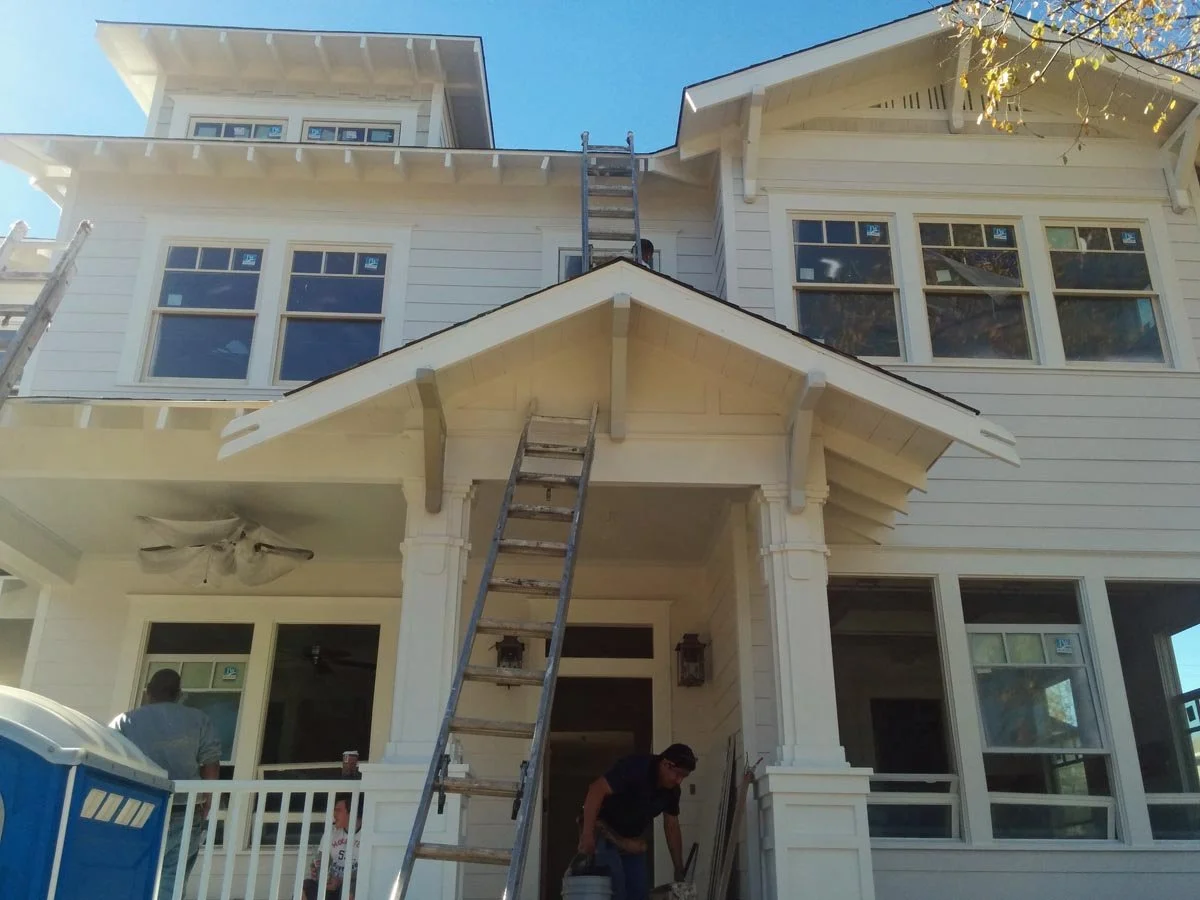
The alternative: you bring in an independent designer before or early in construction. While the framer is working, I'm measuring and planning furniture. While the electrician is doing rough-in, I'm specifying the custom pieces that need to be ordered now. While the painter is finishing drywall, I'm placing fabric orders.
You close in October. Your furniture arrives in November. Window treatments install in December. You're hosting Thanksgiving in a completed home.
The design work is the same either way. The difference is sequence.
The "Two Designers" Concern
Builders sometimes raise this when you mention hiring someone independently: "We already have a designer who knows our process. Won't this create confusion?"
Professional designers work with builders all the time. It's not unusual. Clear roles prevent conflict.
The builder's designer facilitates the builder's process; standard selections, schedule coordination, construction communication. The independent designer creates the complete vision, specifies what's actually optimal for the home, and manages everything through installation.
The builders who resist this arrangement usually do so because an independent designer will ask for things that require more effort: modified lighting layouts, custom millwork, upgraded materials. That resistance tells you something about whose interests are being protected.
The Investment Conversation
"Your builder's designer is included. Hiring you costs $35,000–$90,000. How do we justify that?"
A few things worth saying here.
Your builder's designer isn't free. Their salary is built into your home price. You're paying for those services regardless of whether you use them.
The real comparison isn't "builder designer versus independent designer." It's "finish selections plus figuring out the rest yourself" versus "a completed home."
If you spend $1.5 million on a Castle Pines new build and move into it with bare windows, mismatched furniture, and harsh lighting, and then spend the next two years slowly shopping your way toward something that feels finished; you've paid for that in time, in frustration, and often in money spent on things that don't quite work and get replaced.
Full-service design for new construction: $35,000–$100,000+, depending on scope. This typically represents 4–6% of construction cost on a custom home.
The Castle Pines Specific Context
Castle Pines homes tend toward generous proportions, mountain views, and natural settings that generic finish selections simply don't relate to. Builder finishes that would be fine in any subdivision look generic against that backdrop.
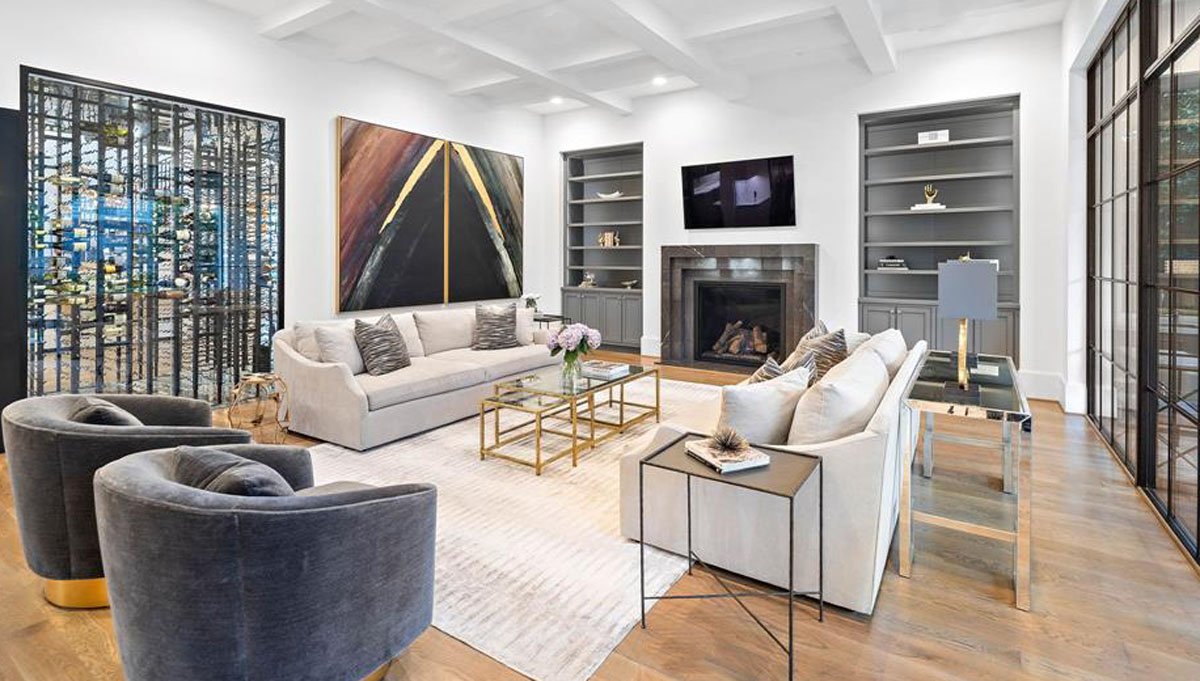
Large-scale spaces need proper furniture scale and deliberate zoning. A 25-foot great room with 20-foot ceilings needs a furniture plan, not just nice flooring. Mountain views need framing, not competition. The outdoor context wants to come inside in a way most builder finish packages never consider.
This isn't something a builder designer is set up to provide. Their scope ends with construction. That's the job.
Mine continues through the furnished, styled, complete result, which is what you actually paid for when you chose Castle Pines.
When the Builder's Designer Is Enough
I want to be honest about this, too.
If you're building a spec home or semi-custom with limited customization, the builder's process is streamlined for a reason. Working against it rarely makes sense.
If your budget is tight and you're prioritizing construction quality, you can furnish gradually over time. The builder's designer handles what needs to happen now.
If you're experienced at design and space planning, you know what you want and just need someone to facilitate the selection process, that might genuinely be sufficient.
If it's a rental or investment property, optimal design isn't the priority.
But if you're building a custom home, investing significantly, and want the complete result to match the investment you made in the structure, the builder's designer alone is going to leave you with a beautiful empty house.
The Question Worth Asking
When you meet with your builder's designer, ask directly: What happens after construction? Do you help with furniture selection? Window treatments? Styling?
If the answer is "that's not our scope", now you know what you're actually deciding.
The question isn't whether you can afford an independent designer. It's whether you can afford to invest $1.5 million in a home and not finish it.
I work with new construction clients in Castle Pines, Centennial, Highlands Ranch, and Littleton. The ideal is to be involved early, before framing, even before permits, because that's when the most important decisions are still open. But if you're mid-build and realizing the scope is bigger than you anticipated, that's a fine place to start too. Wherever you are in the process, I'd love to hear about it.
If this was useful, these might be too:
Five Home Updates That Make a Difference This Spring
March in Colorado does something interesting to your house.
The light comes back at a new angle. You open the blinds and notice things you'd stopped seeing. The sofa that was fine in November suddenly isn't. The art arrangement that seemed okay in January looks tired. The recessed lighting that you've meant to address for two years is suddenly, undeniably, the problem.
I've been doing this work for twenty years; homes in Berlin, Shanghai, Houston, and now Centennial. The best spring refreshes aren't about trends or seasonal colors. They're about finally addressing what your home has been quietly asking for. Here are five updates that consistently make a real difference.
1. Window Treatments, or Finally Committing to Them
I walk into Castle Pines and Centennial homes regularly where beautiful windows are completely bare. Sometimes for years after construction. The reasons are always reasonable: we love the views, we haven't decided yet, window treatments are expensive.
All true. But bare windows have real costs that compound daily — no privacy, no light control, rooms that feel architecturally unfinished no matter how good the furniture is.
The thing I learned in Berlin:Europeans think about window treatments the way Americans think about walls. They're not decorative, they're structural. The standard approach is layered: sheers for daytime privacy and light diffusion, heavier panels for evening and insulation, sometimes solar shades for glare and UV control. You end up with full light and privacy, which sounds like a contradiction until you live with it.
For most Centennial and Highlands Ranch homes with standard windows, I specify linen panels that puddle slightly at the floor, the European convention, not the American hover, over sheer underlayers. The sheers stay closed during the day. You get privacy and warmth without sacrificing light.
For Castle Pines homes with floor-to-ceiling windows and mountain views, top-down solar shades are the move. Light and UV control without blocking what you actually moved there for.
Spring is the right time for this. You can test configurations as light shifts through the day and notice exactly where the problems are before committing.
Investment: $3,000–$8,000 per room for custom drapery. Solar shades run $800–$2,000 per window depending on size and whether you want motorization.
2. Replace the Builder Lighting in One Room
Most South Denver new construction ships with the same package: recessed cans on a grid, a basic chandelier, standard vanity lights. It's code-compliant. It functions. And it makes every evening feel like you're eating dinner in a dentist's office.
Spring's longer days make this obvious in a way winter obscures. Your spaces feel wonderful during the day when natural light does the heavy lifting. Then 7pm arrives and everything flattens.
The fix isn't replacing every fixture in the house. Pick the one room where you spend evenings and address it there. For most people that's the living room or primary bedroom.
For living rooms, I typically add: dimmable floor lamps flanking the seating area, picture lights or track lighting for art, table lamps on consoles and side tables. The recessed cans stay, they're already there, but they get put on dimmers and become background fill instead of the main event.
For primary bedrooms: hardwired bedside sconces instead of table lamps (better reading light, frees up nightstand space), dimmers on everything, and usually a reduction of overhead lighting rather than an addition to it. Bedrooms should never feel bright.
The principle, borrowed again from Europe: you light what needs to be lit and leave the rest alone. Shadows are not failures of a lighting plan.
Investment: $2,500–$6,000 for meaningful lighting improvements in one room, including fixtures, installation, and electrical work for new dimmers.
3. Commission One Piece That Actually Fits
Production furniture works until it doesn't. Most of us have at least one piece in our home that we bought because it was close enough, and have been slightly annoyed by ever since. The media console that's 72 inches but the wall is 96. The dining table that seats six when you always need eight.
In Europe, custom furniture isn't considered extravagant. It's just practical. Apartments have specific constraints. You build what fits rather than shopping for something close enough.
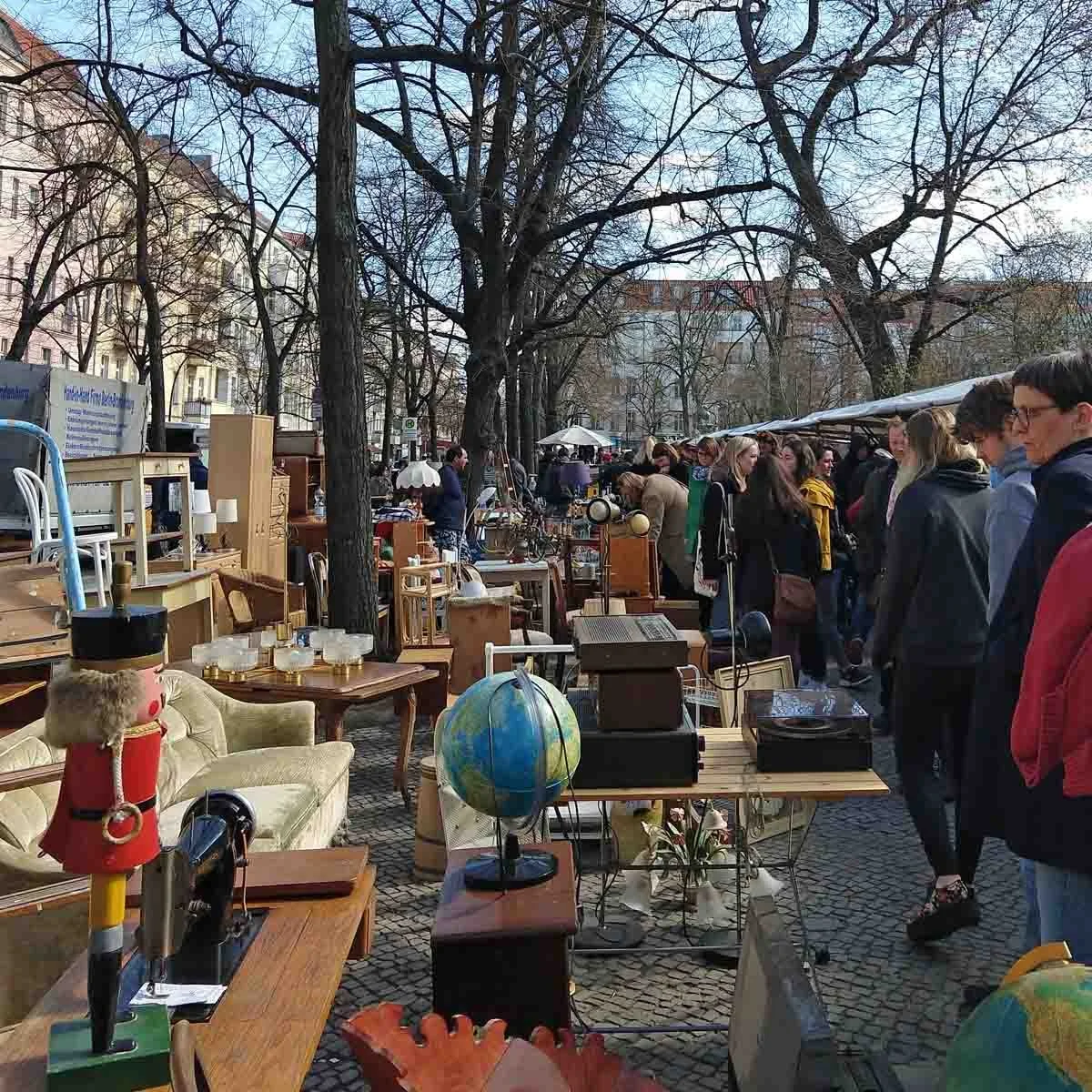
I worked with a Berlin furniture maker who built all our case goods: dining tables, bedroom storage, entry pieces, media consoles. The cost wasn't dramatically more than quality production furniture. The difference was that everything fit exactly, proportionally, dimensionally, functionally.
Spring is good timing here because of lead time. Custom pieces typically take 12–16 weeks. Commission now, take delivery in late summer or fall.
The process: I design the piece with exact dimensions and specifications, you approve drawings, fabrication starts. No surprises when it arrives. If you have a wall that's a specific width or a ceiling with an unusual height, we account for it before anything gets built.
Investment: Custom case goods typically run $4,000–$12,000 depending on size and complexity. Yes, more than off-the-shelf. Also furniture you keep for twenty years.
4. Actually Finish One Wall
This is the update I see deferred most often. Art hung at tentative heights, surfaces covered with unrelated objects, lone pieces on walls that clearly need companions but never get them. The intention is there. The follow-through isn't.
Rather than trying to address your whole house, pick one surface and complete it properly. One gallery wall. One entry console. One dining room sideboard. Finish it, do it well, and leave it alone.
A few things that make the difference:
For gallery walls: mix frame sizes and orientations (matching frames read corporate), keep spacing consistent at 2–3 inches between pieces, include variety in content. And leave some negative space. A wall doesn't have to be full to be finished.
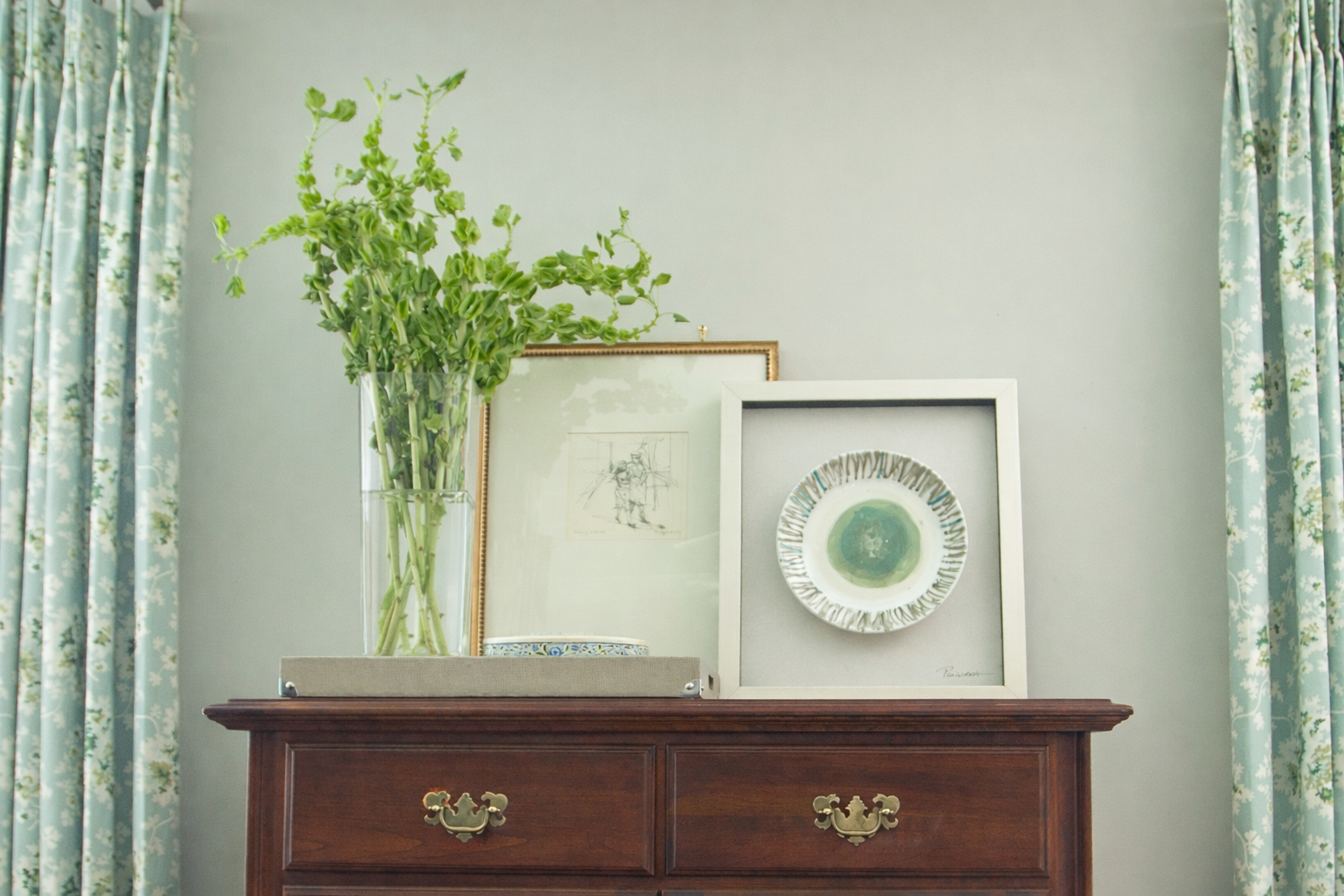
For styled surfaces: group in odd numbers, vary heights, edit down to what you actually love. The most common mistake I see is too much, not too little. I remove more than I add when I style clients' existing collections. The objects are usually fine, they just need editing and room to breathe.
What makes professionally styled spaces look different isn't adding more things. It's restraint, proper spacing, and the confidence to leave something out.
Investment: $0 if you're working with what you own. $500–$2,000 if you're adding a few pieces. I offer styling consultations at $500–$800 if you want a second set of eyes on what you already have.
5. Deal With the Flooring
I know. It's the update people avoid because it feels like the most disruptive. But spring is genuinely the right time — you can open windows, move furniture outside, and you're not about to host Thanksgiving.
If you've been living with builder-grade carpet, worn hardwood, or LVP you've never loved, this is the year. Flooring affects every single day you're in your home. It deserves actual consideration.
What I specify in Colorado homes:
For main living areas, wide-plank white oak — 5–7 inch planks — is the answer almost every time. It works in Centennial ranches, Castle Pines new construction, and Littleton historic homes equally well. Natural matte finish. It ages beautifully in a way engineered products don't.
For bedrooms, I'll say something controversial: I like good carpet. Wool, properly padded. Not builder nylon. It's warm, quiet, and comfortable in a way hardwood isn't at 6am in February.
For kitchens and bathrooms: large-format tile (12x24 or bigger) or natural stone. Small mosaics are beautiful until you're cleaning the grout every weekend. And if you're doing a bathroom renovation, heated floors. Colorado mornings are cold and you will not regret it.
For entries: durable stone or porcelain that can handle wet Colorado boots and muddy dogs. This is not where you want precious materials.
Investment: $8–$15 per square foot for quality hardwood installed, $12–$25 for natural stone, $6–$12 for good tile. Main level flooring in a typical Centennial or Highlands Ranch home runs roughly $10,000–$30,000 depending on materials and square footage.
One Last Thing About Spring Refreshes
The updates that make real impact aren't the ones from trend reports. They're the ones that solve problems you've been quietly living with; windows that finally work, lighting that functions after dark, a piece of furniture that actually fits, a wall that's properly finished, floors you're genuinely glad to walk on.
Spring has a way of making these things visible. The light comes back, you look around, and suddenly you know exactly what needs to change.
If you're in Centennial, Castle Pines, Highlands Ranch, or Littleton and are noticing what's not working; sometimes you just need someone to name the problem and give you a plan. That's what consultations are for.
If this was useful, these might be too:
Jamie House Design offers interior design consultations, room design services, and full-service design for residential clients in Centennial, Castle Pines, Highlands Ranch, and Littleton, CO.
What 23 Years as an Interior Designer Teaches You
Today's my birthday. Twenty-three years ago I graduated from Texas Tech, walked into my first design job in Dallas, and had my car engine implode before I'd received my first paycheck. That felt about right for what this career had in store.
Twenty-three years. Three continents. More cities than I can count. And somehow I ended up back in Colorado, living and designing in Centennial, working on 1970s ranch kitchens and an Illinois farmhouse (I KNOW I talk about working locally, and I truly live that, but if you’re a repeat client that’s renovating your out-of-state family compound then I’m in).
If you'd told 23-year-old me, the one terrified on her first day at a prestigious Dallas design firm, that this is where the path led, I wouldn't have believed you.
The Beginnings
My first real job out of school was at Lee Jofa in Dallas. If you know textiles, you know Lee Jofa; luxury fabrics, to-the-trade only, the kind of place where designers come to source for clients who expect the best.
I was 23, coordinating the sample room, merchandising the showroom, trying desperately to learn the difference between damask and jacquard fast enough that nobody noticed I was still figuring it out.
On my first day, literally my first day, I was driving home to Fort Worth and my car engine basically imploded. Before I'd even gotten my first paycheck. I ended up cashing in the savings bonds my Grandpa had given me every Christmas to buy a new to me car. Nothing like starting your design career by figuring out how to hustle before you've even learned what damask is.
Six months later I got hired at Hayslip Design Associates. This was, and I cannot stress this enough, not a job for someone who wasn't ready. High-profile clients. Huge period accurate homes. The level of custom design and detail is something I didn’t even know existed. The kind of projects where you flew on private planes (no photos, client privacy!) and everything had to be perfect. As high pressure as it gets for a new designer.
I started as a design assistant to the firm's owner. Within a year I was managing projects. Looking back, I have no idea how I didn't completely mess everything up. Probably because I was too scared to make mistakes, so I checked everything three times, still do.
That job taught me that luxury design isn't only about expensive things, it's about getting every single detail right. It's about understanding why crown molding profiles matter and how antiques tell stories and what "discretion" actually means when you're working in people's homes.
Houston
I moved to Houston in 2005 and spent seven years at Sharon Staley Interiors.
Sharon's firm did serious residential projects, 12,000 square foot new construction, historic renovations, vacation homes, everything. I managed projects from programming through installation. Designed custom millwork. Coordinated contractors. Held clients' hands through the chaos of construction while simultaneously making sure the tile setter understood exactly how that mosaic pattern needed to lay out.
The highlight: a 14,000 square foot new construction project in Houston's Memorial neighborhood where the clients got married at the house during construction. We're talking wedding ceremony with framing still exposed and subfloor underfoot. I've never been so stressed about a timeline in my life, but we made it happen.
I also got to design a project in the Cayman Islands. And a hunting lease on the King Ranch that we took a helicopter to reach. And countless Houston homes where I learned that good design solves problems, it doesn't just look pretty.
Going International
In 2011, before officially launching Jamie House Design, I left Sharons and almost immediately took on the most ambitious project of my career: partnering with a Houston architect on an American style subdivision in China.
Wuxi, specifically. A couple of hours from Shanghai. I flew back and forth multiple times, with shopping trips in Hong Kong for furnishings and materials. Worked remotely on high-rise clubhouses in Shanghai. Navigated language barriers, time zones, cultural differences, and the reality that culture differences means a lot of confusion, something very different in China than Texas. I learned to work in meters instead of feet.
Would I do it again? Probably not. Am I glad I did it? Absolutely. Some experiences you can't get any other way.
After China I continued designing homes in Houston from mid-century modern remodels to new constructions in the burbs to many renovations in my own neighborhood The Heights.
Berlin
In 2015 we moved to Berlin. My husband and I had wanted to live there since visiting in 2011, something about the history, the feel of the city, the different way of approaching design and life.
We stayed almost five years.
Berlin apartments are nothing like American homes. Small spaces, old buildings, radiator heat, windows that open in ways that still confuse me. But the design sensibility, the mix of historic and modern, the way people layer vintage with contemporary, the acceptance of imperfection and patina, that changed how I think about interiors.
I designed homes Houston homes from there, and our own beloved Altbau. I figured out how to communicate clearly and directly, both with clients and the locals. I absorbed a completely different aesthetic that still influences every project I do now. Berlin still calls sometimes.
My first headshot, by Brooke Schwab
Coming Home (Or: Why Colorado?)
We moved to Denver in 2020 and settled in Centennial. After Berlin, Shanghai, Houston, the Cayman Islands, why here?
Honest answer: I’m from Colorado Springs, but I’ve always loved the idea of suburban Colorado. And I love Centennial. I want to work on projects near my own home. I wanted to understand local architecture deeply, the 1970s Centennial suburban homes, the Victorian cottages in Old Town Littleton, the new constructions in Castle Pines, not just visit occasionally from somewhere else.
I spent 15 years designing internationally. It was incredible. I learned things I couldn't have learned staying in one place. But at some point you realize: I want to be the designer that’s settled, family first, who has a stake in the place you live, who loves this area too, who's at the same tile shops and hardware stores you'd go to, who can recommend contractors because I've seen their work.
So now I work exclusively in South Denver suburbs. Within 20 minutes of Centennial. That's it. No projects in Boulder, no work in the mountains, no traveling to other states. I wanted to understand local architecture deeply; the 1970s Centennial suburban homes, the Victorian cottages in Old Town Littleton, the new constructions in Castle Pines; not just visit occasionally from somewhere else. After 15 years designing internationally, I wanted to be the designer with a stake in the same place my clients live.
In 2025, Centennial residents voted me their Platinum Interior Designer and Platinum Interior Decorator, two different categories, same neighborhood. That meant something to me. Not because of the award itself, but because it meant people here know my work.
What I've Learned
Twenty-four years in this career, here's what I know:
Good design solves actual problems. It's not about making things look pretty (though they should). It's about making your kitchen function better, your primary suite feel like an actual retreat, your living room work for how you actually use it.
Local knowledge matters more than I thought it would. When I work on a 1985 Centennial split-level, I know that era's floor plan challenges because I've solved them before. When I renovate a Craftsman bungalow in Littleton, I understand what details are worth preserving. You can't get that from flying in occasionally.
The best projects feel like the client, not like me. I have aesthetic preferences. Everyone does. But when someone walks into their finished home and says "this is exactly me," that's success. When they say "this is so you," I've failed.
Mix sources strategically. Commercial tile plus handmade accents. New lighting for basics, vintage for statement pieces. Budget materials where nobody looks, investment materials where it matters. This creates homes with layers and personality. Every time I choose natural materials over synthetic, or suggest leaving a wall in its original plaster rather than drywalling over it, that's Berlin talking.
Mid-century modern renovations are my favorite. Something about the clean lines, the connection to landscape, the opportunity to honor what's good about the original architecture while making it function for modern life. Give me a 1965 ranch any day.
What I'm Doing Now
I'm designing homes in Centennial, Castle Pines, Highlands Ranch, and Littleton. Kitchen renovations, primary suite additions, whole-home transformations, historic restorations. Projects where architectural thinking matters as much as aesthetics.
I offer three ways to work together; consultation for people who want expert direction but will manage execution themselves, partial design for specific phases, full-service for complete management. All three can result in homes people love. They just serve different needs.
I source from everywhere, local Colorado craftspeople, vintage dealers, Etsy makers, trade-only showrooms, custom fabricators. Whatever creates the right result for that specific project.
I work with people who value quality over trendy, who want their homes to feel like theirs (not mine), who understand that good design takes time.
Twenty-Three Years Later
That 23-year-old walking into her first design job in Dallas had no idea what she was signing up for. The international projects, the moves, the learning curve, the occasional helicopter ride to a Texas ranch. The beautiful creative people that are forever etched in my heart, clients, colleagues, and tradesmen I’ve had the pleasure of working with.
But here's what that 23 year old got right: she chose a profession where you're always learning. Where every project is different. Where you get to solve problems and make spaces that improve people's daily lives.
Twenty-three years in, I still love it.
If you're in Centennial, Castle Pines, Highlands Ranch, or Littleton and thinking about what your home could become, I'd love to hear about it. Start with a discovery call, no commitment, just a conversation.
Related Articles:
About the Author
Jamie House is an award-winning interior designer serving Centennial, Littleton, Castle Pines, and Denver’s South Metro. With a Bachelor of Interior Design from Texas Tech University and over 20 years of experience in luxury residential design, she specializes in kitchen and bath remodels, whole-home renovations, and historic restorations. Her work has been featured in Country Living, Houston Chronicle, and Design Sponge.
Schedule a Consultation | View Portfolio | Read More Articles
Designing for the Life You're Living: How to Make Your Home Work Better (Without It Looking Like You Tried)
Your kids dump backpacks by the front door. Mail piles up on the kitchen counter. Everyone's phones charge in a tangled mess on the dining table. The coat closet is bursting and nobody can find anything. Meanwhile, your formal living room sits empty, decorated beautifully and completely unused.
Sound familiar?
This is what happens when homes are designed for how we think we should live instead of how we actually do live.
After two decades designing homes from Berlin to Centennial, I've learned something essential: the best-designed homes don't look designed. They look effortless. They accommodate the messy reality of daily life while still feeling calm and beautiful.
That's not magic. It's intentional planning.
Let me show you how to design a home that serves your real life, not some Instagram-perfect fantasy, without sacrificing beauty or making it obvious that you planned for chaos.
The Gap Between Aspiration and Reality
Here's the uncomfortable truth: most of us design for the life we wish we had, not the one we're living.
You want to be the person who hosts dinner parties every weekend, so you design a formal dining room with seating for twelve. In reality, you eat at the kitchen counter six nights a week and use the dining table twice a year.
You imagine leisurely mornings reading the paper in your breakfast nook. In reality, everyone grabs food on the run while looking for lost permission slips and car keys.
You picture your kids playing quietly in the designated playroom. In reality, they spread toys across the living room floor every single day because that's where you are.
There's no judgment here. Life is messy and busy and rarely matches our idealized vision. The problem is when we design spaces for our aspirational selves and then get frustrated when our actual selves can't maintain them.
I see this constantly in Highlands Ranch and Centennial: families renovating homes with beautiful but impractical choices. White sofas in houses with three kids under ten. No mudroom in a home where everyone plays sports. Kitchen layouts designed for catering-level entertaining that make daily cooking harder.
The solution isn't lowering your design standards. It's designing for reality first, then making it beautiful.
What "Designing for Real Life" Actually Means
Designing for real life means two things:
First, you acknowledge how you actually spend your time at home, not how you think you should spend it.
If you never use your formal living room, stop pretending you will. If your family gathers in the kitchen, design that space to accommodate everyone comfortably, even when it's chaotic.
Second, you build in systems that handle the inevitable mess of daily living without requiring constant heroic effort to maintain.
This doesn't mean giving up on beauty or settling for "good enough." It means designing spaces that work with your habits, not against them.
The homes that feel effortless are the ones designed with this honesty. They don't require you to become a different person to keep them looking good.
The Diagnostic Question: Where Does Your Stuff Live?
Before we talk solutions, you need to understand your patterns. Walk through your home and notice where things naturally accumulate:
Where do backpacks and shoes land when people walk in?
This is where you need storage, whether or not it's architecturally the "right" place for a mudroom.
Where does mail pile up?
This is where you need a mail sorting system, probably with recycling immediately adjacent.
Where do phones get charged?
This tells you where outlets and charging stations need to be built in.
Where do kids' toys migrate?
Don't fight this. Design storage in that space, even if it's your living room.
Where do you actually sit and relax?
That's the space that needs to be comfortable and accommodating, not the formal room you never use.
Where do clean dishes sit before getting put away?
Your dish storage might be in the wrong location, or you might need a more accessible system.
These patterns reveal the truth about how you live. Your job isn't to change the patterns (you've been trying that for years; it doesn't work). Your job is to design for them.
Strategic Storage: Hidden Systems That Actually Work
The difference between a cluttered home and an effortlessly tidy one often comes down to one thing: storage designed for your actual stuff. Not storage in general. Storage for the specific items that cause chaos in your home.
The Mudroom (Even If You Don't Have One)
If you have young kids, play sports, or live in Colorado where seasons require different gear, you need a mudroom. Not a coat closet. A proper mudroom with:
Dedicated zones per person
Each family member gets a hook for jackets, a cubby for bags, and a basket or drawer for their specific gear. When everyone has their own designated spot, there's no excuse for dumping stuff on the floor.
Seating for putting on shoes
A built-in bench or simple boot bench means people actually sit down to deal with footwear instead of balancing awkwardly and kicking off shoes wherever they land.
Shoe storage that's realistic
Not a cabinet with doors that nobody closes. Open cubbies or baskets where shoes can be tossed. Colorado families might need 6–10 pairs of shoes per person accessible (sneakers, boots, hiking boots, sandals, dress shoes).
Space for bags and gear
Lower hooks for kids' backpacks, higher hooks for adult bags. Baskets for sports equipment, bike helmets, reusable grocery bags.
Don't have a mudroom? Create one wherever people actually enter. A section of your garage, a wall by the side door, even a dedicated zone in your kitchen. Location matters less than function.
Investment: A professionally designed built-in mudroom system costs $3,000–$8,000 depending on size and finish. A simpler version using wall-mounted organizers and furniture runs $800–$2,000. Either way, it's worth it.
The Kitchen Command Center
Kitchens accumulate paperwork, keys, phones, and general life admin because that's where families naturally gather. Instead of fighting this, design for it:
A dedicated mail/paper zone
A shallow drawer or basket specifically for incoming mail, immediately next to recycling so you can sort and discard. Add a shredder nearby for documents that shouldn't go in regular recycling.
A charging station
Either a drawer with built-in outlets (so phones charge out of sight), or a small counter area with a multi-device charging dock. Cables stay organized, phones aren't cluttering the counter.
A household calendar/message board
Whether it's a chalkboard, whiteboard, or digital display, you need a visible place where everyone can see schedules and leave messages.
Key hooks
Placed exactly where you drop keys when you walk in. For most people, this is within five feet of the door they use most often.
The investment: Built-in charging drawers add $300–$800 to cabinetry cost. A dedicated command center zone costs $1,500–$4,000 as part of a larger kitchen project, or you can create one with wall-mounted organizers for $200–$600.
Living Room Toy Storage (Yes, in Your Living Room)
If you have young kids, they will play in your living room. You can fight this reality or design for it.
Built-in storage that disappears
Lower cabinets in built-in shelving units become toy storage. Doors keep it hidden but accessible. When kids outgrow toys, the same cabinets hold books, games, or media components.
Baskets and bins that match your aesthetic
Beautiful woven baskets hold toys but look like intentional décor. At the end of the day, everything gets tossed in baskets and the room looks tidy.
Furniture with hidden storage
Ottomans that open for storage, coffee tables with drawers, console tables with cabinets. Every piece can serve dual purposes.
The investment: Built-in living room storage runs $4,000–$12,000+ depending on size and finish. Standalone storage furniture (ottomans, baskets, storage benches) costs $400–$2,000 total.
For Highlands Ranch and Centennial families, this is non-negotiable. You can have a beautiful living room or you can pretend kids won't play there. You can't have both without smart storage.
Layout Decisions That Accommodate Real Life
Storage is only part of the equation. Layout determines whether your home flows naturally or fights against how you move through it.
The Kitchen Triangle Is Dead (Long Live the Kitchen Work Zones)
The traditional kitchen triangle (sink, stove, fridge) made sense when one person cooked. Modern families need work zones:
Prep zone (near the sink)
Counter space for chopping, mixing bowls, cutting boards. Drawers below for knives, peelers, and prep tools.
Cooking zone (near the stove)
Landing space for hot pots, oils and spices within arm's reach, utensil drawer immediately adjacent.
Beverage station (away from main cooking area)
Coffee maker, kettle, and mugs accessible without interfering with whoever's cooking. Bonus points for a small snack drawer kids can access independently.
Homework/laptop zone (at the island or a desk nook)
Somewhere kids can do homework or adults can work on laptops while still being part of the kitchen activity. Needs outlets, good lighting, and enough depth that papers don't get in the way of meal prep.
This approach means multiple people can work in the kitchen simultaneously without bumping into each other, critical for morning chaos or when you're cooking while kids need help with homework.
Open Concept Done Right (Not Just Bigger)
Everyone wants open concept, but few people design it properly. Opening up space without thinking about zones creates one giant room where nothing has a purpose.
Define zones within the open space:
Conversation area in the living room, seating arranged so people can actually talk, not just all face the TV.
TV watching area, often separate from conversation seating unless your family genuinely gathers to watch together.
Dining area, whether it's a formal table or an island with stools, needs to accommodate your real eating habits.
Homework/activity zone, usually at the kitchen island or a desk nook where kids work while parents cook.
Use furniture arrangement, rugs, and lighting to define these zones. When you walk into the space, it should be clear where each activity happens.
The Primary Suite Reality Check
Your primary suite should be a retreat, but only if you're honest about how you use it.
If you watch TV in bed, design proper TV placement with outlets and cable management. Don't pretend you're going to read by lamplight every night if you've been falling asleep to Netflix for ten years.
If you do laundry late at night, having washer/dryer access near your bedroom matters more than a soaking tub you'll never use.
If you get ready at different times than your partner, a separate vanity or two-sink setup isn't luxury, it's logistics.
If you work from home sometimes, a small desk or reading nook in your suite gives you private workspace without commandeering a guest room.
Durable Materials for Actual Living
Beautiful materials that can't handle real life are worse than ugly materials that work. The goal is both: beautiful and durable.
Flooring That Handles Everything
What works in active households:
Luxury vinyl plank (LVP) has come so far that high-quality versions are virtually indistinguishable from real hardwood. They're waterproof, scratch-resistant, and warrantied for 20+ years. Perfect for mudrooms, kitchens, and high-traffic areas.
Engineered hardwood is more durable than solid hardwood and handles Colorado's climate better. Matte or hand-scraped finishes hide wear better than glossy.
Tile works great for entries, mudrooms, and bathrooms. Choose matte or textured finishes that don't show every water spot.
What to avoid in high-traffic areas:
Solid hardwood scratches easily and shows every ding. Save it for low-traffic rooms or accept that it will show wear.
Glossy tile shows every footprint and water spot. Matte is more forgiving.
Light grout turns dark within months. Choose grout that matches your tile or go for mid-tone grays.
Countertops That Take Abuse
Quartz is nearly indestructible, doesn't need sealing, and comes in endless colors and patterns. This is the practical choice for busy kitchens.
Quartzite offers the beauty of marble with significantly better durability. Needs sealing but holds up to daily use better than softer stones.
Avoid marble and limestone in kitchens unless you're prepared for patina and accept that it will etch, stain, and age visibly. Some people love this (I do), but if it will stress you out, choose something more durable.
Fabrics and Upholstery
Performance fabrics have evolved beyond that plasticky feel. Crypton, Sunbrella, and high-performance velvets repel stains and liquids while looking and feeling luxurious.
Leather is incredibly durable and actually gets better with age. Small scratches and marks become part of its character. Great for families with pets.
Natural linen isn't as fragile as people think, especially heavier linens. It softens with use and minor wrinkles are part of its charm. Machine-washable slipcovers make this practical even with kids.
Avoid delicate silks and velvets in high-use areas unless they're performance versions. Save fragile fabrics for accent pillows and spaces that don't take constant wear.
The Art of Making Function Look Intentional
Here's the secret: the most functional homes don't look like they're designed for function. They look curated, thoughtful, and effortless.
This comes down to details:
Hidden technology
TVs concealed in cabinetry when not in use. Speakers built into ceilings. Charging cables routed through furniture. Router and modem hidden in a cabinet with ventilation.
Dual-purpose furniture
Ottomans that provide storage. Coffee tables with drawers. Console tables that work as desks. Every piece earning its place by serving multiple needs.
Thoughtful lighting
Dimmers on everything so you can adjust mood. Task lighting where you need it (under cabinets, inside closets, at desks). Ambient lighting that makes spaces feel warm without harsh overhead glare.
Consistent color palette
Storage bins and baskets in colors that coordinate with your overall scheme. Even functional items contribute to the aesthetic when they're thoughtfully chosen.
Proper scale
Furniture sized appropriately for your space. Not too big (makes rooms feel cramped), not too small (makes rooms feel empty and uncomfortable).
The goal isn't to hide that you live in your home. The goal is to accommodate life without visual chaos.
Room-by-Room Reality Check
Let's walk through common spaces and talk about what actually works:
Entry/Mudroom
Hooks for every family member (not a shared coat closet nobody uses)
Shoe storage that holds 6–10 pairs per person
Basket for each person's daily items (wallet, keys, sunglasses)
Bench for putting on shoes
Umbrella stand
Dog leash hooks if you have pets
Kitchen
Landing space near every appliance
Deep drawers for pots and pans (more useful than cabinets)
Outlet every 4 feet of counter
Pull-out trash and recycling in an easy-to-access spot
Charging station built into cabinetry or designated counter area
Seating that fits your real life (island stools if you eat casually, table if you need more formal meals)
Living Room
Seating arranged for conversation, not just TV-watching
Coffee table at proper height (16–18" from seating for comfort)
Storage for whatever accumulates there (remotes, books, kids' toys)
Adequate lighting (multiple sources, all dimmable)
Surfaces (side tables, consoles) for lamps, drinks, and decorative items
Primary Bedroom
Blackout shades or curtains for sleep quality
Nightstands with storage and charging capability
Seating (bench, chair, or small sofa) that's not the bed
Adequate closet space with logical organization
Lighting that serves different needs (reading, ambient, task)
Kids' Bedrooms
Low storage they can access independently
Durable materials that can handle wear
Homework space with good lighting and outlets
Toy storage that's easy to use (bins, baskets, low shelves)
Room to grow (avoid theme rooms that won't age well)
Bathrooms
Storage for actual toiletries (not just decorative soap)
Outlets near the vanity for styling tools
Ventilation that actually works (prevents mold and moisture damage)
Lighting that's flattering but functional
Toilet paper within easy reach
When to Hire a Designer for Functional Planning
You can implement many of these strategies yourself. But professional designers earn our fees by seeing problems before they become mistakes.
A designer helps you:
Identify patterns you don't notice
We observe how you live and spot issues you've become blind to.
Design storage that's actually sufficient
Most people underestimate their storage needs by 30–50%. We calculate what you actually need.
Optimize layouts before construction
Moving a doorway or adjusting a kitchen layout during design costs nothing. Doing it after construction costs thousands.
Source durable materials that look beautiful
We know which performance fabrics feel luxurious, which flooring holds up, which countertops take abuse.
Make function look intentional
This is our specialty. Hiding the practical elements while making everything feel curated and beautiful.
For projects in Centennial, Castle Pines, Highlands Ranch, and Littleton, I start every project by observing how families actually live. Not how they want to live, how they do live. Then we design for that reality while making it beautiful.
The Homes That Work Best Are Honest Homes
After 20+ years designing homes throughout the US and internationally, I've learned this: the homes people love most aren't the ones with the most expensive finishes or the trendiest aesthetics.
They're the homes that work effortlessly.
Where you can cook dinner while kids do homework without bumping into each other. Where everyone has a place to put their stuff so it's not piled on counters. Where you can clean up in 10 minutes because everything has a logical home. Where durable materials mean you're not constantly worried about damage.
These homes don't look designed for function. They look beautiful, curated, and effortless. But that effortlessness is intentional. It comes from honest planning that acknowledges reality instead of aspiration.
Your home should serve your real life, not some Instagram-perfect fantasy. And it can do that while still being beautiful. That's not compromise. That's good design.
Ready to Design for Your Real Life?
Jamie House Design works with families throughout Centennial, Castle Pines, Highlands Ranch, and Littleton to create homes that are both beautiful and genuinely functional. We start by understanding how you actually live, then design spaces that work with your habits, not against them.
Three ways to work with me:
Design Consultation
2-3 hour in-home assessment where we observe how you live, identify problem areas, and provide practical solutions you can implement yourself or with contractor support.
Partial Design Services
Professional space planning and material selections for specific rooms or projects. We handle the design thinking while you manage execution.
Full-Service Design
Complete project management from concept through installation. We design functional, beautiful spaces and coordinate every detail so you get a home that works effortlessly.
Schedule a consultation to discuss how we can make your home work better for your real life.
Related Articles:
About Jamie House Design
With 20+ years of experience designing homes for real families (not just magazines), Jamie House specializes in creating spaces that are both beautiful and actually livable. Based in Centennial, she works exclusively within South Denver suburbs, designing homes that accommodate the messy reality of daily life while maintaining aesthetic standards.
Service areas: Centennial, Castle Pines, Highlands Ranch, Littleton, Cherry Hills Village, Greenwood Village, Lone Tree