Why Would I Hire an Interior Designer?
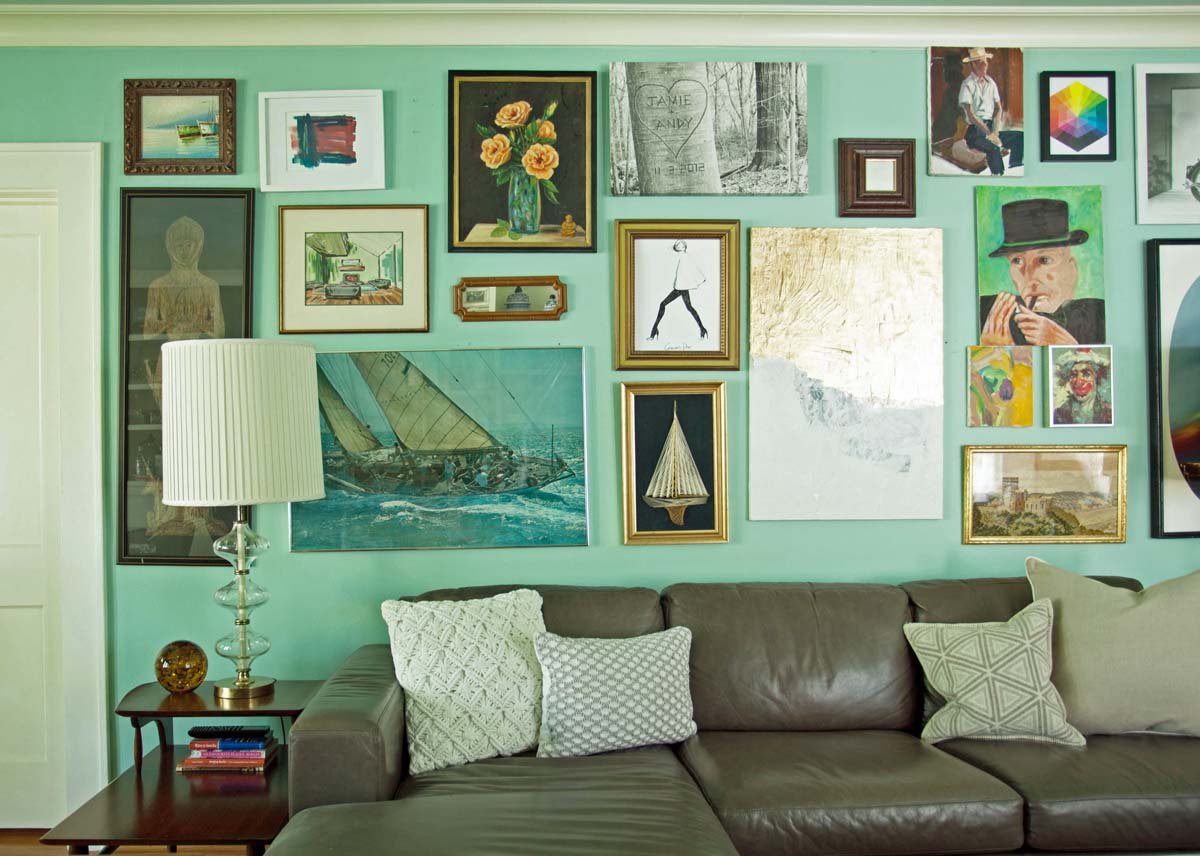
Most people in Centennial, Littleton, and Highlands Ranch first steps are to hire a general contractor when they want to renovate. The GC handles the project, the subs show up, things get built. It works. But at some point in almost every renovation managed this way, the homeowner ends up standing in a half-finished kitchen making decisions they're not equipped to make; about tile, about cabinet hardware, about whether the island should be 36 or 42 inches wide, without anyone in the room whose job it is to know the answer.
That's the gap an interior designer fills. Not the building part.
The knowing part. The vision part.
The short version
An interior designer figures out what your home should be, specifies every material and finish required to get it there, and manages the process of making it happen. That's it. Everything else; the creativity, the sourcing, the contractor coordination, the site visits, the problem-solving when something arrives wrong, is in service of those three things.
What designers actually work on
The scope varies by project, but interior design typically covers some combination of the following:
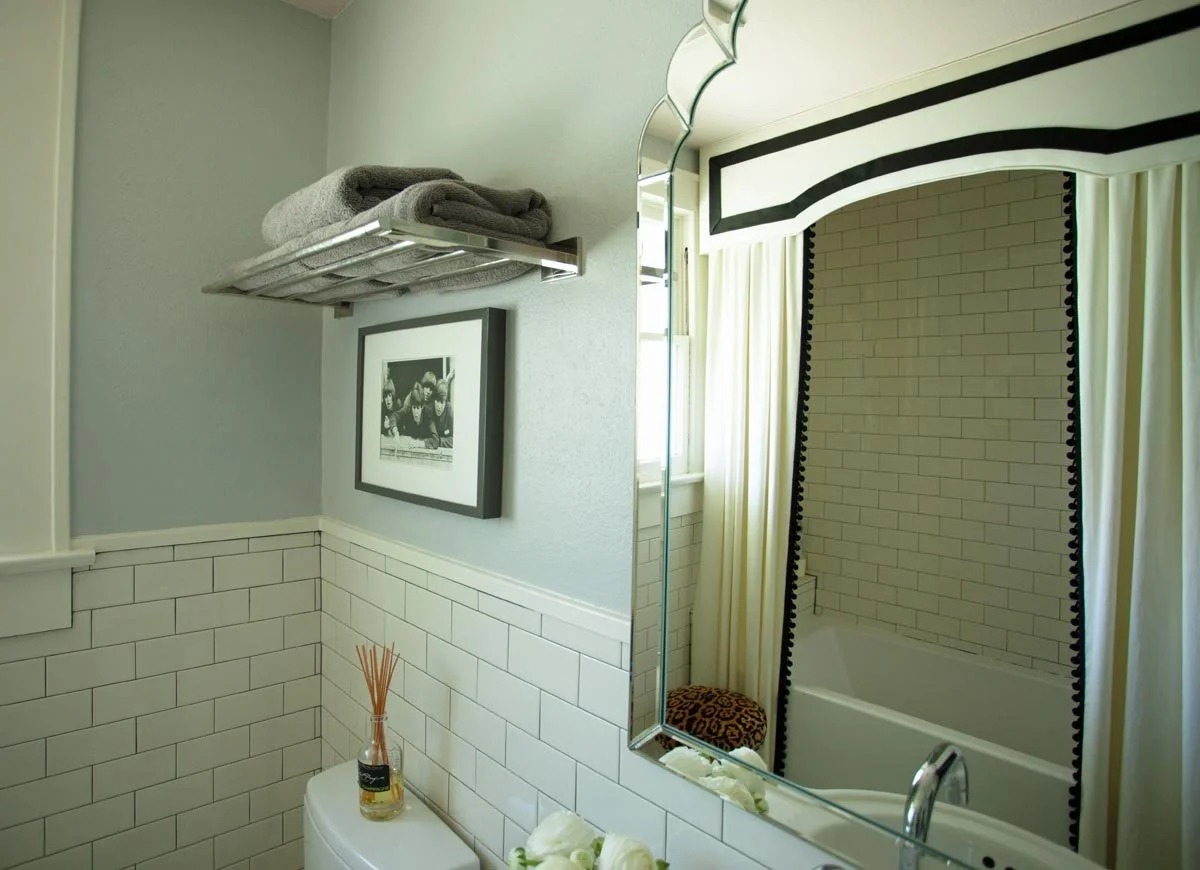
Space planning is where most projects start. Before anything is selected or purchased, the layout has to work. Where does traffic flow? How does the kitchen function for the way this family actually cooks? Does the primary suite layout allow two people with different morning routines to use it simultaneously without conflict? These are design questions before they're construction questions, and getting them right at the planning stage is far less expensive than fixing them after the walls are built.
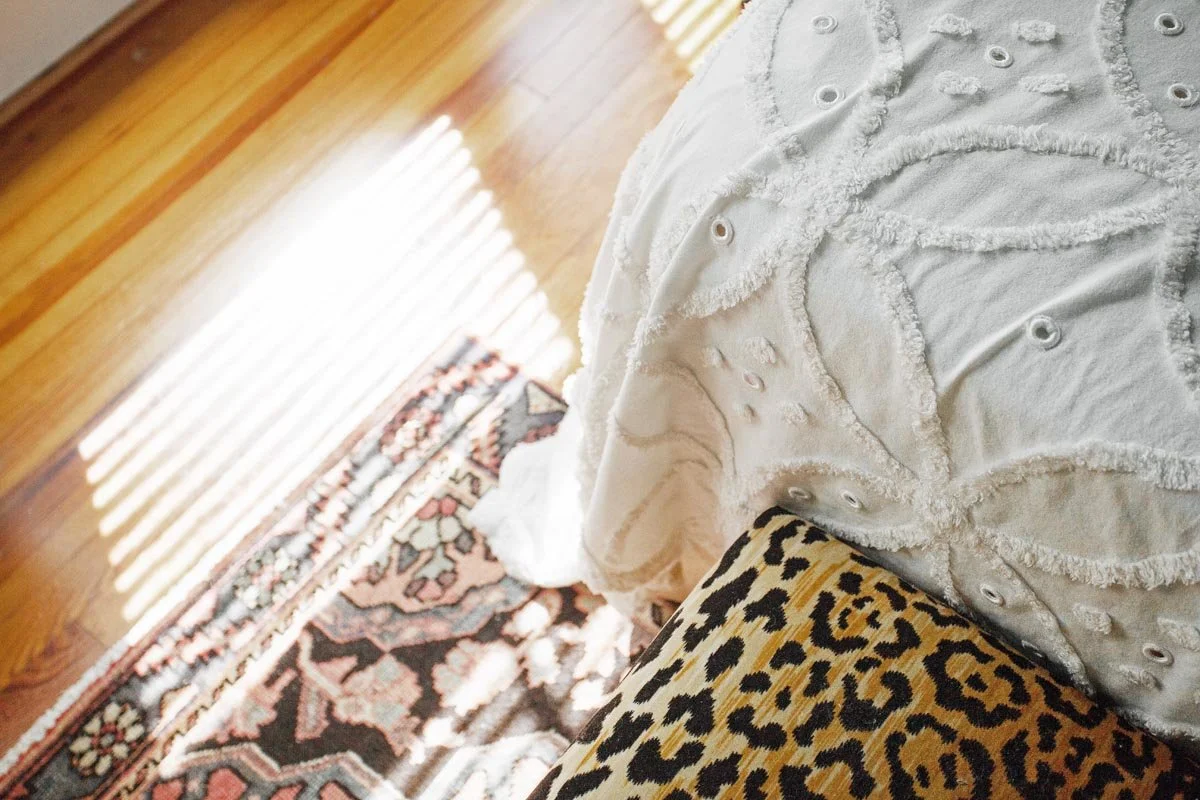
Finish selections; flooring, tile, countertops, cabinetry, paint, are what most people think of as interior design. They're a significant part of it. A designer brings knowledge of how materials perform over time, how they photograph versus how they actually look in your specific light, and which combinations will feel cohesive in five years versus which ones will feel dated. These decisions happen fast on a construction timeline, and making them without preparation is how projects end up with regret.
Furniture and lighting plans determine how a room feels to be in. Scale, proportion, traffic flow, the relationship between seating areas and natural light, these require spatial thinking that most people don't naturally have and don't realize they're missing until the furniture arrives and the room feels off without anyone being able to say why.
Contractor coordination means that someone other than you is communicating design intent to the people building it. Contractors are skilled at construction. They are not always skilled at interpreting design decisions, and when something is unclear or arrives wrong, the path of least resistance is to make a substitution that works structurally but wasn't what anyone intended. A designer catches those moments.
Procurement, sourcing and ordering the furniture, fixtures, and materials, is its own project management job. Lead times, damaged shipments, discontinued items, coordination with installation schedules. On a full-service project this is handled for you.
What designers don't do
A designer is not a GC and doesn't replace one. We don't pull permits, manage subcontractors, or guarantee construction timelines. We work alongside builders and contractors, specifying what needs to happen and verifying that it does.
A designer is also not an interior decorator, though the terms get used interchangeably. A decorator works with what's already there; furniture arrangement, accessories, styling. A designer works from the architecture outward, including structural and finish decisions that happen before any furniture is selected. Most designers do both. They're different scopes.
Why it matters in South Denver specifically
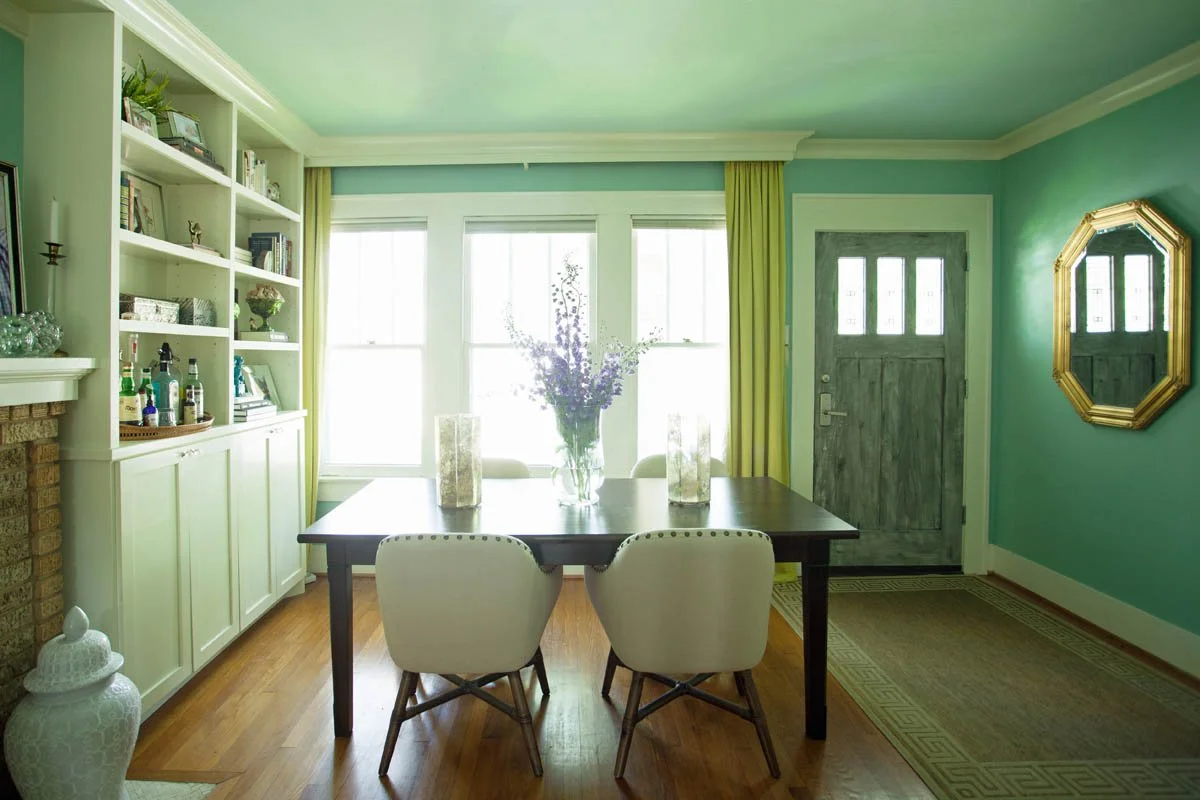
The South Denver suburbs; Centennial, Littleton, Highlands Ranch, Castle Pines, have a specific housing stock. A lot of it was built between 1975 and 2005, which means good bones, functional layouts, and finishes that are twenty to forty years old. These homes renovate beautifully when the design decisions are made thoughtfully. They also absorb a lot of money without improving much when they're renovated by someone guessing.
New construction in Castle Pines and parts of Highlands Ranch has a different problem: builder-grade finishes applied to genuinely good architecture, and a design center process that gives you limited choices within a narrow band of options. A designer working alongside new construction can change what the house becomes before it's built.
In both cases, the value isn't the creativity. It's the knowledge applied to your specific situation before expensive decisions get made.
The honest answer about cost
Design services cost money. A full-service project includes the designer's fee in addition to the construction and material costs. For some projects and some budgets, that's not the right fit.
But the calculation isn't "design fee versus no design fee." It's "design fee versus the cost of the decisions that get made wrong without one." Tile that has to come out. A layout that doesn't work. Furniture that doesn't fit. A kitchen that functions poorly for the next fifteen years. These are expensive in ways that don't show up as a line item.
Full-service design: $35,000–$100,000+. Partial services: $8,000–$45,000. Consultation: $500, credited toward full-service within 60 days.
If you're planning a renovation in Centennial, Littleton, Highlands Ranch, or Castle Pines and aren't sure whether you need a designer or what that would even look like for your project, a consultation is the right place to start. Two hours, your house, your questions.
If this was useful, these might be too: