

Bespoke Interior Design for Littleton CO’s Most Refined Homes
Where International Sensibility Meets Colorado Living
Littleton has more range than most people give it credit for. Downtown Littleton's historic bungalows and craftsman homes require a completely different sensibility than the mid-century ranches in the established neighborhoods to the north, or the newer construction along the Platte River corridor.
I've worked in all of them, and the approach shifts with the architecture every time.
What Littleton homeowners tend to have in common is that they've been in their homes long enough to know what isn't working, a kitchen that doesn't function, a primary bedroom that never became a retreat, a living room that looks fine in photos but never feels right in person. These aren't decorating problems. They're design problems, and the fix usually starts somewhere structural before it becomes about furniture and finishes.
My work in Littleton includes a full mid-century restoration that honored every original detail worth keeping, and a historic renovation with addition that earned a design award. Both required understanding the architecture before touching anything. That's how I work everywhere, but Littleton homes make it especially clear why it matters.
Why Clients Choose Jamie House Design for Littleton CO Homes
HISTORIC HOMES NEED MORE THAN A DECORATOR
Littleton's bungalows, craftsman homes, and mid-century ranches have real architectural character. I know how to work with it and when to fight to protect it.
RENOVATION EXPERIENCE THAT GOES STRUCTURAL
Additions that feel like they were always there. Kitchens that work with the original floor plan instead of against it. This is what architectural training makes possible.
NO COOKIE CUTTER SOLUTIONS
A 1962 Littleton ranch and a downtown historic bungalow are completely different design problems. I approach each one on its own terms because the architecture demands it.
PRESENT FROM THE FIRST CONVERSATION TO FINAL INSTALLATION
You get me on site, in the contractor meeting, on installation day. The details that make a project exceptional happen in person, not over email.
FEATURED PORTFOLIOS
Every project starts with listening. Here’s what happens when we get it right.
Client
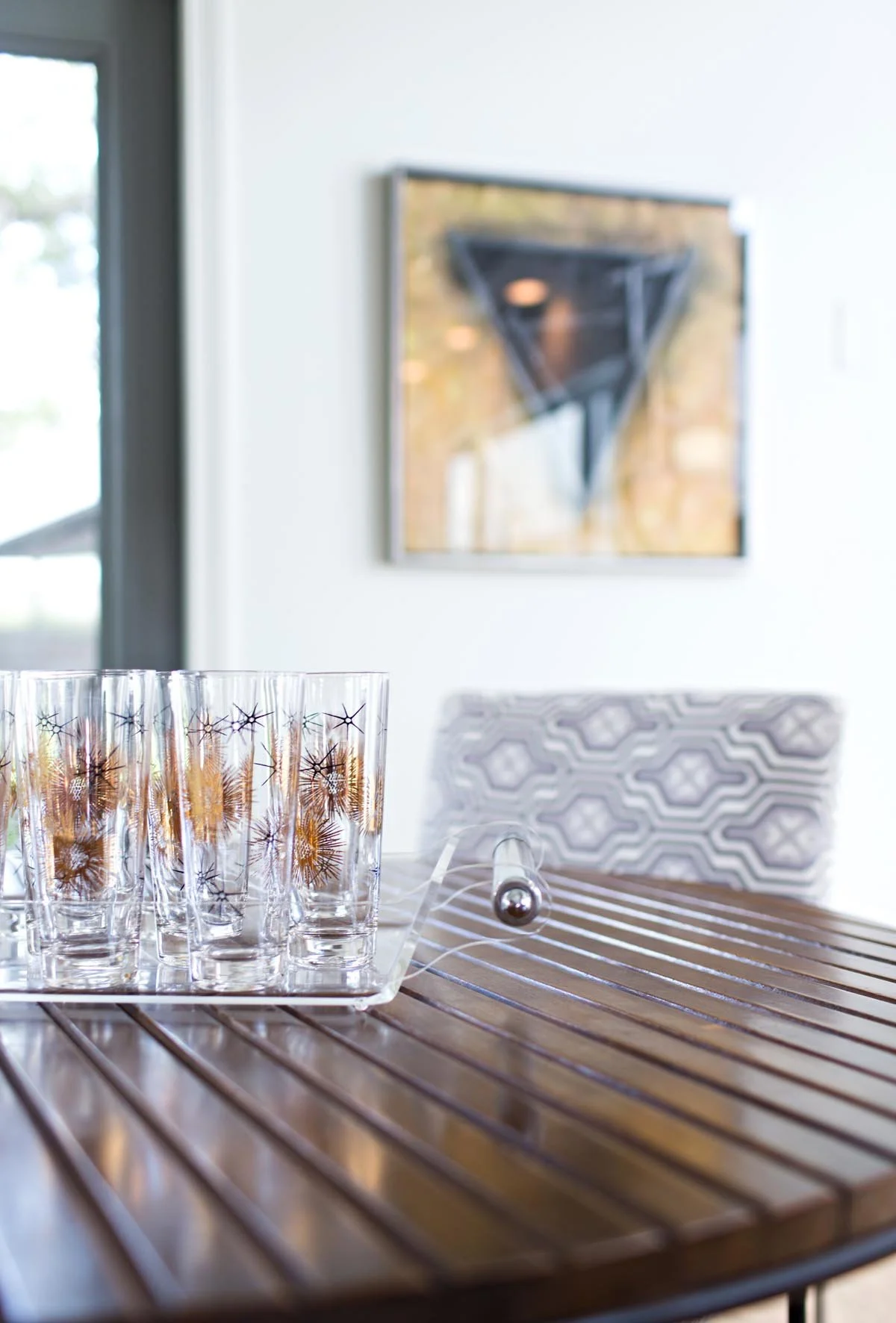
Starburst
Client
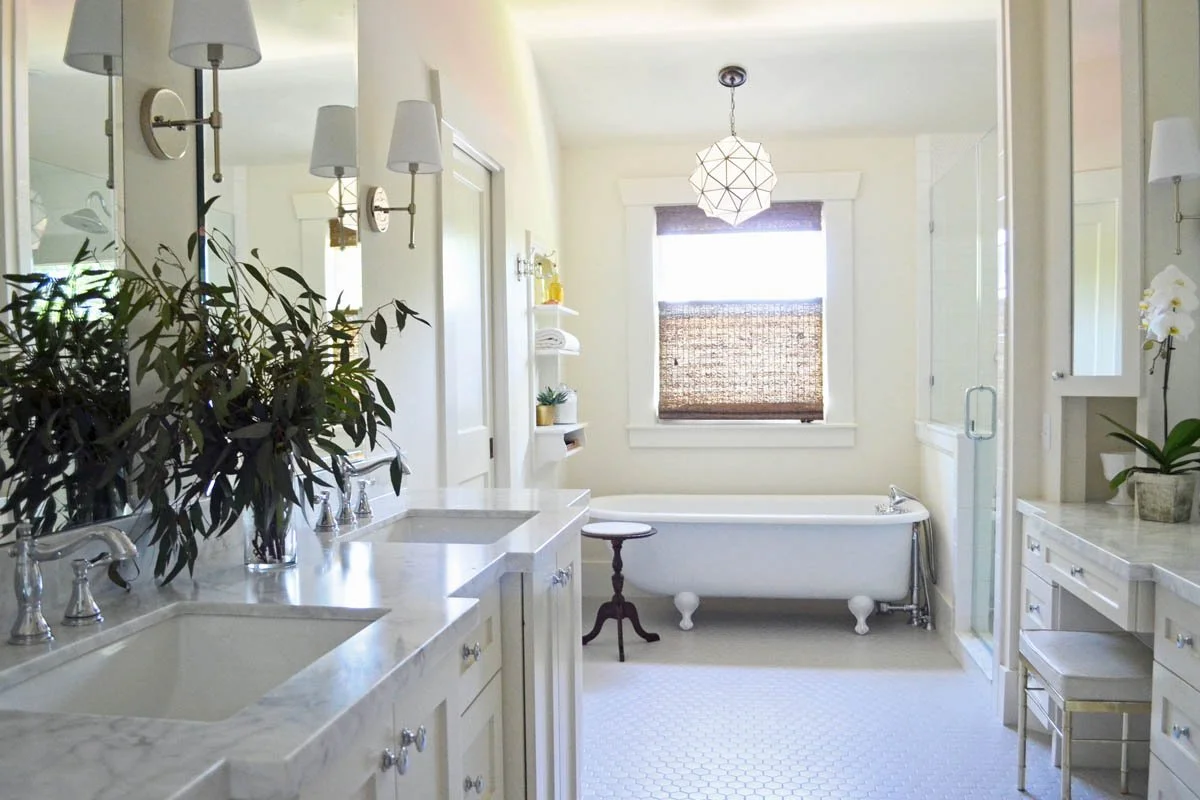
Good Bones
Frequently Asked Questions
Still have questions? Take a look at the FAQ or reach out anytime. If you’re feeling ready, contact me and let’s get started.
-
Quite a lot, depending on what you're working with structurally. Mid-century Littleton ranches are actually very workable because the bones are honest — steel-reinforced concrete slab, simple framing, large windows. The layouts are the challenge: small kitchens, compartmentalized rooms, bathrooms that were designed for function rather than experience. What I usually find is that one or two structural moves; a wall out, a kitchen expansion into the garage or a back bedroom, open the whole floor plan in a way that doesn't compromise the original character.
The Starburst project in my portfolio is exactly this: a full mid-century renovation that preserved everything worth keeping and modernized what wasn't working. -
That's the right goal, and it's harder to achieve than most people expect. The instinct is to restore, but pure restoration can end up feeling like a museum , everything correct, nothing inhabited. What you're really after is a home that feels like it evolved with intention over time: original elements respected, new elements chosen to belong, nothing that announces itself as recent. I've navigated historic district approvals, I understand preservation standards, and I know which modern materials read as appropriate and which ones stick out.
The Good Bones project in my portfolio started as a structural near-teardown in a historic district. The result reads as a house that was always meant to be there. -
Then you're describing why a solo practice with genuine range is a better fit than a firm with a signature aesthetic. My work in Littleton includes a mid-century restoration, a Victorian-era renovation with a contemporary addition, and a pattern-forward family home that commits to bold color throughout. None of them look like each other, and none of them look like a designer's portfolio imposed on a client's home. The starting point is always the architecture and the people who live in it, not a style I'm trying to execute.
-
It's my favorite way to start. A home that's been lived in has objects with actual meaning in it, which is more than most new builds can say. My job is to figure out what deserves to stay, what deserves a better position in the room, and what's quietly holding things back without earning its place.
Littleton homeowners tend to have good instincts about their own spaces, they just need someone to help them see it clearly. A consultation is often the most useful thing for this: two hours, a clear-eyed assessment, and a plan you can execute yourself or with my help. -
Ken Caryl and Columbine are different design problems than Old Town, and I treat them differently. Those neighborhoods have good-sized newer homes, typically late '80s through 2000s, where the challenge is exactly what I described on this page: solid construction, builder-grade finishes that have run their course, layouts that mostly work but need one or two structural moves to feel right. The approach there is closer to what I do in Centennial: architectural thinking applied to a suburban home, with sourcing that brings in materials and pieces that builder selections never would have.
-
It genuinely depends on the scope, but here's an honest range: a full kitchen renovation with design, procurement, and contractor management runs $35,000–$70,000. A mid-century restoration like Starburst, full interior and exterior, including an ADU, is a larger investment, typically $80,000–$150,000+ all in. A design consultation is $500 and gets you a clear picture of what your specific project would require before you commit to anything larger. I don't have a minimum project size, and I work with clients at every point on that range.