What Can a Design Consultation Do For Me?
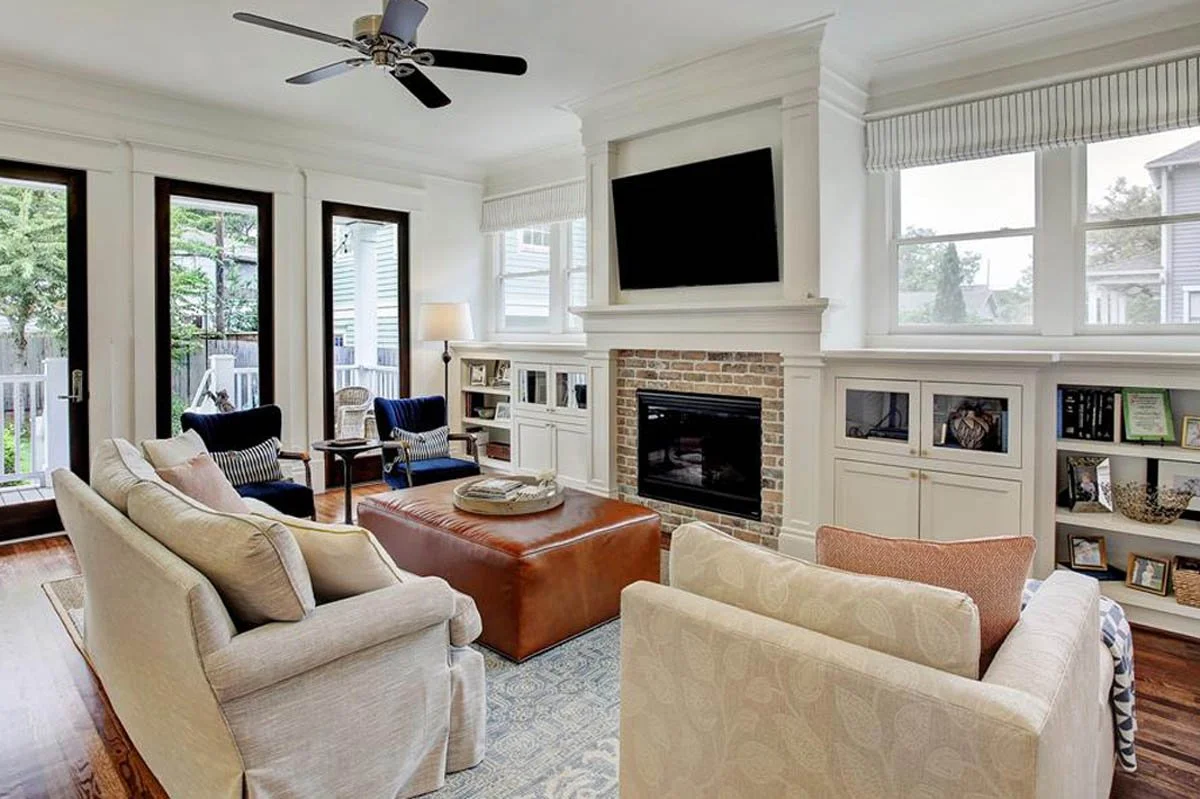
There's a moment most homeowners have at some point in a renovation; or before one, or instead of one, where they just want someone to tell them what to do. Not in a bossy way. In the way you want a trusted friend with the right expertise to walk through your house, look at what's actually there, and say: here's what I'd do, here's why, here's where to start.
That's a design consultation. Two hours, your home, your specific questions. No sales pitch for a larger project. No vague direction designed to keep you coming back. Just honest, expert answers, and a written summary delivered within a few days so you have something to work from (although I always recommend you also take notes).
At $500, it's the most accessible way to work with a designer, and for a lot of projects, it's exactly the right fit. But the part most people don't realize is how many different problems a consultation can solve. It's not just for people who are "not ready for full design." It's for anyone who needs expert input at a specific decision point, which covers more situations than most people think.
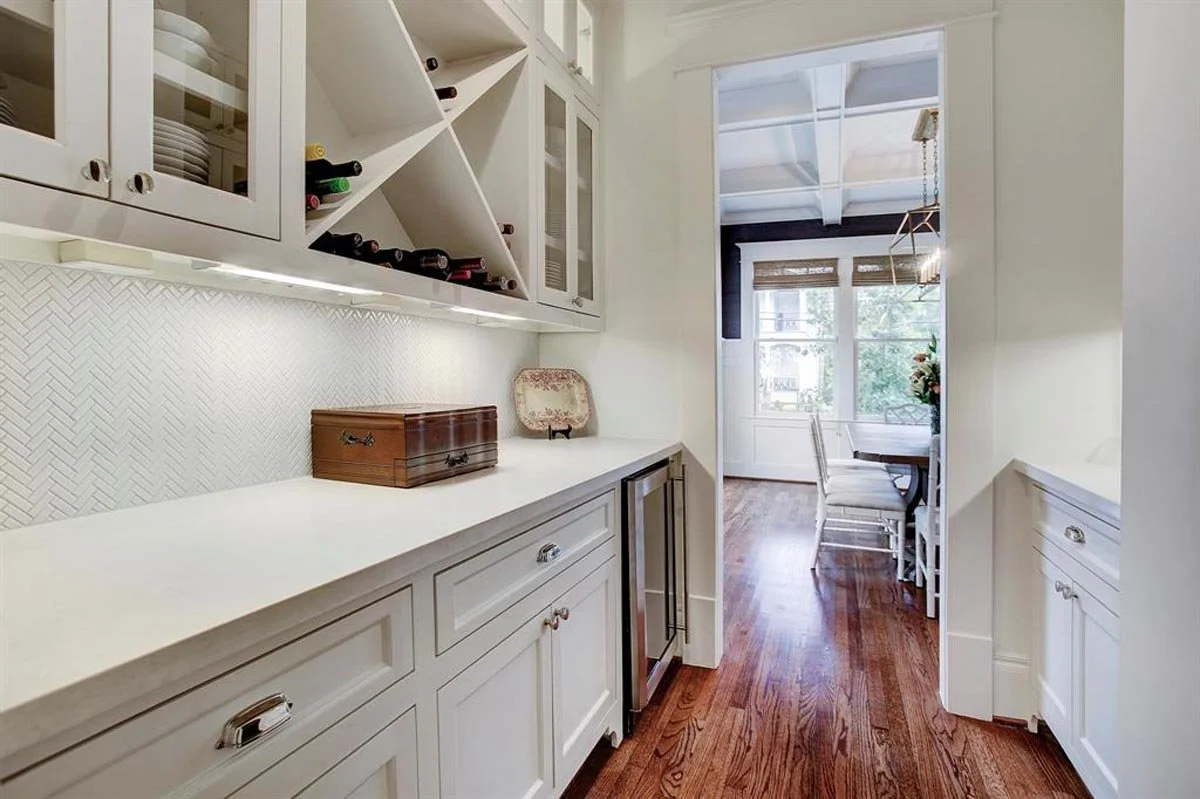
The situations where a consultation is exactly what you need
You're meeting with a builder's design center and you want to go in prepared.
Builder design center appointments are one of the most high-pressure design experiences homeowners face. You're sitting across from a sales consultant, surrounded by samples and options, with a timeline pushing you toward decisions that will live in your home for the next twenty years. The options are often limited. The upsell pressure is real. And the person across the table, however friendly, works for the builder, not for you.
A consultation before that appointment changes everything. We walk through what you're actually building, talk through your priorities, and I help you identify which upgrades are genuinely worth the cost and which ones you can do better, and less expensively, after closing. You walk into that appointment with a clear direction, a list of what matters, and the confidence that comes from already knowing what you want.
And for many clients, that's just the beginning. After the consultation, I'm often hired to attend the design center appointment as well. By that point I already know your taste, your priorities, and your budget, which means when the upsell questions come up in real time, I know immediately which upgrades are worth it for you specifically and which ones to skip. Having someone in the room who knows the right questions to ask, and who is working for you rather than the builder, changes the outcome of that appointment in ways that are hard to overstate.
You're building or remodeling and you have plans, but something feels off.
You've been looking at the floor plan for months. Something isn't right and you can't put your finger on it. Or you can put your finger on it but you don't know how to fix it. Or your contractor says it's fine but you're not convinced.
I'll review the plans with you in the context of your actual life; how you cook, how your family moves through a space, what you're trying to accomplish, and tell you honestly what I see. Sometimes it's a small adjustment. Sometimes it's a layout conversation worth having before construction starts. Either way, you leave knowing rather than guessing.
You want to rework one room with what you already have.
Maybe the living room has never come together and you're not sure why. The furniture is fine, you like individual pieces, but the room as a whole doesn't work. Scale, arrangement, the relationship between things. These are solvable problems that don't require buying anything new.
A consultation in this situation means I walk through the room, assess what's there, and give you a specific plan: what to move, what to remove, what the room actually needs. Sometimes it's a rug in the right size. Sometimes it's rearranging what's already there in a way that was never obvious from living in it. You'd be surprised how often a room that "doesn't work" has everything it needs, just not in the right relationship to each other.
You need help choosing new furniture and styling for a couple of rooms.
You're starting fresh, new home, or rooms that need proper furniture for the first time rather than whatever accumulated over the years. You know roughly what you want but you don't know how to spec it correctly: what size sofa actually fits, how many pieces the room needs, what to prioritize if you're doing it in stages.
A consultation covers the floor plan, furniture sizing, what to buy first, what to hold off on, and where to look for the specific pieces that will work. You leave with a clear direction and a shopping list that's actually right for your space, not just what photographed well online.
You're about to make an expensive finish decision and you want a second opinion.
Tile, countertops, flooring, cabinetry; these are permanent and they affect each other in ways that aren't always obvious from looking at samples in a showroom. The tile that looks perfect on its own might be wrong next to the countertop you've already chosen. The floor color that seemed warm in the store might be cold in your specific light.
This is one of the highest-value uses of a consultation: expert eyes on a decision you're about to make that's costly to undo. Two hours of input before you commit is considerably less expensive than living with the wrong choice.
You just bought a house and need to know what to do in what order.
New homeowners face a long list of things that need attention and no framework for prioritizing them. What's urgent, what's cosmetic, what's worth doing now versus waiting until you know the house better? What should you tackle before you move furniture in? What can wait?
A consultation produces a sequenced plan based on your actual situation, budget, and timeline. You leave knowing what to do first, what to hold, and what projects are worth the investment, rather than making it up as you go and potentially spending money on things that get redone.
You're preparing to sell and want to know what's worth updating.
Not everything that bothers you will matter to a buyer. And some things that seem minor have an outsized effect on first impressions and perceived value. A pre-sale consultation focuses the investment where it produces the most return; paint, lighting, specific updates that move the needle, without spending money on projects that won't affect the sale price.
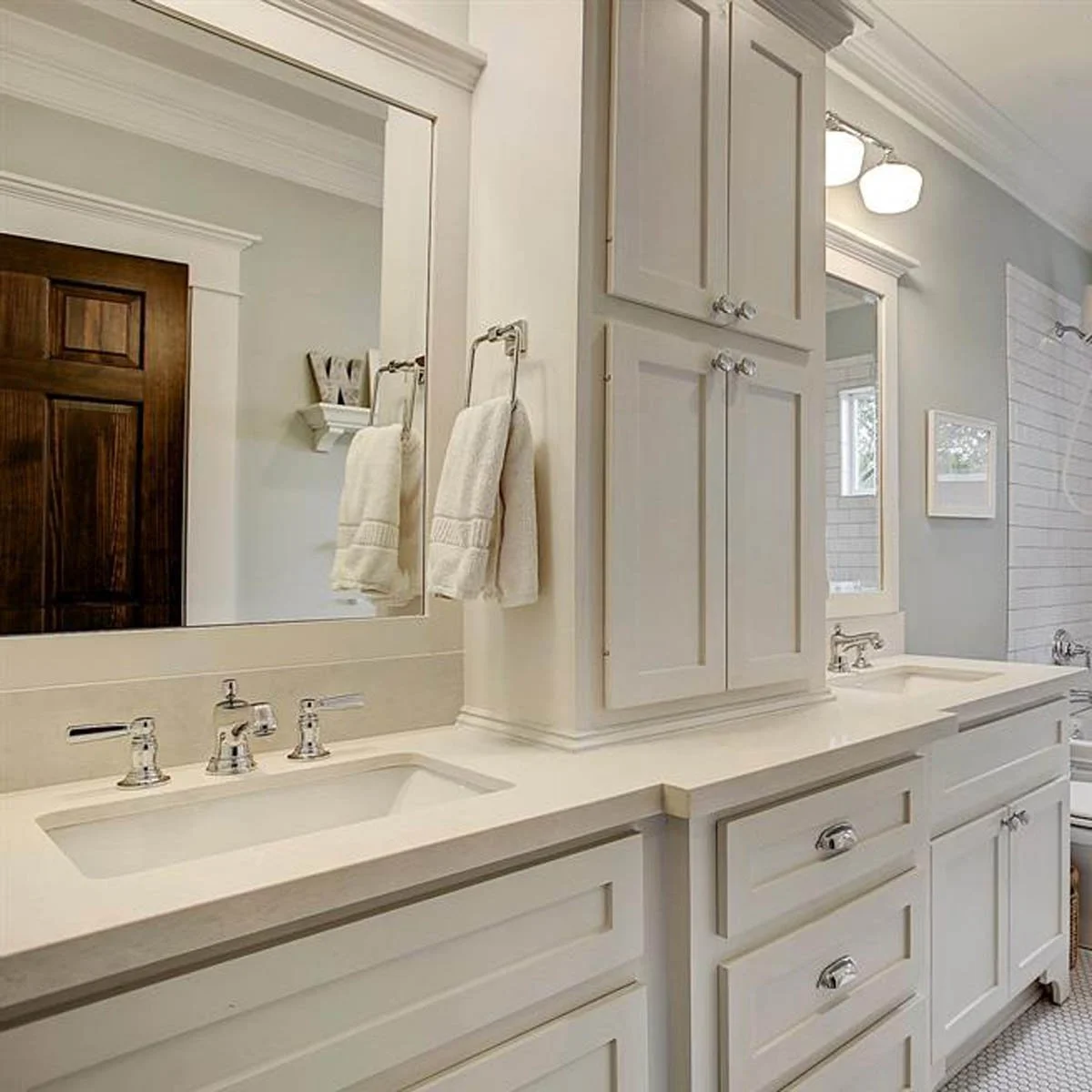
What happens in two hours
Before we meet, you'll complete a questionnaire about your project and send photos of the spaces you want to discuss, or plans if it's a renovation in progress. That preparation is what makes the time productive. It means I arrive knowing what I'm walking into rather than spending the first thirty minutes getting oriented.
During the consultation, we work through your specific questions in your actual space. I take measurements where needed, look at what's there, understand what you're trying to accomplish, and give you specific answers, not directions toward further research, not vague principles, actual answers. The tile should be this. The sofa needs to be at least this dimension. This wall is not structural. That layout will not work and here's why.
Within a week I send written notes covering what we discussed and the specific recommendations you can take to your contractor, your vendor, or your own to-do list.
The $500 fee credits toward full-service design or partial services if you decide to move forward that way within 60 days. But there's no obligation and no pitch. If the consultation is all you need, that's a perfectly complete engagement.
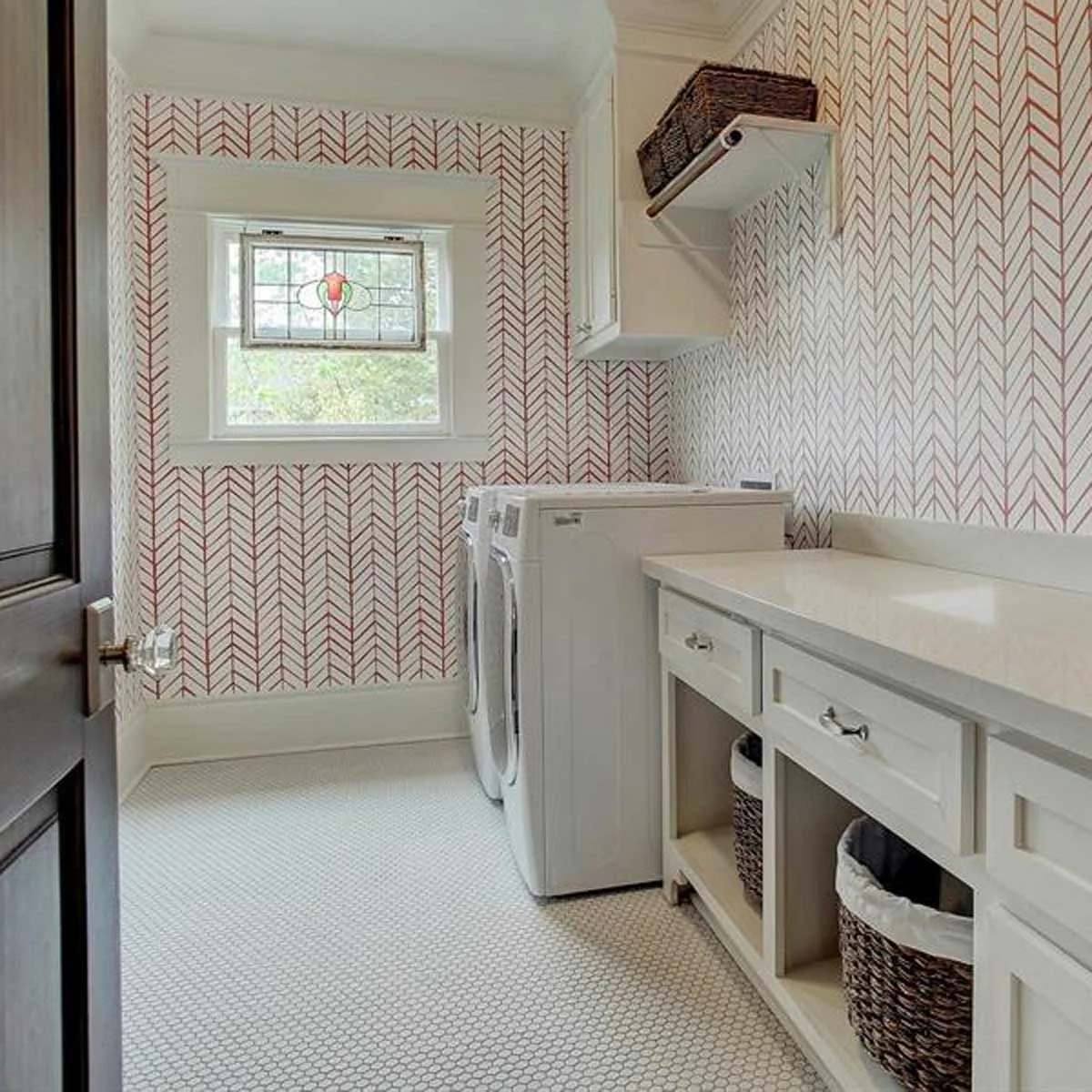
The one thing that makes a consultation most useful
Come with real questions. Not "what should my style be"; that's a conversation, not a question. Specific questions: is this layout working? Should I remove this wall? What size rug does this room need? Does this tile work with this countertop?
The more specific your questions, the more useful two hours becomes. And if you're not sure what your questions are yet, the questionnaire helps. Most people find that filling it out clarifies what they want to talk about.
If there's something in your home that's been on your mind; a decision you're not confident about, a room that's never worked, a renovation you're about to start and want to get right, this is the conversation to have before you spend the money.
Design consultation: $500. Two hours, your home. Fee credited toward Full or Partial design services within 60 days.
If this was useful, these might be too: