How to Design Your Home When You Have No Idea What Your Style Is
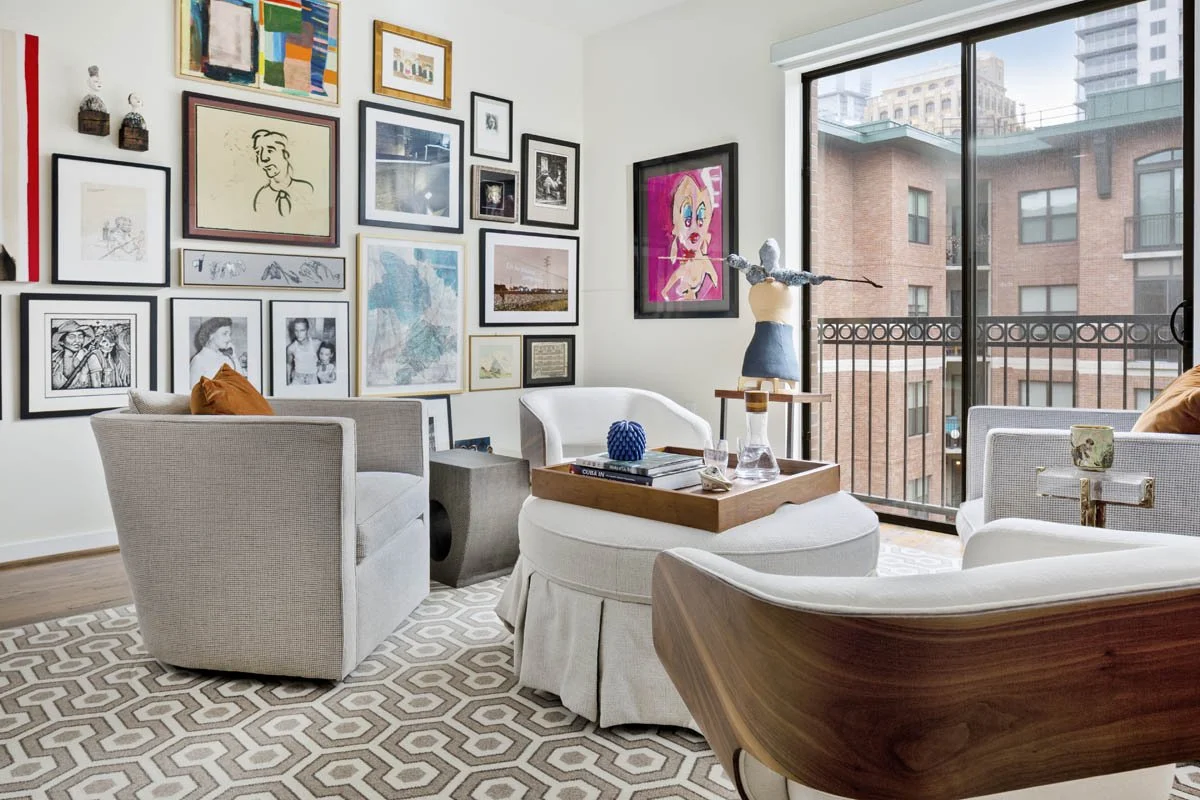
Most people who call a designer for the first time say some version of the same thing in the first five minutes: "I don't really know what my style is." They say it apologetically, like it's a problem they should have solved before making the call.
It isn't a problem. Saying it out loud is actually the best possible starting point, because that honesty is what gives us a clear starting point. The clients that struggle to make decisions aren't the ones who don't know their style. They're the ones who insist they know exactly what they want, based on a house they walked through or a photo they saved, without examining whether that vision actually belongs to them or even their house style.
Here's what I've learned after 24 years: everyone has a style (thank goodness). Even the people who are most certain they don't.
I had clients, both engineers, both emphatic that function was all that mattered to them and that they genuinely didn't care what anything looked like. You'd think that meant as long as the layout worked and the materials held up, they'd be happy with anything I proposed. But that's not how it played out. The moment I started showing them options and asking what they preferred, opinions emerged. Strong ones. Specific ones. They turned out to be quietly preppy, traditionally-minded, with a Colorado pragmatism that wanted to inject navy and green without anything too bold or precious. Once I could see it and name it, they could see it too.
The style was always there. It just needed someone to draw it out.
Before we got there, they were ready to replicate the grey-and-white flipped house two streets over. Which looks fine, new usually reads better than dated. But it had no personality. It could exist anywhere. And to me, someone that values many styles, the personality had been ripped right out of the house.
And the cost difference between a space with a genuine point of view and one that could be anywhere? Not as much as you’d think. The long term value in maintaining the architectural personality and injecting your own style into a remodel also holds real long term house value.
Despite what HGTV leads you to believe.
No one is without style, and style has as much value as function, although I truly believe style follows function.
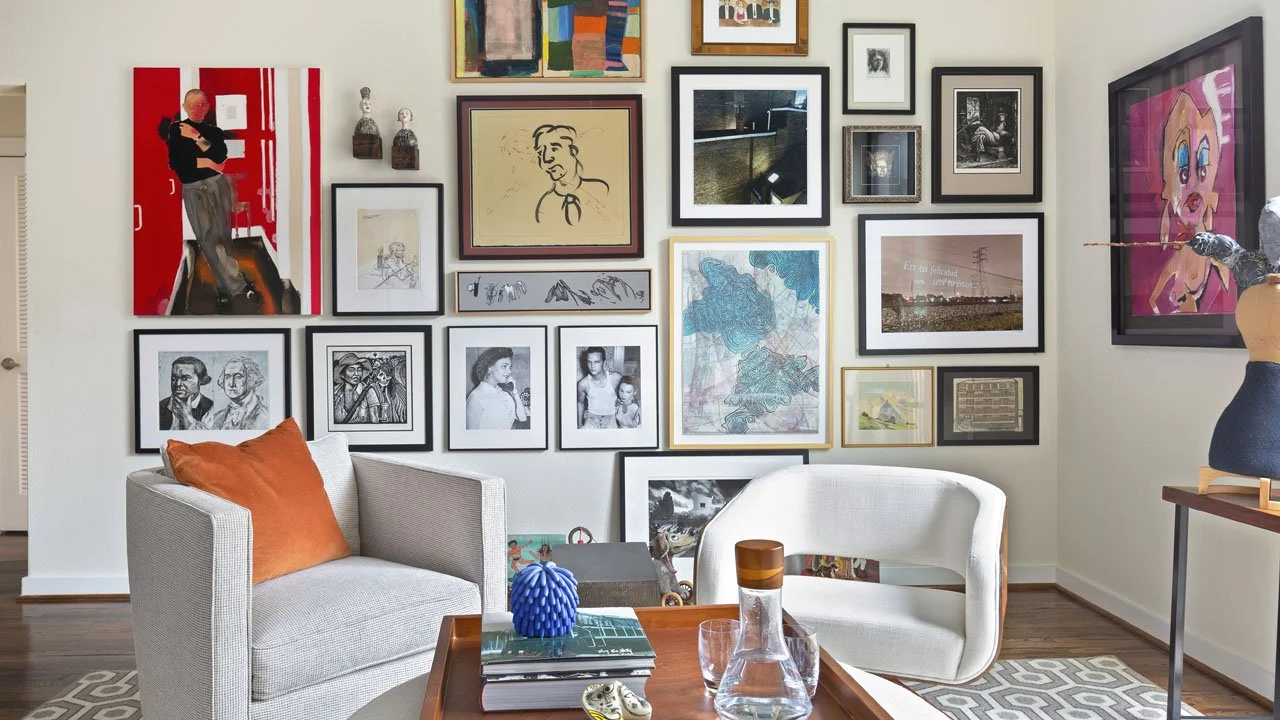
Why "what's your style" is the wrong first question
Style labels are shorthand. When someone says "transitional," they mean something slightly different every time. When a designer says "modern," it covers an enormous range of things that look nothing alike. The labels create the illusion of a shared language while obscuring what people actually mean.
More importantly, style is downstream of something more fundamental: how you want to feel in a room. The goal of a living room isn't to be "contemporary" or "traditional." It's to be the place where you actually want to spend time; where you feel settled, or energized, or calm, depending on what that room is for in your life. Style is the way you get there, not the destination.
This is why people end up with homes that look right in photos but feel wrong to live in. They assembled the aesthetic without addressing the feeling underneath it. The style was chosen. The life it was supposed to support wasn't considered.
The questions to start with
If you want to understand your own design instincts, stop asking what you like and start asking these instead. And sit with them. Ask yourself questions, be curious. This is something you arrive at and evolves, not something you’ll just know or even should just know, let it evolve.
How do you want to feel when you walk in the front door?
Not what you want it to look like. How do you want to feel. Relieved? Energized? Calm? Like you've arrived somewhere that's entirely yours? The answer to this question tells you more about the right direction for your home than any Pinterest board. Once you’ve got a solid answer, or a few solid answers, consider what colors and shapes help you feel that way.
What do you own that you'd never get rid of?
Not what you'd buy if you were starting over. What you actually have that matters to you. The rug from the trip. The lamp you've moved through three apartments. The dining table with twenty years of dinners on it. These pieces contain information about your instincts that's more reliable than anything you'd choose under the pressure of a showroom. A good designer builds around them.
Pull images with abandon, then sit with them.
Whether you're scrolling Pinterest, Houzz, or tearing pages from a magazine, save everything that strikes you as beautiful, interesting, or cool. Don't edit yourself at this stage. If something stops your scroll, save it; even if you can't explain why, even if it doesn't match anything else you've saved.
Then step away for a day or two. When you come back, look at each image again and make notes about what specifically you're responding to. Is it the overall feeling of the room? A particular material combination? The colors? The artwork? The way the furniture is arranged? The light? Two people can look at the same image and take away completely different things; one person loves the wallpaper, the other didn't even notice it, they were responding to the scale of the furniture. Your notes tell your designer what you're actually seeing, which is far more useful than the image alone.
One important caveat: a designer with any integrity will not copy another designer's work. And even if you love every single thing about a published space, keep in mind that by the time an image reaches a magazine or goes viral on Pinterest, that house was typically built several years earlier. What felt fresh then may feel dated by the time your project is complete. The right approach, and the one that produces something with lasting value, is to take the ideas and feelings you love from several spaces and let your designer make it specifically yours. That's how you get the spirit of what drew you in without the expiration date.
What bothers you about your current home?
Not aesthetically, functionally. The kitchen that makes cooking feel like a chore. The living room you avoid because it never quite came together. The bedroom that doesn't let you rest. These frustrations are specific, and specific problems have specific solutions. They're also more useful than vague aspirations because they point directly at what needs to change.
Where have you felt most at home that wasn't your house?
A hotel room, a friend's house, a restaurant, a place you visited once and still think about. What was it about that space? Not the style category, what did it actually feel like to be in it? Warm? Airy? Quiet? Like nothing was trying too hard? That feeling is a design direction.
What do you never want your home to feel like?
Negative clarity is often more useful than positive clarity. Some people know immediately: I don't want it to feel cold. I don't want it to feel fussy. I don't want it to feel like a hotel lobby or a furniture showroom or a house that's been staged to sell. Knowing what you're moving away from is half the navigation.
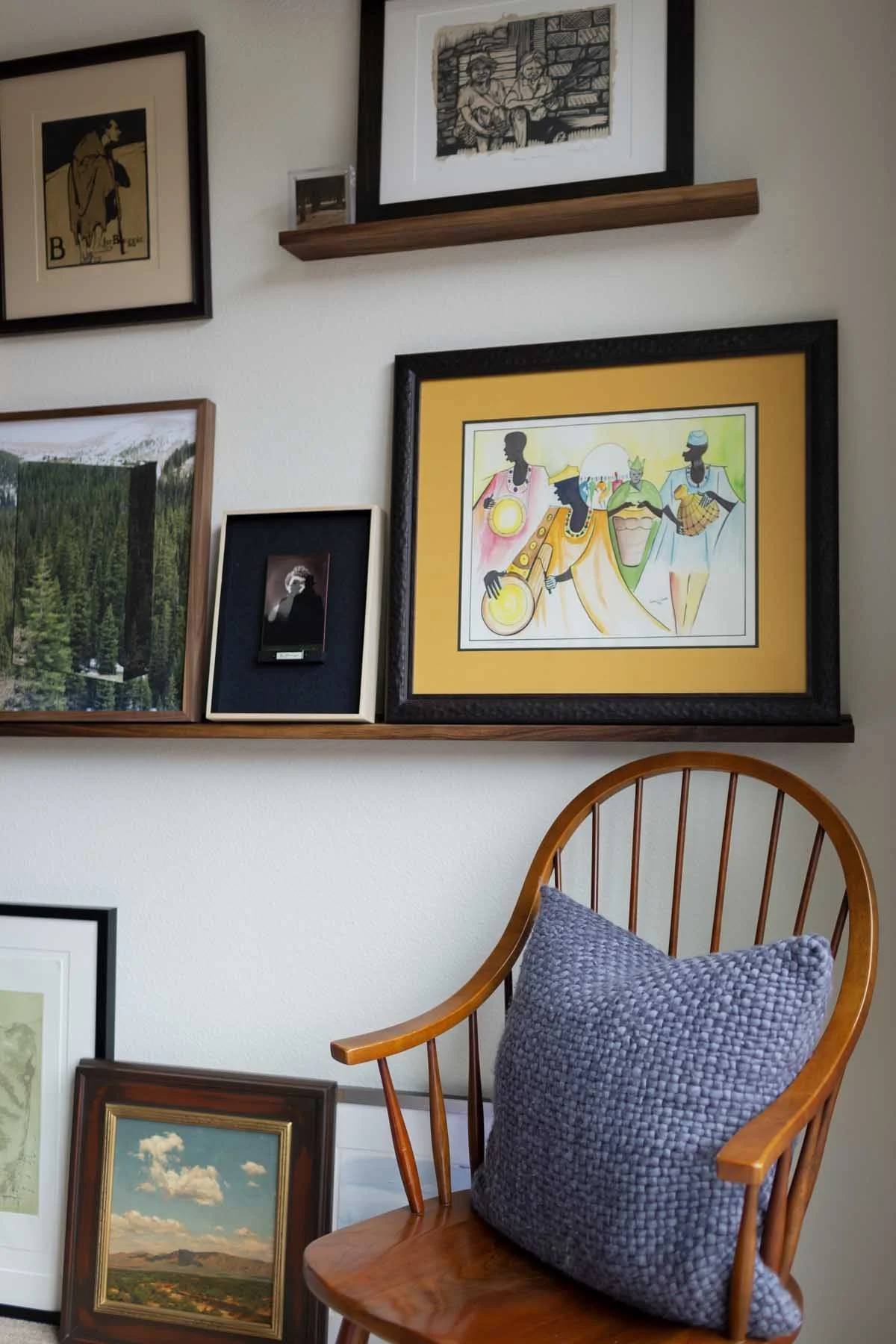
Why aesthetic labels cause more problems than they solve
"I want something transitional" is one of the most common things a designer hears, and one of the least useful. Transitional means different things to every person who says it, and it often means "I want things to look nice but I'm afraid to commit to anything too specific." Which is understandable, but it's not a design direction.
The same is true of most style labels. Modern farmhouse. Coastal. Mountain modern. These are marketing categories, not design philosophies. They tell you what a room might look like in a photo. They don't tell you anything about how it will feel to live in it, whether it will hold up to your actual life, or whether it will still feel right to you in ten years.
The most enduring homes don't have a style category. They have a point of view. That point of view is built from understanding the people who live there; what they value, what they find beautiful, what they find annoying, what they already own that matters to them, and how they actually spend their time. A designer's job is to surface that point of view and translate it into decisions. Style labels might come up along the way as useful shorthand, but they're a byproduct of the process, not the starting point.
What the discovery process looks like
When a project starts, before anything is selected or proposed, I want to understand a few things that have nothing to do with aesthetics directly.
How do your mornings work? Where does the friction happen? What are you always moving out of the way? What room do you avoid and why? What room do you spend the most time in, and what makes it work? What have you been meaning to fix for three years and haven't because you don't know where to start?
These questions produce more useful design direction than any style questionnaire. They reveal the actual problems; the layout that doesn't serve the life being lived in it, the storage that was never thought through, the lighting that makes a room feel wrong regardless of what's in it. Solving those problems, with materials and finishes chosen to feel cohesive with what the person already owns and already loves, produces something that feels specific to them in a way that "transitional with warm accents" never could.
The other thing that happens in this process: people discover preferences they didn't know they had. When you look at two tile options side by side and one of them produces a visceral reaction, a pull toward it, or away from it, that's information. Most people are more opinionated than they think. They just haven't had the right conditions to access those opinions.
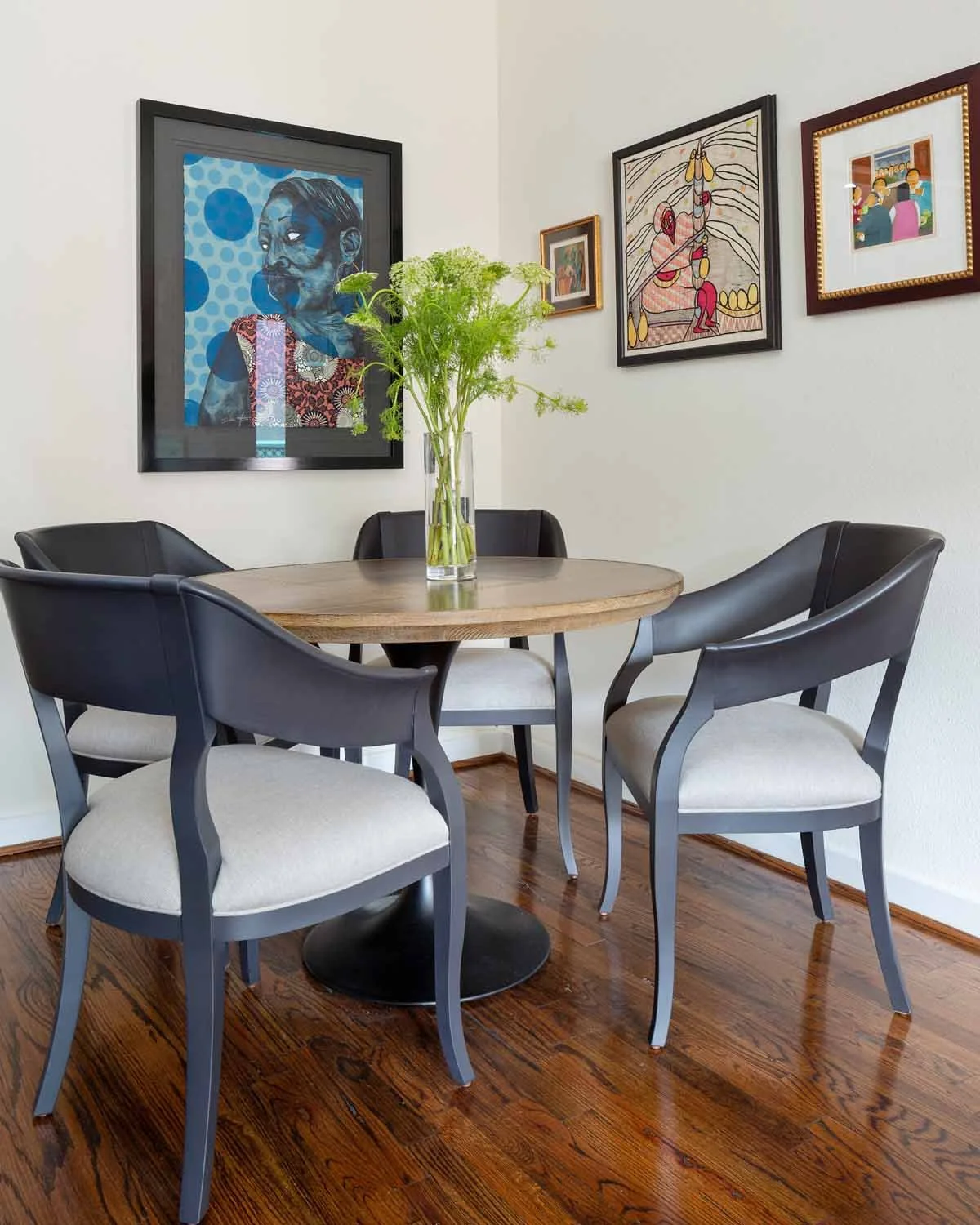
Not knowing is the beginning, not the obstacle
The clients who end up with homes they love most consistently are not the ones who arrived with the clearest vision. They're the ones who were honest about what they didn't know, asked good questions throughout the process, and trusted that their real preferences; the ones that came out in conversation and in reaction to options, not in pre-formed aesthetic declarations, were a more reliable guide than anything they could have planned in advance.
Not knowing what your style is doesn't mean you have no taste. It means you haven't yet had the process that reveals it. That's what a designer is for; not to impose a look, but to ask the right questions until the right answers emerge, and then build a home around what's actually there.
If you're somewhere in that uncertain middle, you know something needs to change but you're not sure what, or you're starting a renovation and feeling overwhelmed by the gap between your inspiration images and your actual life, that's exactly where a conversation starts.
If this was useful, these might be too: