What Personalized Interior Design Means (And What It Doesn’t)
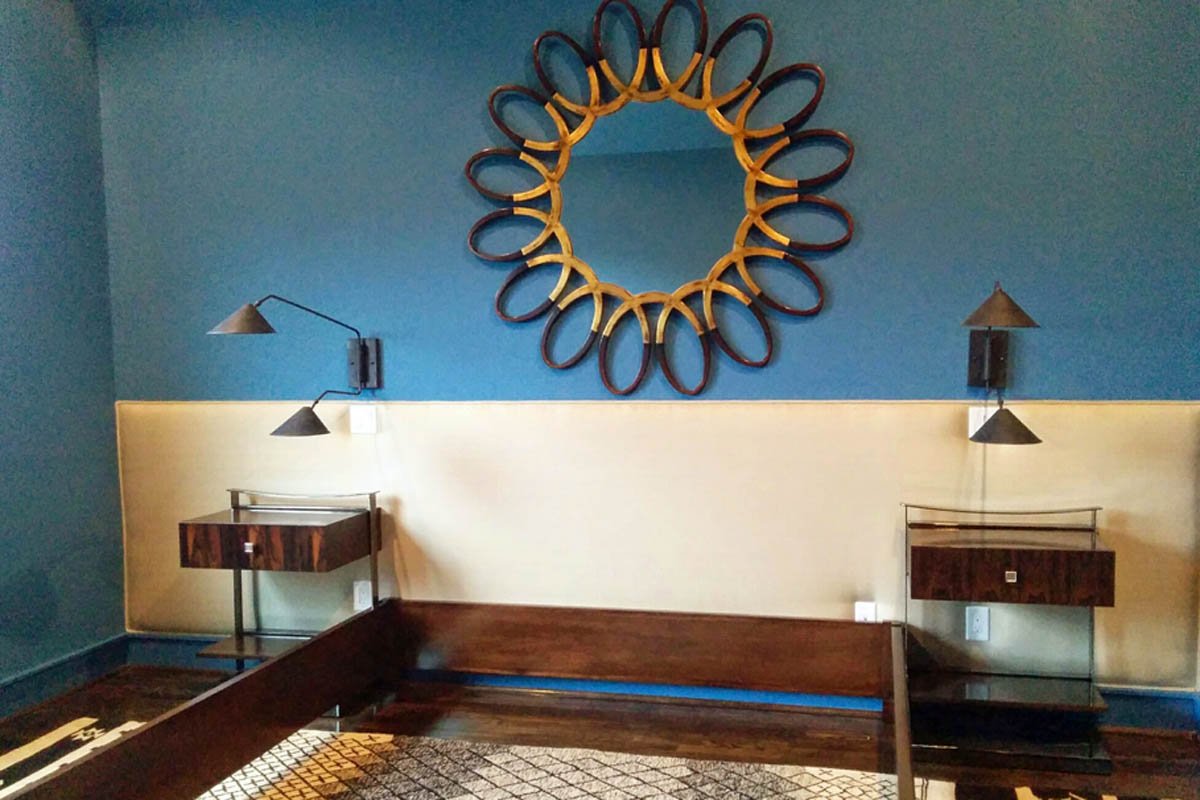
Primary Bedroom installation in progress.
Every designer says they'll create something personal to you. It's in every bio, every service description, every first meeting. And most of the time it's true in the sense that the client gets to make choices; but the choices are being made within a framework the designer has already established, from a palette the designer prefers, toward an aesthetic the designer's portfolio already reflects.
That's not nothing. But it's not the same as a home that's genuinely specific to the people who live in it.
The distinction matters because the rooms that feel most alive, the ones people remember walking into, are almost never the ones that reflect a designer's sensibility imposed thoughtfully. They're the ones where something unmistakably specific to a particular family got treated as a design element rather than an obstacle.
Here's what personalization looks like in practice.
It starts with different questions
Most design processes begin with aesthetic questions: what do you like, what have you saved on Pinterest, what words describe the feeling you want. These aren't wrong but they're incomplete.
The questions that get to something genuinely personal are more specific and less comfortable. How do you actually use this room on a Tuesday, not how you want to use it? Where does the friction happen in your daily routine? What bothers you about the house that you've stopped noticing because you've just accepted it? What do you own that matters to you and why?
The answers to those questions produce different design decisions than mood boards do. A family that cooks together needs a different kitchen layout than one where one person cooks alone. A couple whose children have left home needs different primary suite storage than they did fifteen years ago. Someone who works from home needs their living room to transition between professional calls and genuine rest in ways that a traditional living room design doesn't account for.
Getting to those answers takes longer than a Pinterest review. It requires actual conversation, real questions, and enough trust that the client tells you the truth about how they live rather than the version they think a designer wants to hear.
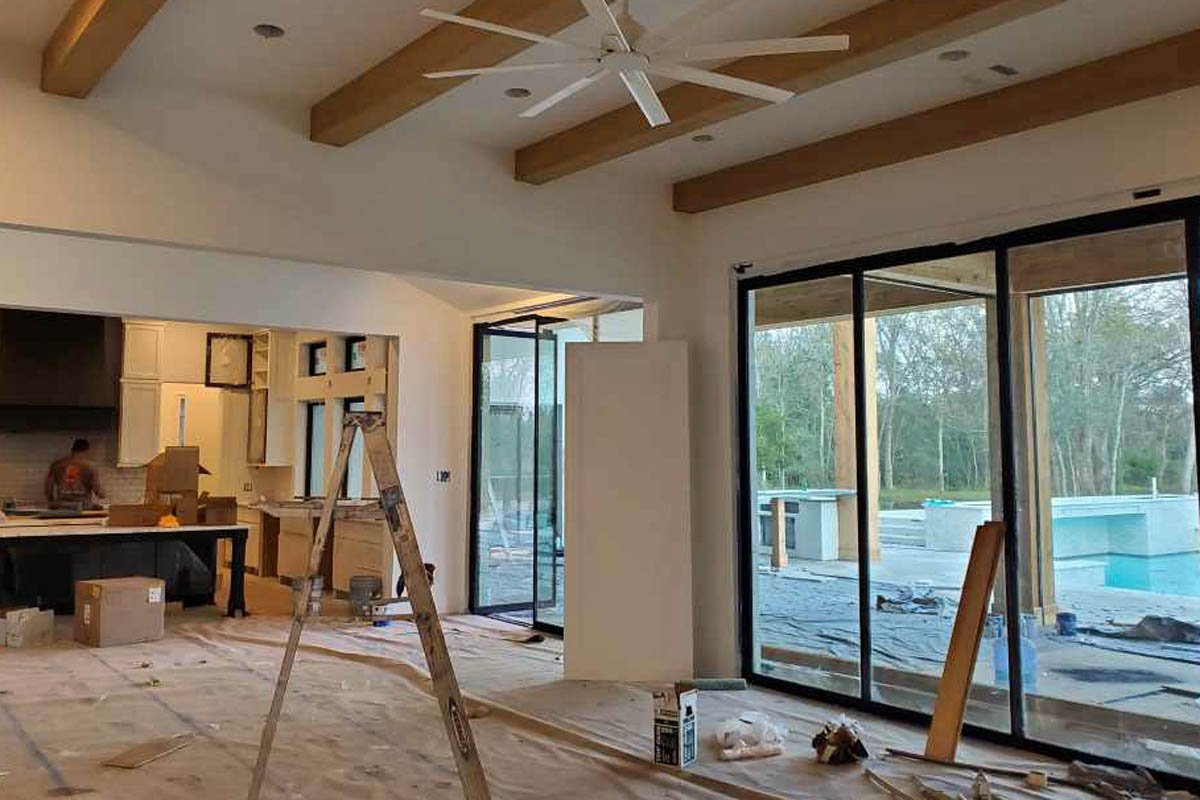
Having an interior designer involved from the beginning ensures you get the details in your house that make it feel like home.
What you already own is part of the design
One of the clearest ways to tell whether a designer is genuinely personalizing is how they treat what you already have.
A designer imposing their aesthetic will tend to want to start fresh; new furniture, new everything, a blank slate. A designer working toward something genuinely personal will ask what you already own that matters to you, and treat those pieces as anchors rather than problems.
This doesn't mean keeping everything. It means making honest assessments: this sofa is worth building around, this rug is worth keeping, this dining table has twenty years of dinners in it and the design should honor that. And then making specific decisions; what else do those pieces need around them to work, what does the room need to do that they can't accomplish alone.
I've done some of my best projects around a single piece a client was emotionally attached to. A dining table inherited from a grandmother. A piece of art bought on a trip that defined an era of someone's life. A rug that had been in three apartments before landing in this house. Building a room around something that matters is different from building a room that photographs well, and the result feels different too.
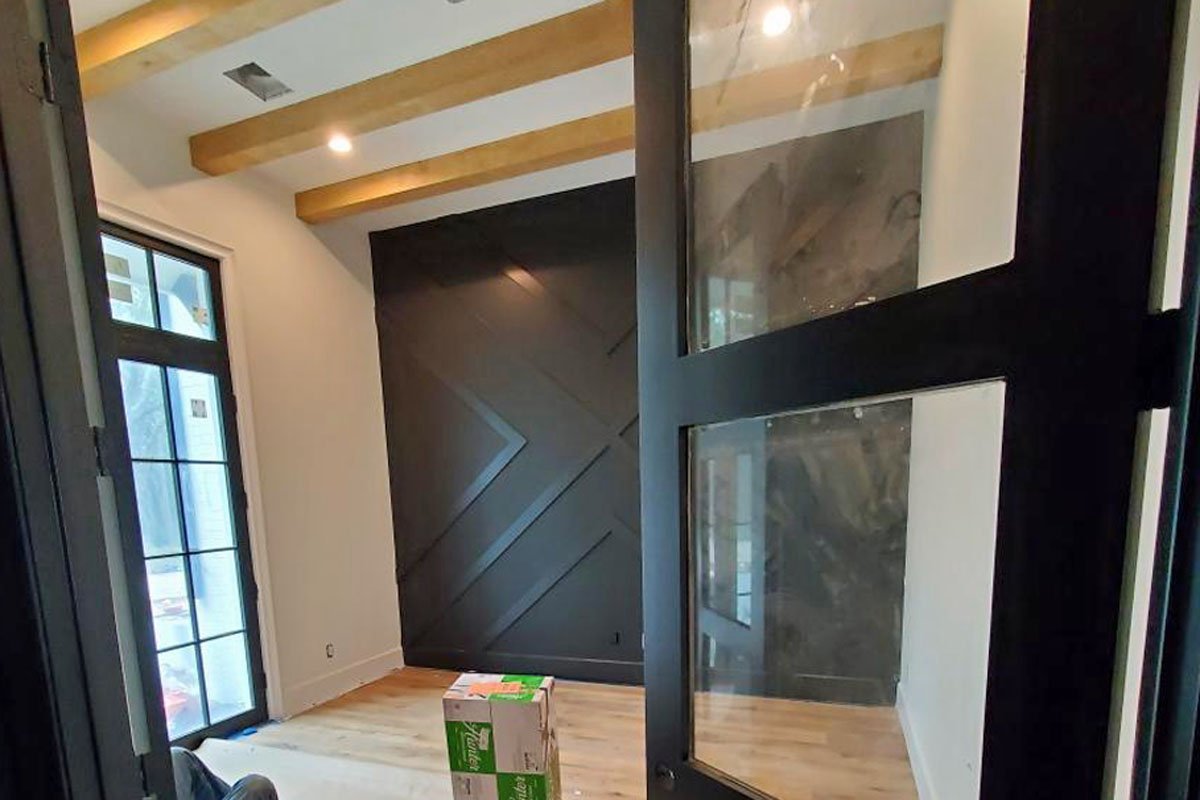
Personal history shows up in material choices
One of the things 24 years of designing homes across different countries and contexts gave me is an understanding of how places leave marks on people, and how those marks can show up in a home without being literal or themed.
Someone who lived in Europe for years often responds to plaster walls, aged brass, and the kind of patina that takes decades to develop. Someone who grew up in a house with a lot of wood and stone has a physical comfort with those materials that synthetic surfaces never replicate. Someone who has traveled extensively often has objects that carry real meaning, things bought in specific places that became part of their understanding of what home feels like.
These aren't things clients usually volunteer. But they emerge when you ask the right questions, and they produce material and sourcing decisions that are more specific and more resonant than anything a generic palette would suggest.
What personalization isn't
It isn't asking clients what they like and then giving it to them.
Clients often like things that don't work together, or things that would look good in a different house, or things that reflect what they think they're supposed to want rather than what they actually do. Part of the designer's job is having enough knowledge and perspective to push back to say, "I understand why you like that, but here's why I'd do something different", and to be right often enough that the client trusts the recommendation.
Genuine personalization requires both deep listening and real expertise. Without the listening, it's just the designer's preferences. Without the expertise, it's just the client's preferences organized by someone else. The interesting work happens in the space between.
If you're curious what this looks like applied to your specific home and how you actually live in it, a consultation is the right place to start, not with mood boards, but with a real conversation.