How to Design a Home That Feels Like You
Most people know what they don't want long before they know what they do.
They don't want generic. They don't want a house that looks like it was assembled from a showroom floor. They don't want to spend real money on a renovation and end up with something that could belong to anyone.
What they want, and struggle to name, is a home that feels like them. Specific to their life, their history, the way they actually use their rooms. Not styled for a listing photo. Designed for how they live.
After 24 years doing this work, I can tell you that getting there is less about finding the right furniture and more about asking the right questions first.
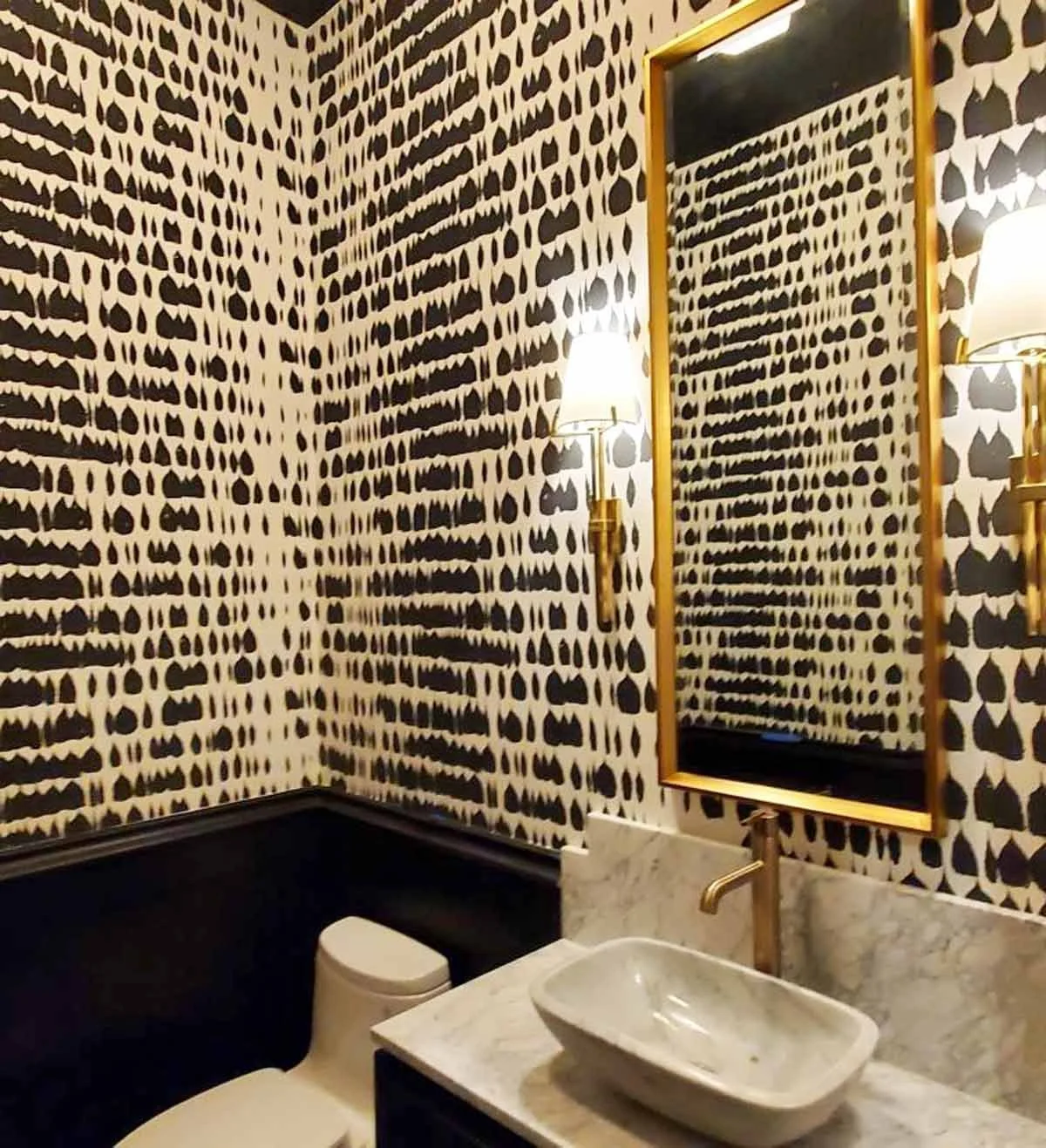
The Problem with Pinterest
There's nothing wrong with saving images. I tell clients to do it, and I do it myself. But there's a way to use inspiration that helps and a way that sends you in circles.
The trap is treating saved images as a shopping list, finding the exact sofa, the exact tile, the exact pendant light from the photo and trying to recreate it in your house. That approach almost always fails, because what made that room work wasn't those specific pieces. It was proportion, light, the particular combination of materials, the way it was photographed. None of that transfers directly to your 1988 Centennial ranch.
The more useful question when you're looking at an image you love: what feeling is this giving me? Calm? Grounded? Collected over time? A little unexpected? That emotional response is the signal worth following. The specific objects are just one way that feeling got expressed in someone else's home.
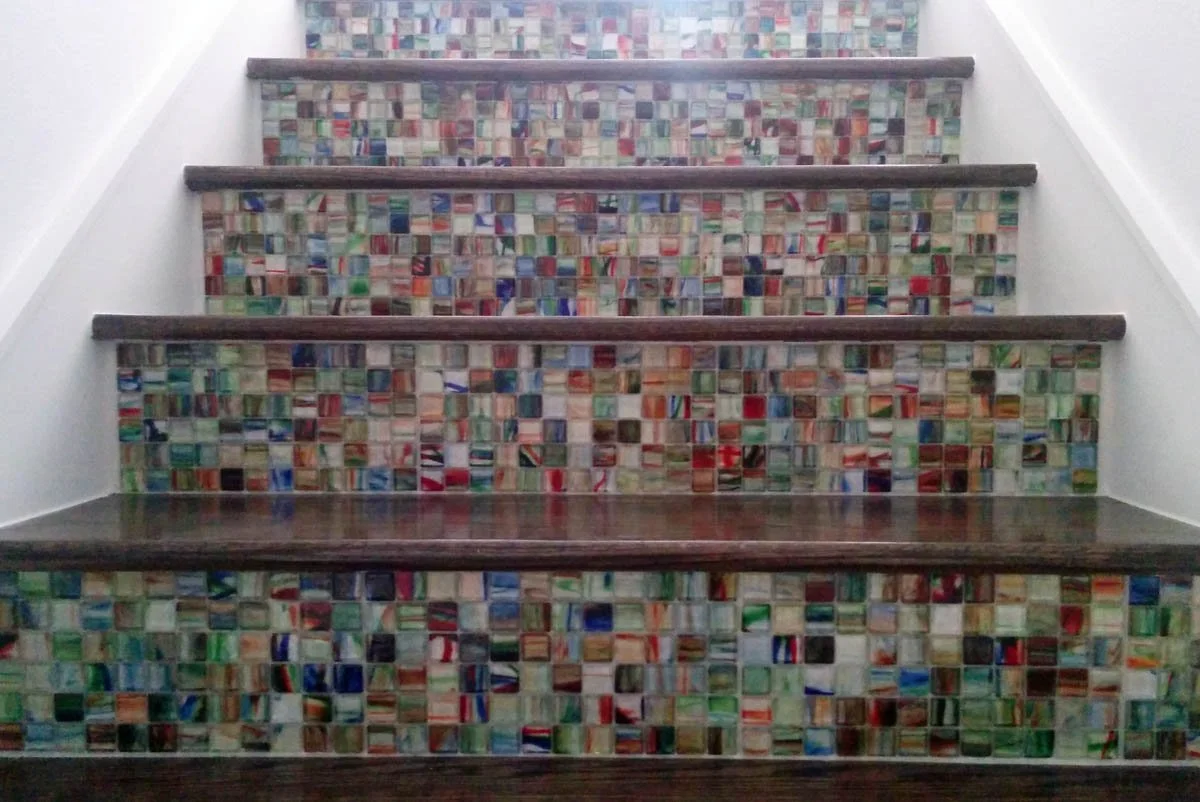
What "your style" actually means
I'm a little skeptical of the phrase "personal style" when it's applied to interiors, not because it's wrong, but because it gets oversimplified. Style isn't a category you belong to. It's not "I'm transitional" or "I'm mid-century modern." Those are starting points at best.
What I'm actually trying to understand when I work with a client is layered:
How do you use your home? Not how you think you should use it, how you actually do. Do you cook seriously or mostly heat things up? Do your kids do homework at the kitchen island or disappear to their rooms? Do you host dinners or is dinner usually just your family? The answers shape what a room needs to do before we touch a material sample.
What do you already love? Most people have at least a few things they're genuinely attached to, a dining table that belonged to someone, art bought on a trip, a rug that's outlasted three apartments. These objects carry real meaning, and a home that ignores them in favor of starting clean usually feels less personal, not more. I design around what matters, not over it.
What bothers you about your house right now? This is often the most useful question. The kitchen that fights how you cook. The living room that never gets used because the furniture arrangement is wrong. The primary bedroom that's technically fine but doesn't feel like a retreat. Problems are specific. Solving them produces results that feel specific too.
Why "safe" choices don't feel like you
There's a version of design that minimizes risk by minimizing commitment. Greige walls, inoffensive furniture, nothing that anyone could object to. It's a recognizable aesthetic at this point, homes that look fine in photos and feel anonymous in person.
I understand why people end up there. Making a strong choice feels like exposure. What if you get it wrong? What if your taste turns out to be embarrassing?
But here's what I've observed over 24 years: the rooms people love most are almost always the ones where someone committed to something. A color that was a little scary. A piece of furniture that was unusual. A material that wasn't the obvious default. The risk is what makes it feel real.
The homes that feel most personal are rarely the safest ones. They're the ones where you can tell someone made actual decisions.
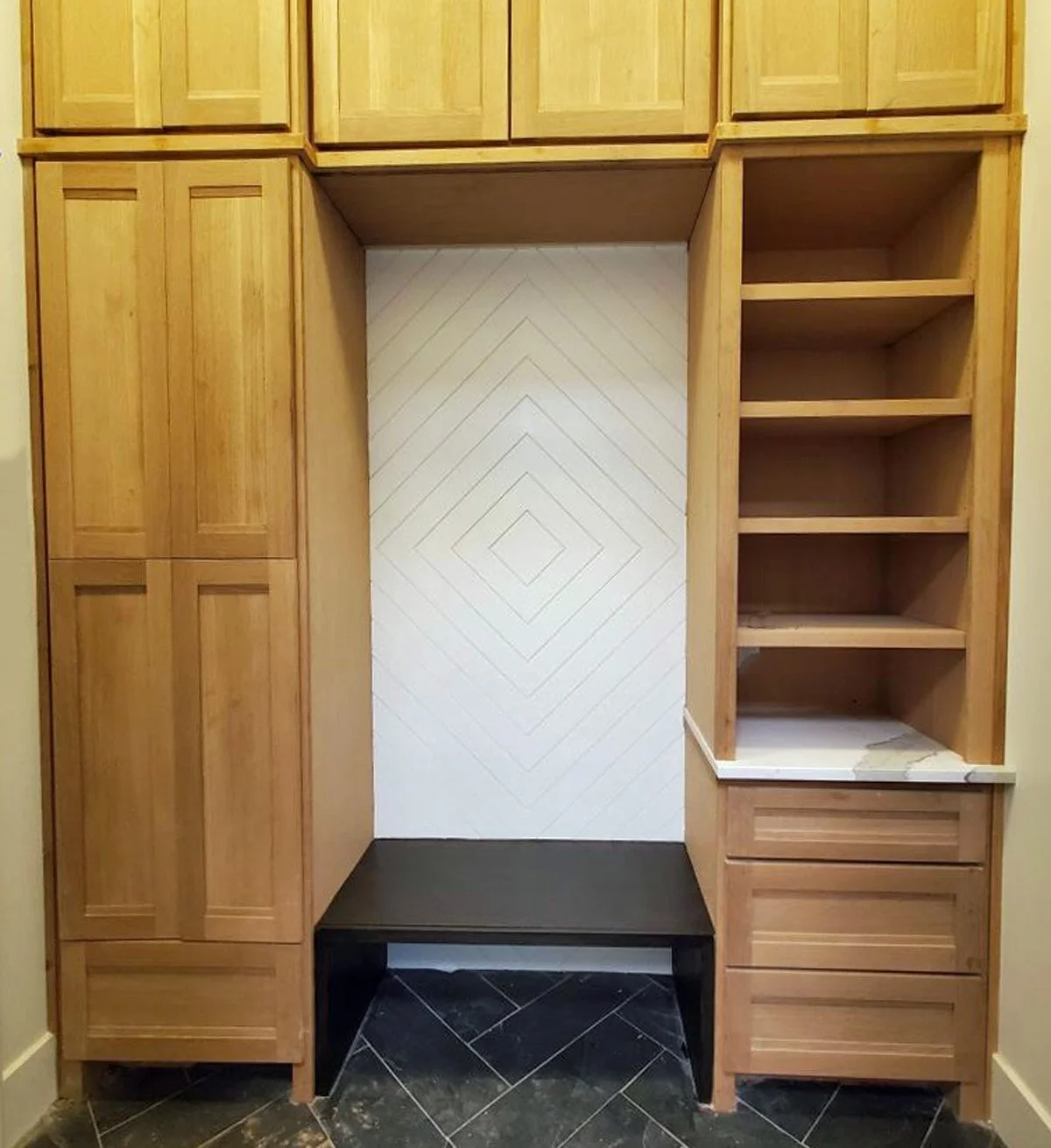
Mudroom cabinets designed for exactly how a busy family will use them.
The practical part: how a cohesive home actually comes together
This is where the work gets specific.
A home feels cohesive when there's a through-line; a set of materials, colors, and proportions that recur throughout the house in different combinations. Not matching, but related. The same warm wood tone that appears in the kitchen island shows up in the bedroom furniture. The linen texture from the living room sofa reappears in the bedroom drapes. The green that anchors the entry is echoed quietly in a kitchen tile.
This doesn't happen by accident, and it doesn't happen if you're buying rooms one at a time without a plan. It requires deciding what the through-line is before you start ordering anything, which is most of what I do in the early phase of a project.
The other thing that makes a home feel personal rather than assembled: scale. Generic homes are full of furniture that's slightly too small for the spaces it's in. A sofa that floats in the middle of a room. Art hung too high and too small for the wall. Rugs that don't anchor the seating. Getting scale right is one of the most reliable ways to make a room feel intentional, and it's also one of the things that's genuinely hard to eyeball without experience.
What this looks like in practice
A few years ago I worked with a family in Centennial who had lived in their house for over a decade and had never quite made it feel like home. The bones were good; solid 1990s construction, decent floor plan, but the rooms had accumulated furniture from three different apartments and two previous houses, none of it chosen together.
We didn't start over. We started by figuring out what was actually worth keeping, a dining table they loved, some art that mattered to them, a few pieces that had real quality even if they weren't currently working. Then we built around those anchors: a palette, a material direction, a furniture plan that gave each room a clear purpose and a clear scale.
By the end it didn't look like a renovation. It looked like a home that had always been theirs, just finally finished properly.
That's what I'm aiming for. Not a showroom. Not a magazine spread. Something that, when you walk in, feels unmistakably like the people who live there.
If your home doesn't quite feel like that yet, I'd love to hear about it.
If this was useful, these might be too: