How to Design a Home That Feels Like You
Most people know what they don't want long before they know what they do.
They don't want generic. They don't want a house that looks like it was assembled from a showroom floor. They don't want to spend real money on a renovation and end up with something that could belong to anyone.
What they want, and struggle to name, is a home that feels like them. Specific to their life, their history, the way they actually use their rooms. Not styled for a listing photo. Designed for how they live.
After 24 years doing this work, I can tell you that getting there is less about finding the right furniture and more about asking the right questions first.
The Problem with Pinterest
There's nothing wrong with saving images. I tell clients to do it, and I do it myself. But there's a way to use inspiration that helps and a way that sends you in circles.
The trap is treating saved images as a shopping list, finding the exact sofa, the exact tile, the exact pendant light from the photo and trying to recreate it in your house. That approach almost always fails, because what made that room work wasn't those specific pieces. It was proportion, light, the particular combination of materials, the way it was photographed. None of that transfers directly to your 1988 Centennial ranch.
The more useful question when you're looking at an image you love: what feeling is this giving me? Calm? Grounded? Collected over time? A little unexpected? That emotional response is the signal worth following. The specific objects are just one way that feeling got expressed in someone else's home.
What "your style" actually means
I'm a little skeptical of the phrase "personal style" when it's applied to interiors, not because it's wrong, but because it gets oversimplified. Style isn't a category you belong to. It's not "I'm transitional" or "I'm mid-century modern." Those are starting points at best.
What I'm actually trying to understand when I work with a client is layered:
How do you use your home? Not how you think you should use it, how you actually do. Do you cook seriously or mostly heat things up? Do your kids do homework at the kitchen island or disappear to their rooms? Do you host dinners or is dinner usually just your family? The answers shape what a room needs to do before we touch a material sample.
What do you already love? Most people have at least a few things they're genuinely attached to, a dining table that belonged to someone, art bought on a trip, a rug that's outlasted three apartments. These objects carry real meaning, and a home that ignores them in favor of starting clean usually feels less personal, not more. I design around what matters, not over it.
What bothers you about your house right now? This is often the most useful question. The kitchen that fights how you cook. The living room that never gets used because the furniture arrangement is wrong. The primary bedroom that's technically fine but doesn't feel like a retreat. Problems are specific. Solving them produces results that feel specific too.
Why "safe" choices don't feel like you
There's a version of design that minimizes risk by minimizing commitment. Greige walls, inoffensive furniture, nothing that anyone could object to. It's a recognizable aesthetic at this point, homes that look fine in photos and feel anonymous in person.
I understand why people end up there. Making a strong choice feels like exposure. What if you get it wrong? What if your taste turns out to be embarrassing?
But here's what I've observed over 24 years: the rooms people love most are almost always the ones where someone committed to something. A color that was a little scary. A piece of furniture that was unusual. A material that wasn't the obvious default. The risk is what makes it feel real.
The homes that feel most personal are rarely the safest ones. They're the ones where you can tell someone made actual decisions.
Mudroom cabinets designed for exactly how a busy family will use them.
The practical part: how a cohesive home actually comes together
This is where the work gets specific.
A home feels cohesive when there's a through-line; a set of materials, colors, and proportions that recur throughout the house in different combinations. Not matching, but related. The same warm wood tone that appears in the kitchen island shows up in the bedroom furniture. The linen texture from the living room sofa reappears in the bedroom drapes. The green that anchors the entry is echoed quietly in a kitchen tile.
This doesn't happen by accident, and it doesn't happen if you're buying rooms one at a time without a plan. It requires deciding what the through-line is before you start ordering anything, which is most of what I do in the early phase of a project.
The other thing that makes a home feel personal rather than assembled: scale. Generic homes are full of furniture that's slightly too small for the spaces it's in. A sofa that floats in the middle of a room. Art hung too high and too small for the wall. Rugs that don't anchor the seating. Getting scale right is one of the most reliable ways to make a room feel intentional, and it's also one of the things that's genuinely hard to eyeball without experience.
What this looks like in practice
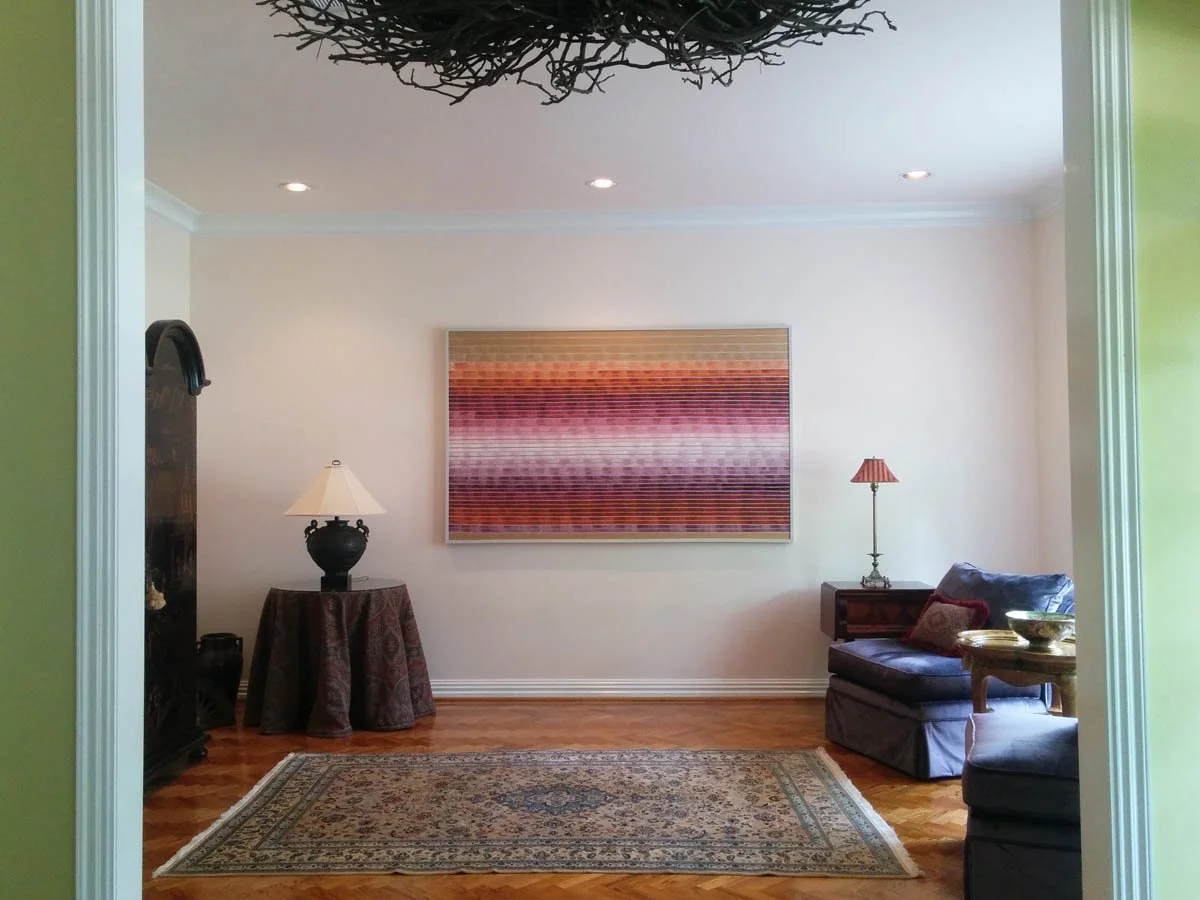
A few years ago I worked with a family in Centennial who had lived in their house for over a decade and had never quite made it feel like home. The bones were good; solid 1990s construction, decent floor plan, but the rooms had accumulated furniture from three different apartments and two previous houses, none of it chosen together.
We didn't start over. We started by figuring out what was actually worth keeping, a dining table they loved, some art that mattered to them, a few pieces that had real quality even if they weren't currently working. Then we built around those anchors: a palette, a material direction, a furniture plan that gave each room a clear purpose and a clear scale.
By the end it didn't look like a renovation. It looked like a home that had always been theirs, just finally finished properly.
That's what I'm aiming for. Not a showroom. Not a magazine spread. Something that, when you walk in, feels unmistakably like the people who live there.
If your home doesn't quite feel like that yet, I'd love to hear about it.
If this was useful, these might be too:
The Impact of Custom Millwork and Built-Ins in Luxury Homes
In the world of luxury interior design, it is the details that whisper elegance and the craftsmanship that speaks of permanence. Custom millwork and built-ins are more than architectural elements; they are the poetry of a well-loved home, the art that turns a space into a sanctuary. For discerning homeowners in Centennial, Denver, and beyond, these bespoke touches reflect a deep appreciation for quality, beauty, and the enduring charm of artistry.
Designed for the Soul, Crafted for Eternity
In the world of luxury interior design, it is the details that whisper elegance and the craftsmanship that speaks of permanence. Custom millwork and built-ins are more than architectural elements; they are the poetry of a well-loved home, the art that turns a space into a sanctuary. For discerning homeowners in Centennial, Denver, and beyond, these bespoke touches reflect a deep appreciation for quality, beauty, and the enduring charm of artistry.
Why Custom Millwork Matters
1. A Perfect Fit.
Luxury is never one-size-fits-all. Builder-grade cabinetry, with its standard sizes and filler pieces, often wastes space and potential. Custom cabinetry molds itself to the architecture of your home, creating storage where none existed and elegance in every corner. In kitchens and bathrooms especially, bespoke design ensures that every pot, pan, and heirloom has its place.
2. Shelving That Suits.
Built-ins are functional art. They are the difference between a bookshelf and a curated library. With custom depth, width, and styling, built-ins transform a room, offering beauty and utility in equal measure. Comparable in cost to high-end furniture, they provide a lasting impact tailored perfectly to your space.
3. Details That Define Your Look.
Millwork tells a story. From ornate moldings in a historic home to sleek, minimalist trims in a contemporary space, these details define a home’s personality. Custom doors, archways, and coffered ceilings elevate architecture, creating a narrative of craftsmanship and care.
4. Almost Unlimited Color and Style Choices.
Luxury is personal. Custom cabinetry offers the freedom to match the exact tone of your heart’s desire—be it a warm, honeyed stain for rustic warmth or a hand-painted finish in the deepest midnight blue. This flexibility ensures your home is not only beautiful but uniquely yours.
5. Durability & Longevity.
Bespoke millwork is built to last. Using high-quality hardwoods and meticulous craftsmanship, custom pieces endure the tests of time. Unlike mass-produced alternatives, they resist warping, sagging, and failing hinges. The durability of custom millwork is a testament to the artisan's hand and the homeowner's discerning taste.
6. Retained Value Over Time.
An investment in custom millwork is an investment in legacy. Beyond the immediate joy of living in a beautifully tailored space, high-quality millwork retains its value. Future buyers appreciate the lasting beauty and practicality of custom kitchens, built-ins, and architectural detailing, making your home a timeless masterpiece.
Custom built-ins flanking a fireplace
In this sophisticated living room remodel, Centennial CO interior designer Jamie House Design showcased the transformative power of custom millwork. Flanking the fireplace, bespoke built-ins were thoughtfully designed to create a calm, cohesive atmosphere where the fireplace remains the focal point. By opting for closed shelving, the space achieves a refined, clutter-free aesthetic. Additionally, a cleverly concealed mechanical chase — seamlessly integrated into the built-ins — turns a common design obstacle into a hidden asset. This creative solution reflects the thoughtful approach and attention to detail that defines high-end residential interior design in Colorado.
Accessories and Features to Consider
Specialty Woods:
The soul of millwork is found in its wood. While poplar is beloved for its ease of use and graceful grain, the options are endless. Oak offers strength and history, walnut exudes warmth and depth, and reclaimed wood tells a story that predates its own installation. In choosing wood, you are selecting the voice of your home.
Lighting:
Built-ins are not merely shelves; they are showcases. Subtle lighting turns an ordinary bookcase into a gallery of treasured memories. Gentle under-cabinet lighting in kitchens and integrated LEDs in display units bring both function and ambiance.
Hardware:
In luxury design, hardware is the jewelry of millwork. Whether it is the cool touch of brass, the sleek shine of chrome, or the timeworn patina of antique bronze, the right hardware lends a final flourish that cannot be ignored.
Finishes:
Paint or stain? Both choices are declarations of style. Painted finishes offer a canvas of infinite colors, while stains honor the natural beauty of the wood itself. With custom millwork, these decisions are not compromises; they are opportunities.
Built-in desks on an expansive stair landing
When Jamie House Design joined this high-end residential project, the builder had proposed desks that the clients loved — but their low profile left a large, unaddressed wall requiring attention during the decorating phase. To create a more cohesive and functional solution, Centennial CO interior designer Jamie House Design reimagined the desk concept, incorporating dedicated workspace for each child, ample room for computer equipment, and practical filing drawers. A custom linen pinboard and open display shelves add a personal touch, blending style and function. This thoughtful redesign reflects the firm’s commitment to exceptional interior design in Colorado.
A Love Letter to Your Home
At Jamie House Design, we believe that every home deserves to be as unique as the life lived within it. Through custom millwork and built-ins, we create spaces that breathe warmth and sophistication, where every cabinet, shelf, and hidden closet tells a story of care and intention. For those who seek a home that reflects their soul, we offer more than design; we offer meaning.
Discover the art of custom millwork with Jamie House Design. Let your home become a canvas for beauty, built to last a lifetime.
Design with Intention: How to Vote with Your Dollars in Interior Design
In a world that can often feel overwhelming, we still have the power to shape it—one choice, one purchase, one home at a time. The way we spend our money is a reflection of our values, a quiet yet profound act of belief in the world we want to live in. When it comes to interior design, every dollar spent is an opportunity to invest in craftsmanship, integrity, and community.
“Everything is on fire, but everyone I love is doing beautiful things and trying to make life worth living, and I know I don’t have to believe in everything, but I believe in that.”
The Power of Choice in Design
There is a growing awareness around the idea of "voting with your dollars"—a concept that has recently gained momentum across social media. In a capitalist society, our spending habits can enact meaningful change, especially when done collectively. However, beyond mass movements, the simple act of aligning your purchases with your personal values can be just as powerful. We are under no obligation to support businesses that do not align with what we believe in.
For me, one of the values closest to my heart is shopping small. Supporting local artisans, showrooms, and independent businesses keeps the heartbeat of our communities strong. While national chains like Ferguson offer convenience and variety, I seek out local alternatives whenever possible—such as Ultra Design Center here in Denver, which provides an exquisite selection of plumbing fixtures with a personalized touch. Not only does shopping small benefit local economies, but it also fosters relationships and ensures superior post-purchase support, a crucial advantage when making significant home investments.
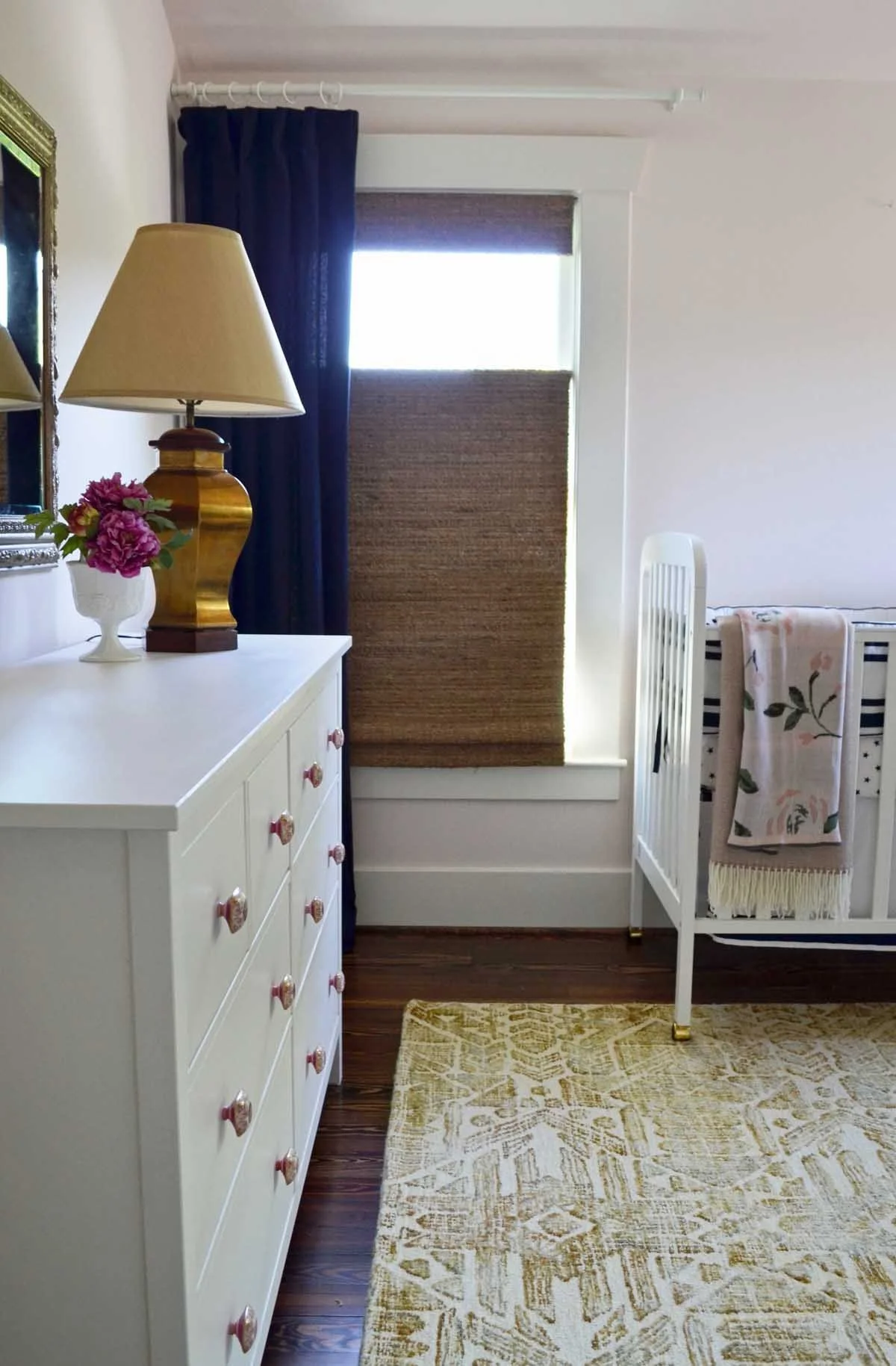
Spend wisely, even in secondary spaces
When adding the final touches to this nursery, Centennial CO interior designer Jamie House Design incorporated an antique mirror and lamp rather than shopping new.
Investing in Local Talent
Beyond selecting products, choosing to work with local interior designers, architects, and builders is another way to uphold the beauty of community-driven craftsmanship. Denver is home to an incredible wealth of design talent, and by hiring local professionals, you’re not only receiving bespoke expertise but also contributing to the vibrancy of our city’s creative industry. At Jamie House Design, we believe in the transformative power of working closely with clients to craft spaces that feel deeply personal, timeless, and soulful.
Sustainability as a Value
For many, sustainability is a guiding principle when making design decisions. From sourcing reclaimed materials to selecting furniture crafted with eco-conscious practices, every detail has the potential to lessen our environmental footprint. Thoughtful interior design isn't just about aesthetics—it’s about creating a home that supports your values, nurtures your well-being, and stands as a reflection of the world you wish to see.
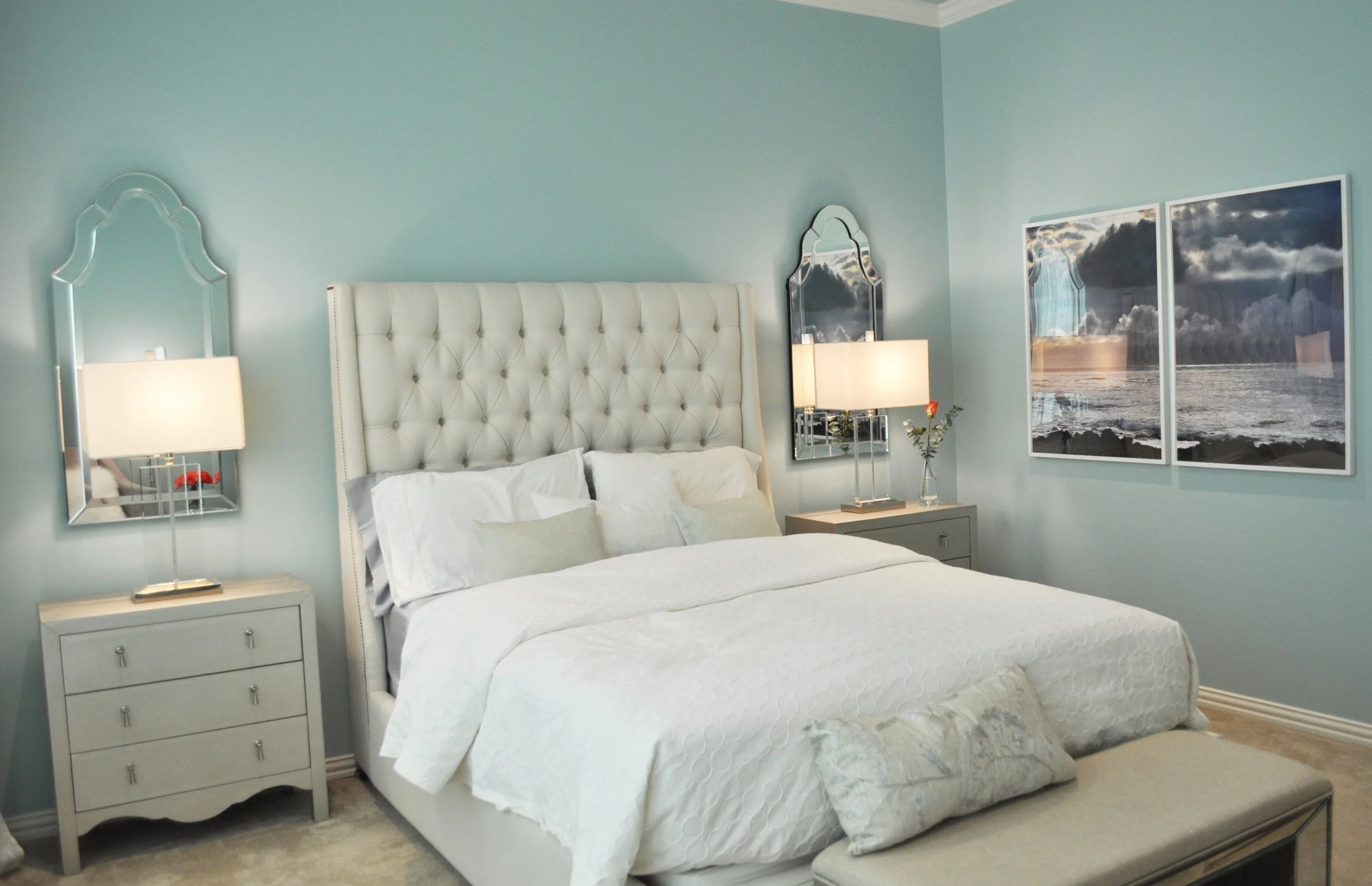
Creative art sourcing
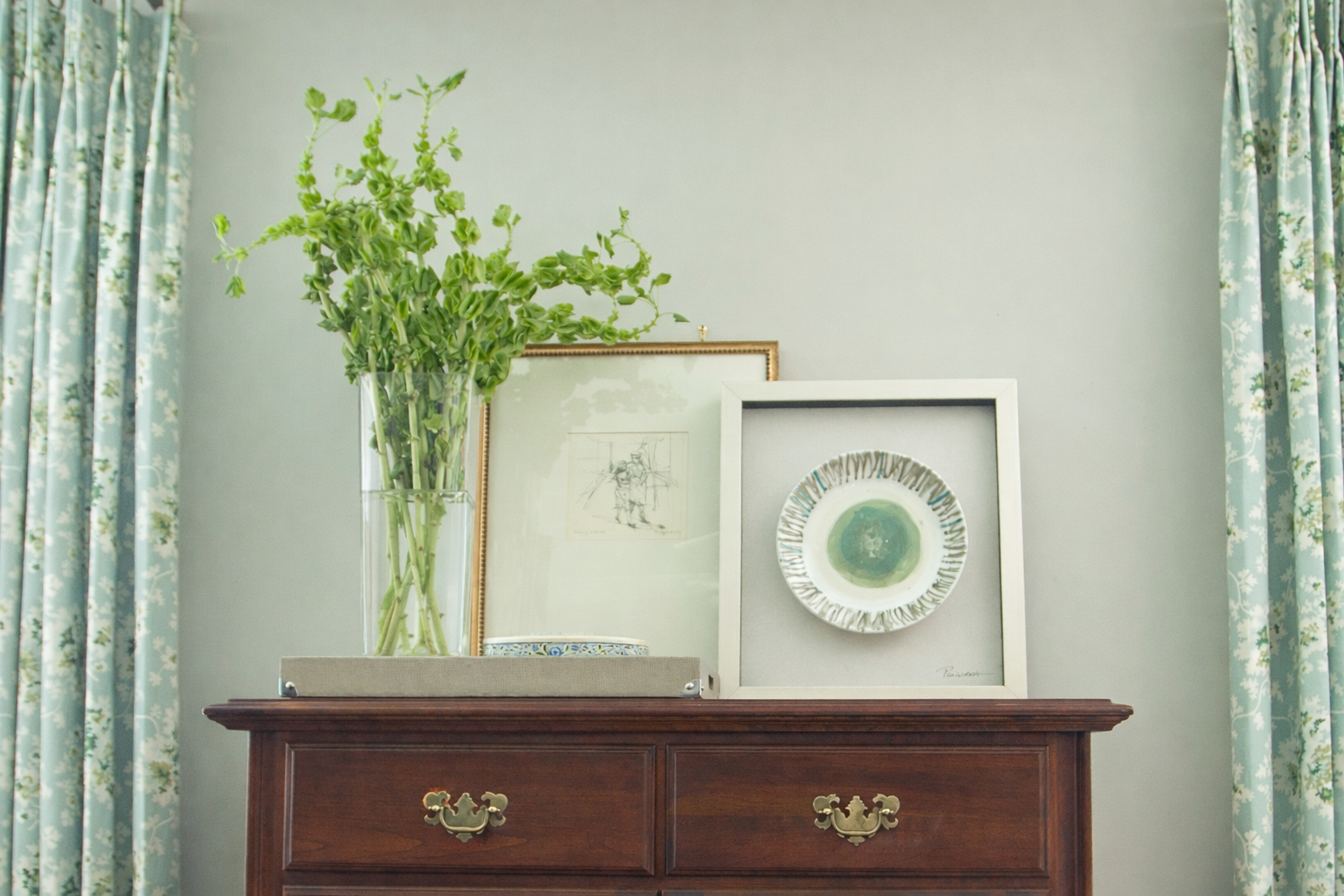
In this family focused home, even the primary bedroom incorporates the children. Centennial CO interior designer Jamie House Design framed the children’s art in sophisticated frames over the nightstands. The art looks high-end and contemporary while also being deeply personal and nostalgic.
Thoughtful Living, Thoughtful Design
The home is our most sacred space. It is where we rest, gather, dream, and create. Choosing where and how we spend our money in the design process is an act of intention—one that shapes not just the beauty of our surroundings but also the world beyond our walls. Whether it’s by supporting local businesses, prioritizing sustainability, or working with artisans who pour their hearts into their craft, every decision is an opportunity to design with meaning.
At Jamie House Design, we create interiors that are designed for the soul—spaces imbued with beauty, integrity, and purpose. If you’re seeking a Centennial, CO interior designer or a luxury interior designer in Denver, we would love to help you craft a home that aligns with your vision and values.
The Art of Layered Lighting in High-End Interior Design
When designing a luxury home, lighting is often the unsung hero that elevates a space from ordinary to extraordinary. Layered lighting is the strategic use of multiple light sources to create an adaptable and inviting atmosphere in any room. More than just a design element, this approach enhances both aesthetics and functionality, making every space more livable and enjoyable.
As a leading interior designer in Denver, we at Jamie House Design specialize in crafting high-end residential interiors with meticulous attention to lighting design. Whether you're in Littleton, CO, or the heart of Denver, mastering layered lighting is key to achieving a balanced, well-lit home.
When designing a luxury home, lighting is often the unsung hero that elevates a space from ordinary to extraordinary. Layered lighting is the strategic use of multiple light sources to create an adaptable and inviting atmosphere in any room. More than just a design element, this approach enhances both aesthetics and functionality, making every space more livable and enjoyable.
As a leading interior designer in Denver, we at Jamie House Design specialize in crafting high-end residential interiors with meticulous attention to lighting design. Whether you're in Littleton, CO, or the heart of Denver, mastering layered lighting is key to achieving a balanced, well-lit home.
“Design is defined by light and shade, and appropriate lighting is enormously important.”
What is Layered Lighting?
Layered lighting is all about combining different types of light to add depth, dimension, and character to a space. Think of it like a chef using multiple ingredients to create a complex, flavorful dish. In high-end interior design, layered lighting ensures that a room is both visually stunning and highly functional.
Imagine stepping into a living room where soft overhead lighting sets a warm glow, accent lamps highlight carefully curated art, and task lighting transforms a reading nook into the perfect retreat. This multifaceted approach allows you to tailor the atmosphere to match any mood or activity, from a lively gathering to a peaceful evening of relaxation.
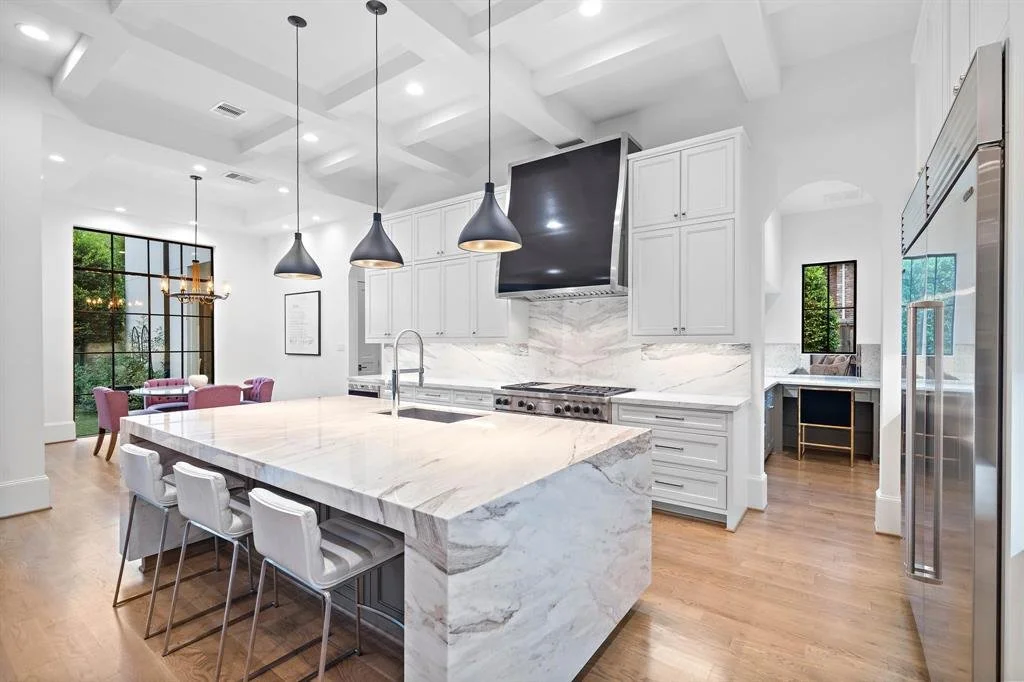
This open plan kitchen design connects the dining room and family room.
The layered lighting includes recessed lights, directional task lights over the counters, LED strip lights within the open shelves, pendants over the island, and a complimentary chandelier over the dining table. Unseen are the lamps in the family room. This layered approach gives the family options to change lighting levels throughout the day.
The Three Key Layers of Lighting
1. Ambient Lighting: The Foundation
Ambient lighting provides the overall illumination for a space. It creates a comfortable baseline of light, often through ceiling-mounted fixtures, recessed lighting, or large windows that allow natural light to flood in.
Ceiling-mounted fixtures are a staple of ambient lighting, casting a soft, even glow across the room.
Suspended lights like chandeliers or pendant lights add style and focused illumination over key areas.
LED light strips can subtly highlight architectural details, such as tray ceilings or built-in shelving.
Dimmable controls allow for versatility, ensuring the right mood for different times of the day and seasons.
2. Task Lighting: Precision and Functionality
Task lighting is essential for areas that require focused illumination, such as kitchen counters, home offices, and reading nooks. It provides direct light to help you comfortably perform specific tasks.
Under-cabinet lighting in kitchens enhances both function and ambiance.
Desk lamps and bedside sconces provide localized lighting for reading or working.
Bathroom vanity lighting ensures even illumination, eliminating shadows for grooming and makeup application.
Combining task lighting with decorative elements ensures that spaces remain practical while still feeling refined and luxurious.
3. Accent Lighting: The Finishing Touch
Accent lighting adds drama and visual interest, spotlighting architectural features, artwork, or statement furniture.
Picture lights and gallery lighting bring attention to paintings and sculptures.
Cove lighting along ceilings or behind mirrors creates a sophisticated glow.
Recessed or track lighting can highlight textured walls, fireplaces, or bookshelves.
Luxury homes often incorporate smart lighting systems like Lutron, which allow homeowners to pre-set lighting scenes that adjust automatically throughout the day. These systems seamlessly integrate with motorized window treatments and solar shades to adapt to the changing natural light, ensuring your home is always perfectly illuminated.
Wall sconces in bedroom design
These multi-layered wall sconces being installed over a built-in upholstered headboard provide both task and general lighting to the space, while also providing the artful sculptural element.
Switches for the sconces are installed to be above the nightstands for easy operation by the client.
Bold accent lighting
An unexpected lighting installation technique is selecting a grouping of interesting pendant lights over a dining table rather that 1 large chandelier. In this space Jamie House Design is incorporating a punch of red where red doesn’t play prominently in the whole of the interior design.
Always remember to add a dimmer to your decorative lighting. This enables you to set the mood of the dinner party to fit your theme.
Elevate Your Home with Layered Lighting
Layered lighting is more than just a design choice; it’s an art form that transforms the way you experience your home. Whether you’re seeking a serene retreat or a dynamic entertaining space, carefully curated lighting will enhance your home’s beauty and functionality.
If you're looking to elevate your space with expert lighting design, Jamie House Design is here to bring your vision to life. As a trusted Denver interior designer, we specialize in creating stunning, functional homes tailored to your lifestyle. Contact us today to illuminate your home with style and sophistication!