Interior Selections, Design Tips Jamie House Design Interior Selections, Design Tips Jamie House Design

The Art of Choosing: Trade, Retail, and Custom Furnishings

At Jamie House Design, we curate interiors using a mix of trade, retail, and custom pieces to create a home that is as unique as you are. Our expertise ensures that each selection aligns with your aesthetic, lifestyle, and budget while elevating the overall design.

Navigating the furniture selection process can feel overwhelming, but with the right interior design team, it becomes an exciting journey toward a curated and luxurious home. Whether integrating exclusive trade pieces, sourcing from reputable retail brands, or designing fully custom furniture, our goal is to craft a space that reflects your personality and enhances your daily living experience.

After sourcing furniture for homes across three continents, I've learned this: the best interiors mix trade, retail, and custom pieces strategically. The question isn't which category is "better", it's which approach serves your specific project.

Your 1980s Centennial kitchen renovation has different furniture needs than furnishing new construction in Castle Pines. A historic Littleton dining room requires different solutions than a Highlands Ranch family room. Understanding when to use trade-only sources, retail options, or custom fabrication makes the difference between a home that works and one that doesn't.

Here's what actually matters when you're making these decisions.


Trade Furniture: What "To the Trade" Actually Means

Trade-exclusive furniture isn't available to the general public. You access it through an interior designer who has established accounts with manufacturers and showrooms. This isn't gatekeeping—it's how the industry has structured wholesale purchasing and designer services.

Why I use trade sources for most projects:
The customization options solve real problems. When you're furnishing a room with specific dimensions—say, a narrow living room in a 1970s Centennial split-level, you need a sofa that's exactly 78 inches, not 82 or 86. Trade sources let me specify exact measurements, fabric grade, cushion density, leg finish.

The quality construction justifies the investment. I've specified pieces from Hickory Chair, Lee Industries, and Century Furniture that clients still use 15 years later. Frame construction, joinery methods, spring systems; these details determine whether furniture lasts decades or needs replacing in five years.

The designer relationship streamlines everything. When I order through my accounts, I'm responsible for accuracy. Measurements are confirmed, specifications are documented, delivery is coordinated. If something arrives damaged, I handle it. This accountability costs money (it's built into design fees), but it removes the homeowner from managing vendor relationships.

What you're trading for this:
Longer lead times. Most trade furniture is made to order, which means 8-16 weeks from order to delivery. Some custom upholstery takes longer. If you need a sofa in three weeks, trade isn't the solution.

Higher minimum investment. A quality trade sofa typically starts around $4,000-$6,000 before fabric. Add performance fabric or leather, and you're looking at $6,000-$10,000+. This isn't arbitrary pricing, it reflects construction quality and customization options.

Final sale commitments. Custom orders can't be returned. This is why the design process matters. We confirm every detail before ordering because changes after production starts are usually impossible.

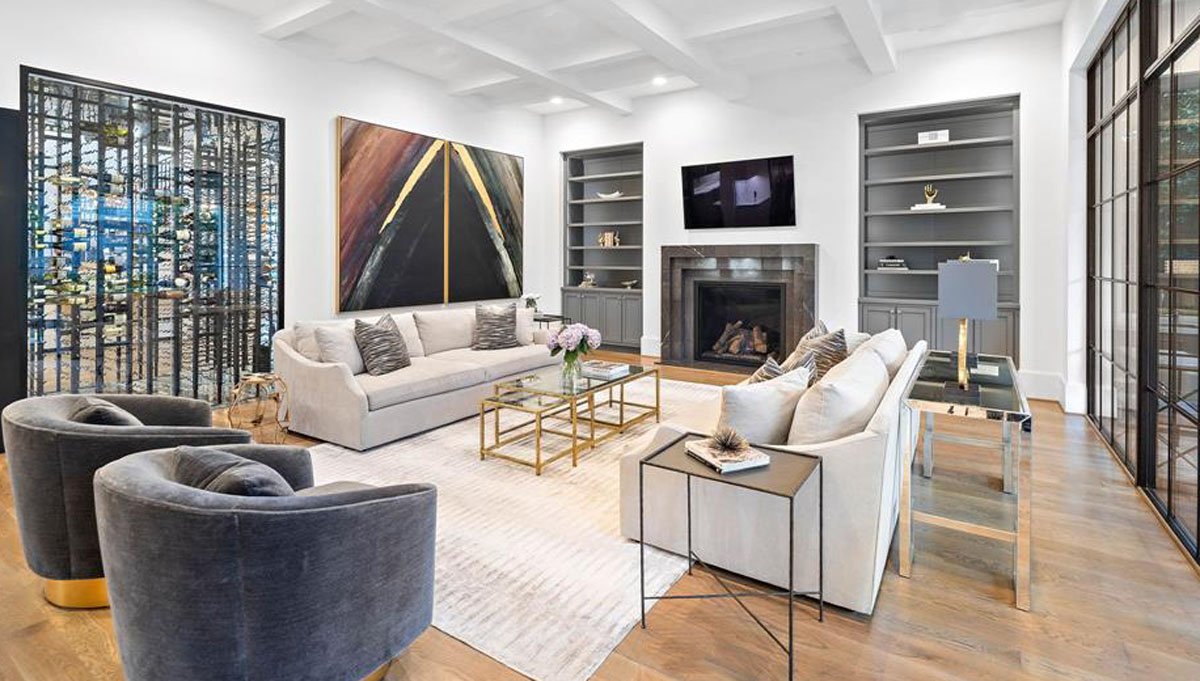
Living room designed by Centennial interior designer Jamie House Design

The Accessibility of Retail Furnishings

Retail furniture offers immediacy and convenience, catering to those who seek a quick yet stylish solution. Brands such as Crate & Barrel and Restoration Hardware provide readily available options that can beautifully complement a well-designed space.

When Retail Makes Sense:

  • Shorter lead times and readily available stock.

  • An approachable price point for select pieces.

  • Convenience of online browsing and easy returns.

Drawbacks to Consider:

  • Limited customization—dimensions, materials, and finishes are often pre-determined.

  • Designs that follow trends, which may feel outdated over time.

  • Standardized sizing, which may not seamlessly fit unique spaces.

  • The risk of a showroom aesthetic rather than a deeply personal, curated environment.

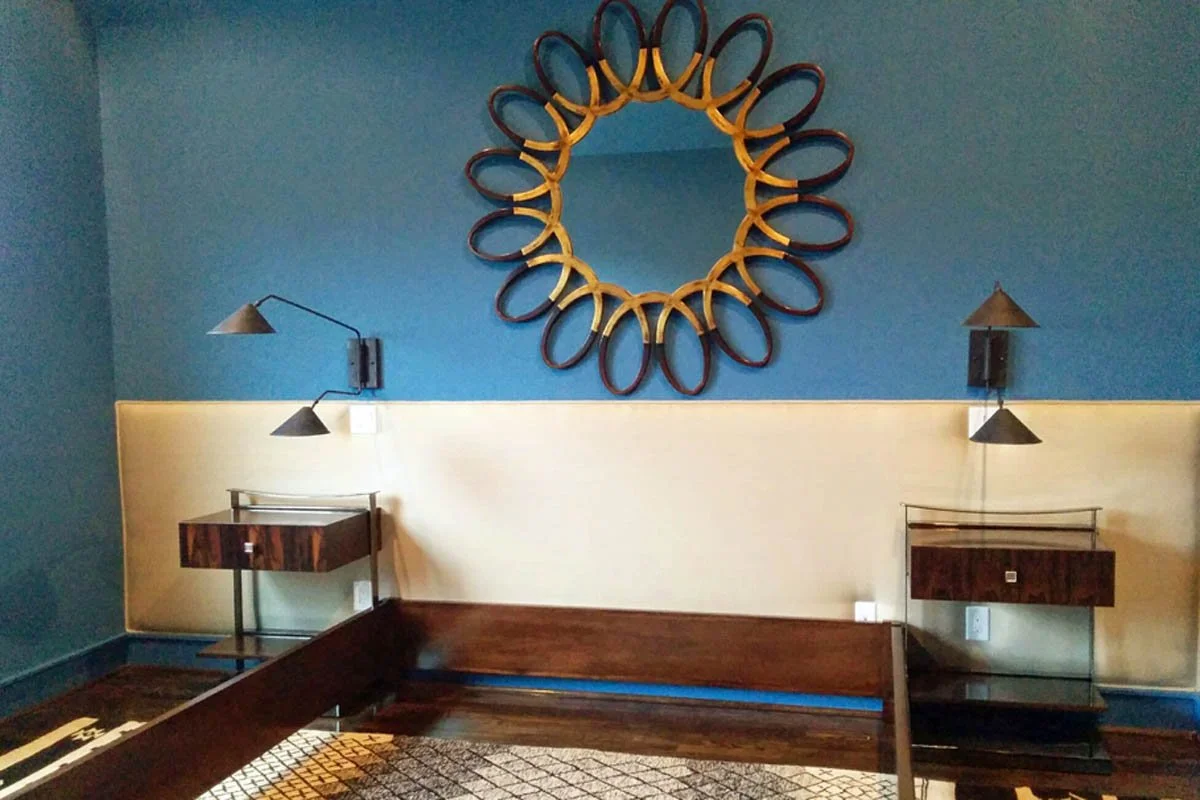
Custom designed bed and window treatments by Centennial Interior Designer Jamie House Design

The Soul of Custom Craftsmanship

Custom furnishings are the pinnacle of luxury; each piece conceived and crafted as an extension of the homeowner’s story. This is where artistry meets intention, and where form and function are in perfect harmony. For those who revere originality, craftsmanship, and a truly tailored home, custom is the ultimate expression of refinement.

Why Invest in Custom Design?

  • Furniture that is designed exclusively for you, ensuring a flawless fit for your space and lifestyle.

  • A vast selection of premium materials, sourced and selected with care.

  • The opportunity to collaborate with master artisans, supporting craftsmanship and sustainability.

  • Freedom from supply chain delays and excess packaging waste associated with mass production.

  • The ability to test comfort, refine proportions, and perfect every design detail before completion.

Things to Keep in Mind:

  • A higher investment that reflects the quality and exclusivity of the piece.

  • Longer lead times as each item is handcrafted to order.

  • Custom pieces are non-refundable, reinforcing the need for thoughtful design guidance.

This living room provides the best of what interior design can offer. Jamie House Design used the client’s existing sectional, reupholstering it. Then designing custom pillows and a custom marble and iron cocktail table. The pendant in the breakfast room is retail while the breakfast table and chairs are trade furniture pieces. I believe strongly that the most beautiful spaces are a curated mix of trade, retail, and custom furniture pieces.

How I Actually Work With Trade, Retail, and Custom Sources

I don't approach furniture selection ideologically. The living room photo above shows exactly how I work: the client's existing sectional (reupholstered), custom pillows I designed, a custom marble and iron cocktail table I had fabricated locally, retail pendant lights in the breakfast room, and trade furniture for the dining pieces.

Mixed sourcing isn't a compromise, it's strategic. Each source type solves specific problems.

For a Centennial kitchen renovation, I might specify custom cabinetry (because nothing stock fits that 1985 layout), trade counter stools (because you need exact seat height and durable upholstery), and retail pendant lights (because the lead time works and the style is right). For Castle Pines new construction, I might design a custom media console (because builder-grade proportions are wrong for the space), order a trade sectional (because you need performance fabric that actually performs), and source retail accent chairs (because the style you want is available now at the right price point).

The mix changes with every project because every home is different.

What matters more than the source:
Does the piece solve your actual problem? A custom dining table makes sense when your room dimensions are unusual or you have a specific vision. It doesn't make sense just because "custom sounds better."

Does the quality match your investment? I've specified $2,000 retail sofas for partial design clients managing their own budgets, and $15,000 custom sofas for full-service clients building heirloom furniture. Both were the right choice for those specific projects.

Does the timeline work? If you're moving in 10 weeks, custom furniture with a 16-week lead time isn't the solution, regardless of how perfect it would be.

Working Together on Furniture Decisions

If you're working with me on a full-service project in Centennial, Castle Pines, Highlands Ranch, or Littleton, furniture sourcing is part of the process. I present options across different sources based on your budget, timeline, and how the piece needs to function. We discuss trade-offs honestly: this custom option costs more but fits your space exactly; this retail piece is available faster but won't be quite as durable; this trade source gives you the fabric performance you need for kids and dogs.

For consultation and partial design clients, I provide furniture specifications and source recommendations. You handle the actual purchasing, which means you'll need to navigate trade access (some sources sell to the public at different pricing, some don't sell to the public at all), lead times, and delivery logistics yourself.

The service structure you choose determines how much of this I manage versus how much you manage. Both approaches work, they just require different levels of involvement from you.

If you're renovating a South Denver home and trying to figure out whether that sofa should be custom, trade, or retail, let's talk about your specific project. The answer depends on your space, your timeline, your budget, and how you actually live.


Jamie House Design provides interior design services for residential clients in Centennial, Castle Pines, Highlands Ranch, Littleton, and surrounding South Denver suburbs. Services include design consultations, partial design services, and full-service interior design from architectural planning through final installation.

Read More
Interior Selections Jamie House Design Interior Selections Jamie House Design

High-Low Interior Decoration: Elevating Retail Accessories

As an interior designer, I firmly believe in the power of mixing custom, designer-only furniture with thoughtfully selected retail accessories to create a layered, high-end look. A curated home isn’t about everything being bespoke or everything being from a retail store—it’s about the mix. At Jamie House Design, we source from places like the Denver Design Center for one-of-a-kind, trade-only pieces, but we also incorporate beautifully designed retail finds to balance out a space.

First, this post is not sponsored—just sharing what I’m loving right now. As an interior designer, I firmly believe in the power of mixing custom, designer-only furniture with thoughtfully selected retail accessories to create a layered, high-end look. A curated home isn’t about everything being bespoke or everything being from a retail store—it’s about the mix.
At Jamie House Design, we source from places like the Denver Design Center for one-of-a-kind, trade-only pieces, but we also incorporate beautifully designed retail finds to balance out a space.

Retail stores like CB2 have been stepping up their game, offering stylish, well-designed pieces that complement high-end interiors. Pairing these accessible finds with custom furnishings from designer showrooms creates a dynamic space—one that feels curated, personal, and unique.


Statement Lighting: Small Details, Big Impact
Lighting is one of the best ways to add character to a room, and retail lighting pieces can seamlessly blend with designer furnishings.

Domes Black Marble Table Lamp
A bold lamp choice can elevate any space. Even in a traditional setting, a modern, sculptural lamp adds an unexpected, high-design touch. Think of it as the little hidden tattoo of your room—an element of surprise and personality.

Santorini Table Lamp
A cobalt blue lamp is an unexpected way to introduce color without overwhelming a space. While retail lamps come with standard shades, consider customizing with a designer fabric for a one-of-a-kind look.

Algarve Ceramic Table Lamp
I almost cringe at this lamp. I love it. And then I hate myself for loving it. It’s so 80’s Golden Girls (but neutral and not pink THANK GOODNESS). But still I love it. It’s not giant, it’s only 23”H. We used them in a bedroom recently. They appear much higher end than they are. Neutral nothings but in an interesting shape that keeps them from being boring. Get a pair.

Umbrella Marble Base Brass Cone Floor Lamp
Reasons for loving this lamp: the small base/ footprint means it’ll fit almost anywhere, the brass shade adds a touch of glimmer to a room at a height that usually only has white lampshades or nothing, It’s simple. It goes away. For me a floor lamp has to be spectacular or nothing. They take up too much visual room to be mediocre.


Hardware: The Smallest Details Matter

Quality hardware can make a huge impact, and sometimes retail options offer incredible design at a fraction of the price. CB2’s hardware collection provides sleek, modern options that pair beautifully with custom cabinetry from the Denver Design Center.

Barker Matte Black Vertical Wall Mounted Coat Rack
This is my favorite entry wall hook situation. I prefer them in pairs if you have the space. They could be cool in the popular mud room “lockers” too. It’s good in black and brass. I have specified the vertical hook repeatedly in all styles of homes.

Set of 3 Dot Coat Hooks
Instead of bulky towel bars, these sculptural hooks function as both art and practical storage. They dry towels faster and visually declutter bathroom walls.


MIRRORS : Instant Elevation

Able Round Mirror- 48”
This oversized mirror looks far more expensive than it is, making it a perfect high-low piece. It adds drama and presence—ideal for an entryway or above a console.

Specchio Mirror
Part of CB2’s Goop collaboration, this mirror has an organic, asymmetrical shape that adds intrigue without overwhelming a space.


Accessories: Less, But Better
Curating accessories is key. Rather than filling shelves with random objects, be intentional. Mix modern concrete pieces with vintage finds or personal heirlooms. A successful Denver interior design project blends high-end custom furnishings with these thoughtful, layered details.


The Key to a Designer Look
A well-designed home isn’t about where pieces come from—it’s about how they work together. At Jamie House Design, we specialize in creating custom interiors that balance high-end, trade-only furnishings with curated retail finds, achieving that effortless, magazine-worthy look.

Want help achieving this balance in your own home? Reach out to Jamie House Design today and let’s create a space that feels both luxurious and personal.

Read More
Interior Selections Jamie House Design Interior Selections Jamie House Design

High-Low Interior Decoration: Pairing Retail with Designer Pieces

As an interior designer, I believe in blending custom, designer-only furniture with thoughtfully selected retail pieces to create a high-end, curated look. A truly sophisticated home isn’t about everything being bespoke or everything being from a retail store—it’s about the mix. At Jamie House Design, we source from places like the Denver Design Center for exclusive, trade-only pieces while incorporating beautifully designed retail finds to balance a space.

First, this post is not sponsored—just sharing what I’m loving right now. As an interior designer, I believe in blending custom, designer-only furniture with thoughtfully selected retail pieces to create a high-end, curated look. A truly sophisticated home isn’t about everything being bespoke or everything being from a retail store—it’s about the mix. At Jamie House Design, we source from places like the Denver Design Center for exclusive, trade-only pieces while incorporating beautifully designed retail finds to balance a space.

Retail brands like CB2 have stepped up their game, offering stylish, well-designed furniture that pairs seamlessly with custom and antique pieces. Thoughtfully integrating retail selections with high-end furnishings creates a dynamic, curated home—one that feels intentional and timeless.


Best Retail Furniture Finds for a Designer Look

Mill Console Table

A designer favorite, this slim, elegant console table works in nearly any space. At 56” long and only 10” deep, it’s the perfect problem-solver for tight entryways or behind a floating sofa.

Burano Charcoal Grey Leather Sling Chair

This is one of the best retail dining chairs available today. The leather detailing and timeless silhouette make it look high-end. It’s a piece that will remain relevant for years.

Cleo Grey Cantilever Chair

A stunning, durable leather dining chair with perfect proportions—because nobody wants an uncomfortable dining chair. This piece blends seamlessly with traditional or modern settings, making it a go-to for a high-low mix.

Castafiore Upholstered Bench

A refined yet modern end-of-bed bench. The clean lines make it a perfect finishing touch without overwhelming the space.

La Strizza Saddle Leather Bench

A luxurious, versatile bench that works beautifully in front of a fireplace or in an entryway. Its design feels both modern and classic—perfect for a sophisticated, layered interior.

Jelly Bean Coffee Table

A sculptural piece that adds elegance and softness to any space. Rounded edges are not just stylish but also practical, preventing those inevitable shin bumps. This piece has had some manufacturing issue but shipping delays suggest updates are in progress, fingers crossed for its return.

Ballam Side Table

A go-to designer piece featuring a subtle green marble top. Ideal for tight spaces, its understated elegance adds a touch of luxury.

Bordo XL Dining Table

Retail dining tables can be tricky due to size limitations and durability concerns, but this one is an exception. The curved lines make it an elegant choice, and it doubles beautifully as a statement desk.

Archer Lacquered Linen Nightstand

Perfect for low-profile beds, this piece has a chic shape. Pro tip: swap the knob for a brass or wood alternative for a customized touch. And remember—never buy a full matching bedroom set! Mix and match pieces for a curated look.

Gather Leather Wall Mounted Storage Cabinet

A sleek, space-saving storage solution with unexpected leather detailing. Hung in pairs, it can create a modern, asymmetrical media setup for a polished, designer feel.


OUTDOOR FURNITURE


High Style & Timeless Design

A well-designed home isn’t about where you shop—it’s about how you bring pieces together. At Jamie House Design, we specialize in crafting custom interiors that balance high-end, trade-only furnishings with thoughtfully curated retail finds. The result? A home that feels luxurious, personal, and effortlessly stylish.

If you’re looking for Denver interior design expertise to create a timeless, high-style home, reach out to Jamie House Design. Let’s transform your space into something extraordinary.

Read More
Process, Interior Selections Jamie House Design Process, Interior Selections Jamie House Design

How to Choose Exterior Paint Colors for a Bungalow (Or Any Older Home)

Lately, I’ve been deep in the process of selecting the perfect exterior paint color for our charming bungalow. As a designer, I naturally gravitate toward timeless neutrals—there’s something undeniably sophisticated about a soft gray home. But this house, in this neighborhood, feels like it deserves something more vibrant, something with personality. It’s a rare opportunity to embrace color in a way that feels both classic and playful.

I've been thinking about exterior paint for as long as I've owned homes ; which, for a designer, turns out to be both a professional advantage and a mild curse. You see more than most people do.

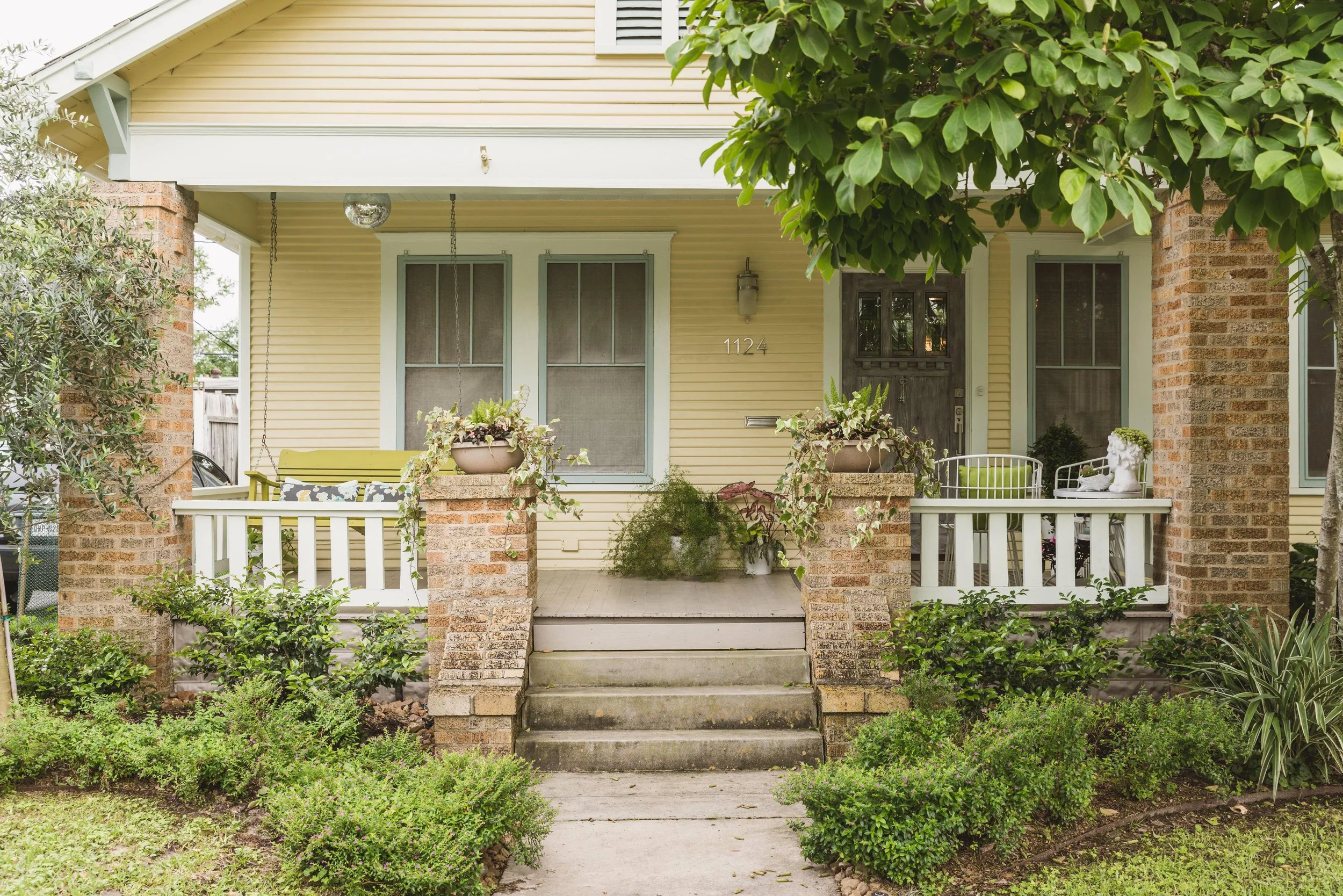
The bungalow I lived in for years in Houston's Heights neighborhood was a particular exercise in this. The Houston Heights is one of those rare urban neighborhoods where the historic fabric is mostly intact, block after block of 1910s and 1920s Craftsman bungalows, each one a slightly different interpretation of the same bones. Getting the exterior color right meant understanding the house, the street, and the specific way that neighborhood holds light. Getting it wrong would have been visible to everyone who walked by.

What I worked out through that process, and through years of doing this for clients, is that exterior color selection for older homes follows a different logic than interior color. Here's how I think about it.

As a designer, I naturally gravitate toward timeless neutrals—there’s something undeniably sophisticated about a soft gray home. But this house, in this neighborhood, feels like it deserves something more vibrant, something with personality.

Listen to what the house is already telling you

This sounds abstract but it's practical. Every house has an existing palette embedded in it; the brick, the stone foundation, the roof color, the wood tones in the siding or trim. Those fixed elements aren't going anywhere, and they're already in conversation with each other whether you acknowledge them or not.

Start there. What undertones does your existing masonry have? Warm or cool? Red or gray? Your paint choices need to work with those, not fight them. A cool blue-gray that looks beautiful in a showroom can turn muddy against warm brick. A warm cream that seems safe can look dingy next to a cool gray roof.

On my Houston bungalow, the roof had warm brown tones and the foundation brick ran slightly reddish. That ruled out anything with strong cool or purple undertones and pointed me toward yellows, warm whites, and greens; all of which have historically been right for Craftsman bungalows anyway.

Read the street, not just your lot

Exterior paint exists in context. Your house is part of a block, a neighborhood, a visual conversation between buildings. That's especially true in historic neighborhoods, in Littleton's Old Town, in Houston's Heights, in any area where the housing stock was built within a generation of itself and shares an architectural language.

This doesn't mean matching your neighbors. It means being aware of the palette around you and making a deliberate choice about how your house relates to it. Two houses in the same blue on the same block reads as accidental. A house that picks up one undertone from the prevailing neighborhood palette while expressing its own character reads as considered.

On my street in Houston, there were two blue houses within a few doors. That's what took aqua off my list, not because aqua is wrong for a bungalow (it isn't), but because it would have read as copying rather than contributing.

Trim is where character lives

Bungalows and Craftsman homes have architectural detail worth highlighting, the exposed rafter tails, the porch columns, the window surrounds, the brackets. Trim color is how you direct the eye to those features or let them disappear.

High contrast between body and trim, a dark body with white trim, or a light body with a deeper accent, makes the architectural detail legible from the street. Lower contrast softens it. Neither is wrong, but they produce different results and suit different houses.

The thing most people underestimate: you typically need at least two trim colors on a Craftsman bungalow to do it justice. A primary trim color for the bulk of the woodwork, and a second accent color for the front door, window sashes, or specific detail elements. That's where the personality comes in without overwhelming the whole composition.

this house, in this neighborhood, feels like it deserves something more vibrant, something with personality. It’s a rare opportunity to embrace color in a way that feels both classic and playful.
An aqua exterior was also a contender, but with two blue homes on either side, it might feel redundant. And as much as I adore green, this house just doesn’t seem to embrace it—it’s important to listen to what a home naturally lends itself to.

Colorado light changes everything

If you're working on an older home in Centennial, Littleton, or anywhere along the Front Range, there's a factor that doesn't apply in most of the country: Colorado's light is intense. UV exposure here is significantly higher than in most other states, which affects both how colors appear and how long they hold up.

Colors that look accurate in a mid-Atlantic or Pacific Northwest light condition often read differently here. Whites can appear stark and clinical rather than crisp. Yellows can wash out. Deeper colors can fade faster than the paint spec suggests.

A few things worth knowing for Colorado specifically: look for exterior paints with high UV resistance ratings, not just coverage ratings. Test your samples at different times of day — morning light versus afternoon light at altitude can shift a color significantly. And if you're painting a south-facing wall, test in that exact exposure rather than in shade.

My post on choosing paint colors for Colorado's light goes deeper on this if you're also working through interior colors at the same time.

The house I kept

The Houston Heights bungalow ended up as the project I'm proudest of from my Texas years, not because it was the most elaborate, but because it was mine. Every decision was tested against how I actually wanted to live in it, which is a useful discipline.

The exterior landed on a warm pale yellow with white and soft aqua trim, not trendy aqua, but the quieter blue-green that reads as historically accurate for that era and climate. It worked with the street, worked with the roof, and worked with the particular way Houston afternoon light hits a west-facing porch.

You can see the full project, including interior work, custom built-ins, antique lighting sourcing, and the bathroom remodel in The One I Kept in my portfolio.

Choosing exterior paint for an older home is one of those decisions that rewards slowing down. The stakes are high (it's the most visible surface of the most significant investment most people make) and the variables are specific to your house, your street, and your light. If you're working through it and want a professional eye, that's exactly what a consultation is designed for.

Read More

Search Posts


Featured Posts