Five Home Updates That Make a Difference This Spring
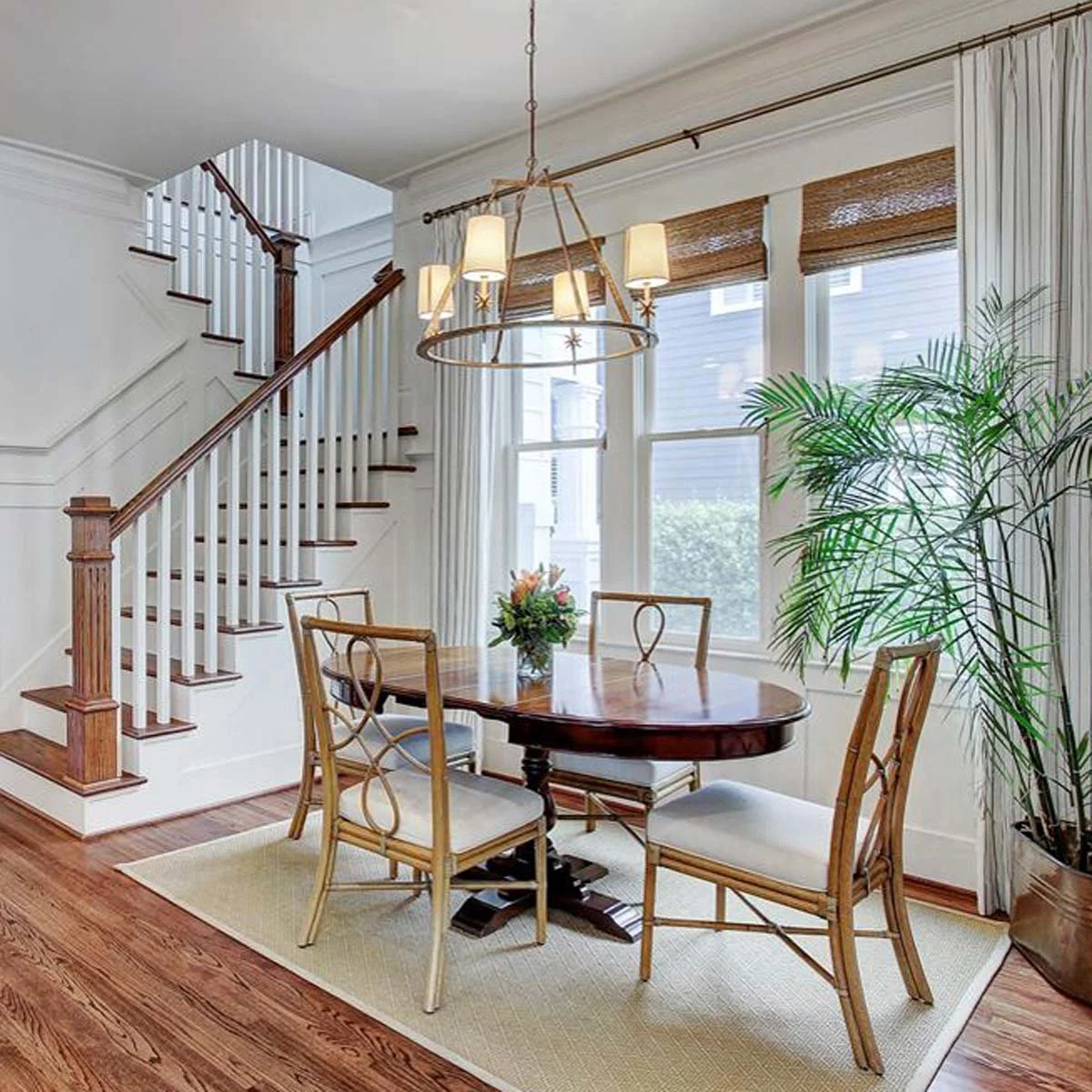
March in Colorado does something interesting to your house.
The light comes back at a new angle. You open the blinds and notice things you'd stopped seeing. The sofa that was fine in November suddenly isn't. The art arrangement that seemed okay in January looks tired. The recessed lighting that you've meant to address for two years is suddenly, undeniably, the problem.
I've been doing this work for twenty years; homes in Berlin, Shanghai, Houston, and now Centennial. The best spring refreshes aren't about trends or seasonal colors. They're about finally addressing what your home has been quietly asking for. Here are five updates that consistently make a real difference.
1. Window Treatments, or Finally Committing to Them
I walk into Castle Pines and Centennial homes regularly where beautiful windows are completely bare. Sometimes for years after construction. The reasons are always reasonable: we love the views, we haven't decided yet, window treatments are expensive.
All true. But bare windows have real costs that compound daily — no privacy, no light control, rooms that feel architecturally unfinished no matter how good the furniture is.
The thing I learned in Berlin:Europeans think about window treatments the way Americans think about walls. They're not decorative, they're structural. The standard approach is layered: sheers for daytime privacy and light diffusion, heavier panels for evening and insulation, sometimes solar shades for glare and UV control. You end up with full light and privacy, which sounds like a contradiction until you live with it.
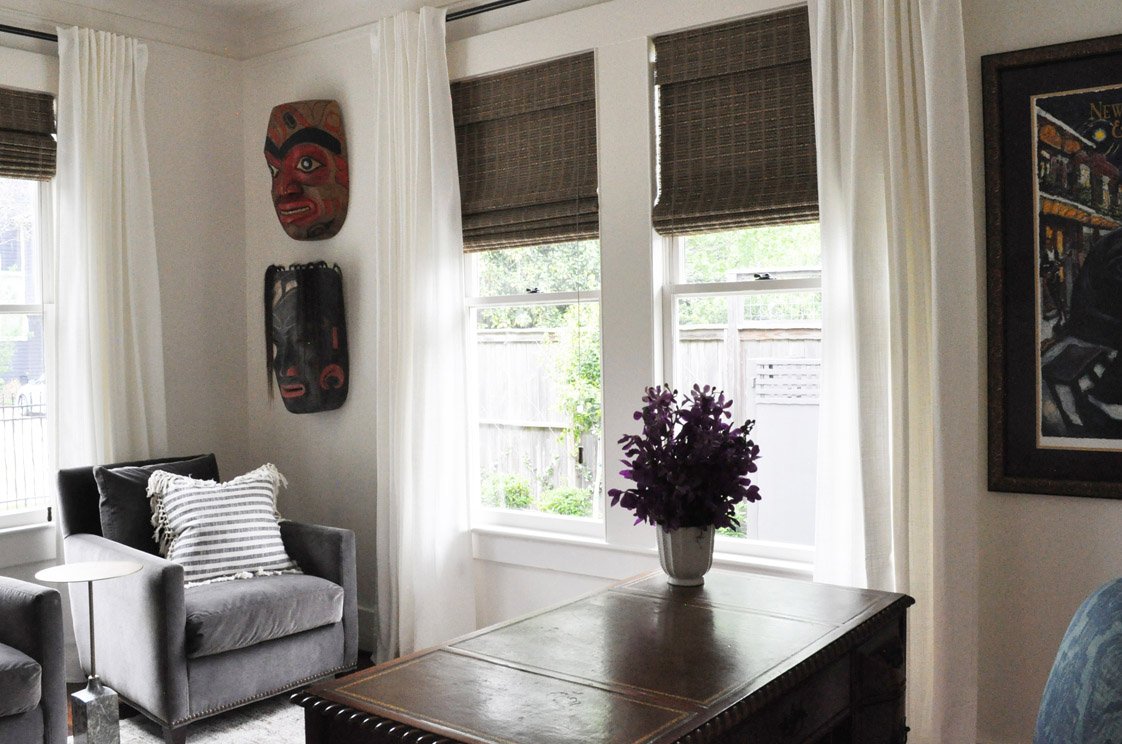
For most Centennial and Highlands Ranch homes with standard windows, I specify linen panels that puddle slightly at the floor, the European convention, not the American hover, over sheer underlayers. The sheers stay closed during the day. You get privacy and warmth without sacrificing light.
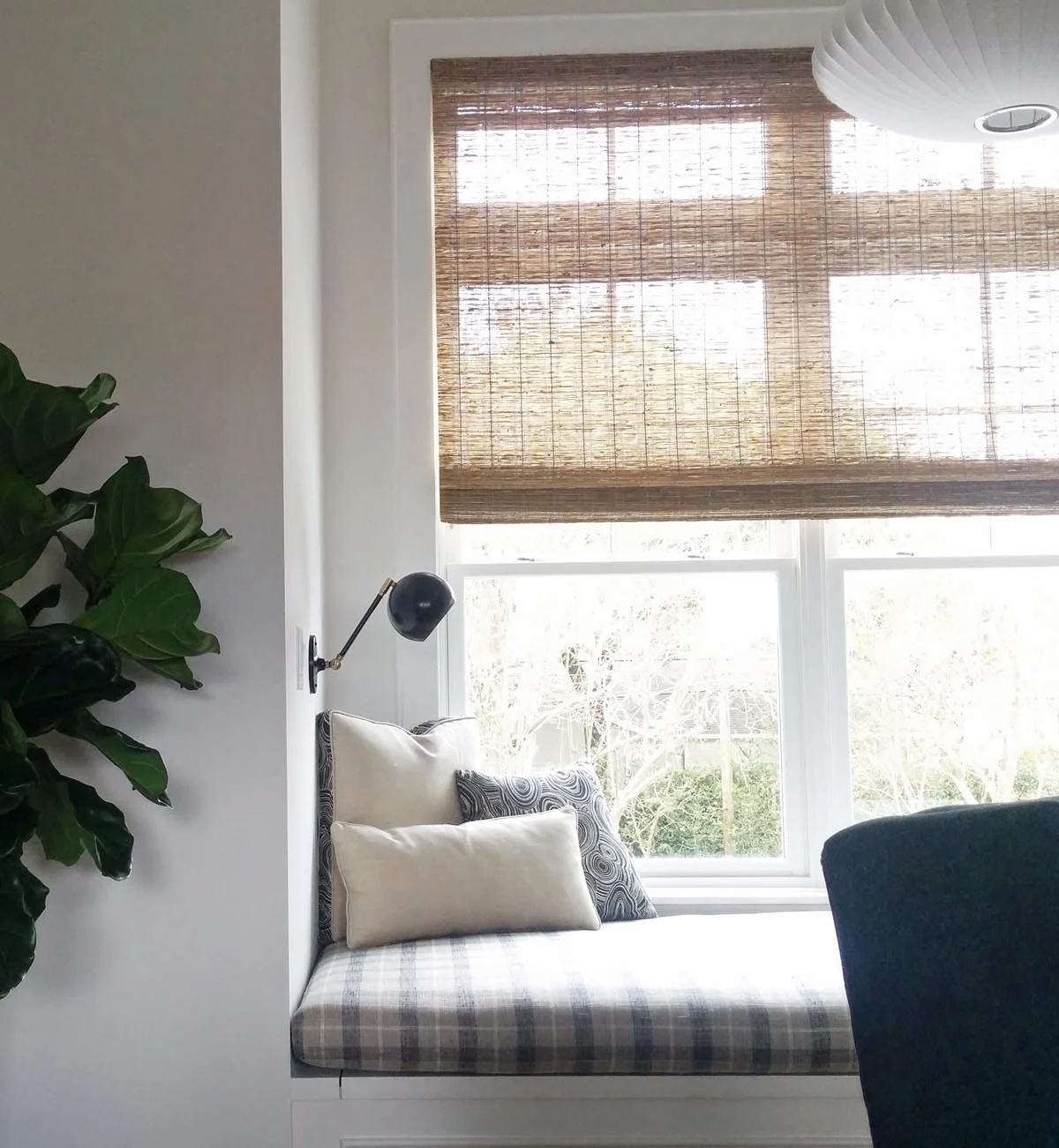
For Castle Pines homes with floor-to-ceiling windows and mountain views, top-down solar shades are the move. Light and UV control without blocking what you actually moved there for.
Spring is the right time for this. You can test configurations as light shifts through the day and notice exactly where the problems are before committing.
Investment: $3,000–$8,000 per room for custom drapery. Solar shades run $800–$2,000 per window depending on size and whether you want motorization.
2. Replace the Builder Lighting in One Room
Most South Denver new construction ships with the same package: recessed cans on a grid, a basic chandelier, standard vanity lights. It's code-compliant. It functions. And it makes every evening feel like you're eating dinner in a dentist's office.
Spring's longer days make this obvious in a way winter obscures. Your spaces feel wonderful during the day when natural light does the heavy lifting. Then 7pm arrives and everything flattens.
The fix isn't replacing every fixture in the house. Pick the one room where you spend evenings and address it there. For most people that's the living room or primary bedroom.
For living rooms, I typically add: dimmable floor lamps flanking the seating area, picture lights or track lighting for art, table lamps on consoles and side tables. The recessed cans stay, they're already there, but they get put on dimmers and become background fill instead of the main event.
For primary bedrooms: hardwired bedside sconces instead of table lamps (better reading light, frees up nightstand space), dimmers on everything, and usually a reduction of overhead lighting rather than an addition to it. Bedrooms should never feel bright.
The principle, borrowed again from Europe: you light what needs to be lit and leave the rest alone. Shadows are not failures of a lighting plan.
Investment: $2,500–$6,000 for meaningful lighting improvements in one room, including fixtures, installation, and electrical work for new dimmers.
3. Commission One Piece That Actually Fits
Production furniture works until it doesn't. Most of us have at least one piece in our home that we bought because it was close enough, and have been slightly annoyed by ever since. The media console that's 72 inches but the wall is 96. The dining table that seats six when you always need eight.
In Europe, custom furniture isn't considered extravagant. It's just practical. Apartments have specific constraints. You build what fits rather than shopping for something close enough.
I worked with a Berlin furniture maker who built all our case goods: dining tables, bedroom storage, entry pieces, media consoles. The cost wasn't dramatically more than quality production furniture. The difference was that everything fit exactly, proportionally, dimensionally, functionally.
Spring is good timing here because of lead time. Custom pieces typically take 12–16 weeks. Commission now, take delivery in late summer or fall.
The process: I design the piece with exact dimensions and specifications, you approve drawings, fabrication starts. No surprises when it arrives. If you have a wall that's a specific width or a ceiling with an unusual height, we account for it before anything gets built.
Investment: Custom case goods typically run $4,000–$12,000 depending on size and complexity. Yes, more than off-the-shelf. Also furniture you keep for twenty years.
4. Actually Finish One Wall
This is the update I see deferred most often. Art hung at tentative heights, surfaces covered with unrelated objects, lone pieces on walls that clearly need companions but never get them. The intention is there. The follow-through isn't.
Rather than trying to address your whole house, pick one surface and complete it properly. One gallery wall. One entry console. One dining room sideboard. Finish it, do it well, and leave it alone.
A few things that make the difference:
For gallery walls: mix frame sizes and orientations (matching frames read corporate), keep spacing consistent at 2–3 inches between pieces, include variety in content. And leave some negative space. A wall doesn't have to be full to be finished.
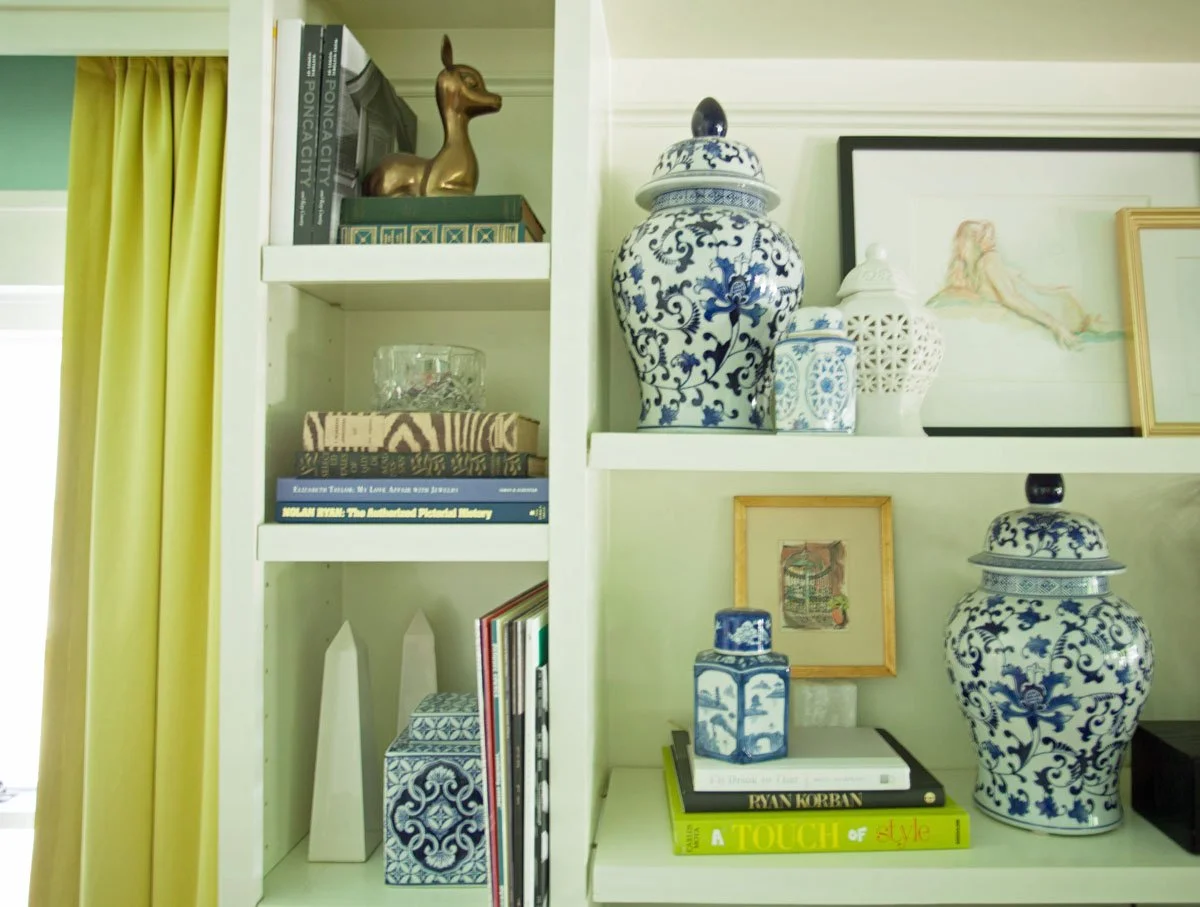
For styled surfaces: group in odd numbers, vary heights, edit down to what you actually love. The most common mistake I see is too much, not too little. I remove more than I add when I style clients' existing collections. The objects are usually fine, they just need editing and room to breathe.
What makes professionally styled spaces look different isn't adding more things. It's restraint, proper spacing, and the confidence to leave something out.
Investment: $0 if you're working with what you own. $500–$2,000 if you're adding a few pieces. I offer styling consultations at $500–$800 if you want a second set of eyes on what you already have.
5. Deal With the Flooring
I know. It's the update people avoid because it feels like the most disruptive. But spring is genuinely the right time — you can open windows, move furniture outside, and you're not about to host Thanksgiving.
If you've been living with builder-grade carpet, worn hardwood, or LVP you've never loved, this is the year. Flooring affects every single day you're in your home. It deserves actual consideration.
What I specify in Colorado homes:
For main living areas, wide-plank white oak — 5–7 inch planks — is the answer almost every time. It works in Centennial ranches, Castle Pines new construction, and Littleton historic homes equally well. Natural matte finish. It ages beautifully in a way engineered products don't.
For bedrooms, I'll say something controversial: I like good carpet. Wool, properly padded. Not builder nylon. It's warm, quiet, and comfortable in a way hardwood isn't at 6am in February.
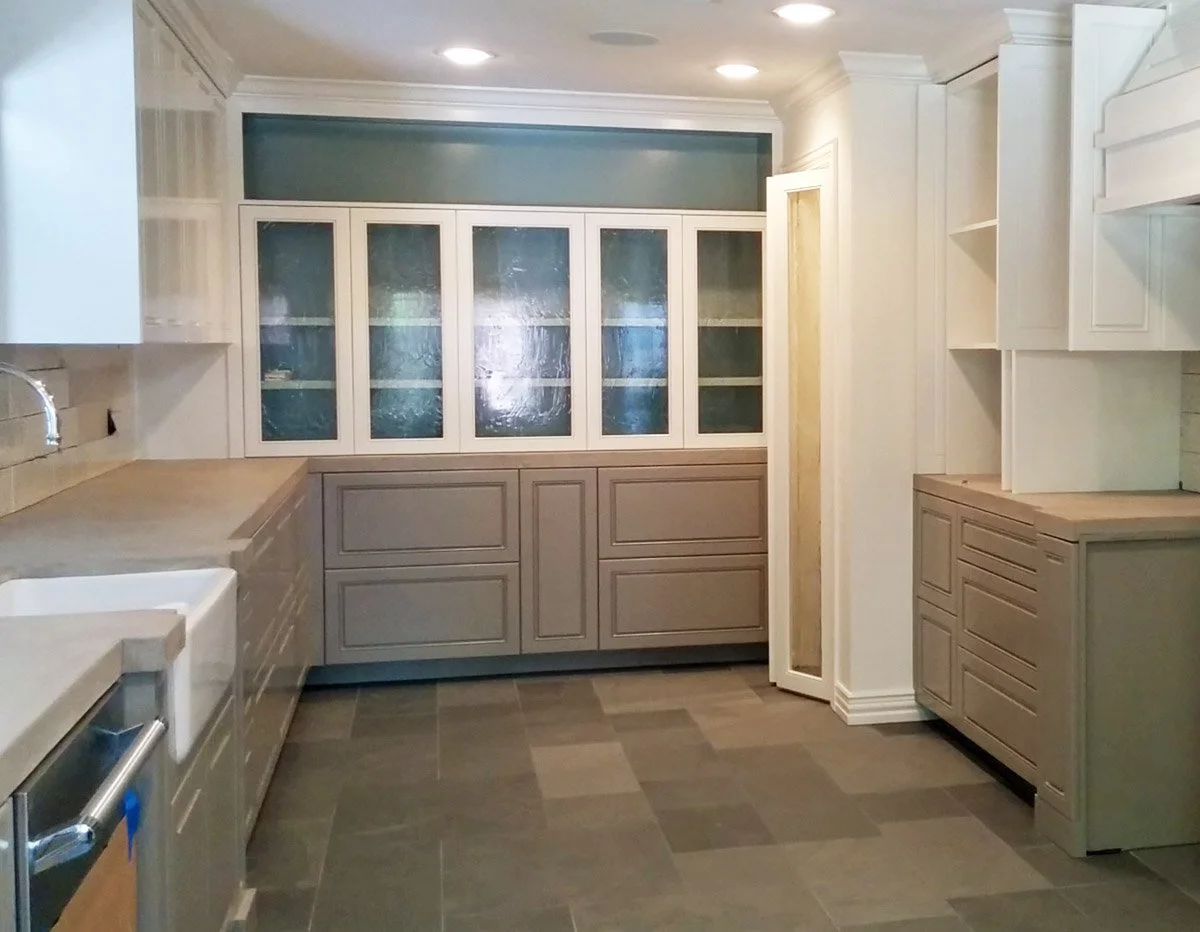
For kitchens and bathrooms: large-format tile (12x24 or bigger) or natural stone. Small mosaics are beautiful until you're cleaning the grout every weekend. And if you're doing a bathroom renovation, heated floors. Colorado mornings are cold and you will not regret it.
For entries: durable stone or porcelain that can handle wet Colorado boots and muddy dogs. This is not where you want precious materials.
Investment: $8–$15 per square foot for quality hardwood installed, $12–$25 for natural stone, $6–$12 for good tile. Main level flooring in a typical Centennial or Highlands Ranch home runs roughly $10,000–$30,000 depending on materials and square footage.
One Last Thing About Spring Refreshes
The updates that make real impact aren't the ones from trend reports. They're the ones that solve problems you've been quietly living with; windows that finally work, lighting that functions after dark, a piece of furniture that actually fits, a wall that's properly finished, floors you're genuinely glad to walk on.
Spring has a way of making these things visible. The light comes back, you look around, and suddenly you know exactly what needs to change.
If you're in Centennial, Castle Pines, Highlands Ranch, or Littleton and are noticing what's not working; sometimes you just need someone to name the problem and give you a plan. That's what consultations are for.
If this was useful, these might be too:
Jamie House Design offers interior design consultations, room design services, and full-service design for residential clients in Centennial, Castle Pines, Highlands Ranch, and Littleton, CO.