How Custom Millwork Changes a Room
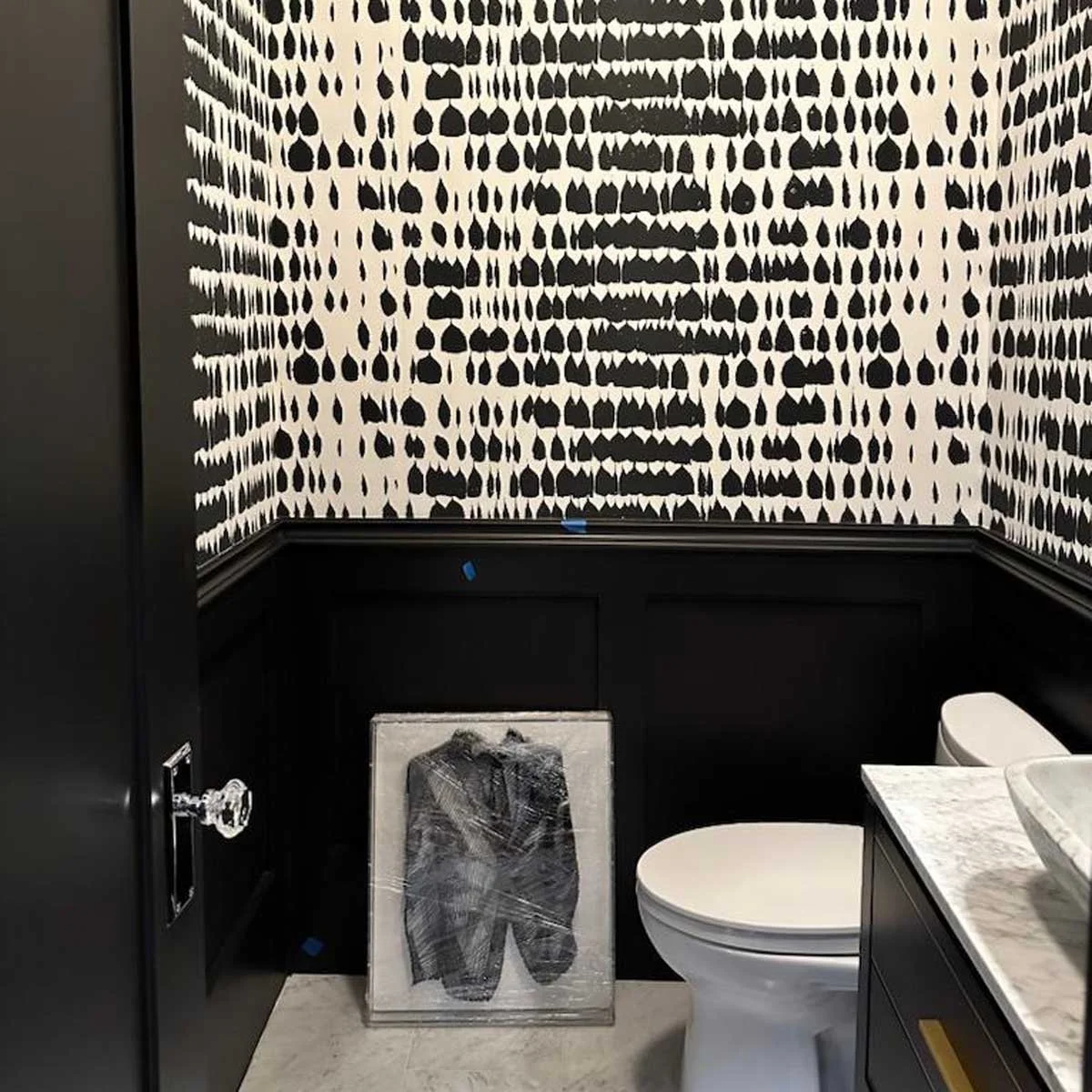
Builder-grade cabinetry is built to a standard size, then filler pieces get added to make it fit whatever's actually there. You can usually spot it immediately, a run of cabinets that almost lines up with the window, a filler strip doing the work an inch of real cabinetry should be doing. It's not wrong, exactly. It's just never quite right either.
Custom millwork starts from the opposite direction, the room's actual dimensions, not a standard size adjusted to fit. That's the whole difference, and it shows up in ways people notice before they can explain why.
What Actually Changes
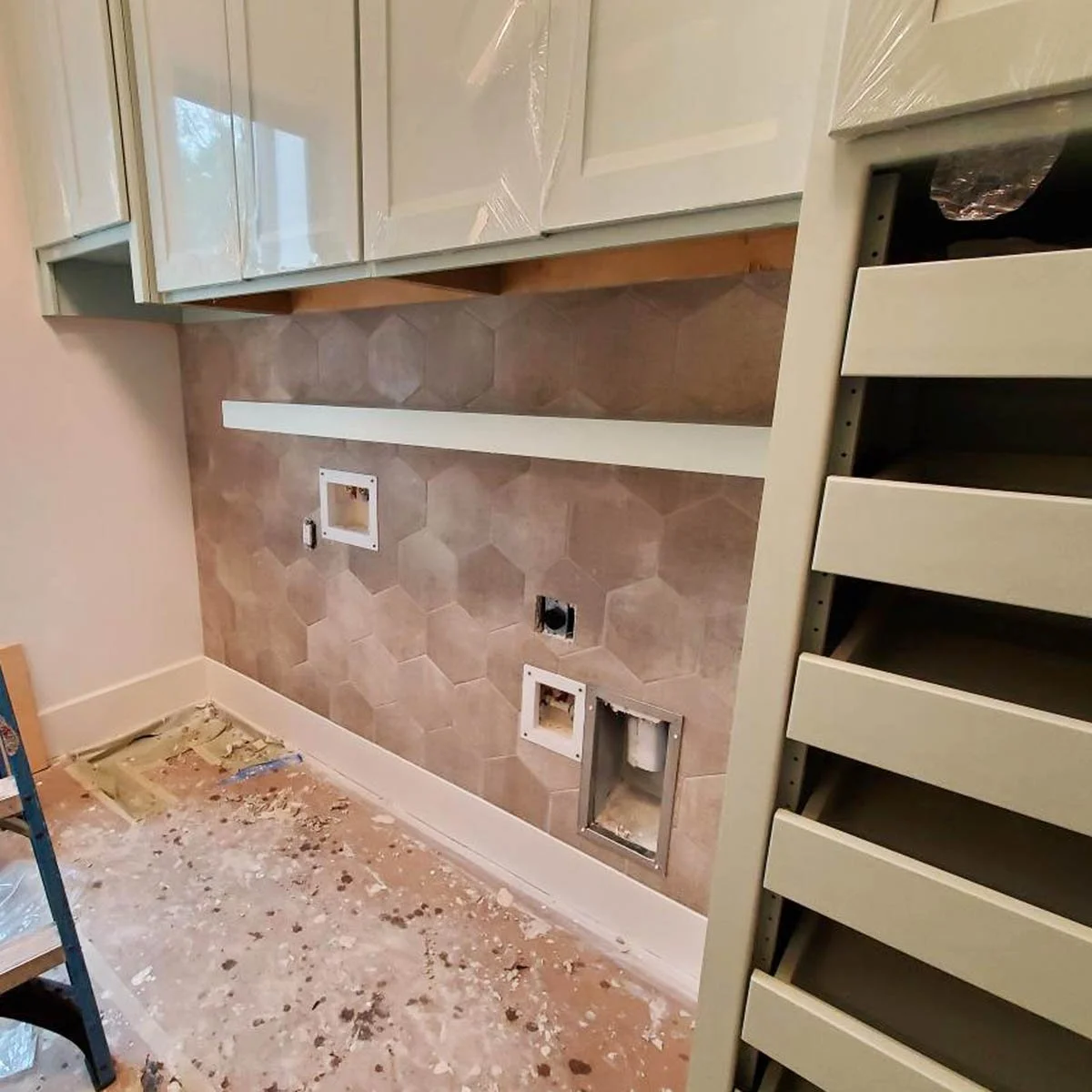
It fits the room instead of the room fitting it. Every inch gets used on purpose, storage in a corner that would otherwise be dead space, a run of cabinetry that lines up exactly with the window rather than stopping short of it. In a kitchen or a bathroom especially, that precision is the difference between a room that works and one that's just adequate.
A bookshelf becomes something worth looking at. Built-ins with the right depth, the right proportions, and thoughtful lighting turn a wall of storage into something closer to a small gallery. The cost is often comparable to a good piece of furniture, and the impact tends to outlast it.
The details carry the room's whole personality. A coffered ceiling, an archway, the moldings on a built-in, these are decisions, not defaults, and they're what separates a house with real architectural character from one that just has walls and cabinets.
It's built to last. Real hardwoods and proper joinery hold up in a way mass-produced cabinetry generally doesn't, no warping, no hinges giving out in five years. That durability is part of what you're paying for, even if it's not the part anyone photographs.
What Goes Into It
Wood species sets the tone before anything else does. Oak brings weight and history. Walnut runs warmer and richer. Reclaimed wood carries a story that predates the install entirely. This is one of the first real decisions, and it shapes everything that follows.
Lighting turns storage into something worth displaying. A little integrated light inside a built-in, or under a run of cabinets, does as much for a room's feel after dark as almost anything else in it.
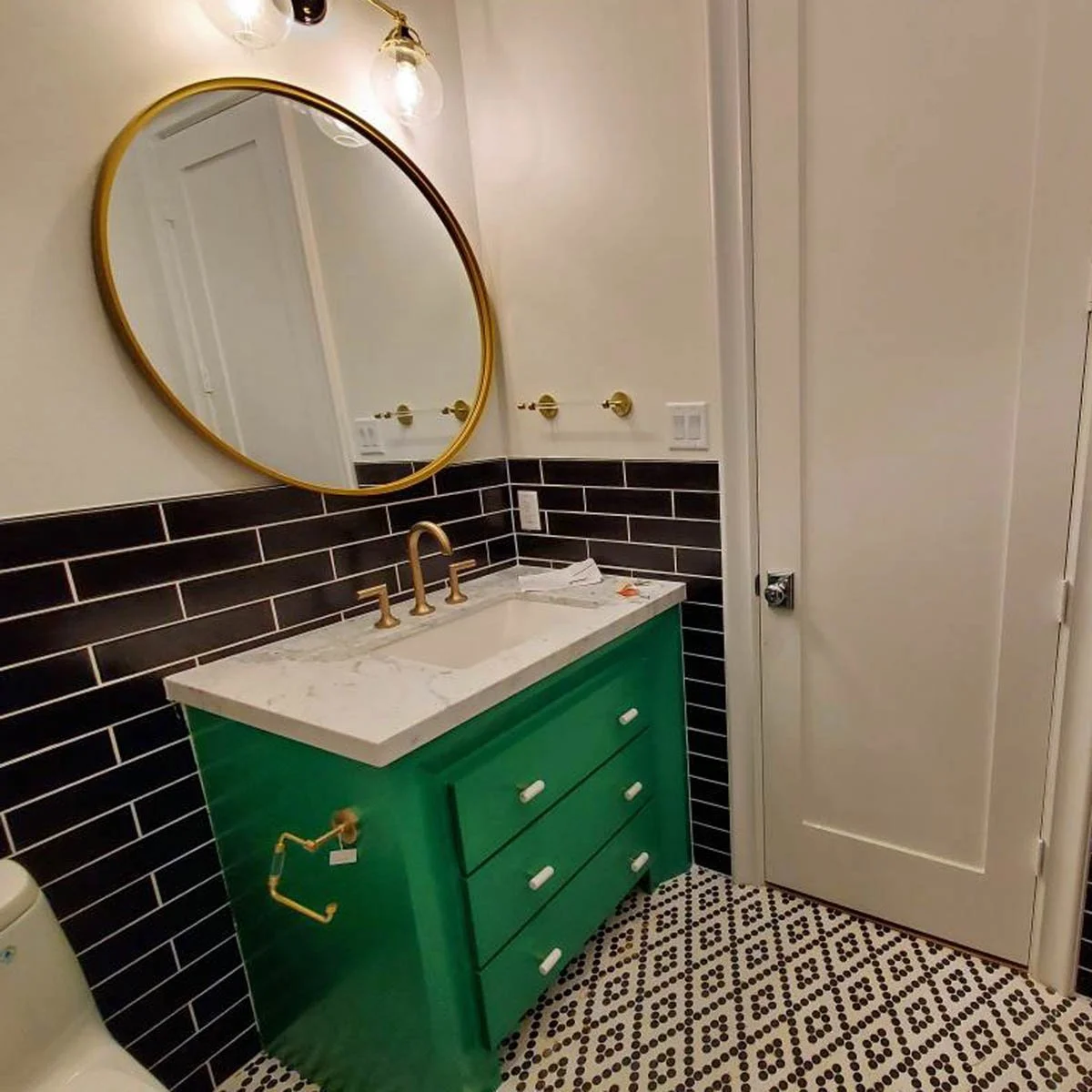
Hardware is a small decision that reads as a big one. Brass, chrome, aged bronze, it's the detail people register even when they can't say why a cabinet run looks finished.
Paint or stain isn't really a compromise between two options, it's two different directions entirely. Paint gives you the full range of color. Stain lets the wood itself do the talking. Neither is the "safe" choice, they're just different answers to what the room is asking for.
Custom millwork is one of the clearer examples of something true across a whole project: the decisions that go unnoticed when they're right are usually the ones that took the most thought. If a room in your home has cabinetry or built-ins that never quite fit, that's often one of the more satisfying things to fix. I'd love to hear about it.
If this was useful, these might be too: