Mountain Modern Interior Design for Denver Suburbs: Highlands Ranch, Centennial & Littleton
The question I hear most often from homeowners in Highlands Ranch, Centennial, and Littleton goes something like this: we love Colorado, we love the mountains, but we don't want our house to look like a ski lodge. How do we get the feeling without the theme?
It's a real design problem, and it's more specific than it sounds. The lodge aesthetic, exposed log construction, antler lighting, plaid everything, is easy to identify and easy to avoid. What's harder is articulating what you actually want instead. Something that feels connected to the landscape. Something that reads as distinctly Colorado rather than anywhere-in-America suburban. Something that uses the natural materials and warm palette that belong to this place without tipping into resort pastiche.
After 24 years designing homes, including the last several focused exclusively on the Denver suburbs, here's how I think about that problem.
The mistake most people make
They start with a style label, mountain modern, rustic contemporary, Colorado casual, and try to decorate toward it. They find images online, identify the recurring elements (shiplap, Edison bulbs, leather sofas, cowhide rugs), and assemble those elements in their home.
The result usually looks assembled. Not because the individual pieces are wrong, but because the decisions were made by category rather than by observation. What makes a home feel grounded in Colorado isn't a set of recognizable objects. It's a relationship between the house, the light, the landscape, and the materials, and that relationship has to be figured out specifically for each house.
The homes I've worked on in Highlands Ranch sit differently in their landscape than the homes in Castle Pines or the older neighborhoods in Centennial. The light conditions are different. The architecture is different. The views, when they exist, are different. A design approach that doesn't account for those specifics produces something that could be anywhere.
What makes a home feel Colorado
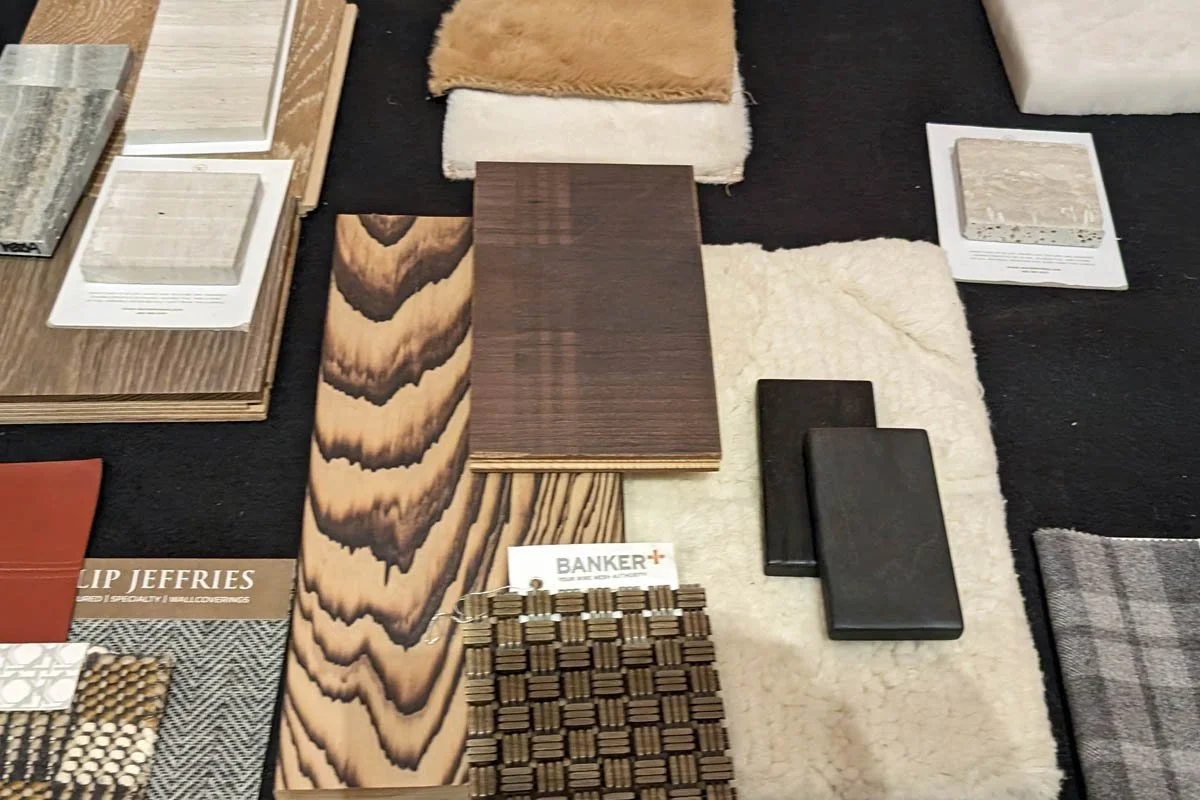
Materials that belong to this landscape. Limestone, white oak, honed stone, natural linen, reclaimed wood, these materials work in Colorado homes not because they're fashionable but because they're appropriate. They connect to the rock and wood and earth of the landscape outside in a way that manufactured surfaces don't. And as I've written elsewhere, they hold up better in Colorado's UV intensity and dry climate than synthetic alternatives.
The distinction I try to make is between materials that reference the mountain landscape and materials that belong to it. Faux stone and laminate wood-look floors reference it. Actual stone and actual wood belong to it. That difference is visible, even when people can't name what they're seeing.
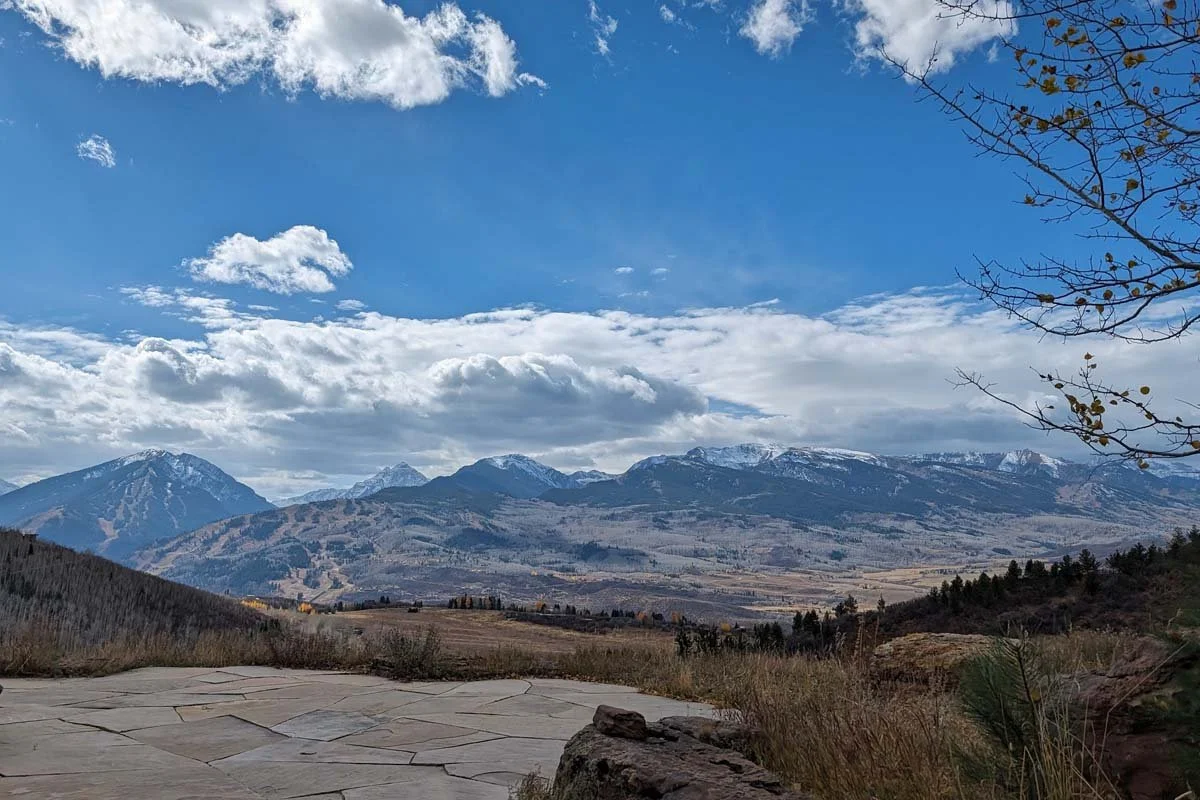
Light handled honestly. Colorado's high-altitude light is one of the most distinctive things about living here. It's bright, it's clear, and it changes dramatically across the day and across seasons. A home that ignores this, that treats windows as a view feature without thinking about how light moves through rooms, misses one of the strongest design assets this place offers.
In practice this means thinking about which rooms get morning light versus afternoon light, and designing those rooms to work with their actual light condition rather than against it. It means window treatments that manage intensity without blocking light entirely. It means material and color choices made by observing the room at different times of day, not by selecting from a color chip under fluorescent store lighting.
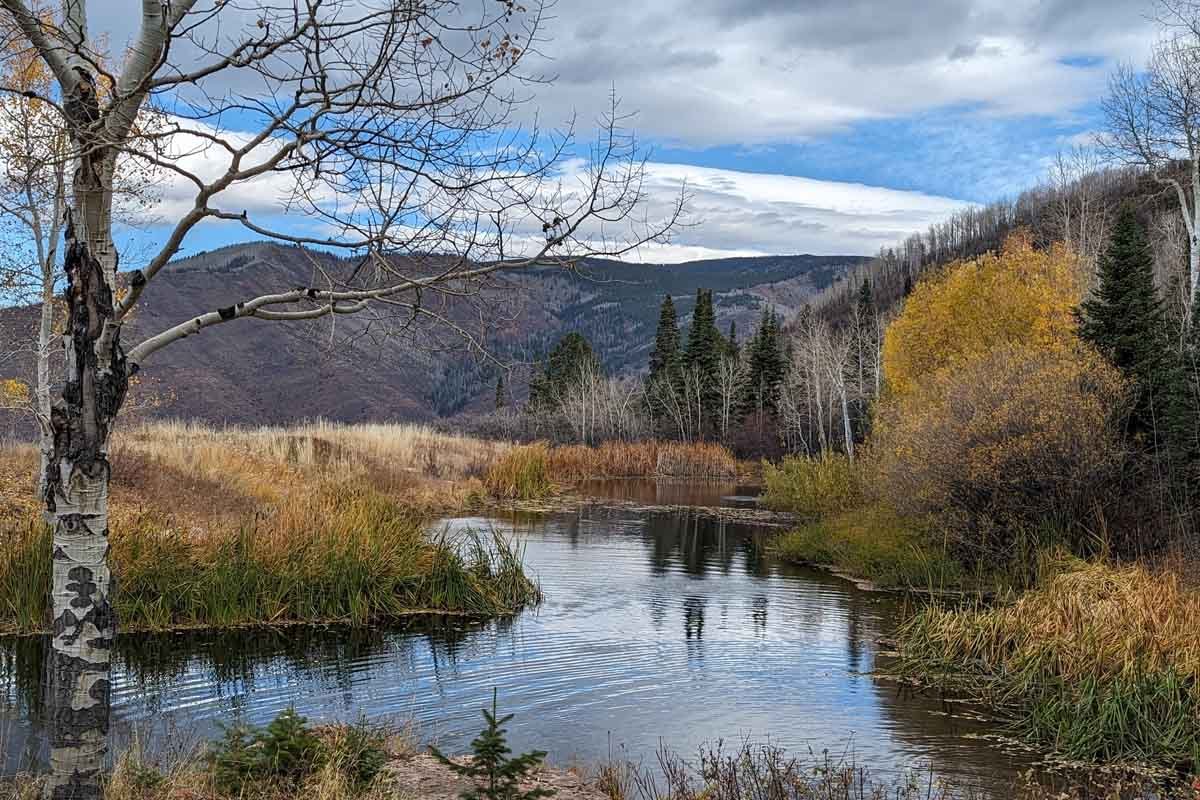
A palette that reads as Colorado rather than generic neutral. The warm, layered neutrals that work well in these homes, the greiges, warm whites, soft stone tones, weathered wood colors, work because they're drawn from the landscape itself. The foothills, the rock faces, the dried grasses in winter, the warm light on stucco. That's where the palette comes from if you're looking at it closely. If you're selecting neutrals from a trend forecast, you'll land somewhere similar but it won't feel rooted in the same way.
The right relationship between indoors and outdoors. This is the one most often missed in suburban Denver homes because the architecture doesn't always make it easy. Many Highlands Ranch and Centennial homes from the 1990s and 2000s have great floor plans for interior living but limited connection to the outdoor space. Creating that connection, through material continuity, through how outdoor living areas are designed, through window placement when renovation allows it, is what separates a home that feels like it belongs to Colorado from one that happens to be located here.
What it looks like in the suburbs specifically
The challenge in Highlands Ranch, Centennial, and Littleton is that the architecture is suburban, which is to say consistent, builder-influenced, and designed for the median rather than for the place. These homes aren't mountain cabins. They don't have the dramatic rooflines or exposed structure of intentionally rustic architecture.
That's not a problem. It's just a constraint that requires a different approach than someone starting with a mountain cabin frame. You're working with drywall ceilings and standard proportions and builder-grade trim, and the goal is to bring in natural materials, appropriate light management, and a palette that connects to the landscape within those parameters. Not to pretend the house is something it isn't.
The projects I'm proudest of in this area don't look like mountain retreats transplanted into suburban neighborhoods. They look like homes that were designed specifically for the people who live in them, in the place they live, with an honest relationship to Colorado's light and materials. That's a different and more interesting outcome than the lodge aesthetic people are trying to avoid, and it's achievable in a 1995 Highlands Ranch colonial or a 2015 Centennial new build equally.
If you're working on a home in the Denver suburbs and trying to figure out how to make it feel connected to this place rather than generic, that's exactly the kind of project I think about most.
If this was useful, these might be too: