The JHD Design Process: What Happens, Start to Finish
Most people considering hiring a designer have the same question underneath whatever specific question they ask: what am I actually signing up for?
Fair. "Interior design process" can mean anything from a single paint color meeting to managing a fourteen-month renovation. Here's exactly how I work; what I do, what you do, how long each phase takes, and what to expect.
This is for full-service projects: kitchen renovations, primary suite additions, whole-home transformations. If you're looking for a consultation or partial services, the process is shorter and scoped differently.
Step 1: Discovery call — 10 minutes
We start with a phone call. You tell me about your project. I ask a few direct questions: what are you renovating, what's your timeline, what's your approximate budget, have you worked with a designer before.
This call tells us both whether it makes sense to go further. If your project is outside my service area, if your timeline doesn't match the reality of quality construction, or if we're just not a good fit, better to know now. If it does make sense, we schedule a longer conversation.
Step 2: Detailed presentation — 20 to 30 minutes via Zoom
This is where I explain specifically how I work. Not vague collaboration language; actual details about process, timeline, fee structure, what's included, and what to expect.
We cover the complete process from design through installation, service structure and design fees, estimated cost ranges for your project type, timeline expectations across design, construction, and procurement, what you're responsible for versus what I handle, and how decisions get made and approved.
The reason for this step: you need to understand what you're committing to before you commit. Some people hear the timeline and realize they're not ready. Some people learn the investment level and decide to wait. Some decide this is exactly what they need. All three are fine, better to know before we start than three months in.
At the end of this call, you either decide to move forward or you don't.
Step 3: Site visit — paid, 1 to 2 hours
If you decide to move forward, I come to your home. This is a paid visit because I'm spending real time: measuring every room involved, photographing existing conditions, assessing structural considerations, understanding how spaces connect, identifying challenges and opportunities, and getting a feel for the architecture and how you actually live in it.
This visit is where I learn everything the project needs. The measurements, the light conditions, the proportion of the rooms, what's worth keeping; none of that is visible from a conversation or photos.
Step 4: Scope and contract — about 1 week
After the site visit I write a detailed scope of work. This document outlines every room included, what's being designed in each space, estimated cost ranges for construction and furnishings separate from my design fee, my flat design fee, timeline from signing through completion, and what's included and what isn't.
We review it together. You ask questions. I clarify anything unclear. If the scope and budget work, we sign and move forward. If not, we part ways professionally, no hard feelings.
Your job here: read it carefully, ask questions if anything is unclear, and be honest if the budget doesn't work. It's better to say so now than to sign and regret it.
Step 5: Design development — 2 to 6 weeks
Once contracts are signed, I start designing. Depending on project complexity this takes 2 to 6 weeks.
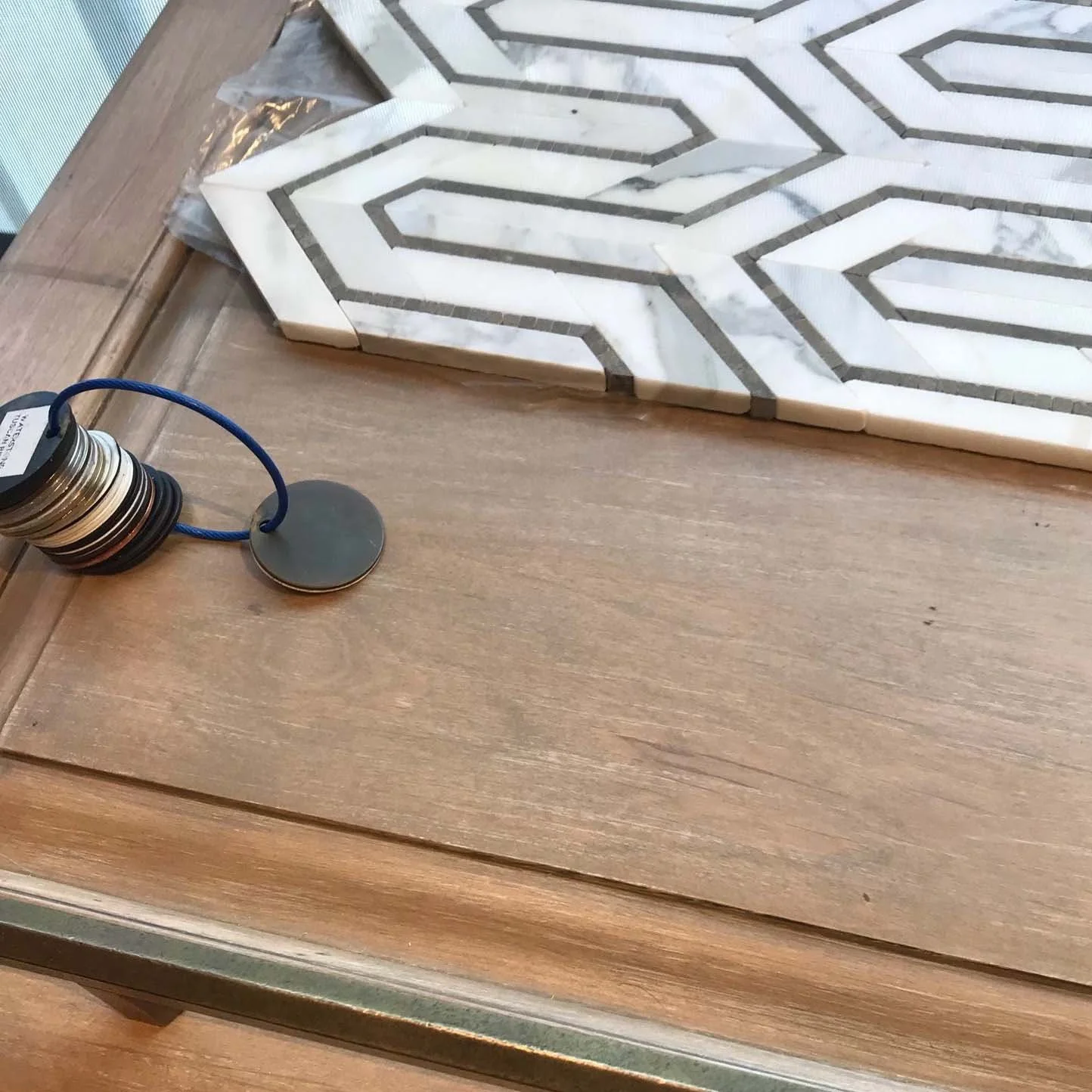
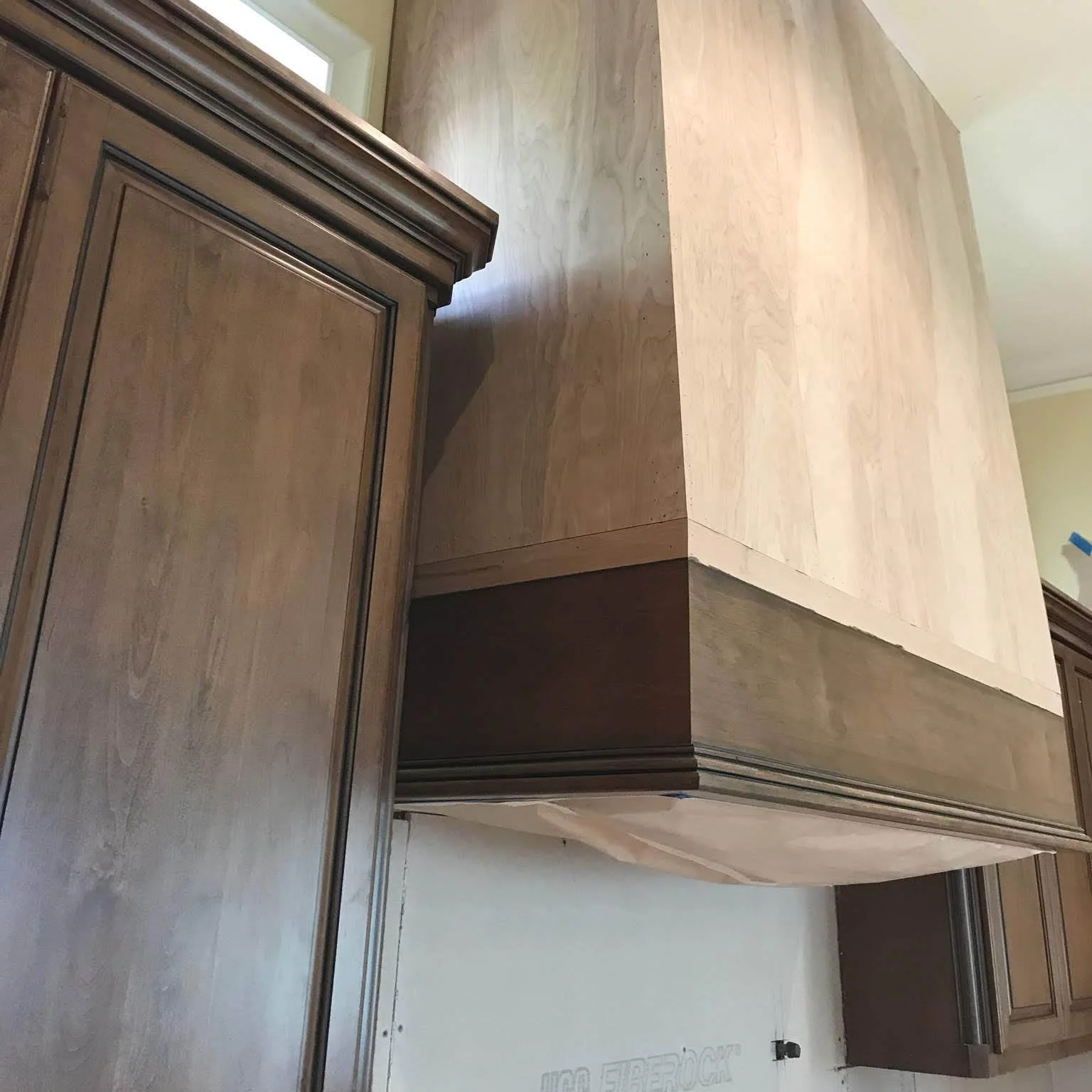
What I'm doing: space planning and furniture layouts, material selections (tile, countertops, flooring, paint), cabinet and millwork design, lighting plans and fixture selections, furniture specifications, window treatment designs, and building the presentations that will show you the complete vision. This phase is detail-heavy and time-consuming; working out exactly how everything relates to everything else, resolving the specifics before anything is presented or ordered. It's where the design actually gets made.
What you're doing: waiting. This is when it can feel like nothing is happening. It's actually when the most consequential work of the project is underway. No orders are placed during this phase; nothing gets ordered until after you've seen the full design, asked your questions, and given approval. That's by design. You should see and understand the complete vision before money moves.
Step 6: Design presentation and approval
I present the complete design in person. You see floor plan sketches showing furniture layouts, material boards with all tile and countertops and flooring and paint, cabinet designs and elevations, lighting recommendations, furniture specifications with dimensions and fabric examples, window treatment designs, and a budget breakdown showing where money is allocated; typically with good, better, and best pricing options.
This is where the entire vision becomes visible before anything gets built or ordered.
Your responsibility here is the most important one in the whole process: review everything carefully, ask questions, and tell me if something doesn't feel right. This is when changes are easy and inexpensive. Once construction starts or furniture is ordered, changes range from expensive to impossible.
What I need from you: honest feedback and timely decisions. A few days to think is fine. Weeks of indecision delays lead times on furniture and can push back your installation date significantly.
Step 7: Contractor coordination and construction drawings — 2 to 4 weeks
Once design is approved, I prepare detailed drawings and specifications for contractors to use for bidding and construction. I get quotes, review them for accuracy, answer contractor questions about design intent, and coordinate with structural engineers or architects if needed.
What you're doing: reviewing contractor quotes, choosing who to hire with my input, signing construction contracts.
Step 8: Construction — 6 weeks to 6+ months depending on scope
Construction begins. A straightforward kitchen typically runs 6 to 10 weeks. Complex whole-home renovations run longer.
What I'm doing: regular site visits, reviewing work in progress, answering contractor questions, solving problems as they come up (they always do), keeping you informed, getting final approvals on furniture and art and accessories, placing all orders and managing procurement, and coordinating delivery to a warehouse so nothing arrives at your home until construction is complete.
What you're doing: making contractor payments on schedule, responding when decisions need to be made, staying in communication, and trusting the process even when the house looks like chaos, which it will at some point.
The most important thing I need from you during this phase: timely responses. When a tile installer hits a problem and needs direction, delays in reaching you create delays in construction. I try to consolidate questions and not interrupt constantly, but when something needs an answer it needs it.
Step 9: Procurement — runs parallel to construction
While construction is happening I'm ordering everything that goes into the space after it finishes: furniture, lighting, art, accessories, window treatments. Lead times vary — some items arrive in four weeks, custom furniture commonly runs twelve to sixteen weeks, sometimes longer. Everything delivers to a warehouse until construction is complete, which protects it from dust and damage.
Your responsibility: approve final selections promptly so I can place orders. Late approvals push back arrival times and can delay your installation date.
Step 10: Installation — 1 to 2 days, up to a week for larger projects
Once construction is complete and everything has arrived, I schedule installation. The goal is to do it all in one to two days; furniture placed, art hung, window treatments installed, styling done. You're not living around it for weeks.
I actually ask clients not to be home during installation. It goes faster, the decisions get made more efficiently, and the reveal is better. The best version of this is when clients take a trip during installation week and come home to a finished house. That experience, walking in for the first time when it's completely done, is hard to replicate if you've been watching it happen piece by piece.
Step 11: Final walkthrough
After installation I do a final walkthrough with you. We look at everything together. If something isn't right; a furniture placement that needs to shift, a styling decision to revisit, we address it. This is also when I document any items still on backorder or anything that needs follow-up.
Most clients describe this stage as the moment the project finally feels real. The construction chaos is gone. The rooms are furnished and finished. It looks like what we designed.

What makes this process work — and what doesn't
The projects that go smoothly share a few things: the client reads the scope carefully before signing, asks questions early rather than late, gives timely approvals during design development, and communicates honestly when something isn't working rather than hoping it resolves.
The projects that get complicated usually involve one of the opposite: decisions delayed at critical moments, concerns held back until they're expensive to address, or budget conversations avoided until they can't be.
I tell clients this at the start because it's true and because good projects require two people doing their jobs. Mine is to design well and manage the execution. Yours is to stay engaged and communicate clearly. When both happen, the result tends to be exactly what we set out to make.
If you're trying to figure out whether a project makes sense and what the process would look like for your specific situation, a conversation is the right place to start.
If this was useful, these might be too: