The Art of Layering: How to Make Your Home Feel Collected, Not Decorated
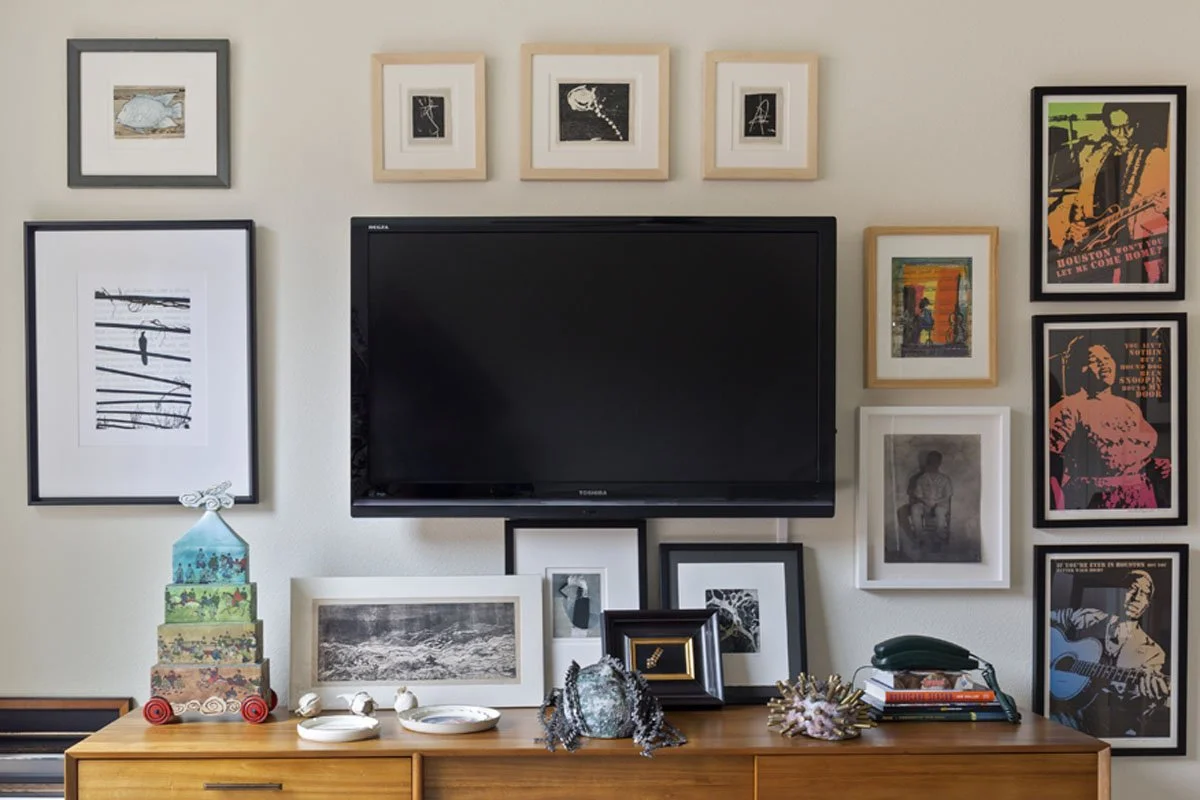
There's a word people use when they walk into a room that's working and can't quite explain why: collected. As in, it feels like someone collected these things over time rather than ordered them all at once. As in, there's evidence of a life here rather than a shopping trip.
It's a useful word because it points at something real. The rooms that feel most alive are almost never the ones where everything matches. They're the ones where things relate to each other in a way that feels earned rather than assigned.
That quality, collected rather than decorated, is what layering is actually about. Not adding more, but building relationships between what's already there.
Why rooms feel decorated instead of collected
The decorated feeling comes from decisions made in isolation. You buy a sofa, then find a rug that goes with the sofa, then find pillows that go with the rug. Everything coordinates. Nothing surprises. The room looks finished from a distance and feels slightly hollow up close.
The collected feeling comes from a different process, one where the decisions are made in relation to each other and in relation to the people living there, where something unexpected is allowed to exist alongside something straightforward, and where not everything was purchased at the same moment in time.
This is harder to achieve than coordination, which is partly why coordination became the default. But it's learnable, and it comes down to a few specific things.
What layering actually means in practice
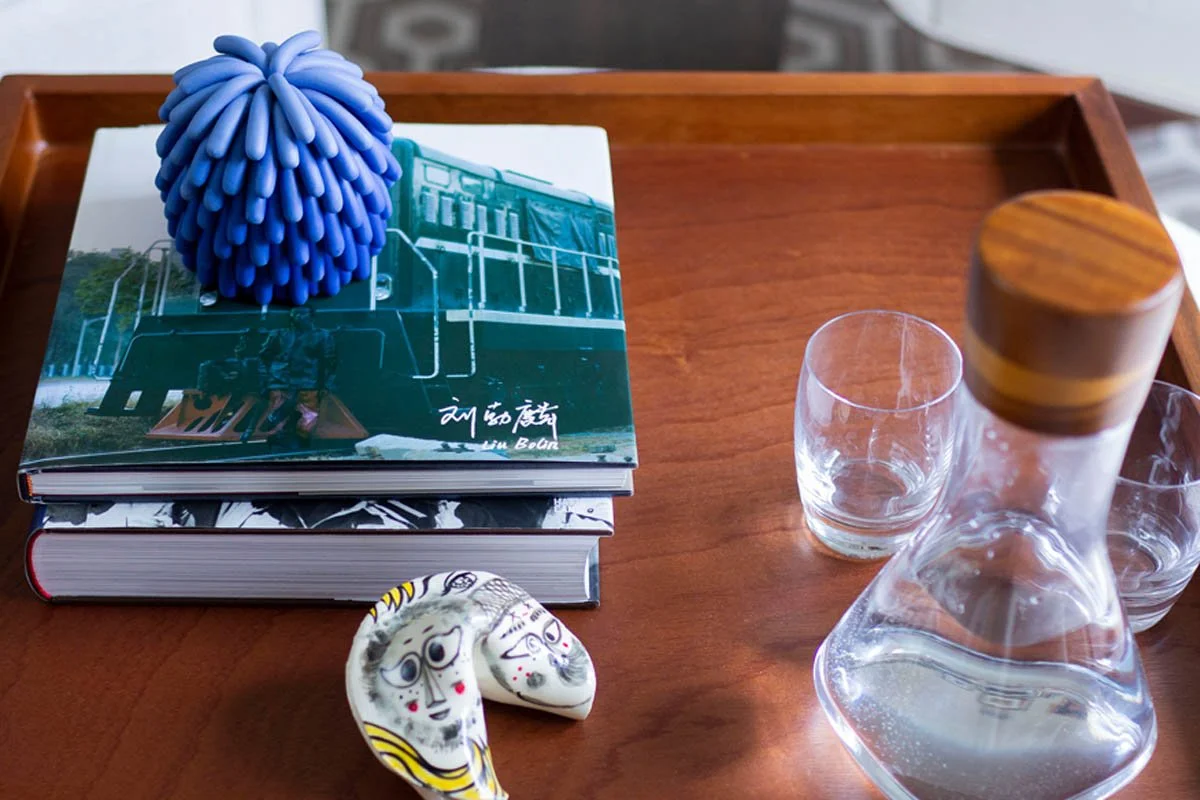
Materials before objects. Before you think about what objects to put in a room, think about what materials are already present and what they're doing. Wood, stone, metal, textile, ceramic — each has a different weight, temperature, and texture. A room that's all smooth and reflective feels different from a room that has some roughness and softness in it. You're looking for variety that feels intentional rather than random: a matte plaster wall against a polished brass fixture, a rough linen sofa against a smooth marble side table.
Old and new in the same room. This is probably the single most reliable way to make a room feel collected rather than assembled. One piece that clearly came from somewhere — an antique lamp, a vintage textile, a piece of furniture that was your grandmother's — changes the register of everything around it. New things stop looking catalog-ordered when they're in conversation with something that has a different history.
I source antique and vintage pieces on almost every project for exactly this reason. Not because antique is inherently better, but because the mix produces something that neither old nor new produces alone.
Things that are meaningful alongside things that are simply beautiful. A room that contains only carefully sourced objects feels like a showroom. A room that contains only personal objects can feel like a storage unit. The right balance is specific to the people living there, but there should be both. The object that was bought on a trip, the artwork that matters to someone, the piece inherited from family, these things anchor a room in a way that sourced pieces can't.
Scale variation. Rooms where everything is roughly the same size feel flat. Your eye has nowhere interesting to go. A grouping of objects works when there's something tall, something low, and something in between. A room works when large-scale furniture anchors the space and smaller objects create detail and discovery.
Restraint in what you keep. This is the hardest part and the most important. Layering is not the same as accumulating. Every thing that stays in a room should earn its place; either because it's useful, because it's meaningful, or because it's genuinely beautiful. The edit is where the difference between collected and cluttered gets made.
The practical question: where to start
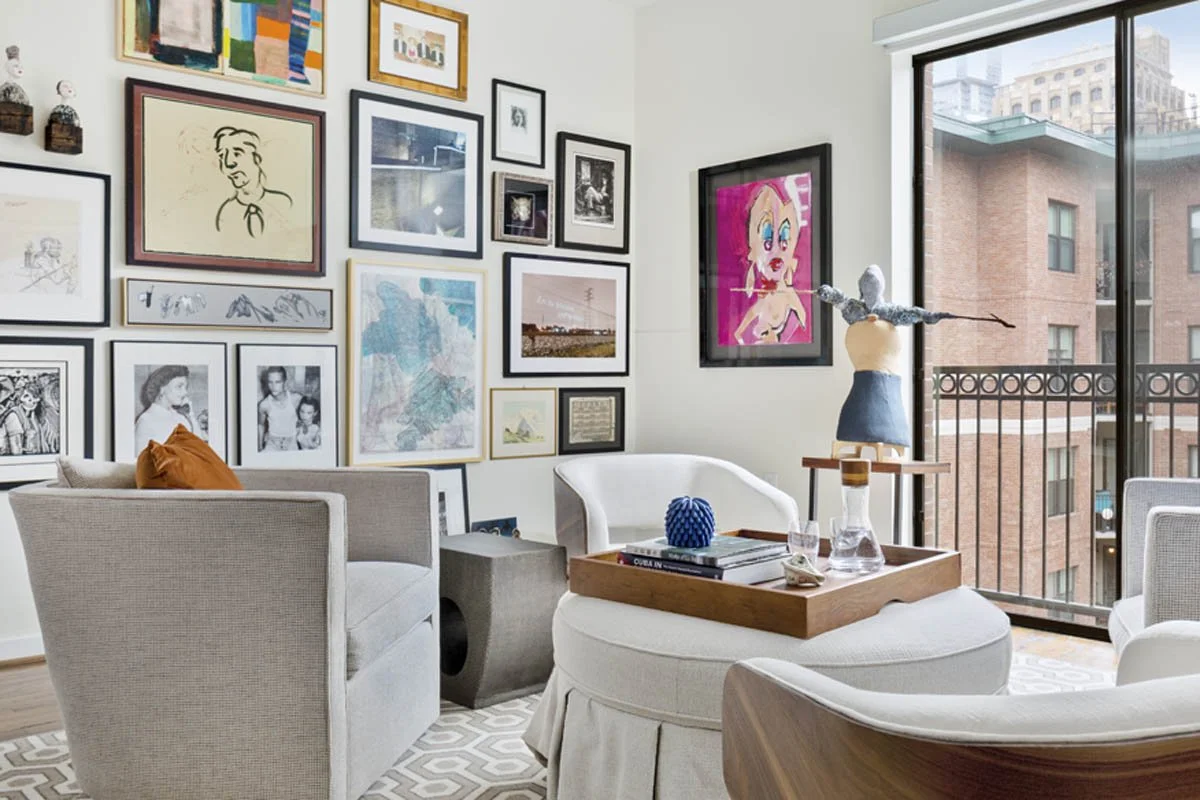
If your room currently feels decorated rather than collected, the fastest way to shift it is usually not to add more, it's to remove the things that are coordinating without contributing. The matching accent pillows. The accessory set from a home goods store bought because it went with something else. The art that's fine but not interesting.
What's left after that edit is usually closer to collected than you expected. The pieces that stay tend to be the ones with a reason to be there. From that starting point, adding one thing; a lamp with real character, a vintage textile, a piece of art that actually matters, lands differently than it did when it was competing with things that were only present because they matched.
The goal isn't a room with fewer things. It's a room where every thing is doing something.
If you're looking at your space and feeling like it's assembled but not quite right; that's usually a layering problem, and it's almost always solvable without starting over.