Design for Wellness: How Interiors Support Peace, Joy & Creativity
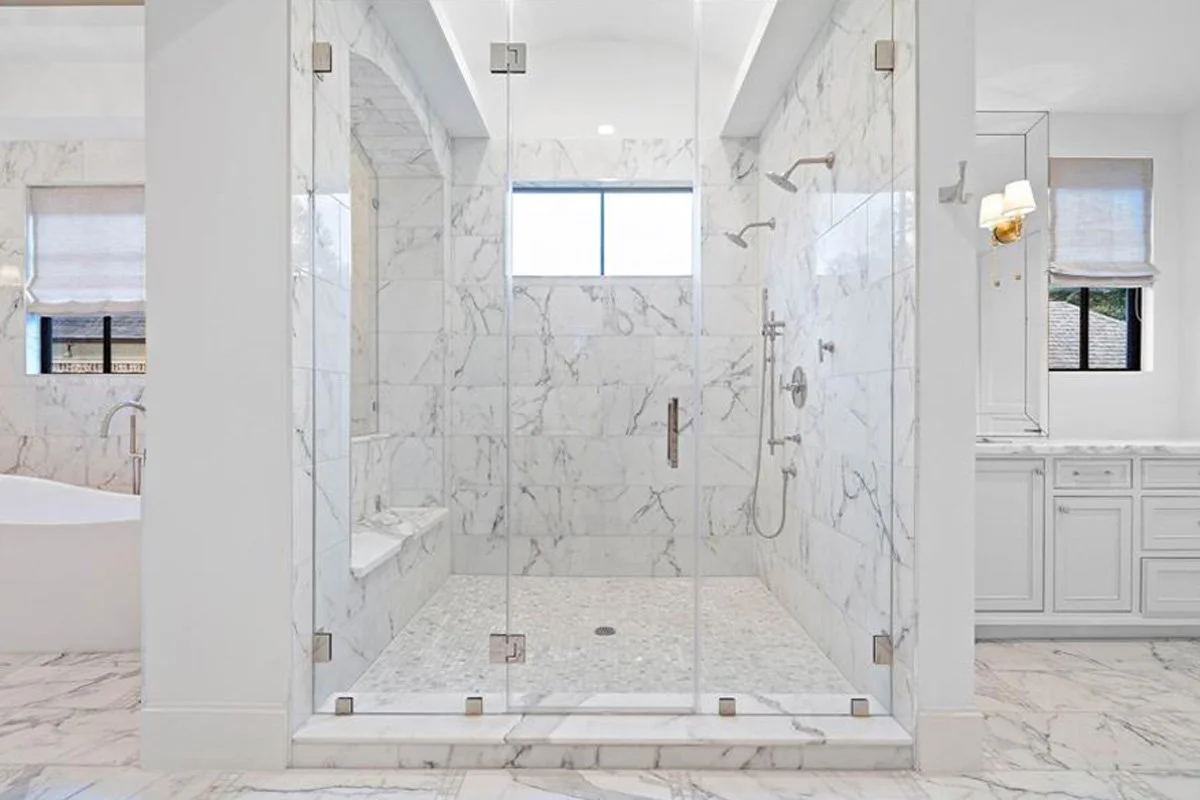
There's a version of this topic that gets written a lot; the one about wellness design, biophilic principles, the science of color psychology. It's not wrong exactly, but it tends to make the whole thing feel more complicated and more abstract than it actually is.
The simpler version: spaces affect how people feel. Anyone who has walked into a room that made them immediately tense, or immediately at ease, already knows this. The question isn't whether it's true, it's what the specific variables are and what you can do about them.
After 24 years designing homes, I've noticed that the rooms people genuinely love to be in tend to share a set of characteristics that have less to do with style or trend and more to do with how the space handles light, scale, material, and noise. Here's how I think about each of them.The Essence of Wellness in Design
True wellness design is more than adding a salt lamp or a splash of eucalyptus. It’s about how a space moves you, how it breathes with you. It’s about materials that touch your skin softly, colors that calm the mind, and layouts that ease the flow of daily life.
We draw on the ancient wisdom of Nordic well-being—lagom, meaning not too much, not too little, just enough. Think of the hygge warmth of a flickering fire in a timber-wrapped retreat or the silent luxury of a snow-covered chalet in the Alps, where natural stone, pale woods, and layered textures restore the senses.
Light is the variable most people underestimate
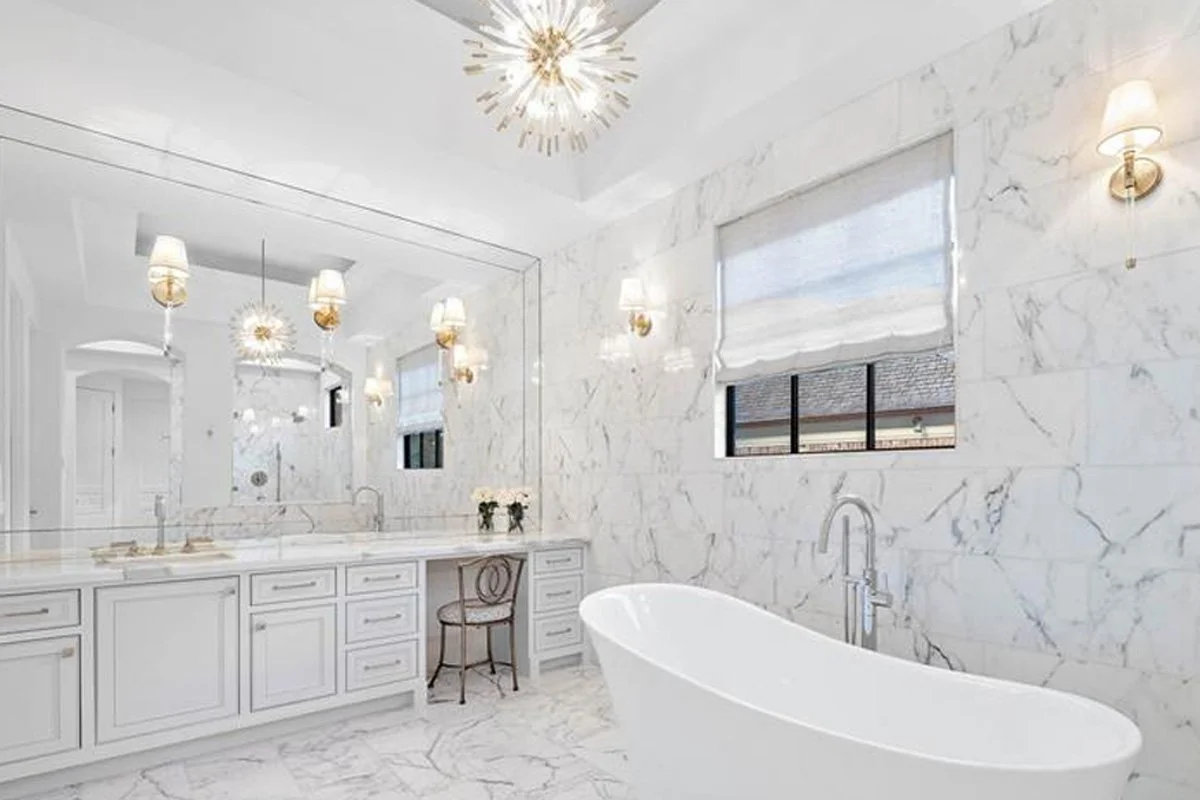
The difference between a room that feels good and a room that doesn't is often just light; not how much of it, but what quality it is and where it comes from.
Overhead fixtures placed on a grid, all on the same switch, produce a flat, institutional light that makes rooms feel like offices regardless of how the furniture is arranged. The same room with layered light; a dimmed overhead, a lamp at seating height, something warm in a corner, feels entirely different. The space becomes inhabitable rather than just illuminated.
Colorado's light is particularly worth paying attention to. The intensity here is higher than most of the country, which means south- and west-facing rooms get a quality of afternoon light that can be overwhelming without window treatments designed to manage it. The same intensity that makes Colorado light beautiful in the morning can make a room feel harsh and hot by 3pm. Designing for that specific condition, rather than treating all light as interchangeable, makes a real difference in how a room feels across the full day.
Natural materials calm the visual field in a way that synthetic ones rarely do. Not because of any mystical property, but because they're irregular — wood grain varies, stone has movement, linen has texture. That variation gives the eye somewhere to rest. Rooms full of perfectly uniform surfaces can feel relentless in a way that's hard to name but easy to feel.
Scale determines whether a room feels right or just looks right
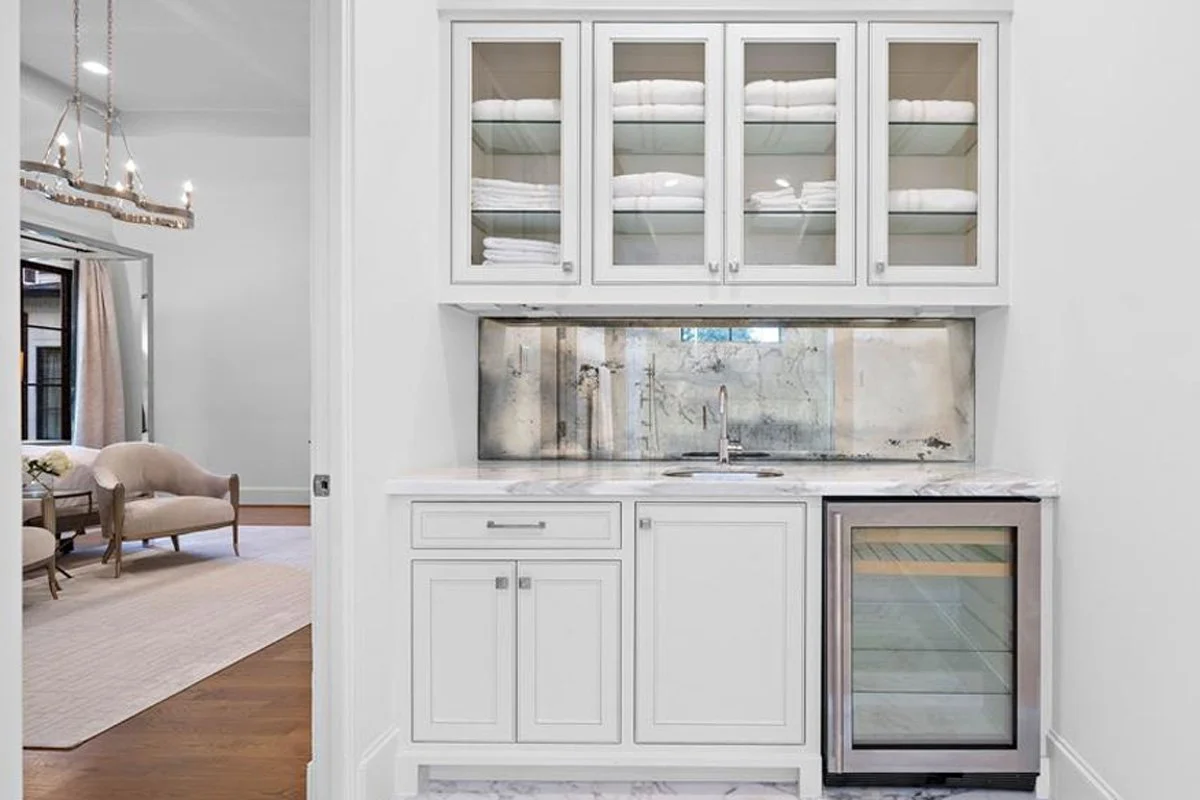
A room can be beautifully furnished and still feel wrong if the scale is off. Furniture that's slightly too small for a space makes people feel vaguely unsettled — the room seems unresolved without them being able to say why. A rug that doesn't anchor the seating. Art hung too small and too high. A sofa that floats in the middle of a generous room.
Scale is one of the things I see get wrong most often on self-designed projects, and it's also one of the things that's genuinely hard to eyeball without experience. The sofa that looks proportionate in a showroom or a catalog photo almost never looks proportionate in a real room once it arrives. You have to plan it in advance, against actual dimensions, before anything gets ordered.
Getting scale right makes a room feel calm and resolved in a way that's hard to articulate but immediate to experience.
Noise matters more than most people design for
Acoustic comfort, how much a room absorbs versus reflects sound, has a significant effect on how restful a space feels, and it's almost never discussed in residential design conversations.
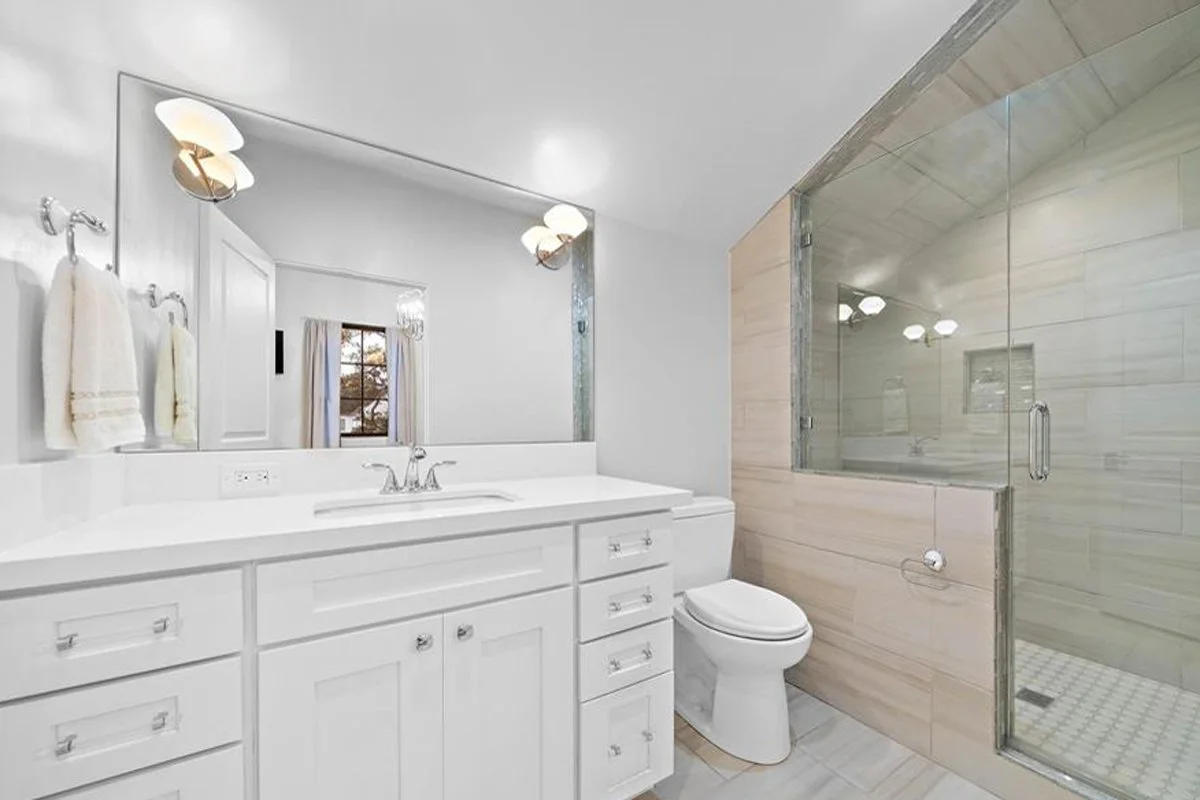
Hard surfaces everywhere: tile floors, plaster walls, minimal textiles, no rugs. This is a common combination in contemporary interiors that photograph beautifully and feel exhausting to spend time in. Everything echoes. Conversation requires more effort. The ambient noise level in the room is simply higher than it needs to be.
Softening a room acoustically doesn't require sacrificing its look. Rugs, upholstered furniture, drapery, upholstered wall panels, even books on shelves; all of these absorb sound. A room with a good layer of textiles and soft furnishings will feel quieter and more restful than an identical room without them, even if you can't measure the difference easily.
This is one of the reasons I push back when clients want to remove drapery for a cleaner look. Window treatments aren't just light control and privacy, they're one of the most effective acoustic tools in a room, and taking them out changes how the space feels even when the windows are closed.
Clutter and visual noise are physical stressors
Research on cognitive load and environment is consistent: visual complexity that has no meaning; piles, unresolved surfaces, objects without purpose, registers as unresolved tasks and creates low-level stress. This isn't about minimalism as an aesthetic. It's about the difference between a room that has many things in it deliberately and a room that has accumulated things without intention.
The rooms that feel the most restful to be in are almost never the emptiest, they're the ones where everything present is either functional, meaningful, or beautiful, and where objects are arranged rather than accumulated. That distinction is the whole game.
This is also why the order of operations in a renovation matters. Getting the architecture and the large-scale decisions right first means you're not trying to compensate later with objects and styling. A room with good proportions, right-scale furniture, and proper light doesn't need much else to feel finished.
What this looks like in practice
None of this requires a full renovation or a large budget. The highest-impact changes are usually:
Replacing the light you're living under, even just adding one well-placed lamp to a room you find yourself avoiding changes how it feels to be in it.
Putting a properly sized rug under your seating, if you don't have one. This single change makes more rooms feel resolved than almost anything else.
Adding something with material texture to a room that currently reads as flat, a linen throw, a ceramic object, a piece of wood that hasn't been lacquered into uniformity.
Addressing one surface that's accumulating without purpose. Not a whole house declutter. One surface.
These are small moves. They work because the variables that make rooms feel good are consistent, and small adjustments to the right ones add up faster than people expect.
If you're living in a house that functions fine but doesn't feel the way you want it to, that gap is almost always solvable. It usually doesn't require as much as people assume.
If this was useful, these might be too: