Jamie House Design Jamie House Design

Why Slowing Down is the Secret to a Beautiful Home

There's a particular kind of pressure that settles in when you're making decisions about your home. The contractor needs an answer by Friday. The furniture you want is in stock now but might not be later. Your neighbor just finished their outdoor kitchen and it looks incredible. Every choice feels urgent, and urgency breeds mistakes.

I've watched this pattern play out in Centennial, Castle Pines, Highlands Ranch, and Littleton for over a decade. Homeowners start with good intentions and end up with spaces that look fine on the surface but don't actually serve how they live. Not because they made obviously wrong choices, but because they made fast ones.

The truth is this: rushing forces decisions you wouldn't normally make. And those decisions are expensive to undo.

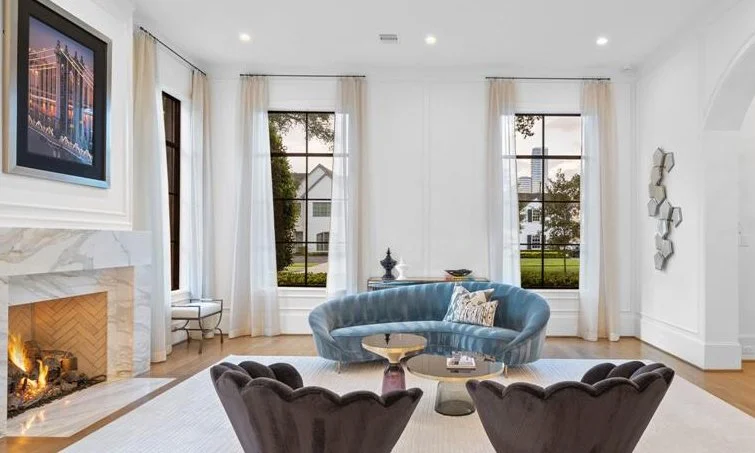
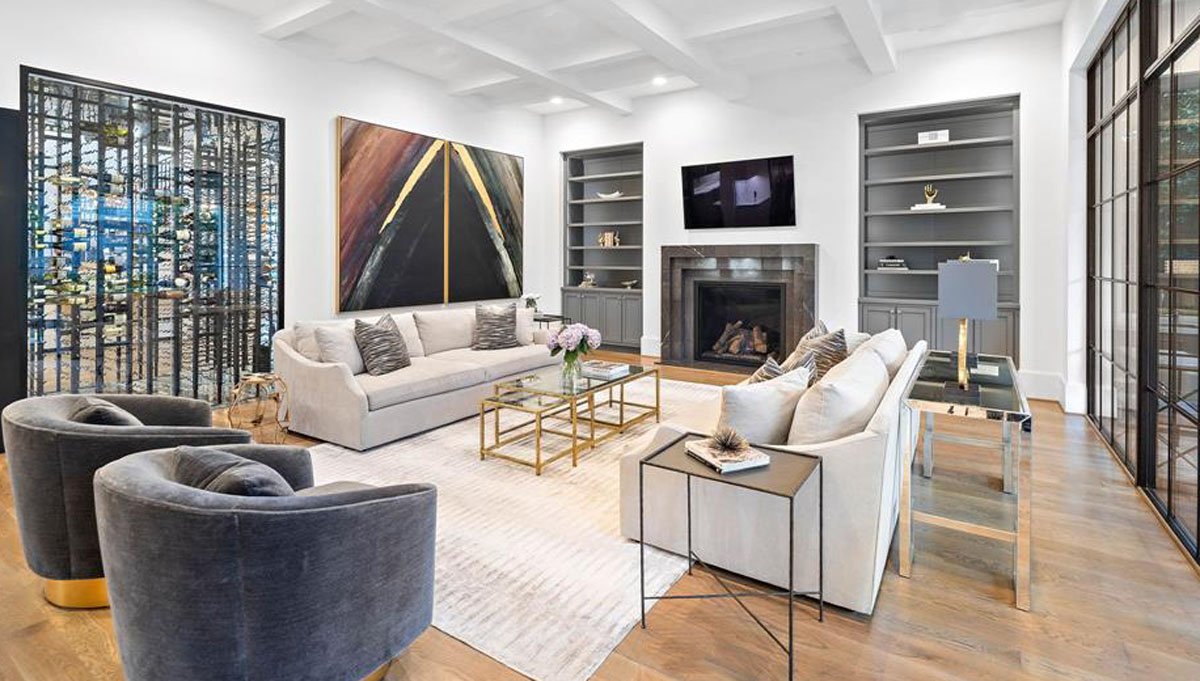
Formal living room in Highlands Ranch designed with custom furniture.

The Real Cost of Moving Fast

When you're renovating an established home in Centennial or finishing new construction in Castle Pines, the timeline can feel relentless. Permits, contractors, delivery schedules; everyone wants decisions yesterday. That pressure creates a psychological state where you stop asking the right questions and start just trying to get things done.

I see this most often with major investments. A family decides they need an outdoor kitchen because that's what entertaining looks like in their neighborhood. They spend $60,000 on the space, use it three times the first summer, and realize too late that they'd rather have upgraded their basement into a proper bar and game room. That's where they actually gather. That's where their teenagers want to be. But they followed a script instead of their instincts.

Or someone rushes through finish selections for a new build and chooses trendy tile that already feels dated by move-in day. They thought they were being current. They were actually being hasty.

These aren't small mistakes. At the investment levels we work with; every decision carries weight. You're not decorating for a season. You're building the backdrop for years of your life.

Designing for Continued Happiness, Not Immediate Gratification

Here's what separates a well-designed home from one that just looks good in photos: the well-designed home serves you five years from now, not just next month.

When I work with clients throughout Highlands Ranch and Littleton, we spend significant time in the planning phase asking questions that might feel uncomfortable. Not "what do you want?" but "what do you actually need?" Not "what looks good?" but "how will this serve your daily life?"

Because immediate gratification is easy. Picking the trending paint color, ordering the sofa everyone on Instagram has, copying your neighbor's renovation, these decisions provide a dopamine hit. They feel productive. They feel like progress.

But they're not designing for continued happiness. They're designing for right now, and right now changes.

The homes that stand the test of time are built on deeper thinking. They're designed around how a family actually moves through space, what they value, what drains them, and what brings them ease. That requires slowing down enough to know the difference between what you want and what you think is expected of you.

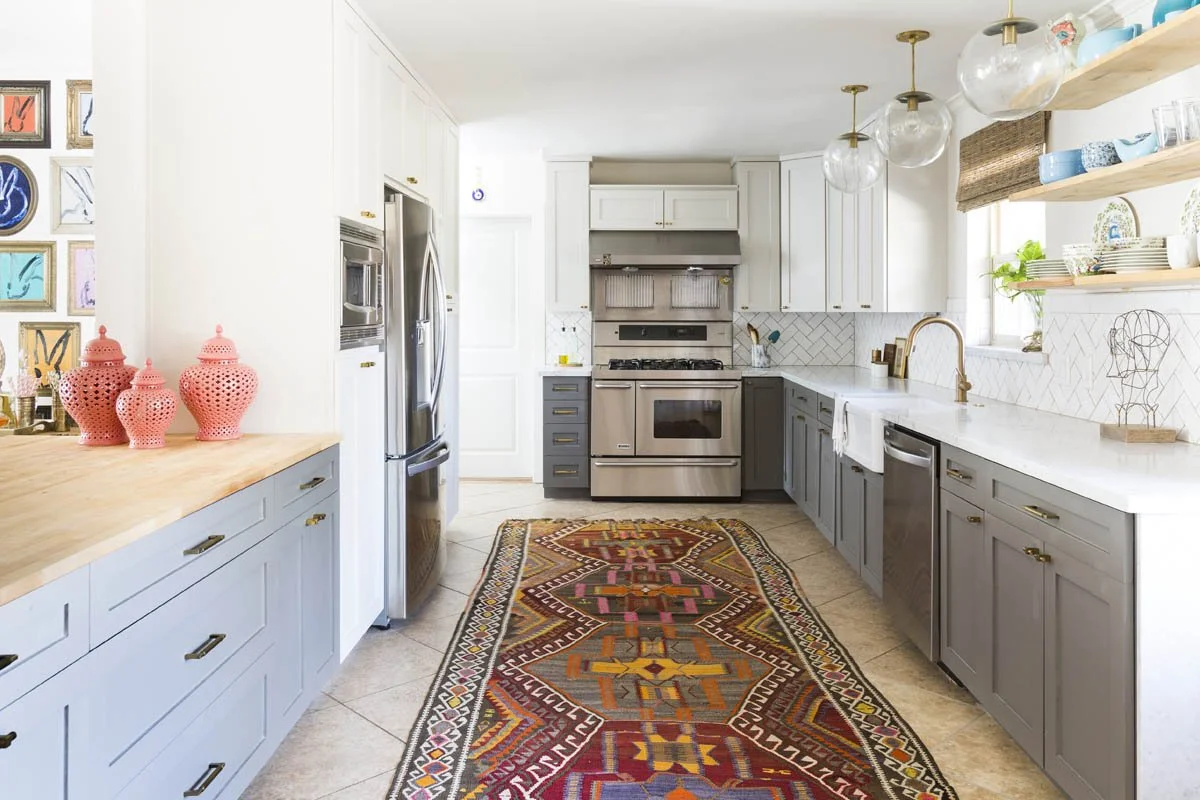
Modern sunny breakfast room in Highlands Ranch designed by Jamie House Design

The Question You're Not Asking Yourself

Before any major design decision, there's a question worth sitting with: Is this what I really want, or is this what I think I'm supposed to want?

The outdoor kitchen that everyone in Castle Pines seems to have. The formal dining room that you're told adds resale value. The white kitchen that's been "in" for the last decade. The oversized primary suite that takes up half the second floor.

These might be right for you. But they might also be choices you're making because they feel safe, expected, socially acceptable. Because not having them feels like you're missing something.

I've had clients realize midway through planning that they don't actually entertain outside. They hate bugs. They rarely grill. The outdoor kitchen they were designing was entirely about fitting in, not about how they wanted to live.

Once we named that, the entire project shifted. We reallocated that budget to spaces they'd actually use; a finished basement with a full bar, pool table, and comfortable seating where they could watch games with friends. A space that matched their lifestyle instead of their neighborhood's Instagram aesthetic.

That's what happens when you slow down enough to be honest. You stop performing and start designing for yourself.

Assessing Your Life Before You Design Your Space

One of the most valuable things you can do before making significant design decisions is take a clear-eyed inventory of your actual life. Not the life you wish you had or the one you think you should have. The one you're living right now.

How do you spend your weekends? Where do you spend the most time when you're home? What tasks feel hardest? What spaces do you avoid? When do you feel most at ease?

These aren't abstract questions. They're diagnostic. They tell you what's working and what isn't, and they reveal where your home should be supporting you better.

For families in Highlands Ranch working with existing floor plans, this assessment often uncovers surprising truths. The formal living room that seemed essential when they bought the house has become a dust-collecting museum. Meanwhile, the kitchen island is overloaded because it's doing the work of three different functions and there's nowhere else to put anything.

For clients building or renovating in Centennial and Littleton, slowing down to assess how they actually live prevents expensive mistakes before they're built into the walls. We've redesigned entire floor plans because someone realized they were building a house for an imaginary version of themselves; the version that hosts dinner parties every week, not the version that orders takeout and eats at the counter.

Taking time to assess your life isn't indulgent. It's practical. It's the difference between a $75,000 renovation that makes your home easier to live in and a $75,000 renovation that looks nice but doesn't actually solve anything.

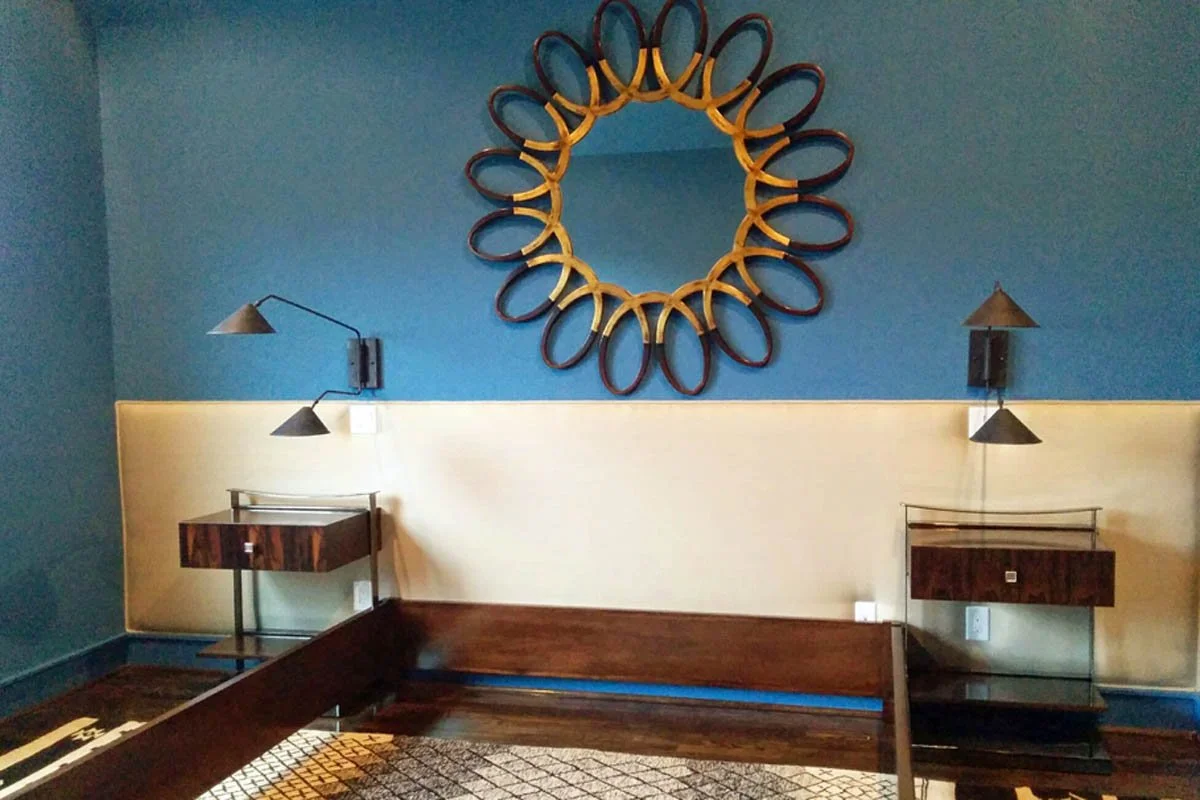
Highlands Ranch primary bedroom designed by Jamie House Design with custom furniture and bedding.

The Dopamine Purchase Problem

There's a particular kind of buying that happens when you don't have a clear plan. You see something beautiful; a throw pillow, a decorative object, a piece of art, and it gives you that little hit of satisfaction. You buy it. You bring it home. And then it sits there, not quite right, adding to the visual noise instead of contributing to cohesion.

This is the dopamine purchase cycle, and it's one of the biggest obstacles to a well-designed home.

Individual purchases feel harmless. But accumulated over months and years, they create clutter that makes spaces feel chaotic and harder to maintain. Surfaces fill up. Rooms lose their sense of calm. You end up with a collection of things you liked in the moment but that don't work together as a whole.

I see this most often with homeowners trying to furnish their spaces without a comprehensive plan. They buy what's available, what's on sale, what catches their eye at the moment. Each piece made sense in isolation. Together, they create visual confusion.

This is why full-service interior design exists. Not because you can't pick out furniture, of course you can. But because designing a cohesive home requires seeing the whole picture before you start filling in the pieces. It requires patience with the process and discipline to wait for the right thing instead of settling for the available thing.

When you slow down and work from a plan, you're not tempted by every pretty object that crosses your path. You know what you're looking for. You know what will work and what won't. And you avoid the cycle of buying, regretting, and buying again that ultimately costs more than doing it right the first time.

The homes that feel effortless to maintain are almost always the ones designed with intention from the beginning. Not because they have less in them, but because every element has a purpose and a place.

What Full-Service Design Actually Provides

There's confusion in the market about what interior designers do. Retail furniture stores have "design services" that are really just sales assistance. You pick from what they carry, they arrange it in your space, and you hope it works out.

That's not what we're talking about here.

Full-service interior design is a comprehensive process that begins before you buy a single thing and continues through installation. It means someone is thinking about your entire home as a connected system, not just helping you shop.

For clients in Centennial working on established home renovations, this means we're often involved in architectural decisions: where to move walls, how to improve flow, what finishes will hold up to your lifestyle. We're sourcing from custom fabricators, trade-only showrooms, and independent makers, not limited to one store's inventory.

For new construction projects in Castle Pines, we're reviewing builder plans, specifying every finish from tile to hardware to lighting, and ensuring that what gets installed is what you'll actually want to live with. We're catching mistakes before they're built.

For historic renovations in Littleton, we're balancing preservation with function, knowing when to restore original details and when to introduce modern elements that make the home livable for how families function today.

And for families in Highlands Ranch making long-term investments in their homes, we're thinking about durability, maintenance, and how spaces will evolve as life changes.

This level of service requires a different investment than buying furniture from a showroom. Jamie House Design gives each decision the time and attention it deserves, to source from multiple vendors until we find exactly the right thing, to see a project through from concept to completion.

The value isn't just in the end result. It's in avoiding the mistakes that come from moving too fast.

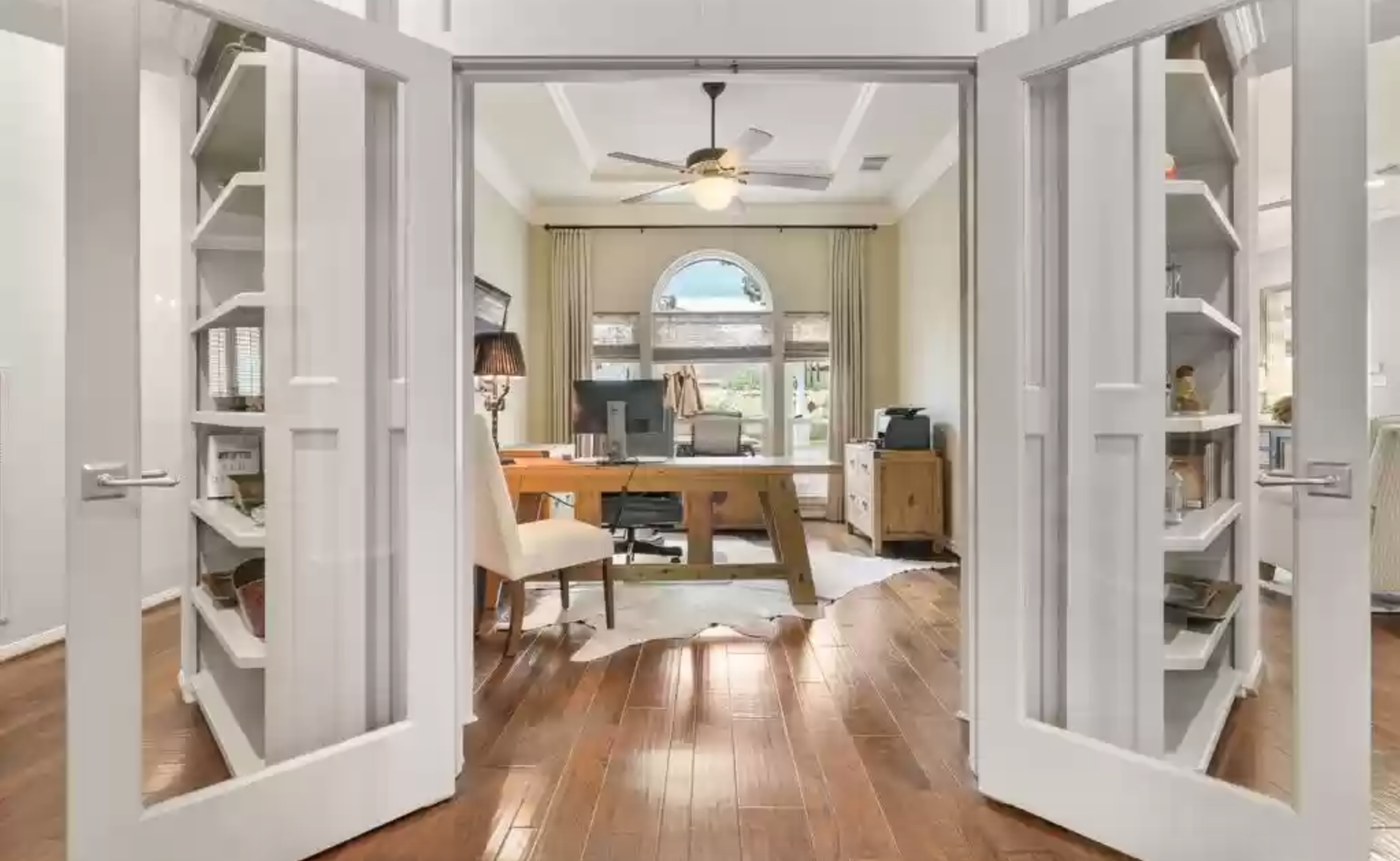
Highlands Ranch custom hidden office built-in under stairs and enlarged with mirror backsplash.

The Big Picture Takes Time to See

When you're in the middle of making decisions, it's hard to see how everything connects. You're focused on picking the right paint color, but you're not thinking about how that color will look against the flooring you haven't chosen yet, under the lighting you haven't planned, next to the furniture that hasn't been selected.

This is where speed becomes dangerous. Each decision in isolation might seem fine. But interior design isn't about isolated decisions, it's about how everything works together as a whole.

The big picture takes time to see. It requires stepping back, considering context, understanding how different elements will interact. It means sometimes saying "I don't know yet" and sitting with uncertainty until you have enough information to decide well.

I've never regretted slowing down a project. I've often regretted moving too fast.

The clients who trust this process; who resist the urge to rush, who invest the time upfront in planning, who stay focused on how they actually want to live, end up with homes that serve them for decades. Not because every choice was perfect, but because every choice was intentional.

What This Looks Like in Practice

Slowing down doesn't mean endlessly deliberating or never making decisions. It means being strategic about where you invest your time and what you commit to before you're ready.

In practical terms, it means spending more time in the planning phase and less time fixing mistakes later. It means not ordering furniture until you've finalized the floor plan. It means not choosing paint colors until you've selected the larger materials like flooring and tile. It means waiting for the right piece instead of settling for something available now that you'll want to replace in two years.

For a kitchen renovation in Centennial, it might mean living with your existing layout for a few months while we figure out the best way to improve function, rather than jumping into demolition and hoping we get it right.

For new construction in Castle Pines, it means not accepting builder-grade finishes just because they're included. It means taking the time to specify what you actually want and budgeting accordingly from the start.

For historic homes in Littleton, it means researching original details and understanding what should be preserved before you start making changes. It means respecting the home's history while making it work for modern life.

And for established homes in Highlands Ranch, it means assessing what's worth keeping, what can be updated, and what needs to be completely reimagined, before you spend money on surface fixes that won't solve the underlying issues.

Colorful and peaceful Highlands Ranch guest bedroom designed by Jamie House Design

The Alternative Costs More

Here's what happens when you don't slow down: you make decisions you regret, and correcting them costs more than doing it right initially.

You choose the wrong sofa and replace it two years later. You paint rooms the wrong color and repaint. You install tile you hate and live with it because redoing it is too expensive. You build spaces you don't use and wish you'd allocated that budget differently.

These mistakes are expensive; not just financially, but emotionally. They create a home that never quite feels right, where you're always planning the next fix instead of simply living.

The alternative is to slow down on the front end. To invest time in planning, in assessing, in asking hard questions about what you actually need. To work with someone who can see the whole picture and help you avoid the common pitfalls.

This approach costs more upfront in time and design fees. But it saves money in the long run by getting things right the first time. And more importantly, it creates a home that actually serves your life.

Designing Spaces That Serve Your Life

At the end of the day, your home should make your life easier, not harder. It should reflect how you actually live, not how you think you're supposed to live. It should be designed for your real needs, not for the performance of having the right aesthetic.

That level of authenticity requires slowing down enough to know the difference. It requires setting aside external pressures and getting honest about what you actually need from your space.

For some families, that means admitting they'll never use a formal dining room and converting it to something functional. For others, it means acknowledging they need more storage, better flow, or spaces designed around how their family actually gathers.

These realizations don't come from scrolling Instagram or copying your neighbors. They come from paying attention to your own life and being willing to design for that reality.

Throughout Centennial, Castle Pines, Highlands Ranch, and Littleton, the homes that work best for their owners are the ones designed with this kind of clarity. Not the fastest projects, but the most thoughtful ones. Not the trendiest, but the most authentic.

That's what happens when you give yourself permission to slow down. You create something that lasts; not just physically, but in how it continues to serve you year after year.

And that's the real definition of a beautiful home: one that makes your life better every single day, not just the day you finish it.

Ready to design a home that truly serves your life? Jamie House Design works with homeowners throughout Centennial, Castle Pines, Highlands Ranch, and Littleton with flexible service options designed to meet you where you are in your project, from initial guidance and advice to full project management of your remodel or new construction home. We help families slow down, assess what they actually need, and create spaces designed for how they really live, not how they think they should. Contact us to discuss your project.


Related Articles:

About the Author

Jamie House is an award-winning interior designer serving Centennial, Littleton, Castle Pines, and throughout Colorado. With over 20 years of experience designing luxury homes, she specializes in creating spaces where families naturally gather. Her work has been featured in Country Living, Houston Chronicle, and Design Sponge.

Schedule a Consultation | View Portfolio | Read More Articles

Jamie House Design partners with homeowners and real estate professionals throughout Littleton, Castle Pines, Centennial, and greater Denver to create homes where beauty and intention meet. If you're beginning your search or ready to transform a property you've found, we'd welcome the conversation. Contact us to explore what's possible.

Read More
Jamie House Design Jamie House Design

How I Approach Ranch Kitchen Renovations (And Why They're Trickier Than You Think)

If you own a ranch-style home in Centennial, Littleton, or even Highlands Ranch, you've likely wrestled with the same challenge: a kitchen that's closed off, cramped, and stuck in 1972 or even 1992.

Ranch homes, those classic single-story properties that define so many Colorado neighborhoods, were built with a very different vision of how families live. Formal dining rooms. Separate kitchens where mom cooked alone. Small, compartmentalized spaces.

Today? We live differently. The kitchen is command central. It's where you're answering work emails while making dinner, helping kids with homework while prepping for a dinner party, and hosting friends who inevitably migrate from the living room to gather around the island.

But here's what most homeowners don't realize when they start planning a kitchen remodel: the difference between a functional kitchen and a transformative one isn't just about moving walls or picking pretty tile.

It's about understanding how you actually live and designing every single detail to support that life.

After 20+ years designing luxury kitchens throughout Colorado and beyond, I've learned that the most successful kitchen renovations aren't about following trends or copying magazine spreads. They're about asking the right questions, making strategic decisions, and orchestrating hundreds of details that work together seamlessly.

This is what interior designers actually do—and why hiring one for your Centennial or Littleton ranch home kitchen remodel might be the smartest investment you make.

Why Ranch Home Kitchens Need More Than Just "Opening Things Up"

Let's start with the reality of ranch home kitchens in Denver metro area.

Most were built between 1960-1990, when:

  • Kitchens were small, enclosed workspaces

  • Formal dining rooms were standard (and mostly unused today)

  • Open floor plans weren't a thing

  • Storage meant one pantry (if that) and base cabinets

  • Countertop space was minimal

  • Islands didn't exist

Today's lifestyle requires:

  • Open, connected spaces for family interaction

  • Massive amounts of storage (hello, Costco runs)

  • Multiple work zones for cooking, homework, and entertaining

  • Seating at an island for casual meals

  • Appliances that actually fit how you cook

  • Lighting for function AND ambiance

The gap between what you have and what you need is exactly where interior design expertise matters.

Littleton ranch kitchen before remodel.

BEFORE : The galley style ranch kitchen was dated and lacking storage. It’s spacious enough to have furniture at the back but not spacious enough for a seating area. The dishwasher is too far from the sink.

A kitchen remodel in progress in this Littleton CO ranch home.

DURING : The layout is reworked to include a walk-in pantry after finding unused space next to the fireplace in the adjacent living room. Additional storage and display area is created with custom cabinetry along the back wall and viewable as you walk in. The slate tile floors run throughout the family living area.

What Interior Designers Actually Do for Kitchen Remodels

Here's the truth: anyone can pick out pretty cabinets or choose trendy tile. What separates a good kitchen from a great one is the invisible layer of strategic thinking that happens before any aesthetic decisions are made.

1. We Start By Understanding How You Actually Live

Before I touch a floor plan or show you a single finish sample, I ask questions:

About your cooking habits:

  • Do you cook elaborate meals, or are you heating up prepared foods?

  • Do multiple people cook at once, or is it typically one person?

  • Do you bake? Need a baking zone?

  • How often do you entertain? For how many people?

About your family dynamics:

  • Are kids doing homework while you cook?

  • Does someone work from home and need kitchen access during the day?

  • Do you have extended family visiting regularly?

  • Pets that need feeding stations?

About your frustrations:

  • What drives you crazy about your current kitchen?

  • Where do things pile up?

  • What do you run out of first—counter space or storage?

  • What makes meal prep feel chaotic?

Why this matters: A family that cooks together needs a completely different kitchen than a couple who entertains but rarely cooks. Your life dictates the design—not the other way around.

2. We Design Layouts That Actually Function

This is where people think they can DIY with Pinterest and a tape measure. They can't.

Layout design requires understanding:

The Work Triangle (But Evolved) Yes, the classic sink-stove-refrigerator triangle still matters. But modern kitchens need work zones, not just a triangle:

  • Prep zone: Counter space near sink, trash, cutting boards

  • Cooking zone: Stove, oven, spices, oils, utensils within reach

  • Cleanup zone: Sink, dishwasher, dish storage, trash/recycling

  • Storage zone: Pantry, dry goods, small appliances

  • Coffee/beverage zone: Separate area for morning routine or entertaining

Traffic Flow

  • Can two people work simultaneously without bumping into each other?

  • Is there a clear path through the kitchen if someone just needs to grab something?

  • Where do people naturally enter and exit?

  • Does the flow from mudroom → kitchen → dining make sense?

The Island (If You Have Space) Islands aren't just "nice to have"—they're strategic decisions:

  • Should it include seating? How many people?

  • Sink in island or against wall? (This impacts plumbing costs and functionality)

  • Cooktop in island? (Consider venting challenges)

  • What storage goes underneath? (Depends on what's nearby)

  • How much overhang for knees if people sit there?

For ranch homes specifically:

  • Can we remove the wall between kitchen and dining without compromising structure?

  • Where are load-bearing walls? (Requires engineer, but designer identifies opportunities first)

  • How do we create openness while maintaining defined spaces?

  • Can we borrow space from an unused formal dining room? (That’s exactly what I’m planning for my Centennial kitchen remodel)

This isn't guesswork—it's spatial planning backed by decades of seeing what works and what doesn't.

3. We Solve Storage Problems Before They Happen

Here's a secret: most kitchen remodels fail at storage.

Homeowners think "more cabinets = more storage." Wrong. Smart storage = functional storage.

Strategic storage design means:

Understanding what you own:

  • How many pots and pans?

  • Do you have special platters for entertaining?

  • Small appliances that need homes? (Stand mixer, food processor, Instant Pot, air fryer...)

  • Serving pieces, seasonal items, bulk goods from Costco?

Designing specific solutions:

  • Deep drawers (not base cabinets with doors) for pots and pans—easier access, no digging

  • Pull-out pantries for narrow spaces—maximize every inch

  • Drawer organizers custom-sized for your utensils, not generic inserts

  • Appliance garages that actually fit your coffee maker, toaster, blender

  • Vertical dividers for sheet pans, cutting boards, serving platters

  • Corner solutions that aren't black holes (lazy Susan, pull-out systems)

  • Charging drawers for devices (yes, this is a thing, and it's genius)

For Littleton and Centennial ranch homes: Many have basements—we plan for overflow storage there while keeping daily-use items within kitchen reach.

Why designers excel here: We've designed hundreds of kitchens. We know what you'll wish you had six months after the remodel. We prevent "why didn't we think of that?" moments.

4. We Specify Appliances That Match How You Actually Cook

Not all ranges are equal. Not all dishwashers make sense for every kitchen. And that 48-inch refrigerator you love on Pinterest? It might be completely wrong for your space and lifestyle.

Appliance selection requires:

Understanding performance needs:

  • Do you need a pro-style range, or is it overkill for your cooking habits?

  • Dual fuel (gas cooktop, electric oven) vs. all gas vs. induction?

  • Should the refrigerator be built-in (flush with cabinets) or freestanding?

  • Do you need a separate beverage fridge or wine storage?

  • Steam oven? Warming drawer? Second dishwasher?

Coordinating specifications:

  • Dimensions that actually fit your cabinet design

  • Electrical and gas requirements

  • Ventilation needs (some ranges require expensive external venting)

  • Clearance requirements (that range might need 6" on each side)

  • Whether finishes coordinate with hardware and fixtures

Avoiding expensive mistakes:

  • That "deal" on a refrigerator doesn't fit the space once you account for door swing

  • The range you love requires 220V electrical that doesn't exist in your ranch home

  • The hood you want doesn't provide adequate CFM for your cooktop

  • The dishwasher panel doesn't come in a size that matches your cabinetry

Designers have relationships with appliance reps—we get technical specs, know what's backordered, and can source better options than big box stores.

5. We Create Lighting That Actually Works (Not Just Looks Pretty)

Lighting is where most DIY kitchen remodels fail spectacularly.

People think: "Recessed lights + pendant over island = done."

Reality: You need layered lighting designed for specific tasks.

Proper kitchen lighting includes:

Task Lighting (Functional)

  • Under-cabinet lighting so you're not working in your own shadow

  • Pendant lights over island positioned for task work (not just ambiance)

  • Recessed lights over sink, cooktop, and prep areas

  • Inside cabinet lighting for glass-front or open shelving

Ambient Lighting (Overall Illumination)

  • Recessed ceiling lights on dimmers (always dimmers!)

  • Flush or semi-flush mount if ceiling is low (many ranch homes are)

  • Proper spacing (not randomly placed)

Accent Lighting (Atmosphere)

  • Toe-kick lighting for soft nighttime glow

  • Inside glass cabinets to highlight dishes

  • Cove lighting above cabinets if there's space to ceiling

  • Decorative pendants that add personality

Technical considerations:

  • Color temperature matters (warm white for kitchens, not cool/blue)

  • Lumens calculation based on room size

  • Switching logic (what turns on with what?)

  • Dimmer compatibility with LED bulbs

For ranch homes with 8-foot ceilings: We design lighting that doesn't make the space feel lower. Recessed lights, under-cabinet lighting, and carefully scaled pendants create height perception.

Designers coordinate with electricians to ensure lights are positioned perfectly—before drywall goes up.

6. We Select Materials That Are Beautiful AND Durable

Pinterest shows you gorgeous kitchens. What it doesn't show: which materials hold up in real life.

Material selection requires understanding:

Countertops:

  • Quartz: Durable, low-maintenance, huge variety. Best for busy families.

  • Granite: Classic, needs sealing, every slab is unique. Great for traditional aesthetics.

  • Marble: Stunning, high-maintenance, etches and stains. For people who embrace patina or don't cook much.

  • Quartzite: Durable like granite, looks like marble. Premium price but worth it for active kitchens.

But also: Edge profiles, thickness (standard 3cm vs. dramatic 6cm), how seams are placed, how it coordinates with backsplash.

Cabinetry:

  • Paint-grade vs. stained wood: Maintenance, cost, aesthetic

  • Door style: Shaker (timeless), slab (modern), raised panel (traditional)

  • Soft-close hardware: Non-negotiable for quality

  • Interior finish: Matching interior elevates quality feel

But also: Construction quality, warranty, how long until you can take possession, whether drawer boxes are dovetail or stapled.

Backsplash:

  • Subway tile: Classic, affordable, endless layout options

  • Slab (same as countertop): Seamless, modern, easy to clean

  • Mosaic: Visual interest but more grout to clean

  • Statement tile: Beautiful but commits you to a look

  • Antique mirror: Unique and easy to clean

But also: Scale appropriate to room size, how it terminates at windows, whether it goes to ceiling or stops at upper cabinets.

Flooring:

  • Hardwood: Beautiful, refinishable, shows every crumb

  • LVP (luxury vinyl plank): Durable, waterproof, looks like wood

  • Tile: Timeless, cold underfoot unless heated, grout maintenance

But also: How it transitions to adjacent rooms, radiant heat compatibility, slip resistance.

Why expertise matters: We know which quartz fabricators in Denver do quality work. We know which tile looks expensive but cleans poorly. We've seen which cabinet lines hold up and which fall apart. You're not our first kitchen—you're our 200th.**

7. We Coordinate the Aesthetic So Everything Works Together

This is where homeowners think they have it covered ("I have good taste!") but end up with beautiful elements that don't belong in the same room.

Cohesive design means:

Establishing a clear direction:

  • Modern? Traditional? Transitional? Mountain-modern?

  • Warm or cool tones?

  • Busy or minimal?

  • Bold or subtle?

Coordinating finishes:

  • Cabinet color/wood tone

  • Countertop color and veining

  • Backsplash scale and pattern

  • Hardware finish (polished nickel? Matte black? Brass?)

  • Plumbing fixture finish

  • Appliance finish (stainless? Panel-ready? Black stainless?)

  • Lighting finish

  • Paint colors (walls, trim, ceiling)

Balancing proportions:

  • How much pattern vs. solid?

  • Where's the visual focal point?

  • What draws the eye first?

  • Does it feel balanced or chaotic?

Example of how it goes wrong:

  • Homeowner loves: Carrara marble counters (white with gray veining) + gray subway tile backsplash + gray cabinets + stainless appliances + gray walls

  • Result: Monotonous gray room with no contrast or depth

  • Better: White cabinets + Carrara marble counters + warm-toned backsplash + black hardware + brass faucet + warm gray walls = layered, sophisticated

Designers see the whole picture before anything is ordered. We create material boards showing everything together so you can see the vision.

8. We Manage the Project So You Don't Lose Your Mind

Kitchen remodels are consistently rated as the most stressful home improvement project. Here's why:

  • Dozens of decisions needed (often immediately)

  • Contractor questions and change orders

  • Delayed materials and backorders

  • Living without a kitchen for months

  • Budget creep and unexpected costs

  • Coordination between multiple trades

What interior designers manage:

Pre-Construction:

  • Detailed drawings so contractor bids accurately

  • Material selections with lead times planned (although these days lead times are best guess)

  • Ordering everything before demo starts

  • Coordinating delivery schedules

During Construction:

  • Weekly site meetings

  • Answering contractor questions in real-time

  • Problem-solving field conditions ("This wall isn't where the plans showed it")

  • Quality control (Is tile installed correctly? Cabinets level?)

  • Managing change orders (Are they necessary? Fairly priced?)

  • Tracking orders and deliveries

  • Coordinating inspections

Installation:

  • Overseeing countertop template and installation

  • Coordinating backsplash installation

  • Ensuring appliances fit and function

  • Supervising hardware installation

  • Styling and finishing touches

This project management is often what homeowners value most—even more than the design itself.

Galley kitchen remodel in Highlands Ranch before.

BEFORE : This kitchen started off dated and barely functioning. The family was running out of storage, poor lighting, and had a separate beverage fridge off to the side.

Jamie House Design kitchen remodel in Highlands Ranch.

AFTER : The layout was rearranged, making the range and custom hood a focal point. The island was squared up and designed to look like furniture. Appliances were taken off the counter and built-in. The result is a gorgeous functioning investment in their kitchen and lives.


What This Looks Like in Your Centennial or Littleton Ranch Home

Let's get specific to Denver metro ranch homes.

Typical scenario:

  • 1970s ranch, 1,200-1,800 sq ft

  • Kitchen is 10'x12' galley or L-shape

  • Separate formal dining room (rarely used)

  • Small breakfast nook

  • 8-foot ceilings

  • Minimal counter space

  • Limited storage

  • Closed off from family room

What interior designers typically do:

Phase 1: Space Planning

  • Evaluate removing wall between kitchen and dining room (engineer confirms feasibility)

  • Assess whether we can extend kitchen into dining area

  • Determine if breakfast nook becomes part of kitchen or stays separate

  • Design island that provides storage, seating, and work space

  • Create flow that connects kitchen, dining, and family room

Phase 2: Function Design

  • Design storage for current belongings plus room to grow

  • Create dedicated zones: prep, cooking, cleanup, pantry, coffee bar

  • Specify appliances appropriate to cooking habits and space

  • Plan lighting for function and ambiance

  • Design organization systems for drawers and cabinets

Phase 3: Aesthetic Development

  • Select cabinetry style that complements home's architecture

  • Choose countertops and backsplash that elevate but aren't trendy

  • Specify hardware and fixtures that coordinate

  • Design lighting that adds character

  • Select paint colors that flow with adjacent spaces

Phase 4: Documentation & Ordering

  • Create detailed drawings for contractor

  • Specify every material, finish, and fixture

  • Order cabinets, countertops, tile, lighting, hardware

  • Coordinate lead times so everything arrives when needed

Phase 5: Construction Management

  • Weekly site visits

  • Contractor coordination

  • Problem-solving

  • Quality control

  • Final styling

Result: A kitchen that feels like it was always meant to be this way—functional, beautiful, and perfectly suited to your life.

Real Investment vs. Real Value

Let's talk about what this actually costs and why it's worth it.

Kitchen remodel budgets in Centennial/Littleton/Denver typically:

Mid-Range Remodel: $75,000-$150,000

  • Quality cabinets, quartz counters, decent appliances

  • Some structural changes (removing wall, adding island)

  • Good finishes throughout

High-End Remodel: $150,000-$300,000+

  • Custom or semi-custom cabinetry

  • Premium countertops (quartzite, high-end quartz)

  • Pro-grade or luxury appliances

  • Significant structural changes

  • Exceptional finishes and details

Interior design services typically: 10-15% of total project budget

  • For $150K remodel: $15,000-$22,500 in design fees

  • This includes all design work, specifications, and project management

Why it's worth it:

1. Prevents costly mistakes One wrong decision—wrong-sized appliances, poor layout, unsuitable materials—can cost $10K+ to fix. Design fees prevent this.

2. Saves time and stress Your time has value. Not spending months researching tile options or fielding contractor questions during work hours is worth something.

3. Increases home value Professionally designed kitchens photograph better, show better, and sell faster. They consistently command premium prices.

4. Creates lasting satisfaction DIY kitchen remodels often have "wish we'd done that differently" elements. Professional design gets it right the first time—you'll love it for decades, not just years.

5. Optimizes your budget Designers know where to invest (quality cabinets) and where to save (paint vs. expensive wallpaper). We maximize every dollar.

Questions to Ask Yourself Before Starting

Before you call any contractor or designer, ask yourself:

About your timeline:

  • When do we want to start?

  • How long can we live without a kitchen?

  • Are we staying in place or moving out during construction?

  • Is there a specific completion deadline? (Holidays, events)

About your budget:

  • What's our realistic all-in budget?

  • Is that flexible if we find something we love?

  • Are we financing or paying cash?

  • What's our contingency? (Add 15-20% for unexpected issues)

About your priorities:

  • What matters most? (Function? Aesthetics? Resale value?)

  • What's non-negotiable? (Must-have appliances? Specific materials?)

  • What are we willing to compromise on?

About your home:

  • Are we planning to stay 5+ years? 10+ years?

  • Is this our forever home?

  • Do we plan other renovations? (Impact on budget and timeline)

About working with professionals:

  • Do we want full-service design or just consultation?

  • Are we comfortable with a long process? (8-12 months typical)

  • Can we make decisions relatively quickly when needed?

Honest answers to these questions help designers (and contractors) serve you better.

How to Choose the Right Interior Designer for Your Kitchen

Not all interior designers specialize in kitchens. Not all can manage construction. Here's what to look for:

Essential qualifications:

  • Formal interior design education (not just "I have good taste")

  • Experience with kitchen remodels specifically (5+ projects minimum)

  • Understanding of construction and can read architectural drawings

  • Relationships with local contractors, fabricators, and vendors

  • Project management experience

  • Portfolio showing completed kitchens (not just renders)

Questions to ask:

  1. How many kitchen remodels have you completed?

  2. Can I see examples of projects similar in scope and budget to mine?

  3. Do you provide construction drawings and specifications?

  4. How do you handle contractor coordination?

  5. What's your process from initial consultation to completion?

  6. How do you charge? (Hourly? Flat fee? Percentage?)

  7. What's included in your fee vs. what costs extra?

  8. How do you handle budget overruns or unexpected issues?

Red flags:

  • Can't show completed projects (only computer renderings)

  • Vague about pricing or process

  • Pressure to sign immediately

  • No written contract or proposal

  • Promises unrealistic timelines

  • Doesn't ask detailed questions about your lifestyle

  • Wants to impose their style rather than listen to yours

Working with Jamie House Design

If you're planning a kitchen remodel in your Centennial, Littleton, or Denver ranch home, I'd welcome the opportunity to discuss how I can help.

My approach:
Discovery:
We start with an in-depth conversation about how you live, what you need, and what you dream about.

Space Planning: I evaluate your home's structure, identify opportunities, and design a layout that maximizes function and flow.

Design Development: We explore finishes, materials, and aesthetics together—I guide you toward choices that serve your goals while reflecting your personal style.

Documentation: I create detailed specifications and drawings so your contractor can bid accurately and build correctly.

Project Management: I coordinate with your contractor, make site visits, answer questions, solve problems, and ensure quality execution.

Installation: I oversee final details, from countertop installation to hardware placement to styling your new space.

My background:

  • 20+ years designing luxury residential interiors

  • Bachelor of Interior Design with Architecture minor

  • Extensive experience with ranch home renovations

  • Track record of on-time, on-budget project delivery

I specialize in creating kitchens that:

  • Function beautifully for how you actually live

  • Feel timeless rather than trendy

  • Reflect your personal style

  • Stay within budget

  • Get completed without drama

Next Steps: Starting Your Kitchen Remodel

If you're ready to move forward:

1. Schedule a consultation We'll meet at your home to discuss your vision, assess your space, and explore possibilities.

2. Receive a proposal I'll provide a detailed proposal outlining scope, timeline, process, and investment.

3. Begin design Once you're comfortable moving forward, we start the exciting work of designing your dream kitchen.


Final Thoughts

Kitchen remodels are significant investments—of money, time, and energy. They're also some of the most rewarding home improvements you can make.

The difference between a kitchen that merely functions and one that truly transforms how you live comes down to expertise, thoughtfulness, and hundreds of strategic decisions made correctly.

That's what interior designers do. We see possibilities you might miss. We prevent mistakes you don't know to avoid. We coordinate complexity so you don't have to. And we create spaces that feel inevitable—as though they were always meant to be exactly this way.

Your Centennial or Littleton ranch home has potential you might not see yet. The cramped, dated kitchen you live with today could become the heart of your home—a space where family gathers, meals become memories, and daily routines feel effortless.

Let's talk about making that happen.

Related Articles:


About the Author

Jamie House is an award-winning interior designer serving Centennial, Littleton, Denver, and throughout Colorado. With a Bachelor of Interior Design from Texas Tech University and over 20 years of experience in luxury residential design, she specializes in kitchen and bath remodels, whole-home renovations, and historic restorations. Her work has been featured in Country Living, Houston Chronicle, and Design Sponge.

Schedule a Consultation | View Portfolio | Read More Articles

Read More

Search Posts


Featured Posts