Why Slowing Down is the Secret to a Beautiful Home
There's a particular kind of pressure that settles in when you're making decisions about your home. The contractor needs an answer by Friday. The furniture you want is in stock now but might not be later. Your neighbor just finished their outdoor kitchen and it looks incredible. Every choice feels urgent, and urgency breeds mistakes.
I've watched this pattern play out in Centennial, Castle Pines, Highlands Ranch, and Littleton for over a decade. Homeowners start with good intentions and end up with spaces that look fine on the surface but don't actually serve how they live. Not because they made obviously wrong choices, but because they made fast ones.
The truth is this: rushing forces decisions you wouldn't normally make. And those decisions are expensive to undo.
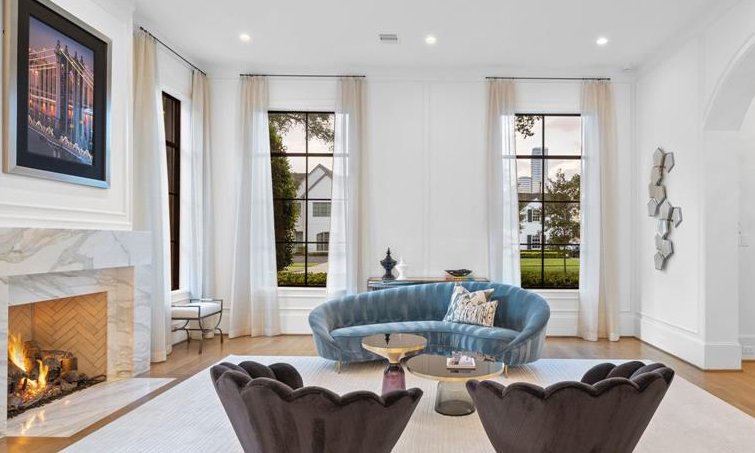
The Real Cost of Moving Fast
When you're renovating an established home in Centennial or finishing new construction in Castle Pines, the timeline can feel relentless. Permits, contractors, delivery schedules; everyone wants decisions yesterday. That pressure creates a psychological state where you stop asking the right questions and start just trying to get things done.
I see this most often with major investments. A family decides they need an outdoor kitchen because that's what entertaining looks like in their neighborhood. They spend $60,000 on the space, use it three times the first summer, and realize too late that they'd rather have upgraded their basement into a proper bar and game room. That's where they actually gather. That's where their teenagers want to be. But they followed a script instead of their instincts.
Or someone rushes through finish selections for a new build and chooses trendy tile that already feels dated by move-in day. They thought they were being current. They were actually being hasty.
These aren't small mistakes. At the investment levels we work with; every decision carries weight. You're not decorating for a season. You're building the backdrop for years of your life.
Designing for Continued Happiness, Not Immediate Gratification
Here's what separates a well-designed home from one that just looks good in photos: the well-designed home serves you five years from now, not just next month.
When I work with clients throughout Highlands Ranch and Littleton, we spend significant time in the planning phase asking questions that might feel uncomfortable. Not "what do you want?" but "what do you actually need?" Not "what looks good?" but "how will this serve your daily life?"
Because immediate gratification is easy. Picking the trending paint color, ordering the sofa everyone on Instagram has, copying your neighbor's renovation, these decisions provide a dopamine hit. They feel productive. They feel like progress.
But they're not designing for continued happiness. They're designing for right now, and right now changes.
The homes that stand the test of time are built on deeper thinking. They're designed around how a family actually moves through space, what they value, what drains them, and what brings them ease. That requires slowing down enough to know the difference between what you want and what you think is expected of you.
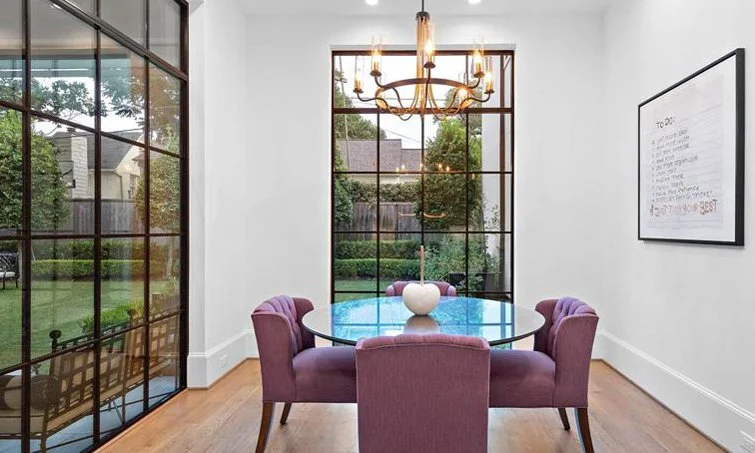
The Question You're Not Asking Yourself
Before any major design decision, there's a question worth sitting with: Is this what I really want, or is this what I think I'm supposed to want?
The outdoor kitchen that everyone in Castle Pines seems to have. The formal dining room that you're told adds resale value. The white kitchen that's been "in" for the last decade. The oversized primary suite that takes up half the second floor.
These might be right for you. But they might also be choices you're making because they feel safe, expected, socially acceptable. Because not having them feels like you're missing something.
I've had clients realize midway through planning that they don't actually entertain outside. They hate bugs. They rarely grill. The outdoor kitchen they were designing was entirely about fitting in, not about how they wanted to live.
Once we named that, the entire project shifted. We reallocated that budget to spaces they'd actually use; a finished basement with a full bar, pool table, and comfortable seating where they could watch games with friends. A space that matched their lifestyle instead of their neighborhood's Instagram aesthetic.
That's what happens when you slow down enough to be honest. You stop performing and start designing for yourself.
Assessing Your Life Before You Design Your Space
One of the most valuable things you can do before making significant design decisions is take a clear-eyed inventory of your actual life. Not the life you wish you had or the one you think you should have. The one you're living right now.
How do you spend your weekends? Where do you spend the most time when you're home? What tasks feel hardest? What spaces do you avoid? When do you feel most at ease?
These aren't abstract questions. They're diagnostic. They tell you what's working and what isn't, and they reveal where your home should be supporting you better.
For families in Highlands Ranch working with existing floor plans, this assessment often uncovers surprising truths. The formal living room that seemed essential when they bought the house has become a dust-collecting museum. Meanwhile, the kitchen island is overloaded because it's doing the work of three different functions and there's nowhere else to put anything.
For clients building or renovating in Centennial and Littleton, slowing down to assess how they actually live prevents expensive mistakes before they're built into the walls. We've redesigned entire floor plans because someone realized they were building a house for an imaginary version of themselves; the version that hosts dinner parties every week, not the version that orders takeout and eats at the counter.
Taking time to assess your life isn't indulgent. It's practical. It's the difference between a $75,000 renovation that makes your home easier to live in and a $75,000 renovation that looks nice but doesn't actually solve anything.
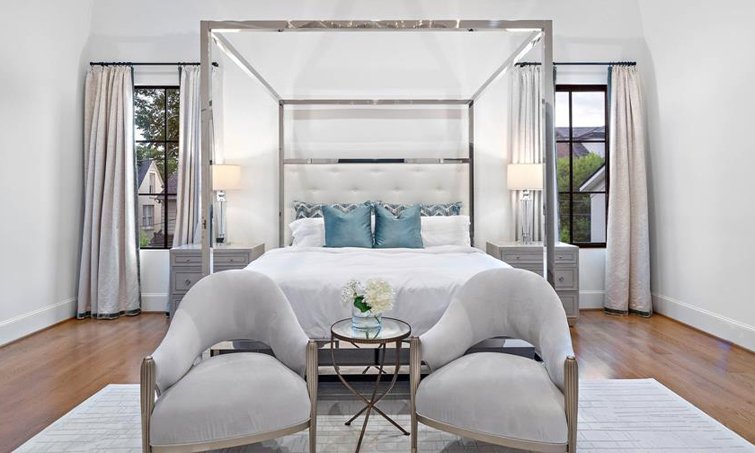
The Dopamine Purchase Problem
There's a particular kind of buying that happens when you don't have a clear plan. You see something beautiful; a throw pillow, a decorative object, a piece of art, and it gives you that little hit of satisfaction. You buy it. You bring it home. And then it sits there, not quite right, adding to the visual noise instead of contributing to cohesion.
This is the dopamine purchase cycle, and it's one of the biggest obstacles to a well-designed home.
Individual purchases feel harmless. But accumulated over months and years, they create clutter that makes spaces feel chaotic and harder to maintain. Surfaces fill up. Rooms lose their sense of calm. You end up with a collection of things you liked in the moment but that don't work together as a whole.
I see this most often with homeowners trying to furnish their spaces without a comprehensive plan. They buy what's available, what's on sale, what catches their eye at the moment. Each piece made sense in isolation. Together, they create visual confusion.
This is why full-service interior design exists. Not because you can't pick out furniture, of course you can. But because designing a cohesive home requires seeing the whole picture before you start filling in the pieces. It requires patience with the process and discipline to wait for the right thing instead of settling for the available thing.
When you slow down and work from a plan, you're not tempted by every pretty object that crosses your path. You know what you're looking for. You know what will work and what won't. And you avoid the cycle of buying, regretting, and buying again that ultimately costs more than doing it right the first time.
The homes that feel effortless to maintain are almost always the ones designed with intention from the beginning. Not because they have less in them, but because every element has a purpose and a place.
What Full-Service Design Actually Provides
There's confusion in the market about what interior designers do. Retail furniture stores have "design services" that are really just sales assistance. You pick from what they carry, they arrange it in your space, and you hope it works out.
That's not what we're talking about here.
Full-service interior design is a comprehensive process that begins before you buy a single thing and continues through installation. It means someone is thinking about your entire home as a connected system, not just helping you shop.
For clients in Centennial working on established home renovations, this means we're often involved in architectural decisions: where to move walls, how to improve flow, what finishes will hold up to your lifestyle. We're sourcing from custom fabricators, trade-only showrooms, and independent makers, not limited to one store's inventory.
For new construction projects in Castle Pines, we're reviewing builder plans, specifying every finish from tile to hardware to lighting, and ensuring that what gets installed is what you'll actually want to live with. We're catching mistakes before they're built.
For historic renovations in Littleton, we're balancing preservation with function, knowing when to restore original details and when to introduce modern elements that make the home livable for how families function today.
And for families in Highlands Ranch making long-term investments in their homes, we're thinking about durability, maintenance, and how spaces will evolve as life changes.
This level of service requires a different investment than buying furniture from a showroom. Jamie House Design gives each decision the time and attention it deserves, to source from multiple vendors until we find exactly the right thing, to see a project through from concept to completion.
The value isn't just in the end result. It's in avoiding the mistakes that come from moving too fast.
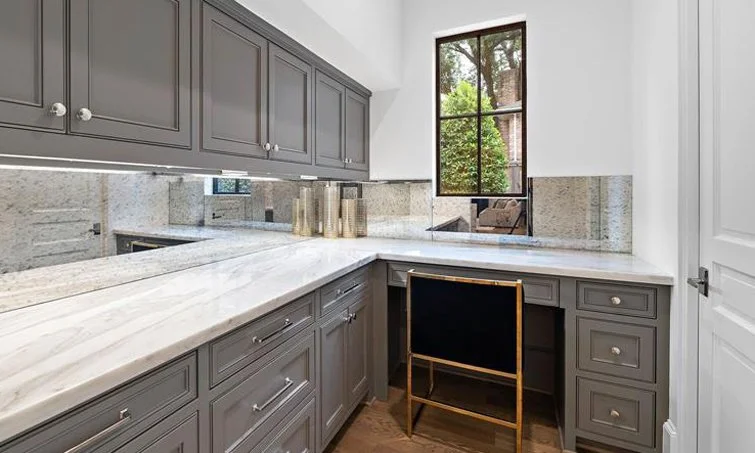
The Big Picture Takes Time to See
When you're in the middle of making decisions, it's hard to see how everything connects. You're focused on picking the right paint color, but you're not thinking about how that color will look against the flooring you haven't chosen yet, under the lighting you haven't planned, next to the furniture that hasn't been selected.
This is where speed becomes dangerous. Each decision in isolation might seem fine. But interior design isn't about isolated decisions, it's about how everything works together as a whole.
The big picture takes time to see. It requires stepping back, considering context, understanding how different elements will interact. It means sometimes saying "I don't know yet" and sitting with uncertainty until you have enough information to decide well.
I've never regretted slowing down a project. I've often regretted moving too fast.
The clients who trust this process; who resist the urge to rush, who invest the time upfront in planning, who stay focused on how they actually want to live, end up with homes that serve them for decades. Not because every choice was perfect, but because every choice was intentional.
What This Looks Like in Practice
Slowing down doesn't mean endlessly deliberating or never making decisions. It means being strategic about where you invest your time and what you commit to before you're ready.
In practical terms, it means spending more time in the planning phase and less time fixing mistakes later. It means not ordering furniture until you've finalized the floor plan. It means not choosing paint colors until you've selected the larger materials like flooring and tile. It means waiting for the right piece instead of settling for something available now that you'll want to replace in two years.
For a kitchen renovation in Centennial, it might mean living with your existing layout for a few months while we figure out the best way to improve function, rather than jumping into demolition and hoping we get it right.
For new construction in Castle Pines, it means not accepting builder-grade finishes just because they're included. It means taking the time to specify what you actually want and budgeting accordingly from the start.
For historic homes in Littleton, it means researching original details and understanding what should be preserved before you start making changes. It means respecting the home's history while making it work for modern life.
And for established homes in Highlands Ranch, it means assessing what's worth keeping, what can be updated, and what needs to be completely reimagined, before you spend money on surface fixes that won't solve the underlying issues.
The Alternative Costs More
Here's what happens when you don't slow down: you make decisions you regret, and correcting them costs more than doing it right initially.
You choose the wrong sofa and replace it two years later. You paint rooms the wrong color and repaint. You install tile you hate and live with it because redoing it is too expensive. You build spaces you don't use and wish you'd allocated that budget differently.
These mistakes are expensive; not just financially, but emotionally. They create a home that never quite feels right, where you're always planning the next fix instead of simply living.
The alternative is to slow down on the front end. To invest time in planning, in assessing, in asking hard questions about what you actually need. To work with someone who can see the whole picture and help you avoid the common pitfalls.
This approach costs more upfront in time and design fees. But it saves money in the long run by getting things right the first time. And more importantly, it creates a home that actually serves your life.
Designing Spaces That Serve Your Life
At the end of the day, your home should make your life easier, not harder. It should reflect how you actually live, not how you think you're supposed to live. It should be designed for your real needs, not for the performance of having the right aesthetic.
That level of authenticity requires slowing down enough to know the difference. It requires setting aside external pressures and getting honest about what you actually need from your space.
For some families, that means admitting they'll never use a formal dining room and converting it to something functional. For others, it means acknowledging they need more storage, better flow, or spaces designed around how their family actually gathers.
These realizations don't come from scrolling Instagram or copying your neighbors. They come from paying attention to your own life and being willing to design for that reality.
Throughout Centennial, Castle Pines, Highlands Ranch, and Littleton, the homes that work best for their owners are the ones designed with this kind of clarity. Not the fastest projects, but the most thoughtful ones. Not the trendiest, but the most authentic.
That's what happens when you give yourself permission to slow down. You create something that lasts; not just physically, but in how it continues to serve you year after year.
And that's the real definition of a beautiful home: one that makes your life better every single day, not just the day you finish it.
Ready to design a home that truly serves your life? Jamie House Design works with homeowners throughout Centennial, Castle Pines, Highlands Ranch, and Littleton with flexible service options designed to meet you where you are in your project, from initial guidance and advice to full project management of your remodel or new construction home. We help families slow down, assess what they actually need, and create spaces designed for how they really live, not how they think they should. Contact us to discuss your project.
Related Articles:
About the Author
Jamie House is an award-winning interior designer serving Centennial, Littleton, Castle Pines, and throughout Colorado. With over 20 years of experience designing luxury homes, she specializes in creating spaces where families naturally gather. Her work has been featured in Country Living, Houston Chronicle, and Design Sponge.
Schedule a Consultation | View Portfolio | Read More Articles
Jamie House Design partners with homeowners and real estate professionals throughout Littleton, Castle Pines, Centennial, and greater Denver to create homes where beauty and intention meet. If you're beginning your search or ready to transform a property you've found, we'd welcome the conversation. Contact us to explore what's possible.