Interior Design Trends 2026: Quality, Authenticity, and Breaking the Rules
The design industry churns out trend predictions every year, many of which feel disconnected from how people actually live. After two decades of observing what creates lasting satisfaction in homes, particularly in Centennial, Littleton, and Highlands Ranch, we're seeing a meaningful shift away from disposable design toward something more substantial.
These aren't predictions based on what's appearing in showrooms or what influencers are promoting. They're observations of what thoughtful homeowners are already doing: investing in quality, questioning design rules that never made sense, and creating spaces that genuinely support their daily lives rather than chasing whatever is currently fashionable.
Remodeling What You Have Instead of Moving
The South Denver real estate market has pushed many homeowners to reconsider the constant upgrade cycle. Rather than selling an established home in Centennial or Highlands Ranch to buy something marginally better, families are investing in comprehensive renovations that transform their existing spaces into exactly what they need.
This shift makes sense. Moving costs are substantial; realtor fees, closing costs, moving expenses, and the disruption to family life is significant. More importantly, established neighborhoods offer mature landscaping, known school systems, and community connections that new developments can't replicate immediately.
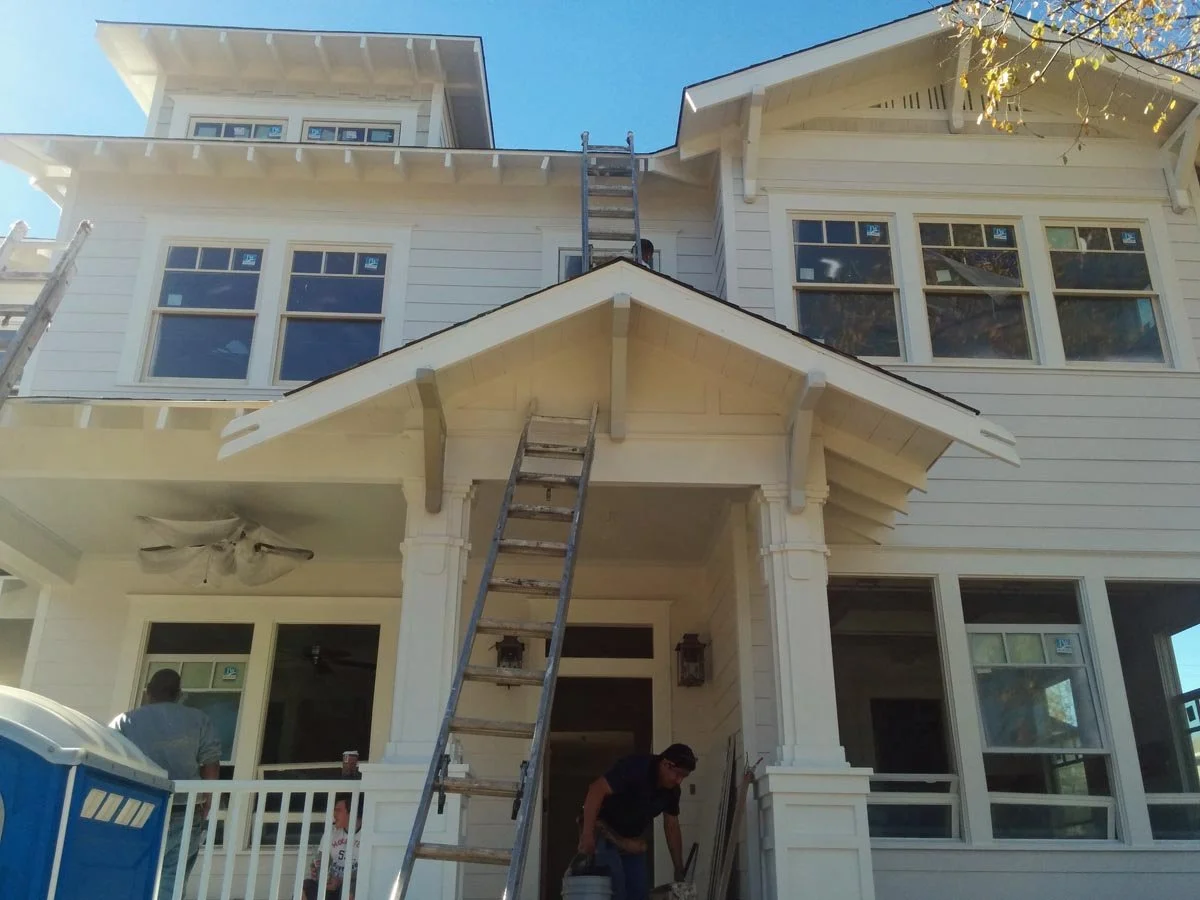
We're seeing homeowners commit to substantial remodels: reconfiguring outdated floor plans, adding primary suites, modernizing kitchens with architectural changes rather than cosmetic updates. These aren't quick refresh projects. They're investments that require architectural expertise, custom fabrication, and comprehensive design that addresses how the family actually lives.
In Littleton's historic neighborhoods, this means preserving the character of ranch-style homes while completely reimagining interior layouts. In Castle Pines, newer construction gets personalized through custom built-ins, architectural millwork, and thoughtful material selections that reflect the homeowners' taste rather than builder-grade defaults.
The financial reality supports this approach. For many homeowners, investing $150,000 to $300,000 in a comprehensive remodel of a home they already own, and love the location of, makes more sense than spending $200,000 more for a different house that still needs updates.
Built-In Storage as Architecture
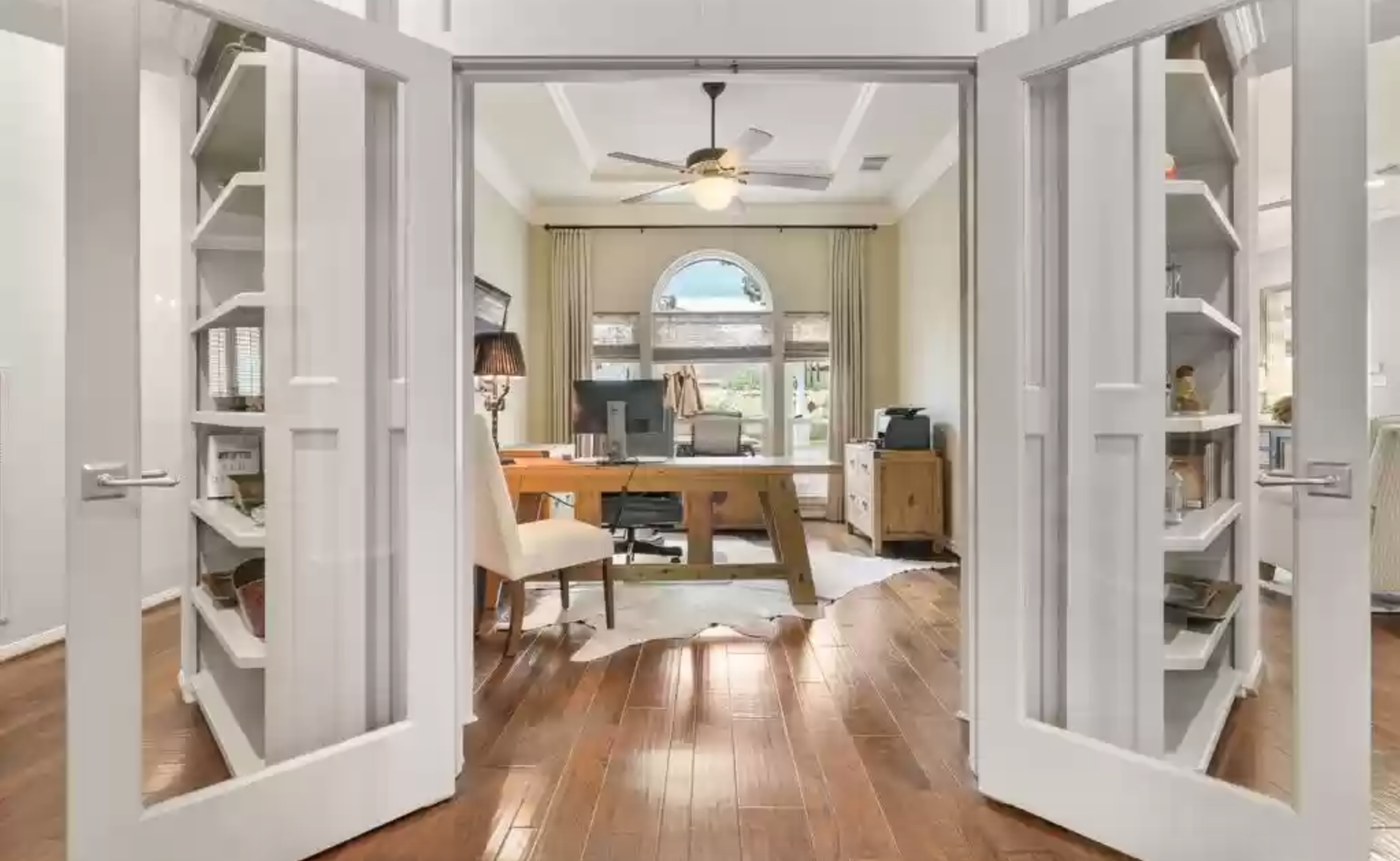
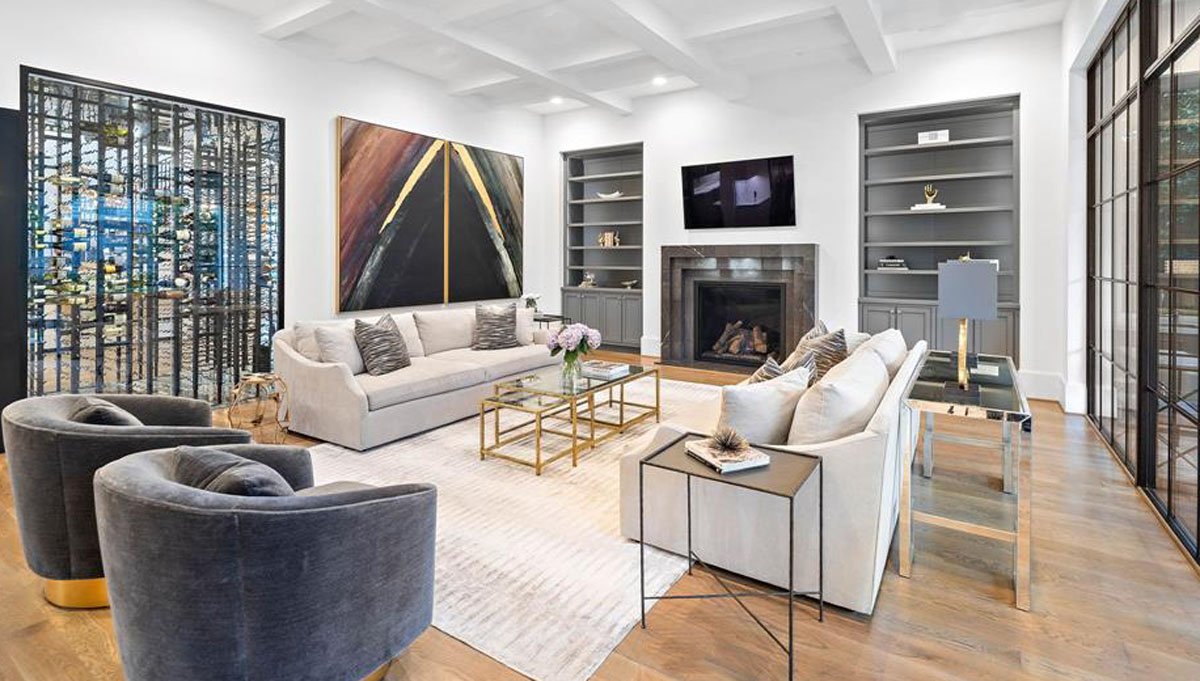
Freestanding furniture will always have its place, but there's a growing recognition that built-in storage is architecture, not decorating. Custom cabinetry, window seats with integrated storage, floor-to-ceiling shelving systems, these aren't afterthoughts. They're fundamental to how a space functions.
Built-ins maximize every square inch. That awkward wall in your primary bedroom becomes a custom closet system. The wasted space flanking your fireplace transforms into display shelving with concealed storage below. Your mudroom evolves from a catch-all chaos zone into a highly organized entry system with designated spaces for each family member's belongings.
The upfront investment is higher than buying bookcases from a furniture store, but built-ins are permanent improvements that add actual value to your home. They're designed specifically for your spaces, your possessions, and your habits. Custom cabinetry in a home office accommodates your exact equipment and filing needs. A built-in window seat in a child's room includes toy storage below and becomes a reading nook that grows with them.
For South Denver homes, particularly those in Centennial and Highlands Ranch built in the 1980s and 1990s, adding substantial built-in storage addresses a common limitation of homes from that era. Closets are smaller, pantries are inadequate for how families shop and cook now, and there's often wasted space that thoughtful built-ins can activate.
This isn't about creating showroom-perfect spaces with nothing visible. It's about providing proper homes for the things you use daily so your living spaces remain functional and calm rather than cluttered.
Quality Over Quantity: Materials That Last
There's a noticeable fatigue with disposable design. Homeowners are tired of replacing kitchen faucets after three years, frustrated with laminate flooring that chips and can't be refinished, done with furniture that falls apart and ends up in landfills.
The shift is toward materials chosen for longevity. Solid hardwood flooring instead of engineered products. Natural stone countertops rather than manufactured surfaces. Plaster walls instead of flat paint. Quality plumbing fixtures that come with lifetime warranties because they're built to last that long.
This extends to furniture. Fiberboard pieces from big-box retailers get replaced with solid wood; whether that's new custom fabrication or antique and secondhand finds. A well-made wooden dresser can serve multiple generations. A particle board dresser from a flat-pack furniture company will be in a landfill within a decade.
The financial math is straightforward. A $5,000 solid wood dining table used for thirty years costs less than $200 per year. A $600 fiberboard table replaced every five years costs $120 per year, and you deal with the hassle of disposal and shopping multiple times. Quality costs more upfront but less over time, and you live with something more beautiful throughout.
This mindset requires patience. It means saving for what you actually want instead of buying the Amazon or Wayfair version immediately. It means living with an empty corner for six months while you wait for the right piece rather than filling it with something you'll tolerate temporarily.
For full-service design projects where custom fabrication is involved, this philosophy is built into the process. Every material selection considers long-term durability, maintenance requirements, and timeless appeal rather than current trends.
Defining Your Own Style, Not Following Trends
The relentless churn of design trends on social media has created a strange homogeneity. Homes across the country look eerily similar because everyone is following the same influencers, shopping the same retailers, and implementing the same "room formulas."
More thoughtful homeowners are stepping back and asking what they actually want their homes to look and feel like, independent of what's currently popular. This requires self-reflection and confidence. What colors make you feel calm or energized? What furniture scale feels right for how you move through spaces? What art and objects bring you genuine joy rather than serving as placeholder décor?
This doesn't mean ignoring good design principles; scale, proportion, balance still matter. But it means questioning whether you truly want an all-white kitchen because you love how it looks and functions, or because it's what you've seen repeatedly and feels "safe."
Developing your own style takes time. It requires looking at your home's architecture and asking what would enhance it rather than fight it. A 1950s ranch in Littleton has different bones than a 2015 traditional in Castle Pines. Working with those architectural characteristics instead of trying to force a single aesthetic onto every home type creates more authentic, interesting spaces.
This approach also means being willing to make bold choices when they're right for you, even if they're not currently trending. If you love saturated color, use it meaningfully. If you prefer natural materials in their honest state rather than everything painted white, embrace that. Your home should reflect your sensibility, not perform for social media.
Heirloom Accessories, Not Disposable Décor
There's a growing recognition that home accessories should be chosen with the same care as furniture and finishes. The objects in your home, lamps, vases, textiles, art, shouldn't be things you expect to discard in two years when trends shift.
This means investing in quality even for smaller items. A hand-thrown ceramic vase from a local artist becomes something you treasure and use for decades. A well-made wool rug can be cleaned, repaired, and passed down. Vintage or antique accessories often have better materials and craftsmanship than contemporary mass-produced equivalents.
Consider objects as future heirlooms rather than temporary styling. That perspective shifts what you choose. You become more selective, more willing to wait for the right thing, less likely to accumulate meaningless items just to fill space.
This doesn't mean your home becomes a museum where nothing can be touched. It means the objects in your home have purpose, beauty, or meaning; ideally all three. They're things you want to live with long-term, not placeholders until something better comes along.
For families in South Denver's suburbs, this might mean commissioning custom pieces from local craftspeople, seeking out antique shops along South Broadway, or working with designers who have access to trade-only sources that offer superior quality to retail options.
Mixed Metal Finishes: Breaking the Matching Rule
The "all metals must match" rule has created monotonous interiors. Kitchens where every piece of hardware, every fixture, every appliance is the same matte black. Bathrooms where brushed nickel appears on every surface without variation.
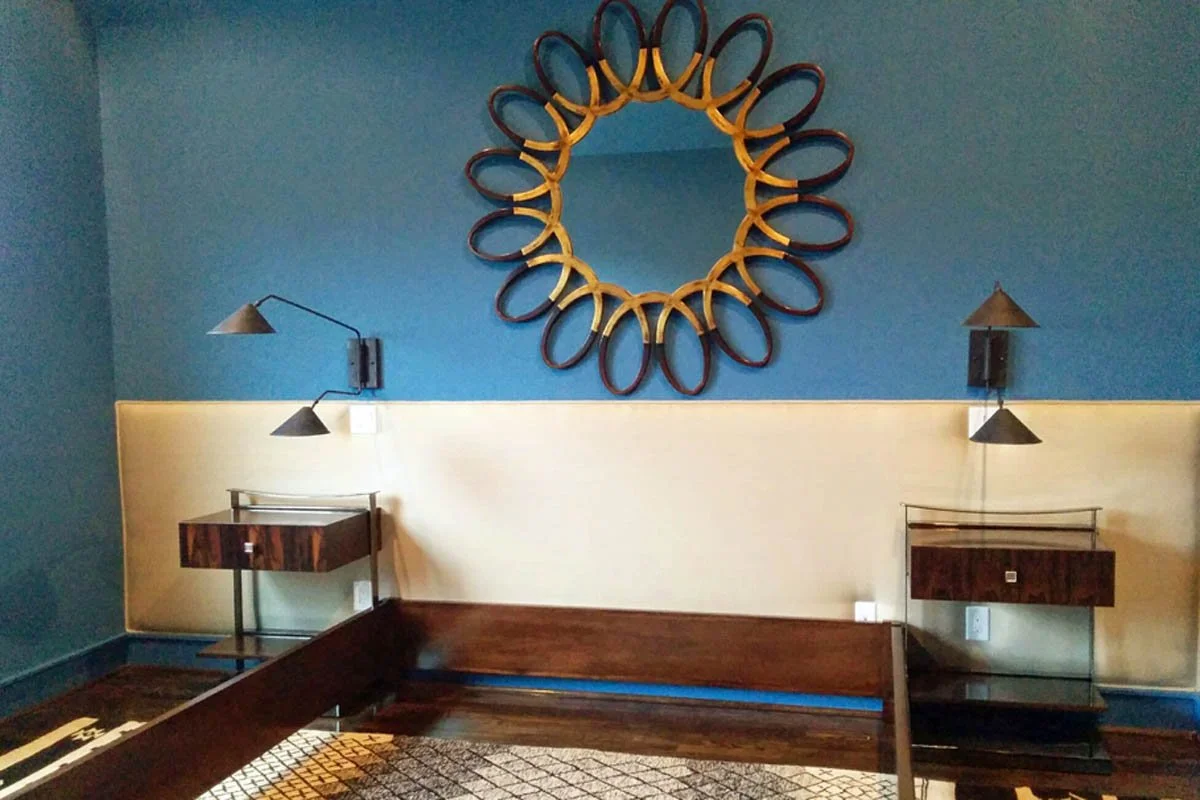
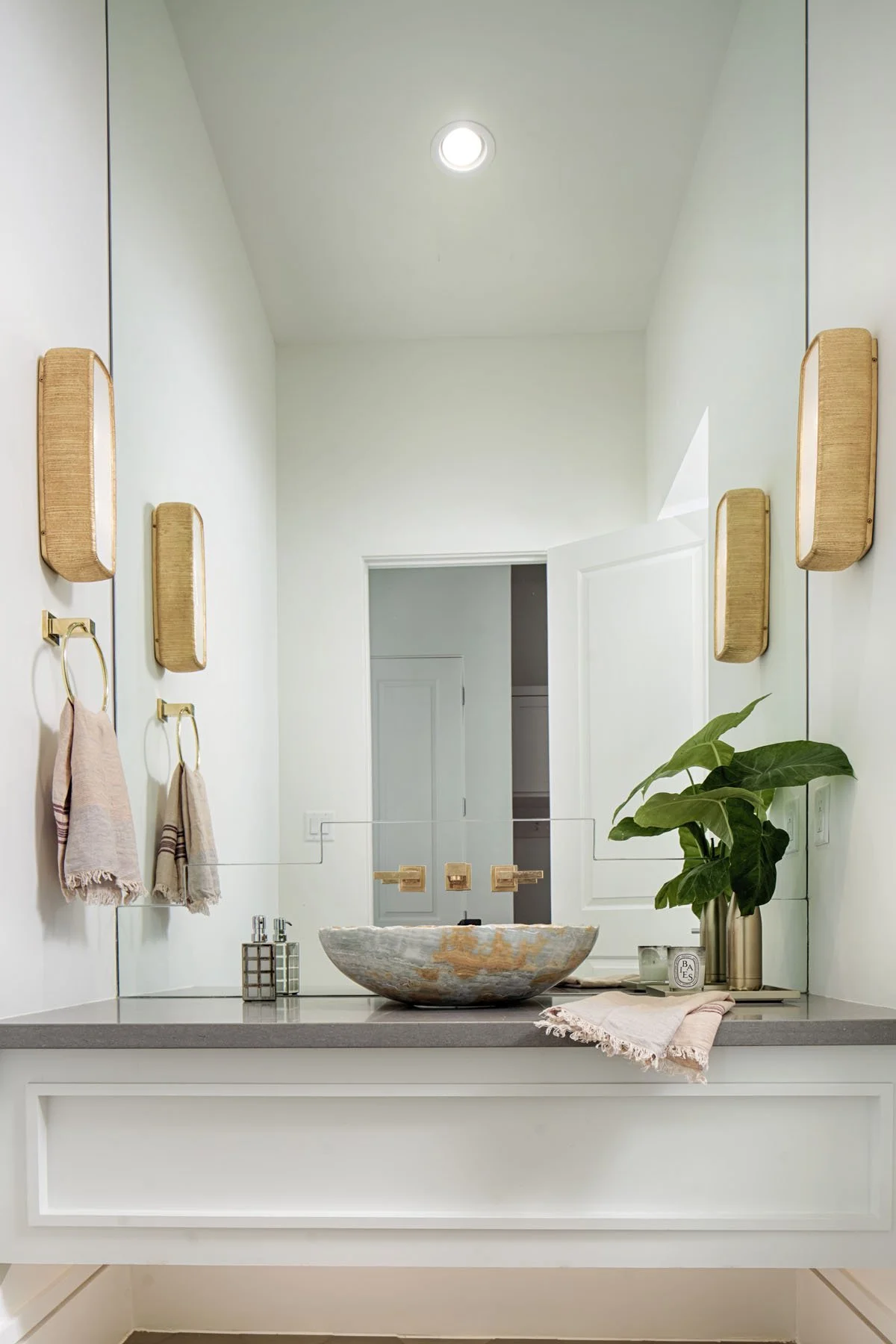
Real homes, interesting homes, mix metal finishes thoughtfully. Your kitchen might have brass cabinet hardware, stainless steel appliances, and a matte black faucet, all working together because they're balanced throughout the space. Your bathroom could blend polished nickel fixtures with aged brass sconces and oil-rubbed bronze cabinet pulls.
The key word is thoughtfully. This isn't about randomness. It's about intentionally combining finishes that create visual interest while maintaining cohesion. Warm metals (brass, bronze, copper, gold) work together. Cool metals (chrome, nickel, stainless) work together. You can even bridge between warm and cool in the same space when done with purpose.
This approach creates depth and prevents the flat, catalog-perfect look of matched sets. It allows for vintage or antique pieces to coexist with new fixtures. It means when you renovate your bathroom ten years after your kitchen, you're not forced to match finishes you no longer love.
For Centennial CO homes undergoing renovations, this freedom makes projects more interesting. You're not constrained by finding every element in the same finish family. You can choose the best faucet, the best hardware, the best lighting independently and trust that thoughtful composition will create harmony.
Original Art Over Mass-Produced Signs
The proliferation of wooden signs with phrases, "Gather," "Blessed," "Home Sweet Home", and neon signs as décor represents peak disposable design. These items don't hold meaning; they signal that a space has been "decorated" without requiring actual taste or investment.
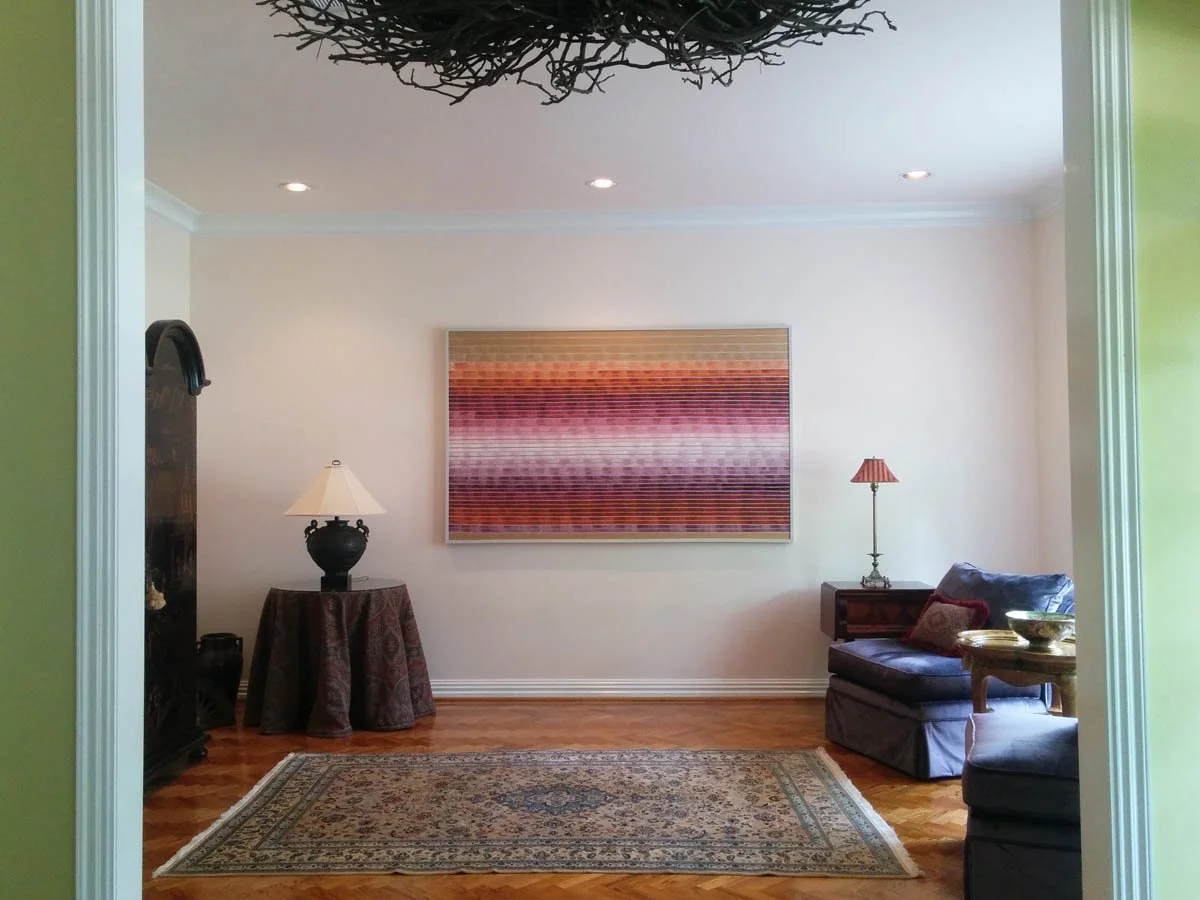
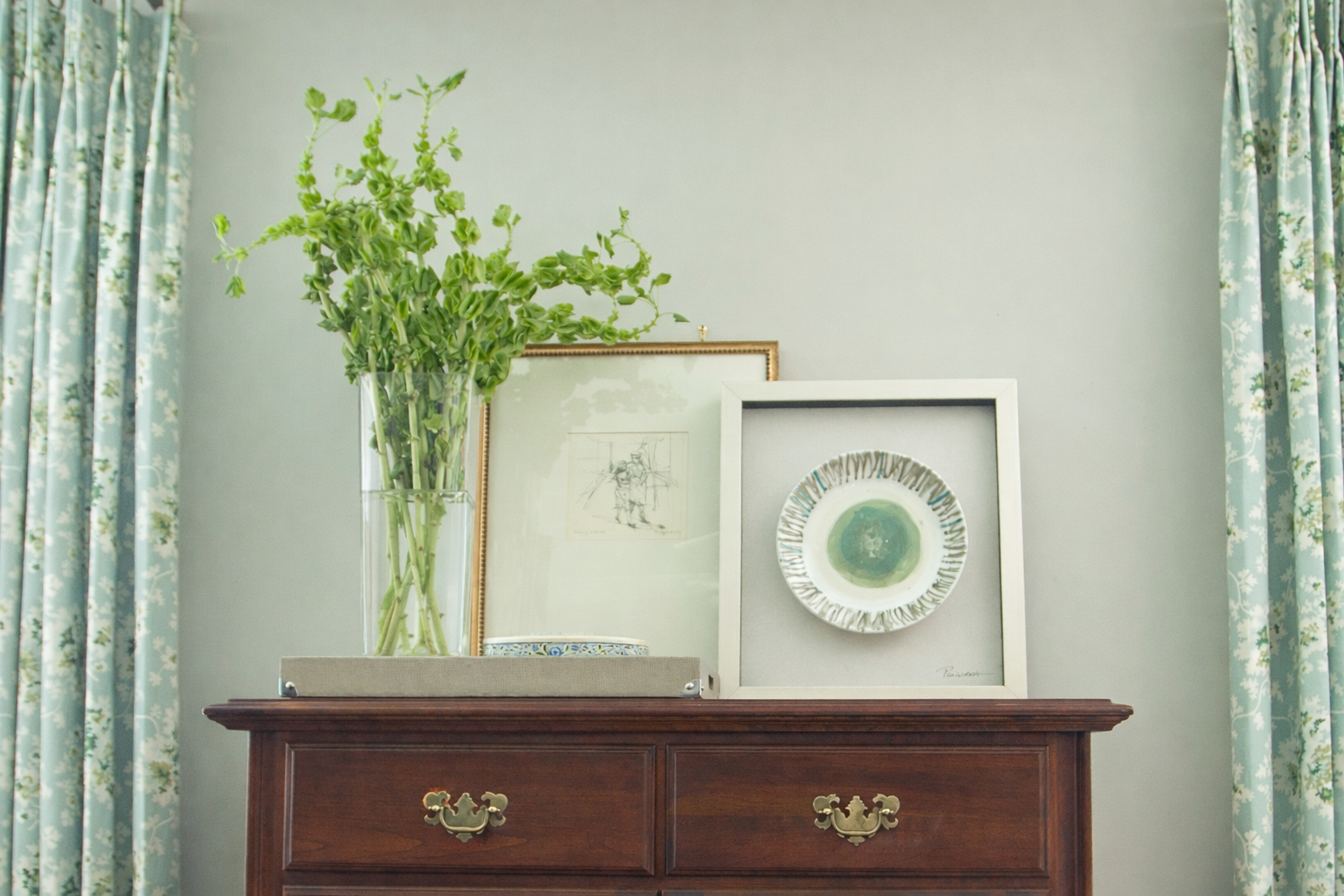
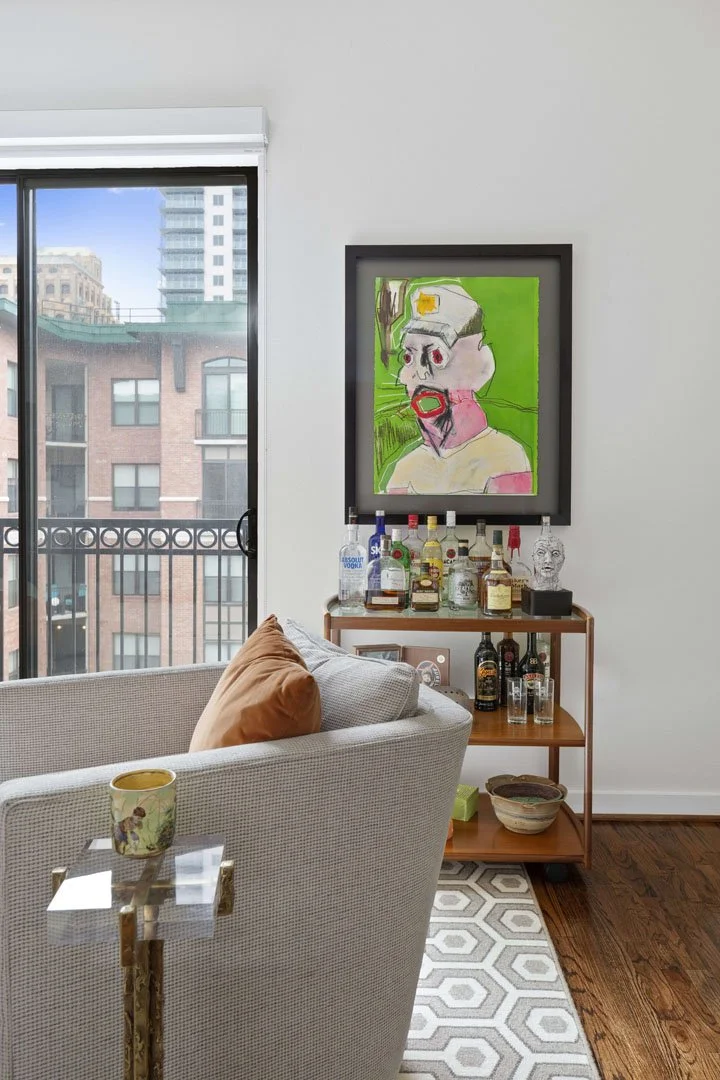
Original art makes your home yours. A painting from a local Colorado artist. Framed photographs from your travels that actually matter to you. Ceramics from a craftsperson whose work you discovered and loved. These things can't be replicated. They tell your story rather than performing someone else's idea of what a home should say.
Collecting art doesn't require enormous budgets. Emerging artists sell work at accessible prices. Art fairs, open studios, and local galleries in Denver's adjacent neighborhoods offer opportunities to discover artists whose work resonates with you. Many artists accept commissions or offer payment plans for larger pieces.
Original artwork displayed in entry of Centennial Colorado home
The process of choosing art; living with it, seeing how it affects a room, understanding what draws you to certain work, develops your aesthetic sensibility in ways that buying pre-made décor never will. It's an investment in objects that appreciate in both monetary value and personal meaning over time.
For clients working on comprehensive design projects, art selection is integrated into the process. Wall space, lighting, and framing are all considered architecturally so art is displayed properly rather than as an afterthought.
Designing for Your Actual Lifestyle
This seems obvious, yet many homes are designed around theoretical lifestyles rather than how families actually function. The formal dining room that gets used twice a year. The elaborate home office setup for someone who works at the kitchen counter. The primary bathroom with a soaking tub that never gets used but takes up space needed for better storage.
Designing for your actual lifestyle means honest assessment of how you move through your home, what you do daily, and what frustrates you about your current setup. Then making architectural and design decisions that support your real life.
This might mean unconventional choices. Installing light switches at your bedside so you're not fumbling in the dark. Building mirrors into your home gym walls properly instead of propping up something you found on Facebook Marketplace. Creating a pet washing station if you have large dogs instead of fighting with them in the bathtub. Converting a formal living room you never use into a spacious home office if you work remotely.
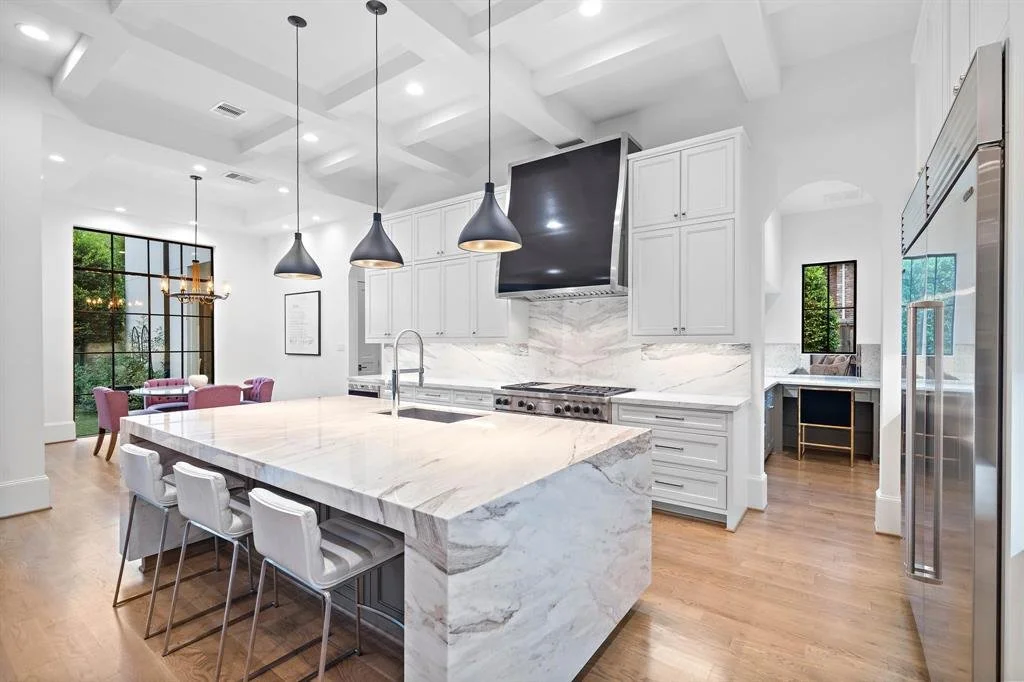
In Highlands Ranch, where family-focused homes are common, this might mean expanding kitchen islands to truly accommodate homework, meal prep, and gathering rather than maintaining an undersized island that's standard for the home's square footage but insufficient for actual use.
In Centennial's established homes, it might mean reconfiguring the primary suite to include a substantial walk-in closet and modern bathroom rather than maintaining the original layout that doesn't serve current needs.
The goal is function that enhances daily life, not adherence to generic design templates. If you need task lighting in specific locations for hobbies or work, install it properly. If you need more counter space in your bathroom for getting ready in the morning, create it. Your home should work for you, not the other way around.
Natural Materials: Wood and Lime Wash
The continuation of wood on walls and ceilings reflects a broader appetite for natural materials that age beautifully rather than show wear. Wood paneling, shiplap (when done with restraint), exposed beams, tongue-and-groove ceilings; these add architectural interest and warmth.
The key is using real wood, properly installed, treated as architecture rather than applied as trend. Wood walls and ceilings work particularly well in Colorado homes, complementing the natural surroundings and adding texture without busy patterns.
Lime wash, a traditional wall treatment made from limestone, is gaining attention as an alternative to flat paint. It creates subtle depth and variation, develops a patina over time, and is naturally breathable and antimicrobial. Lime wash works beautifully in both modern and traditional spaces, adding sophistication without showiness.
These materials represent a move away from synthetic surfaces toward substances with history and authenticity. They require proper installation, lime wash application is a skill that not every painter possesses, but the results are worth the investment.
For historic homes in Littleton, lime wash can honor original plaster walls while providing a fresh finish. In newer Highlands Ranch construction, wood ceilings add character to builder-grade boxes. These aren't trend applications; they're thoughtful material choices that improve how spaces look and feel.
Deliberate Color: Beyond Neutral Safety
All-white or greige homes have dominated for a decade, partially because neutral spaces photograph well for social media and resale. But we're seeing more confidence with color, not maximalist pattern-on-pattern, but deliberate use of color to create mood and character.
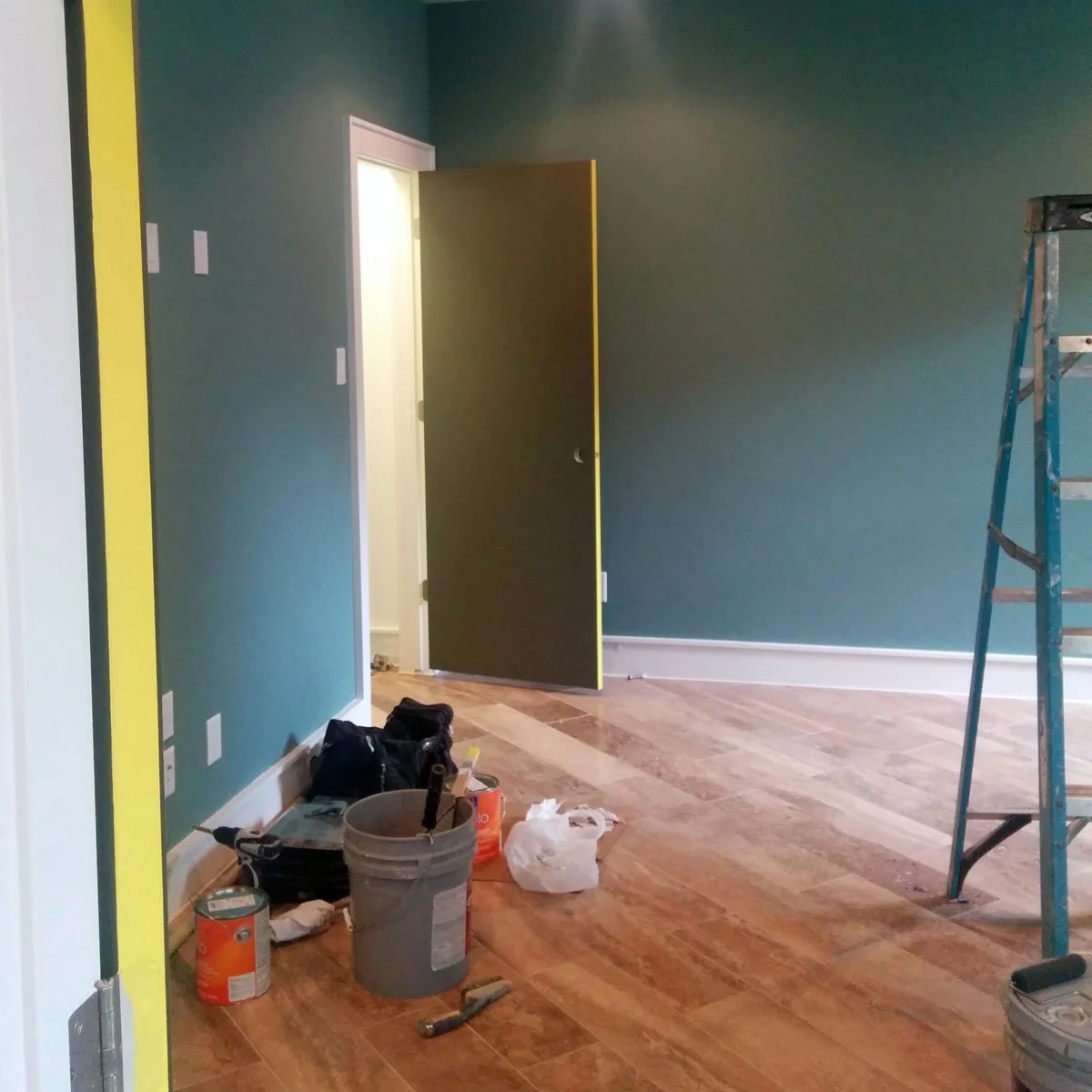
This might mean a saturated paint color in a powder room or dining room. Deep, rich hues that make a space feel cocooned and intentional. Or it might mean colorful tile in a kitchen backsplash or bathroom, adding personality without overwhelming.
The approach is considered, not haphazard. Color choices relate to the home's architecture, the natural light in spaces, and the mood you want to create. A north-facing room might embrace its cool light with sophisticated blues or greens. A sun-drenched family room could handle warm terracotta or golden yellows.
This doesn't mean abandoning neutral backgrounds entirely. It means recognizing that neutral can be boring if it's driven by fear rather than preference. If you genuinely love white walls, use them. If you're choosing white only because it feels safe, consider whether adding color in meaningful places would make your home feel more like yours.
For South Denver homeowners concerned about resale value, the reality is that well-executed color appeals to buyers looking for homes with character. Generic beige boxes are plentiful. A home with confident, thoughtful design stands out and attracts buyers who appreciate that vision.
Questioning Design Rules That Never Made Sense
Many design "rules" persist despite having no functional or aesthetic basis. Don't mix wood tones. All furniture legs must be visible. Area rugs must float with equal space on all sides. Dining tables need centerpieces. Never hang art above a sofa that's wider than the sofa.
Thoughtful designers and homeowners are questioning these arbitrary constraints. Could you use a pendant light instead of a table lamp if it better serves the space and your needs? Absolutely. Could you run the same flooring throughout your home instead of transitioning materials between rooms? If it creates better flow and simplifies the design, yes. Could you use an unexpected material, cork flooring in a bathroom, concrete counters in a traditional kitchen, wallpaper on a ceiling? If it's appropriate for the application and achieves the effect you want, why not?
This isn't about being different for its own sake. It's about making decisions based on actual criteria, function, beauty, appropriateness, rather than following rules that may have made sense in different contexts or time periods but don't serve your specific situation.
In practice, this might mean eliminating upper cabinets in a kitchen to create a more open feel, even though conventional kitchen design says you need them for storage. If you can achieve adequate storage through base cabinets, a pantry, and open shelving, the rule doesn't apply. Or it might mean installing a dramatic light fixture in a bathroom, treating it with the same design attention typically reserved for more public spaces.
Freedom From Resale Value Fear
Perhaps the most significant shift is homeowners giving themselves permission to create the home they want to live in rather than the home they think future buyers might want. This doesn't mean making choices so personal or unusual that the home becomes unsellable. It means prioritizing your family's needs and preferences over theoretical future buyers you'll never meet.
If you want a bold kitchen with colorful tile and unique fixtures because you'll use that kitchen daily for the next fifteen years, do it. If you want to convert a bedroom into a craft room or home theater because that serves your lifestyle, make it happen. If you want extensive built-in storage customized to your exact needs even though it's not "neutral," invest in it.
The fear of resale value has created bland, personality-free homes that no one truly loves. The irony is that homes with character and quality; even when they reflect specific tastes, often sell better than generic, builder-grade interiors. Buyers looking for homes with substance appreciate thoughtful design and quality materials, even if they might change cosmetic details.
For comprehensive remodel projects, the timeframe is typically long enough that resale concerns are irrelevant. You're creating a home you'll enjoy for many years. The quality of materials, the thoughtfulness of space planning, and the craftsmanship of custom work will appeal to future buyers regardless of specific aesthetic choices.
This perspective frees you to make authentic decisions. You can choose the paint colors you love, the tile that excites you, the layout that serves your family perfectly. Your home becomes a place you're genuinely happy to live in, rather than a staging ground for an eventual sale.
Moving Forward With Substance
These observations aren't arbitrary trend predictions. They're reflections of a meaningful shift toward intentionality, quality, and authenticity in how people approach their homes. After years of fast fashion design, quick changes, disposable materials, trend-chasing, there's appetite for something more substantial.
This approach requires different priorities. Patience instead of instant gratification. Investment in quality over accumulation of quantity. Confidence in personal taste rather than following whatever is currently popular. Willingness to work with professionals who bring architectural expertise and access to quality materials rather than attempting everything as DIY projects or relying on retail catalog solutions.
For homeowners in South Denver's established suburbs, whether you're in a 1950s ranch in Littleton, a 1990s traditional in Centennial, a newer build in Castle Pines, or a family-focused home in Highlands Ranch, these principles apply regardless of your home's age or style. Quality materials, thoughtful design, and authentic personal expression create homes that feel right for years, not just for the current trend cycle.
The homes that satisfy long-term aren't those that perfectly capture a moment in design history. They're homes that genuinely support how their owners live, reflect their actual tastes, and are built with materials and craftsmanship that last. That's not a trend. It's simply good design.
Ready to Transform Your Home?
At Jamie House Design, we guide full-service residential projects from initial planning through final installation. Our process is thorough, collaborative, and designed to bring clarity to every phase of your transformation.
We work with homeowners throughout Centennial, Littleton, Lone Tree, Cherry Hills Village, and Greenwood Village at different stages of their design journey. Some need comprehensive project design and management, others want expert guidance while managing the execution themselves. Both approaches get the same level of design expertise.
If you're planning a renovation, new construction, or whole-home transformation, [contact us to explore how we can bring your vision to life].
Related Articles:
About the Author
Jamie House is an award-winning interior designer serving Centennial, Littleton, Castle Pines, and Denver’s South Metro. With a Bachelor of Interior Design from Texas Tech University and over 20 years of experience in luxury residential design, she specializes in kitchen and bath remodels, whole-home renovations, and historic restorations. Her work has been featured in Country Living, Houston Chronicle, and Design Sponge.
Schedule a Consultation | View Portfolio | Read About Interior Design in Centennial CO
How to Refresh Your Home for a New Year of Possibility
The turn of a new year offers more than just a fresh calendar; it presents an opportunity to reimagine your living spaces and set intentional goals for your home. Whether you're planning a significant renovation or simply want to complete those lingering projects, January is the perfect time to assess your home's needs and create a realistic plan for the year ahead.
Finish What You Started
Most homeowners have at least one unfinished project lingering from the previous year. That guest bathroom still needs its second coat of paint. The framed art from your anniversary trip sits propped against the wall instead of hung properly. The cabinet hardware you purchased six months ago remains in its packaging.
These small, incomplete projects create visual clutter and mental weight. They're constant reminders of tasks undone, which can subtly affect how you feel in your home. The new year is an ideal time to commit to finishing these projects before starting anything new.
Start by walking through your home with a notepad and cataloging every unfinished task. Be honest about what's realistically achievable on your own and what requires professional help. A bathroom paint job might take a weekend. Installing new light fixtures could require an electrician. Hanging a gallery wall of family photos needs the right tools and technique to avoid multiple nail holes in your walls.
Set aside dedicated time in January to tackle these projects. You'll be surprised how much lighter your home feels when those nagging tasks are finally complete. In South Denver's established neighborhoods like Centennial and Highlands Ranch, where many homes date back to the 1980s and 1990s, these accumulated small projects can pile up over years of ownership. Completing them creates a clean slate for more ambitious plans.
Create a Thoughtful Home Wishlist
Once you've addressed unfinished business, turn your attention to what you actually want for your home in the coming year. This isn't about vague aspirations, it's about getting specific.
Your wishlist might range from practical updates like replacing worn bathroom towels to transformative projects like a complete kitchen renovation. The key is to write everything down without self-editing. Include the small items: new throw pillows for the living room, a better organizational system for the pantry, matching hangers for your closet. Include the significant investments: refinishing hardwood floors, adding a home office, reconfiguring your primary suite.
For larger renovation projects, particularly those involving architectural changes or custom fabrication, start with clear goals rather than specific aesthetic decisions. What isn't working about your current kitchen? Do you need more prep space? Better flow for family gatherings? More natural light? Understanding the functional problems you're solving helps professionals like Jamie House Design create solutions that genuinely improve how you live, rather than simply updating the look.
In Castle Pines, where new construction often means homes are move-in ready but lack personalization, your wishlist might focus on custom built-ins, statement lighting, or furnishings that reflect your family's personality. In Littleton's historic neighborhoods, you might be balancing preservation of original character with modern functionality; perhaps keeping original hardwood floors while completely reimagining the kitchen layout.
Be realistic about budget. If you're considering a full-service design project with architectural involvement, expect design fees starting at $50,000 for comprehensive work that includes space planning, custom fabrication, trade-only sources, and full installation. This level of investment makes sense for major renovations where you want architectural expertise, not just decorating assistance. For smaller updates, budget accordingly for quality materials and professional installation where needed.
Calendar Your Intentions
A wishlist without deadlines remains a fantasy. The difference between homeowners who complete projects and those who perpetually plan is simple: they schedule them.
Take your wishlist and assign realistic timeframes. Some items can happen immediately, ordering those new towels takes ten minutes online. Others require months of planning. A kitchen gut remodel needs design development, contractor scheduling, material lead times, and installation. Starting in January means you could potentially begin construction by summer.
Create a calendar specifically for home projects. Block out time for research, decision-making, and execution. If you're planning to work with design professionals, reach out now for projects you want completed this year. Full-service interior design firms typically book months in advance, particularly those focused on comprehensive architectural projects rather than quick consultations.
For significant renovations in South Denver suburbs, timing matters. Summer is ideal for projects involving exterior work or major construction that might require moving out temporarily. Spring and fall work well for interior renovations. Winter months, while less popular, can sometimes offer faster contractor scheduling.
Include decision deadlines on your calendar. Choose tile by February 15th. Select paint colors by March 1st. Finalize furniture selections by April 30th. These interim deadlines prevent the decision fatigue that stalls many projects. When you're working with professionals, these scheduled decision points keep the project moving efficiently and prevent costly delays.
Don't forget to schedule maintenance tasks as well. HVAC servicing, gutter cleaning, carpet cleaning; these aren't glamorous, but they protect your investment and prevent small problems from becoming expensive emergencies.
Dedicate Two Days to Clearing Out
Before bringing anything new into your home, create space by removing what no longer serves you. Block out two full days in early January, ideally a weekend when you have uninterrupted time, for a thorough clearing-out session.
Start with closets. Most of us wear twenty percent of our clothes eighty percent of the time. Remove items you haven't worn in a year. Be ruthless about clothes that don't fit, aren't your style anymore, or are damaged beyond easy repair. This applies to every family member. Kids' closets accumulate outgrown clothes quickly. Create a donation pile, a trash pile for items too worn to donate, and a maybe pile for things you're unsure about. Revisit the maybe pile in three months; if you haven't needed those items, let them go.
Move to kitchen pantries and cabinets. Check expiration dates on spices, canned goods, and condiments. Remove duplicate utensils and gadgets you never use. If you haven't used that bread maker or juicer in two years, someone else might actually enjoy it. Organize what remains in a way that makes sense for how you actually cook, not how you think you should cook.
Bathroom vanities and medicine cabinets accumulate product samples, expired medications, and half-used toiletries. Clear them completely, wipe down shelves, and only return items you genuinely use. The visual calm of an organized bathroom vanity is remarkable.
Don't forget garages, basements, and storage areas. These spaces often become dumping grounds for items we don't want to decide about. In South Denver homes, particularly in Highlands Ranch and Centennial where families tend to stay long-term, these spaces can hold decades of accumulation. Be systematic: tackle one section at a time, make quick decisions, and immediately remove donation items from your house before you reconsider.
The goal isn't minimalism for its own sake—it's creating breathing room in your home. When spaces are cluttered with things you don't use or love, it's harder to appreciate what you do have. It's also harder to envision changes you might want to make. Clearing out creates both physical and mental space for the new year's possibilities.
Evaluate Your Home's Natural Light
One aspect of home refresh that interior designers consistently emphasize is assessing how natural light moves through your spaces throughout the day and across seasons. Colorado's abundant sunshine makes this particularly relevant for South Denver homes.
Walk through your home at different times of day. Notice which rooms feel dark and which get harsh afternoon sun. Consider how window treatments affect both light quality and privacy. In established neighborhoods where homes sit closer together, like parts of Littleton and Centennial, window treatments play a crucial role in both function and aesthetics.
This evaluation might reveal opportunities you hadn't considered. Perhaps that dark corner in your living room needs a strategically placed mirror to reflect light. Maybe your home office would benefit from sheer curtains that filter harsh morning sun while maintaining brightness. Your primary bedroom might need blackout shades for better sleep.
If architectural changes are on your wishlist, light should be a primary consideration. Adding windows, removing a wall to borrow light from an adjacent space, or installing skylights can transform how a room functions. These aren't decisions to make casually—they require architectural expertise to ensure structural integrity, proper insulation, and cohesive design. But for homes in South Denver's suburbs, many of which were built during decades when smaller windows were standard, improving natural light can be transformative.
Consider how light affects your finish selections too. That paint color that looked perfect in the store might read completely differently in your north-facing dining room. Countertop materials, flooring, and fabrics all respond to natural light. If you're planning updates, test samples in the actual space at different times of day before committing.
Move Forward With Intention
The new year offers permission to reimagine your home, but real change requires more than inspiration—it requires planning, commitment, and often professional expertise. By completing unfinished projects, creating a specific wishlist, calendaring your goals, clearing out what you don't need, and thoughtfully evaluating your spaces, you set yourself up for a year of genuine progress.
For projects involving architectural changes, custom fabrication, or comprehensive design where you want independent expertise rather than catalog solutions, reaching out to full-service interior design professionals early in the year ensures your project can move forward on your timeline. For smaller updates, the systematic approach of finishing, planning, scheduling, and clearing out will help you achieve visible results.
Your home should support the life you want to live this year. Taking intentional action the last week in December & in January creates momentum that carries through the months ahead. Whether you're refreshing a single room or planning a complete renovation, starting with these foundational steps means you're building on solid ground rather than adding to an already cluttered foundation.
The new year stretches ahead full of possibility. Your home can reflect and support those possibilities, but only if you take concrete steps to make it happen.
Related Articles:
About the Author
Jamie House is an award-winning interior designer serving Centennial, Littleton, Castle Pines, and throughout Colorado. With over 20 years of experience designing luxury homes, she specializes in creating spaces where families naturally gather. Her work has been featured in Country Living, Houston Chronicle, and Design Sponge.
Schedule a Consultation | View Portfolio | Read More Articles
Jamie House Design partners with homeowners and real estate professionals throughout Littleton, Castle Pines, Centennial, and greater Denver to create homes where beauty and intention meet. If you're beginning your search or ready to transform a property you've found, we'd welcome the conversation. Contact us to explore what's possible.