How an Interior Designer and Architect Work Together

If you're building a custom home or undertaking a significant renovation that involves structural changes, you're likely working with both an architect and an interior designer, or wondering whether you need both. The relationship between these two disciplines is one of the most misunderstood parts of the design and construction process, and getting it right from the beginning determines a great deal about how the project unfolds.
The short version: an architect and an interior designer are not doing the same job. They're not redundant. And the projects that go most smoothly, and produce the best results, are the ones where both are involved early, communicating directly, and clear on where their responsibilities overlap and where they don't.
What an Architect Does
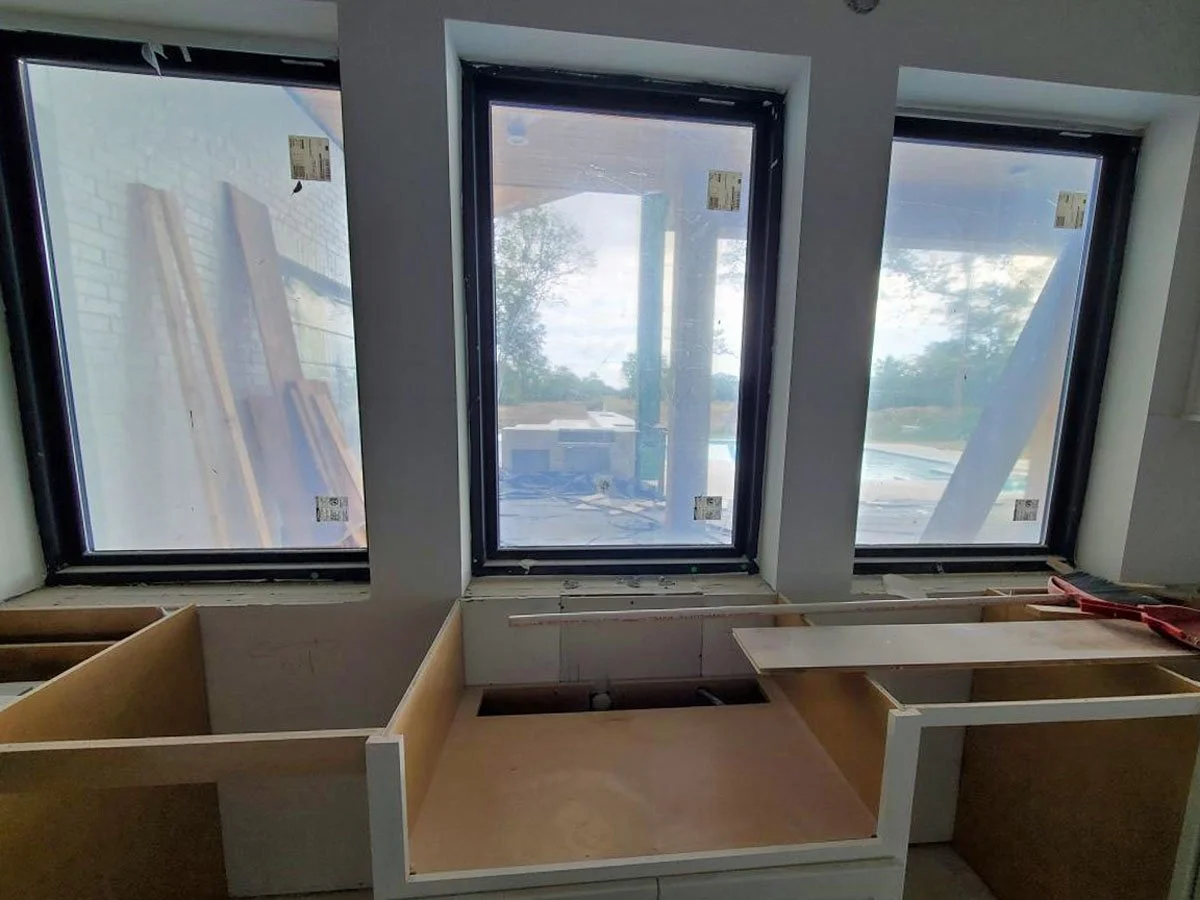
An architect is responsible for the building itself; its structure, its systems, its relationship to the site, and its compliance with building codes and regulations. They design the shell: the floor plan (with input from the interior designer), the exterior, the structural elements, the placement of windows and doors, the way the building sits on the land and relates to its surroundings.
On a custom home, the architect's drawings are what the contractor bids from and builds from. They establish what's structurally possible, what the building envelope looks like, and how the spaces are organized. A good architect thinks about how a home lives; traffic flow, spatial proportion, the relationship between interior and exterior, but their primary expertise and responsibility is the building as a structure.
What most architects don't do in depth: specify interior finishes, design kitchen cabinetry, select plumbing fixtures, plan furniture layouts, or develop the detailed interior specifications that determine how a home feels to live in. Some architects have opinions on these things, strong ones, and collaboration on them is part of the best projects. But it's not their primary scope, and it's not where their deepest expertise lies.
What an Interior Designer Does
An interior designer works from the architecture inward. Where the architect establishes the shell, the designer determines what happens inside it, how spaces are finished, how they're furnished, how light is layered, how the details read at human scale.
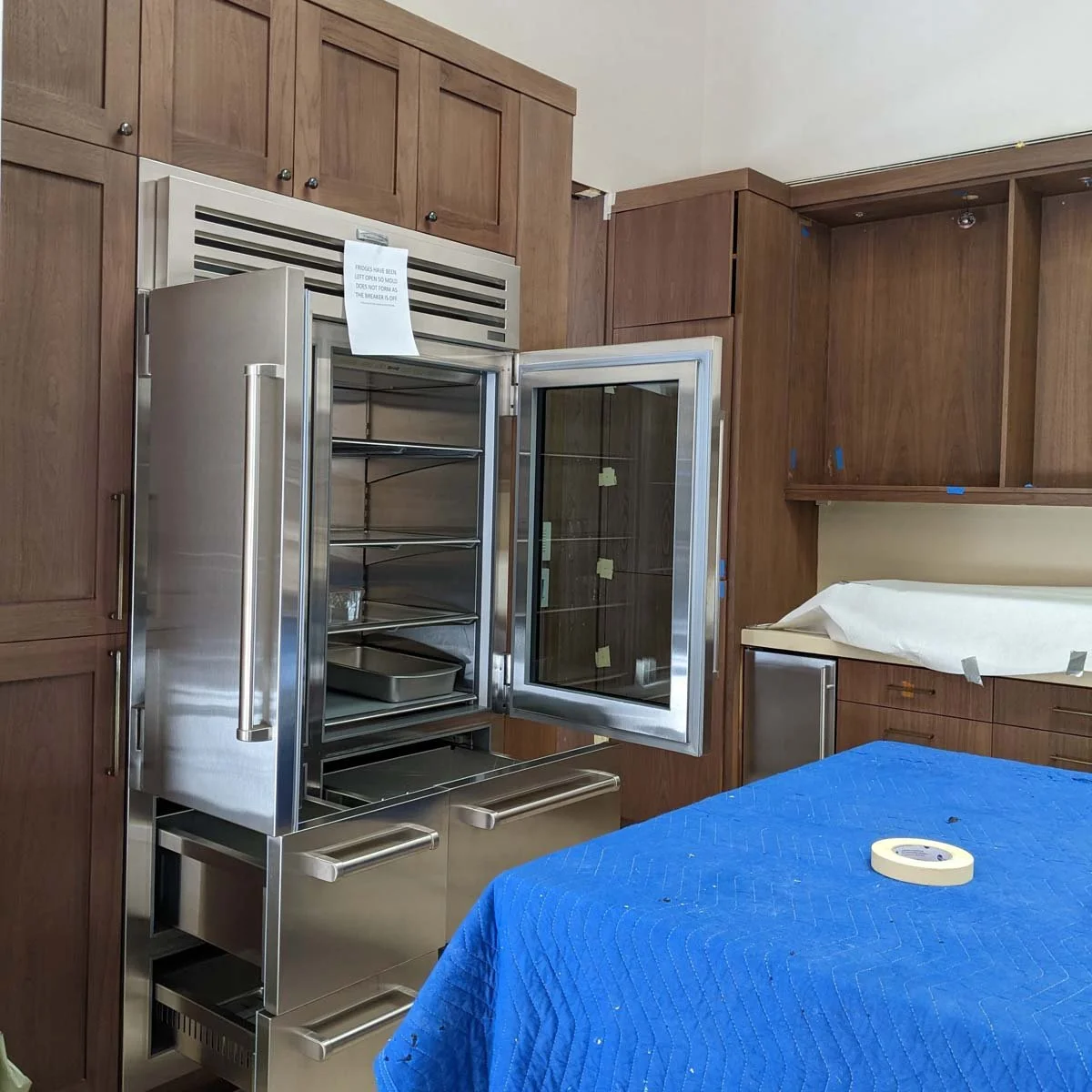
On a project that involves an architect, an interior designer typically picks up where the architectural drawings leave off: developing the interior finish schedule, designing the kitchen and bathrooms in detail, specifying custom millwork and built-ins, planning furniture layouts, and producing the specifications that tell the contractor and the cabinet shop exactly what to build and install.
The designer is also thinking about things the architectural drawings don't capture; where art will hang and how it will be lit, what the room feels like at 6pm with lamps on, whether the primary suite layout actually supports two people with different morning routines, how the material palette reads as a cohesive whole rather than individual selections.
Where the Work Overlaps
The best architect-designer relationships aren't cleanly divided. There's genuine overlap in the middle, and that overlap is where the most interesting design decisions get made.
Space planning is the most obvious example. An architect designs the floor plan. A designer reviews it for livability; for furniture placement, for how traffic actually moves through a space, for whether a room that looks right on paper will feel right to live in. Sometimes the review surfaces something worth adjusting before construction starts. A wall moved six inches. A window shifted to align with a furniture layout. A closet reconfigured to actually function. These are conversations between the architect and designer that produce a better building than either would have developed independently.
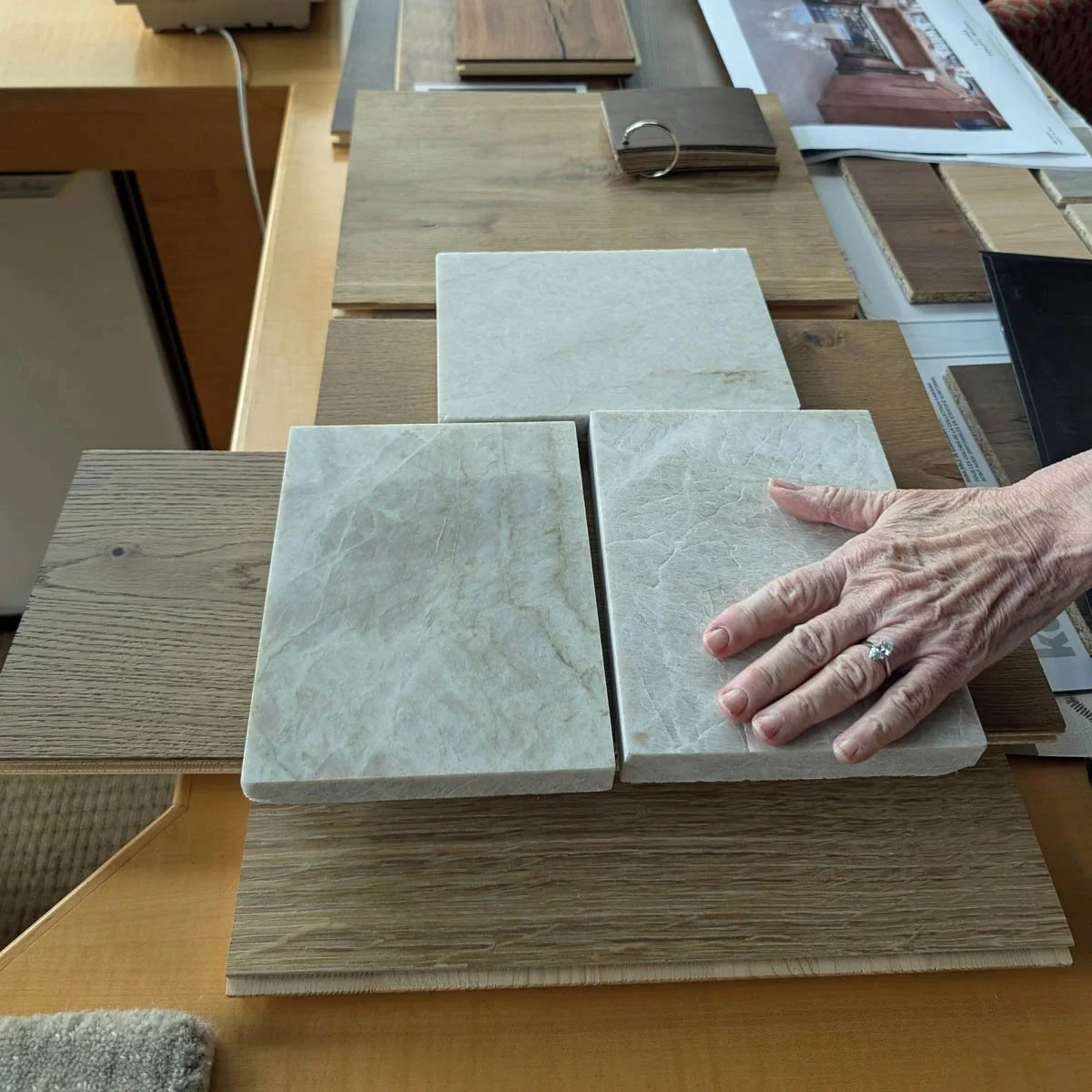
Material decisions are another area of overlap. An architect may specify exterior materials, flooring in certain areas, or architectural tile. A designer develops the full interior finish schedule. The two need to be in dialogue, not because they're competing, but because cohesion requires that someone is thinking about how all of it reads together. A stone that works beautifully on the exterior needs to relate to what's happening inside. A floor material specified by the architect needs to be something the designer can work with throughout the interior.
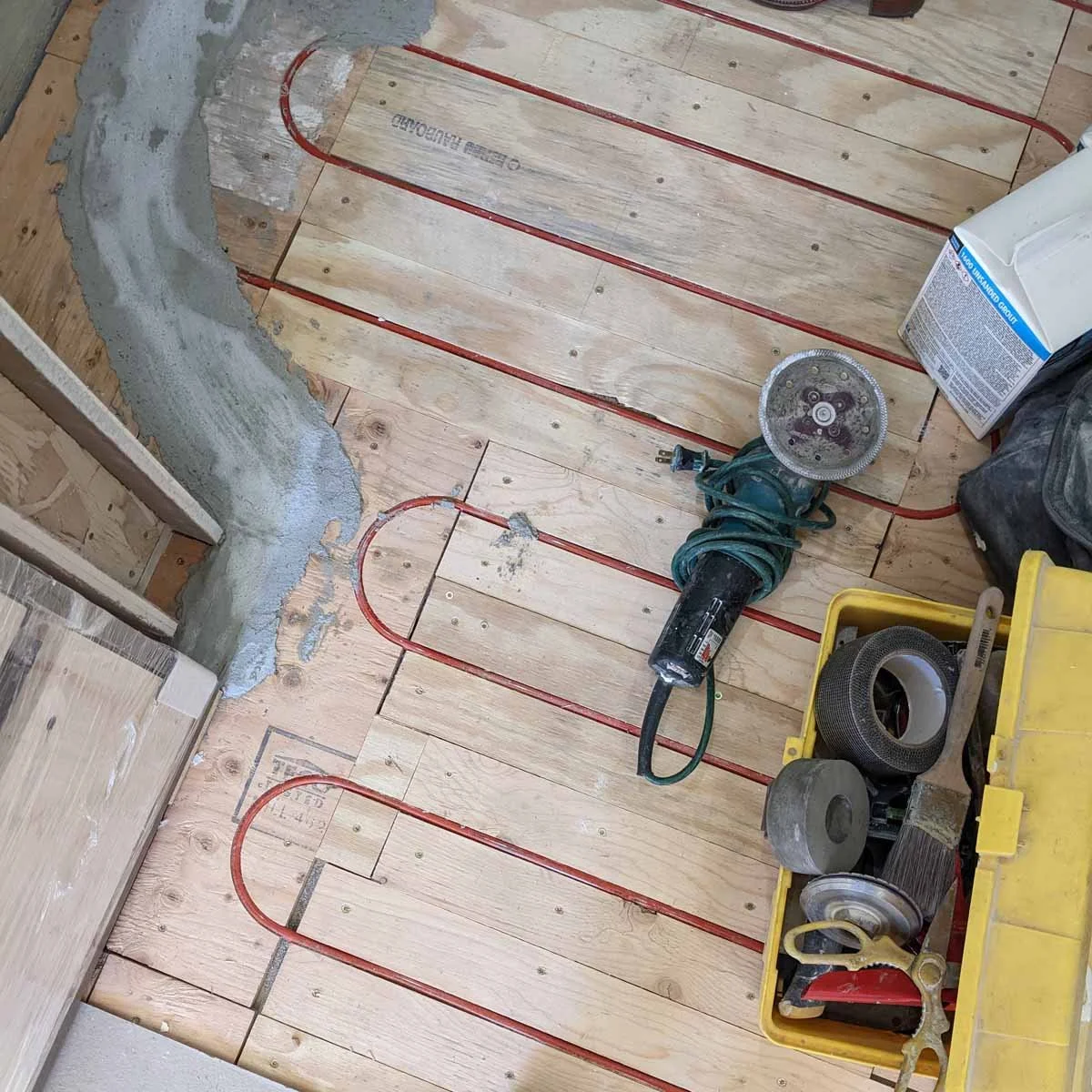
Lighting is a third area. Architects specify windows and sometimes skylights. Designers specify interior lighting; fixtures, locations, layering. The electrical rough-in happens during construction based on both sets of input, and it needs to be coordinated before the walls close.
How the Collaboration Works
On a well-run project, the architect and interior designer are introduced to each other early, ideally before the design development phase, when there's still room to influence both the architecture and the interior simultaneously. They review drawings together, share specifications, and communicate directly rather than routing everything through the client.
In practice this looks like:
Design development meetings where the architect and designer review the floor plans together and identify decisions that affect both scopes; ceiling heights, window placement, structural elements that will be visible in the finished interior, mechanical locations that affect the design.
Finish coordination where the designer shares the interior finish schedule with the architect to ensure nothing conflicts with structural or systems drawings, and the architect flags anything in the design documents that the designer should know about.
Specification review where both parties review each other's drawings for the spaces where their scopes overlap, kitchen, bathrooms, primary suite, to make sure the architectural drawings and the interior design drawings are telling the same story.
Contractor communication where both the architect and designer are available to the contractor's questions during construction, each answering within their scope and flagging anything that crosses into the other's territory.
What Happens Without This Coordination
The alternative, an architect and designer working independently, or a designer brought in after the architectural drawings are complete, produces predictable problems.
A kitchen designed by a designer that doesn't align with the plumbing rough-in the architect specified. A lighting plan that requires electrical in locations that conflict with structural elements in the ceiling. A finish selection that works beautifully in isolation but fights the exterior material palette. A room too small for the furniture the family wants to own. No way to hang the art the family wants in the living room and have a TV with how the fireplace is located.
None of these are catastrophic individually. Cumulatively, they produce a project with more change orders, more field decisions, and more compromises than a well-coordinated project, and a finished home where something is slightly off without anyone being able to say exactly why.
Do You Need Both?
Not always. A renovation that doesn't involve structural changes usually doesn't require an architect. A new construction project with a production builder who provides standard plans may not have a project architect in the traditional sense, though a designer working alongside that builder is still valuable for reasons covered elsewhere.
Where an architect is genuinely necessary: custom homes built from the ground up, significant additions that change the building envelope, renovations that involve structural changes or load-bearing wall removal, and any project requiring engineering review or complex permitting.
Where the combination of architect and interior designer produces the strongest results: custom homes from scratch, major whole-home renovations, additions that significantly change how a home lives, and any project where the interior design is as important to the outcome as the architecture.
In Castle Pines and South Denver, where custom and semi-custom construction is significant and where the homes themselves are often architecturally ambitious, the architect-designer collaboration is the model that produces the most resolved results. The earlier both are involved, the more that collaboration can influence, and the better the home becomes.
If you're planning a custom home or significant renovation in South Denver and want to understand how this works in practice, a consultation is the right place to start.
If this was useful, these might be too: