What Does an Interior Designer Do on a New Construction Home?
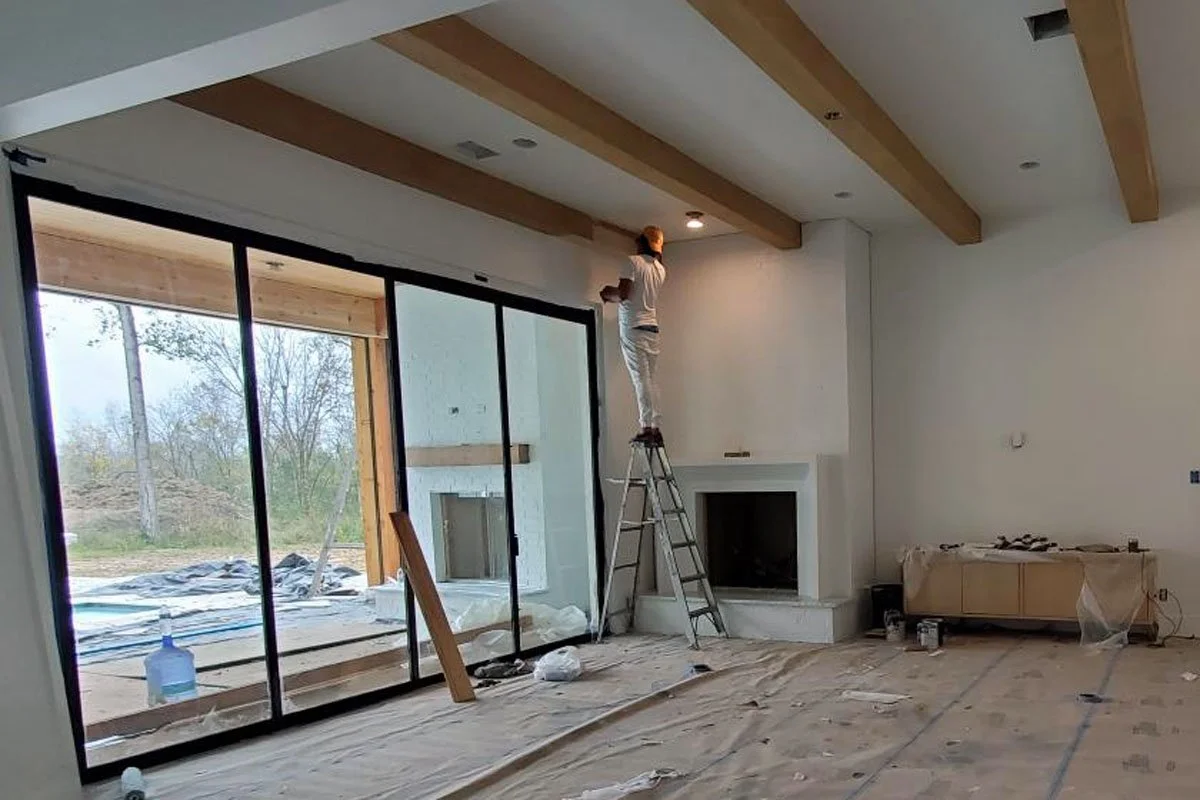
Building a custom home is one of the most significant design opportunities most people will ever have, and one of the most commonly underused. The decisions that determine how a home feels to live in happen during construction, not after it. By the time you're standing in a finished house, most of those decisions have already been made. The question is whether they were made intentionally or by default.
That's where an interior designer comes in. Not to pick furniture after the fact; to be in the room, on site, and in the drawings from the beginning, making sure every decision serves the home you actually want to live in.
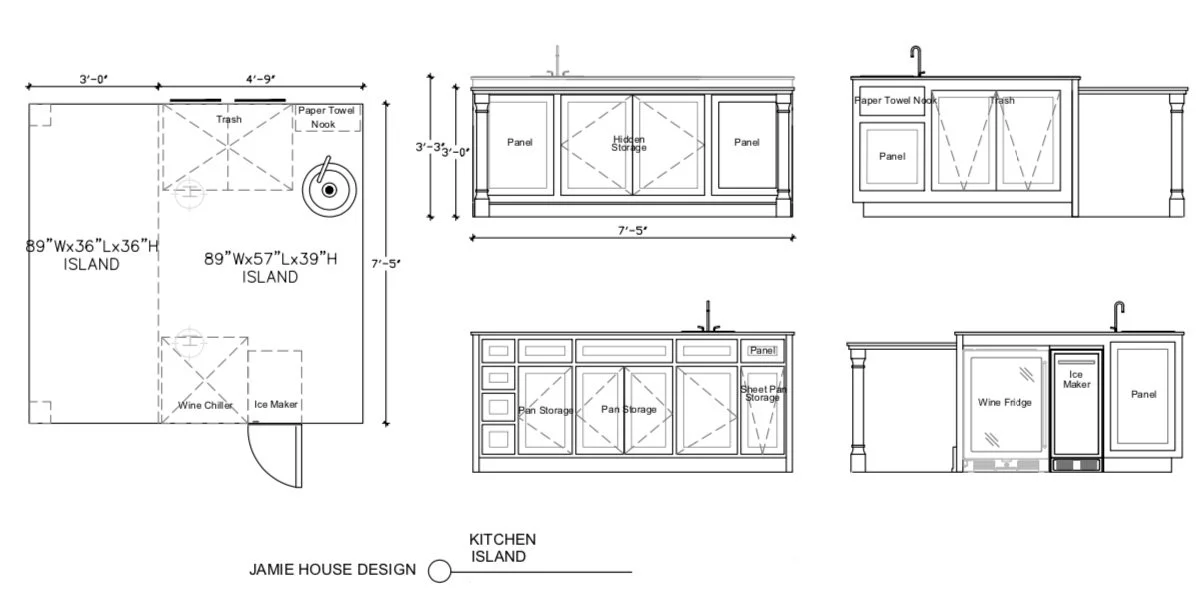
Having a designer involved early, before construction, means that everything you want and need in your home is planned for, in a very detailed way. There is no figuring it out once you’ve move in, it’s already been planned.
Custom Construction: The Full Opportunity
A custom home is a rare chance to make every decision from the ground up, which is exactly why the decisions need someone thinking about the whole picture before any single one is made.
Most custom builders work with architects and project managers focused on structure, systems, and schedule. These are the right people to manage construction. They are not, as a rule, thinking about how the light enters a primary suite at 7am, whether the kitchen layout supports the way you actually cook, where furniture will realistically go in the living room, or how the finishes will read together once they're all installed at the same time. Those are design questions, and they need a designer in the conversation.
What I do on a custom project from the beginning:
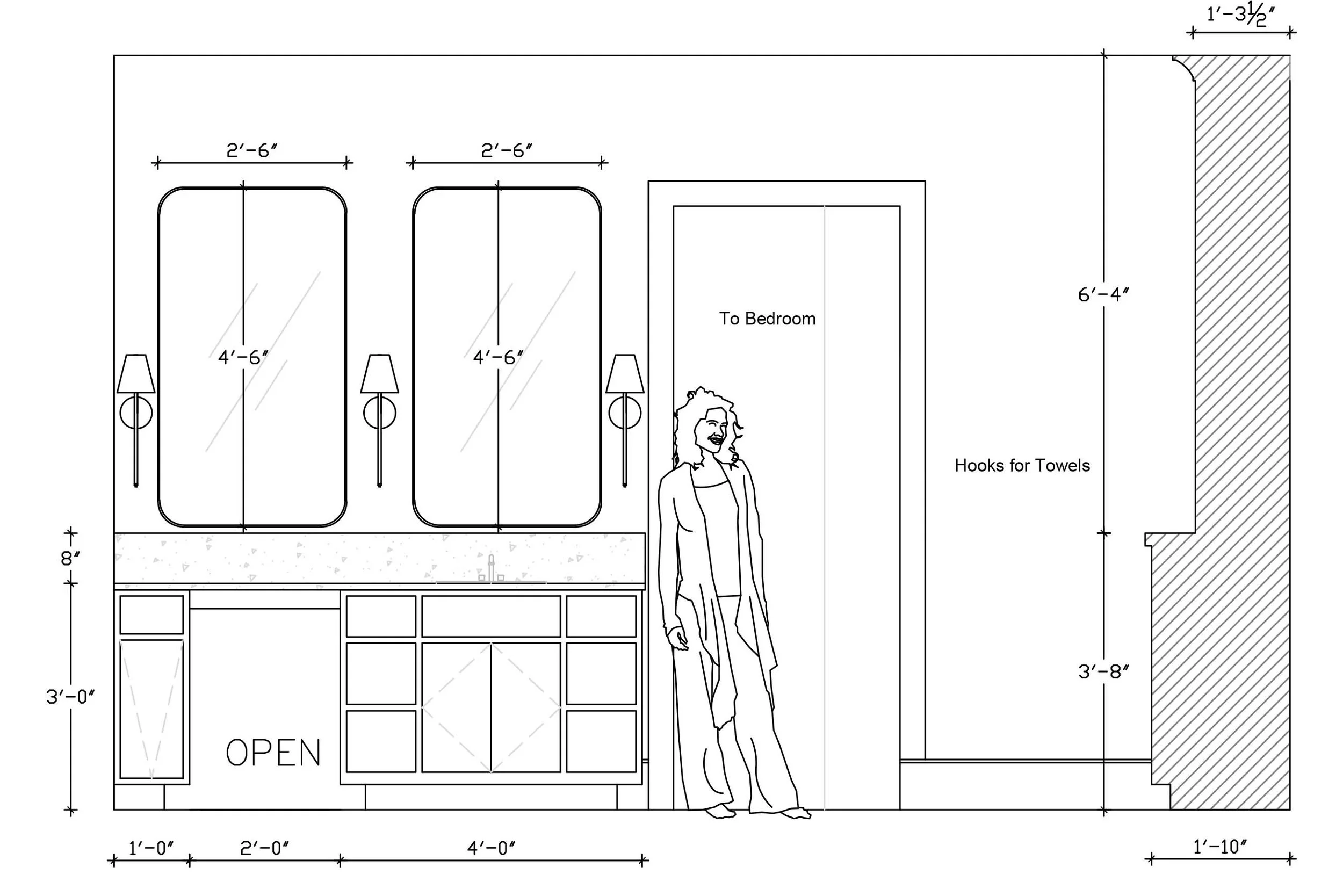
Architectural review and space planning. Before construction starts, I review the drawings with fresh eyes; not for structural issues, but for livability. Does the primary suite layout actually work for two people with different morning routines? Is the kitchen island the right size for the floor plan, or does it block traffic in a way that won't be obvious until the cabinets are built? Is there a wall that, if moved six inches, changes the whole room? These are questions worth asking before the concrete is poured.
Finish specifications. Every material in a custom home needs to be specified; flooring, tile, countertops, cabinetry, hardware, plumbing fixtures, lighting fixtures, paint. On a custom project this isn't a design center appointment with limited options. It's a full design process: sourcing from trade vendors, custom fabricators, stone yards, and specialty suppliers to find materials that are right for this specific home rather than what's available in a builder's package.
Coordination with the architect and builder. Custom construction succeeds when all disciplines are communicating clearly. I work directly with architects and builders throughout the process; attending site meetings, reviewing finish schedules, catching substitutions before they're installed, and solving problems in real time when something changes. A designer who isn't present during construction is a designer whose specifications may or may not be executed correctly.
Lighting and electrical planning. Lighting is one of the most underspecified elements in new construction and one of the most expensive to change after the fact. On a custom project I specify every fixture, coordinate rough-in locations, and plan the layered lighting that makes rooms feel finished rather than institutional. Switch placement, dimmer compatibility, outlet locations, these details matter and they need to be right before the drywall goes up.
Furnishings and installation. A custom home is finished, not just built. Furniture selected with real floor plan dimensions, art and accessories sourced specifically for the spaces, window treatments designed for the actual windows; this is the phase that makes the difference between a home that's well-built and a home that's actually complete.
The Builder's Designer vs. Your Designer
Many custom builders offer or include a designer as part of their process. This is worth understanding clearly.
A builder's designer is good at what they do; they know the builder's systems, their preferred vendors, and the finish packages that work within the builder's process. They are working for the builder. Their job is to keep the project moving efficiently within the builder's preferred parameters.
A designer you hire is working for you. That means different things than it might seem at first.
It means the finish selections aren't constrained by what the builder's preferred vendors carry. It means when a substitution comes up mid-construction, someone is evaluating it against your vision rather than the builder's schedule. It means the furniture plan was designed for your specific rooms before the construction started, not assembled from what's available after the fact. It means someone in every site meeting is asking whether what's being built is what you actually wanted, not just whether it meets spec.
On a significant custom home, the difference between a builder's designer and your own designer is the difference between a home that's built correctly and a home that's built for you.
Production and Semi-Custom Builders: A Different Situation
If you're building with a production or semi-custom builder, the kind with a design center and a selection appointment, the opportunity looks different but it's still real.
The design center process is high-pressure and time-limited. You're making permanent decisions about materials that will live in your home for decades, often in a single appointment, with upgrade pricing that may or may not reflect good value. The consultant across the table knows the builder's products well. They're not thinking about your furniture, your art, or how everything will read together in your specific light.
For this situation, the most practical entry point is bringing me to the design center appointment as a consultant. I know which upgrades are genuinely worth the cost and which ones you can do better after closing. I know which decisions are hard to change later and which ones are flexible. And I've seen enough finish selections in enough homes to know how things actually read once they're installed, which is not always how they look on a sample board under showroom lighting.
A design consultation — $500 — can be used specifically for design center preparation and attendance. That fee credits toward a larger engagement within 60 days.
What New Construction Buyers in Castle Pines Should Know
Castle Pines is where most of my new construction work happens, and it reflects both situations described above. The northern and established parts of Castle Pines have significant custom and semi-custom construction where buyers have meaningful input throughout the build. The newer sections include production builders with design center processes.
In either case, the homes that feel most personal and most resolved are the ones where someone was thinking about the whole picture, not just the individual selections, before any single decision was made. The homes that disappoint are the ones where the builder's default was accepted at each decision point because there wasn't a designer asking whether that default was right for this particular home and this particular family.
When To Hire A Designer
The most important thing to know about hiring a designer for new construction is when to do it.
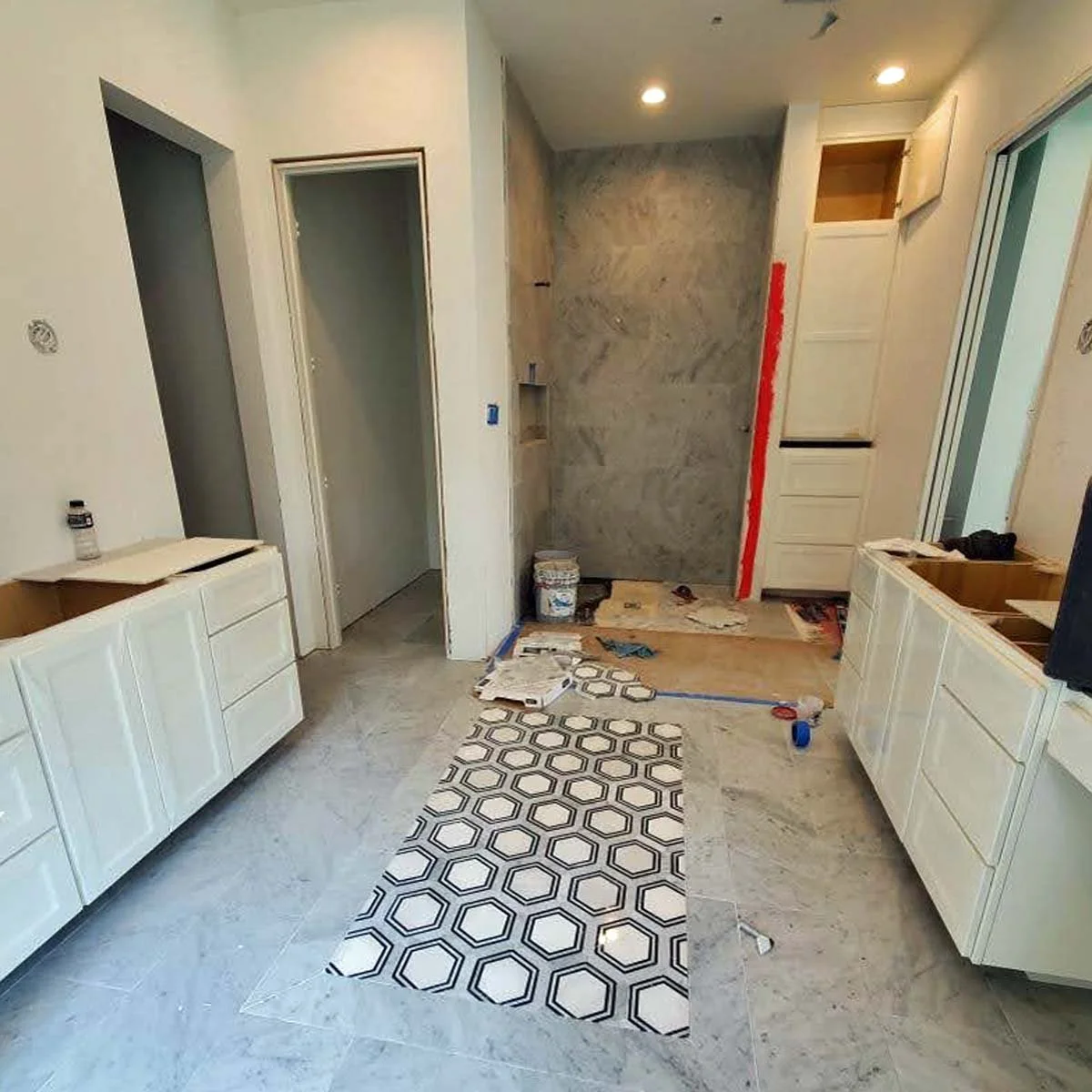
Before framing: almost everything is still a decision. After drywall: several things are locked. After closing: most of what determines how the home feels is already built.
The window for meaningful design influence is during construction. A designer brought in after the fact is working around what was built. A designer involved from the beginning is working with what's possible.
If you're planning a custom home or building with a production builder in Castle Pines, Highlands Ranch, or anywhere in South Denver, the right time to have this conversation is before the decisions start.
If this was useful, these might be too: