What Happens in a Design Consultation Start to Finish
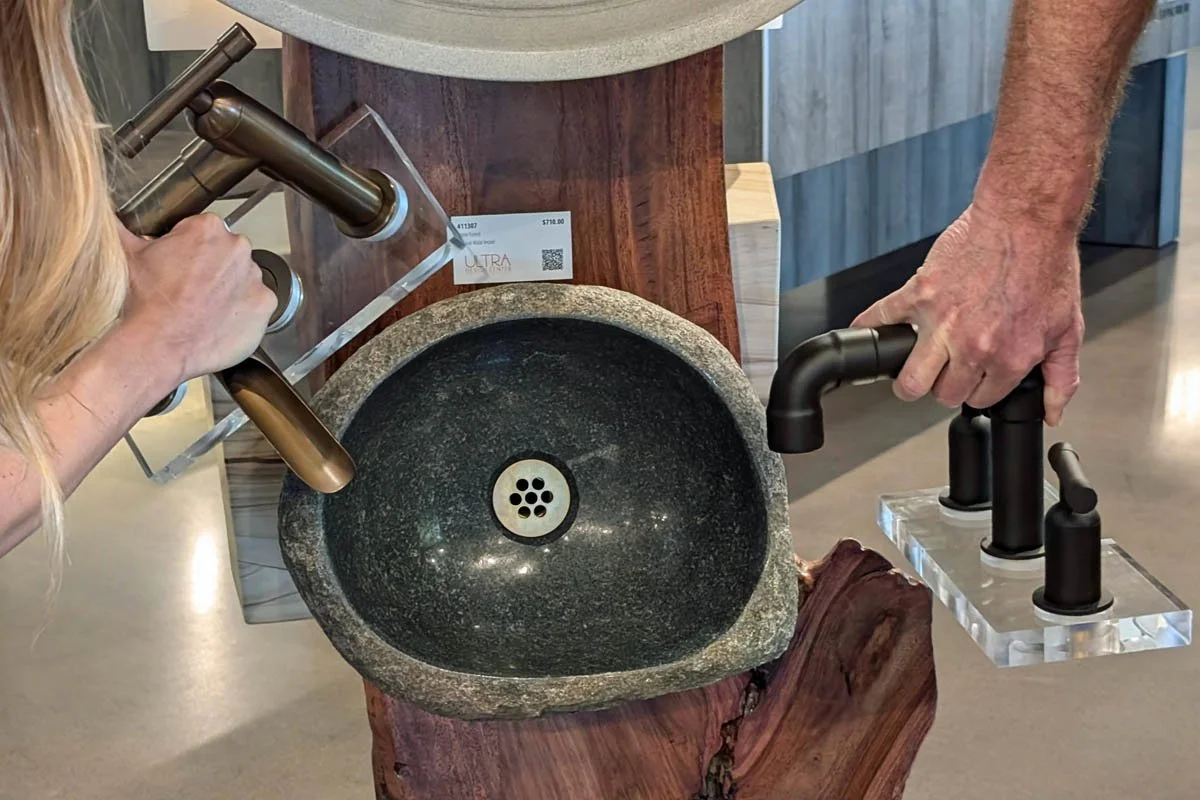
Most people who book a design consultation have a general sense of what it is; two hours, a designer, their home, some questions answered. What they're less clear on is what actually happens: before the appointment, during it, and after it. What do I do to prepare? What does the time look like in practice? What do I walk away with?
This is the post that answers those questions. Not what a consultation is, there's another post for that, but what it actually feels like to go through one, from the moment you reach out to the day the written notes land in your inbox.
One thing worth saying plainly before any of this: it's the same two-hour session for everyone, whether you want direction to handle a project yourself or this becomes the first step of a larger room design, Full-Service engagement, or even Furniture & Styling. The session itself doesn't change based on which one you are. What changes is what happens after it.
Before We Schedule Anything
A consultation only works when I arrive prepared. Two hours in your home is not enough time to get oriented and still give you the depth of input you're paying for. So before a consultation gets scheduled, three things need to happen.
The inquiry. You reach out and tell me what you're working with; the space, the problem, what you're hoping to accomplish. This doesn't need to be detailed. A paragraph is enough. I'm looking for enough context to prepare well, and to get a sense of whether this is likely a DIY-direction conversation or the start of a larger room design or full-service design project. Either way, we begin in the same place.
The questionnaire. Once we've established that a consultation makes sense, I send you a questionnaire. It covers your home, your lifestyle, how you use the spaces you want to discuss, what's driving you crazy about them, what you love that you don't want to lose, and what you're hoping to accomplish. Some people find this easy to fill out. Others find it surfaces things they hadn't quite articulated before. Either way, the answers tell me things about your situation that a photo can't, and they shape what I prioritize in the two hours we have together.
Photos and payment. Current photos of the spaces you want to discuss, sent before the appointment. If it's a new build or a renovation in planning, drawings or plans instead of photos. And the $500 fee, which is due before we schedule. The payment and the materials arriving together is how the appointment gets on the calendar.
This preparation isn't bureaucratic. It's what separates a consultation that produces real direction from one that spends the first thirty minutes getting oriented.
The Day Before
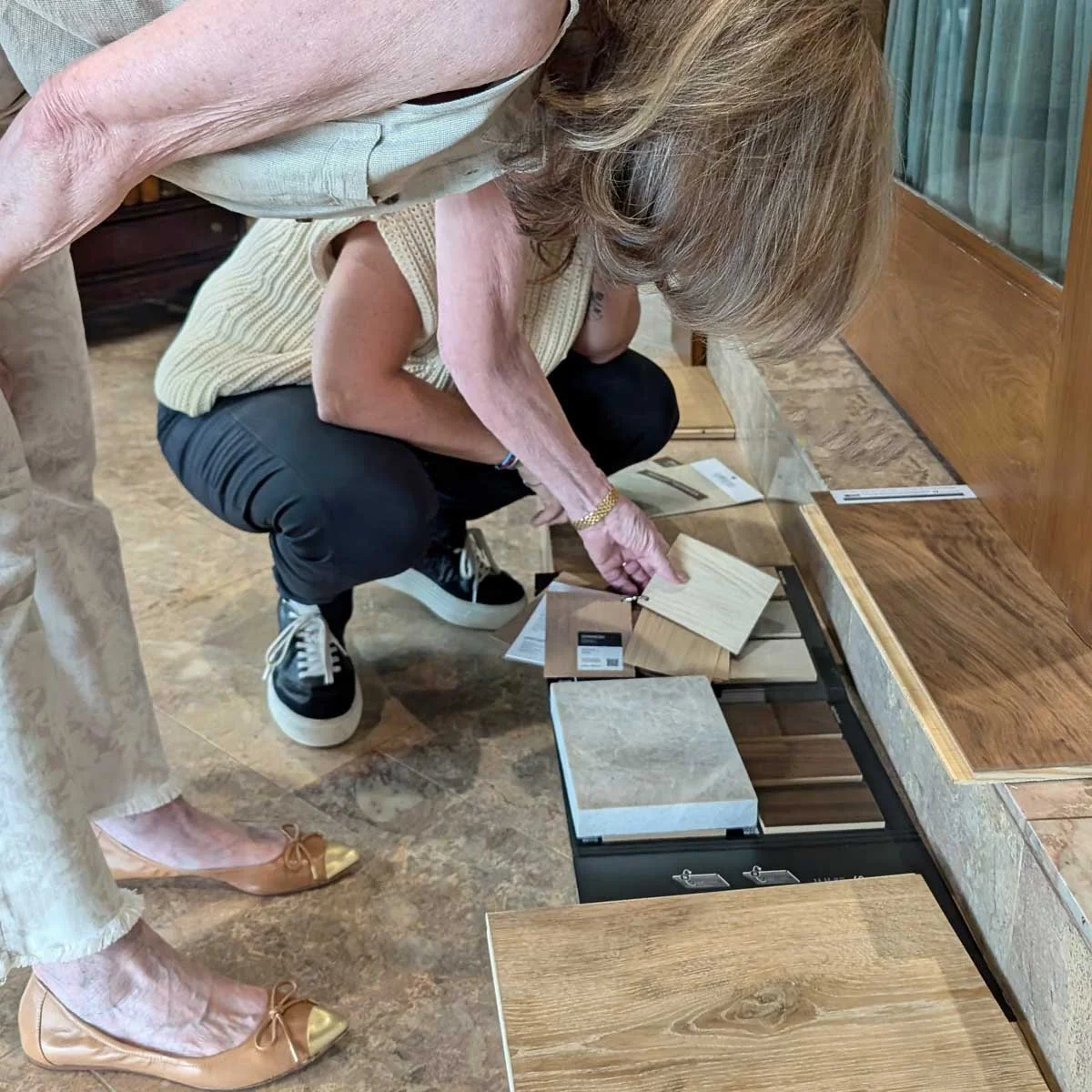
I review everything you've sent; the questionnaire, the photos, any plans or inspiration images, and I think through the appointment. What are the problems here? What's the most valuable use of the two hours? What questions do I want to ask when I'm in the space? What direction am I already forming based on what I'm seeing?
By the time I arrive, I have a plan for the appointment and a point of view on your spaces that I've developed before I've set foot in them. That preparation is what makes the two hours feel like working with someone who knows what they're doing rather than someone who's figuring it out in real time.
The Appointment Itself
I arrive at your home at the scheduled time. We usually start with a brief walkthrough, I want to see the spaces in person before we sit down to talk, because things read differently in a room than they do in a photo. Light, scale, proportion, the relationship between spaces, these don't fully register until you're standing in them.
Then we get to work.
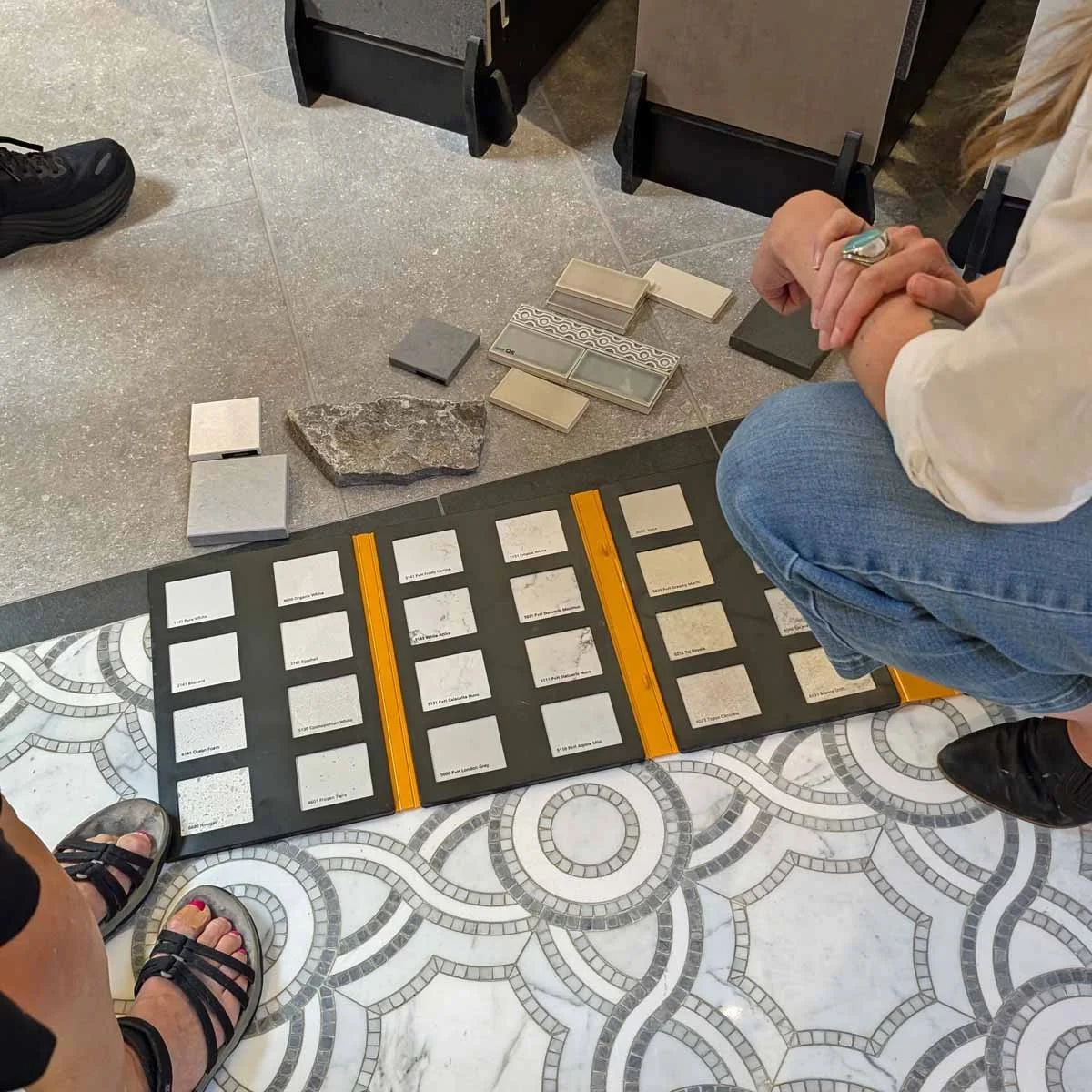
What the two hours look like depends entirely on what you need. For some consultations it's primarily a conversation at the kitchen table with drawings or inspiration images spread out, talking through a renovation plan before anything is built. For others it's moving room to room with a tape measure, working through furniture placement and scale in real space. For others it's sitting in the space that's not working and figuring out why; what the room is missing, what needs to change, what's actually fine and just needs to be in a different relationship to everything else.
Throughout the appointment I'm asking questions and giving answers. The questions are specific; not "what do you like" but "how does this room feel at 6pm when you're sitting in here after a long day" and "what would have to be true for this kitchen to feel like it works." The answers are specific too, not directions toward further research but actual recommendations. The tile should be this. The sofa needs to be at least this dimension. This layout will not work for the reasons I can now see standing in it. This wall is worth removing. That one isn't.
I take notes throughout. Not because I'll forget, but because the written summary you receive afterward needs to reflect the specifics of what we discussed, not a general recollection of it.
At the end of the two hours I ask whether the most important things got covered. Sometimes there's something that came up at the end that deserves more time than we have. If so, we discuss it briefly and I flag it in the written notes as something to address as you move forward.
After the Appointment
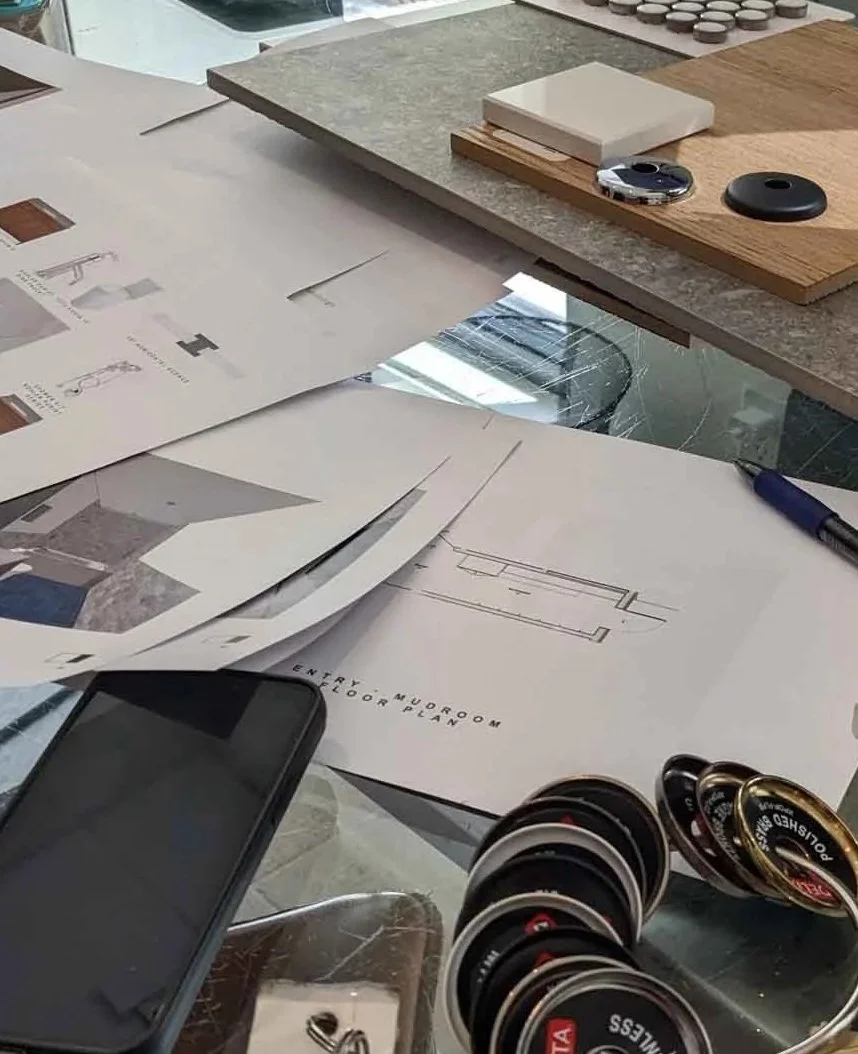
Within a week of our session I send written notes. This is not a transcript of the conversation it's a structured summary of the specific recommendations and directions from the appointment, organized so you can actually use it.
The notes typically cover:
What we identified as the core problems in each space and the recommended approach to addressing them.
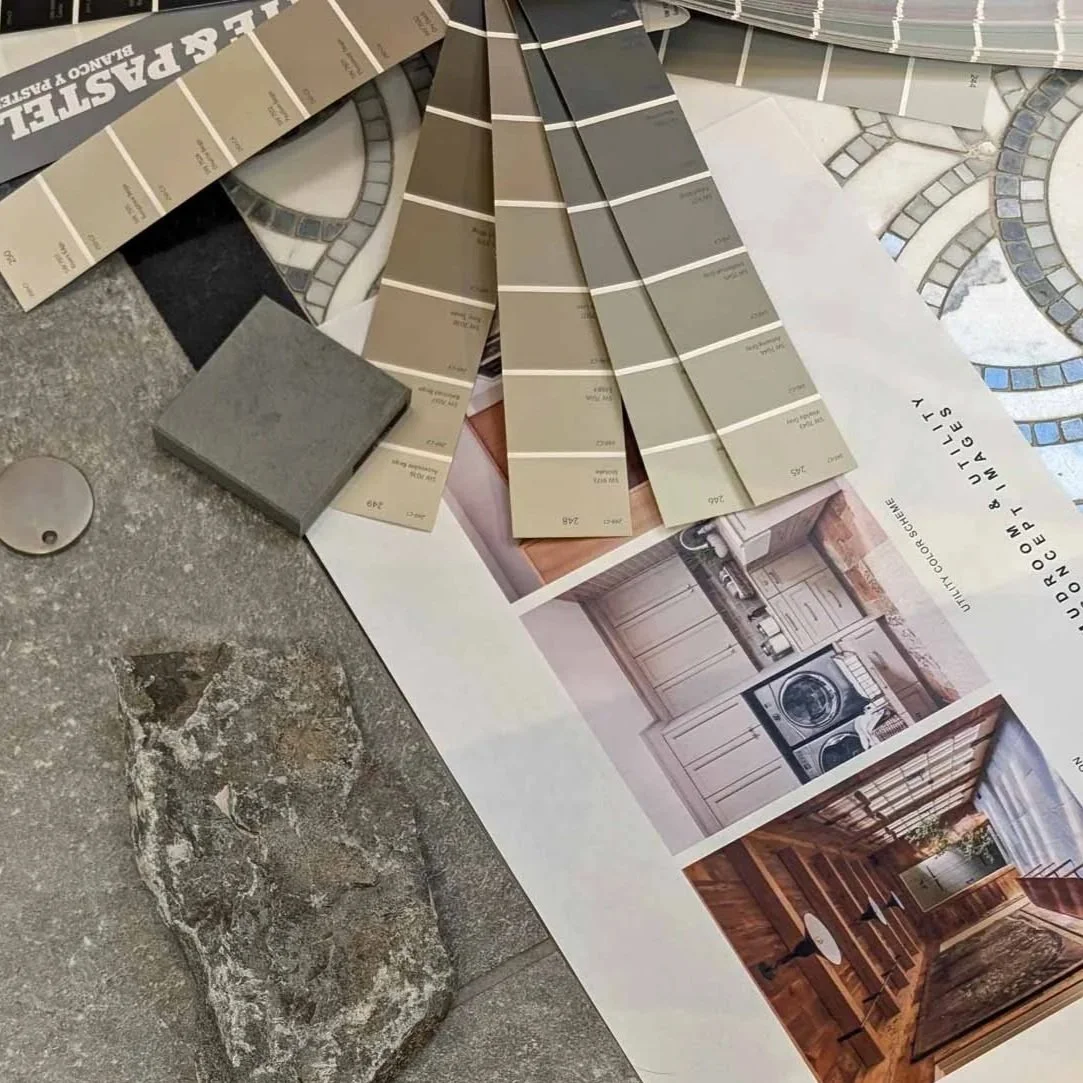
Specific material, finish, or furniture recommendations where we landed on them.
Layout or configuration changes discussed.
What to prioritize first if you're phasing the work.
Questions to ask a contractor before signing anything.
What to look for when you're shopping, if shopping is part of your next steps.
The notes are yours to use however you need to; to brief a contractor, to guide your own shopping, to share with a spouse who wasn't at the appointment, or simply to refer back to when you're standing in a tile showroom six weeks later trying to remember what we decided.
What Comes Next
For some clients, the consultation is the whole engagement. They have what they need, they know what to do, and they go do it. That's a complete outcome and it's what the consultation is designed to produce.
For others, the consultation surfaces a scope that's bigger than they can manage on their own; or it clarifies that what they actually need is more ongoing design involvement than a single session provides. In those cases, the $500 fee credits in full toward the proposal for Furnishings Services, Room Design or Full-Service Design if you decide to continue within 60 days. It's not a separate expense. It's the first step of the project.
Either way, the goal of the consultation is the same: you leave knowing what to do next. Not with more questions than you arrived with, not with a vague sense of direction, but with specific, actionable answers to the specific problems you came in with.
That's what two hours of preparation and expertise, applied to your specific home and your specific situation, is supposed to produce.
If this was useful, these might be too: