JHD’s Full-Service Design Process | Part II
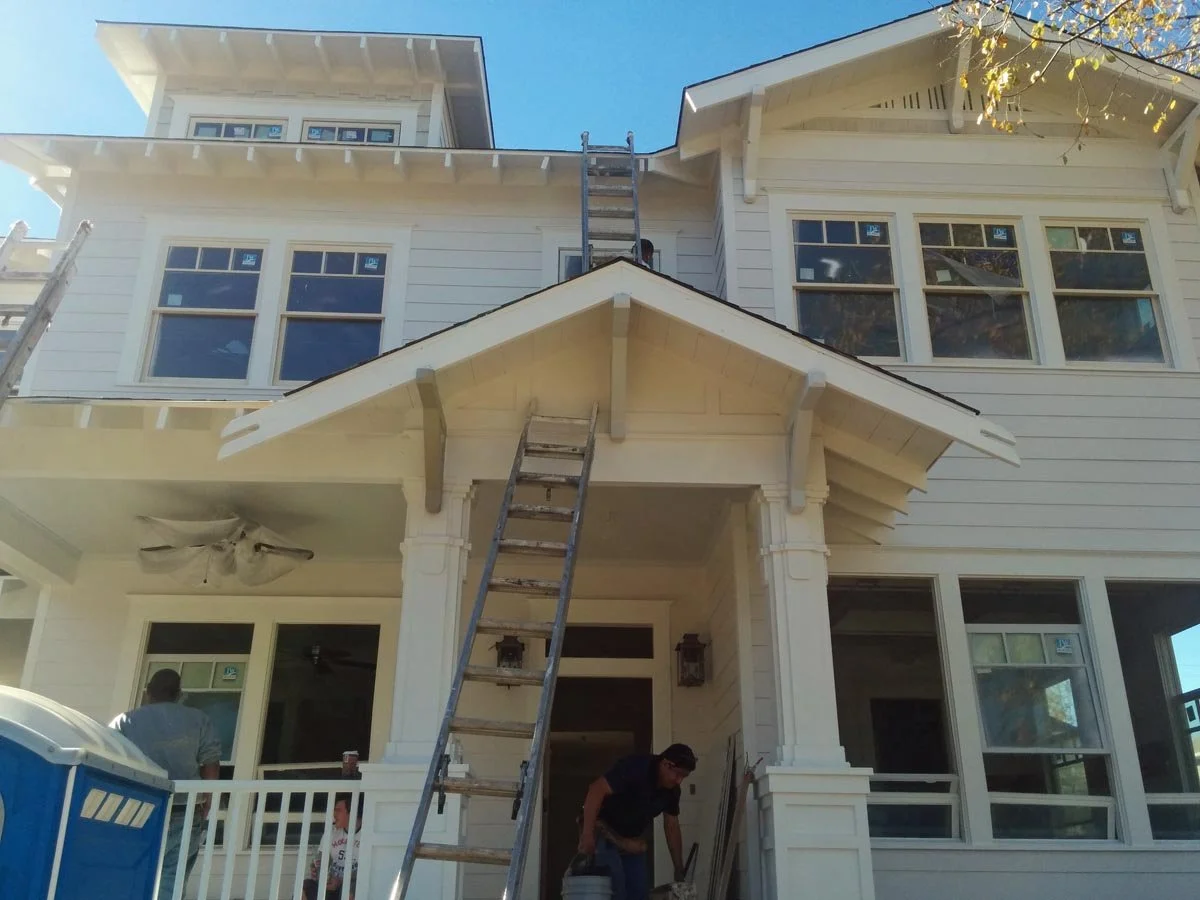
Part I covers the design and planning phase; the first conversation through contractor selection. By that point, every decision has been made on paper: the layout, the finishes, the millwork, the furniture plan. The design is complete before a single wall comes down.
This is where the design becomes real.
Construction is the phase most clients have the least visibility into and the most anxiety about, understandably, since it's the point where money starts moving quickly and decisions that were theoretical become permanent. Here's what happens between groundbreaking and the day you walk into a finished home.
Pre-Construction: The Handoff
Before the first subcontractor shows up, the contractor and I go through the complete design package together; finish schedules, millwork drawings, space plans, lighting layouts. This isn't a formality. It's the meeting where questions get asked and answered before they become field problems. And then we review it all again with you.
A good contractor will flag anything unclear or anything that raises a sequencing question. These conversations happen clearly at the start, rather than repeatedly and urgently once work is underway.
This is also when the construction schedule is developed and shared with you. You'll know roughly what to expect and when; not because renovations run perfectly on schedule, but because having a framework makes deviations from it something you understand rather than something that blindsides you.
Site Visits: What I'm Looking For
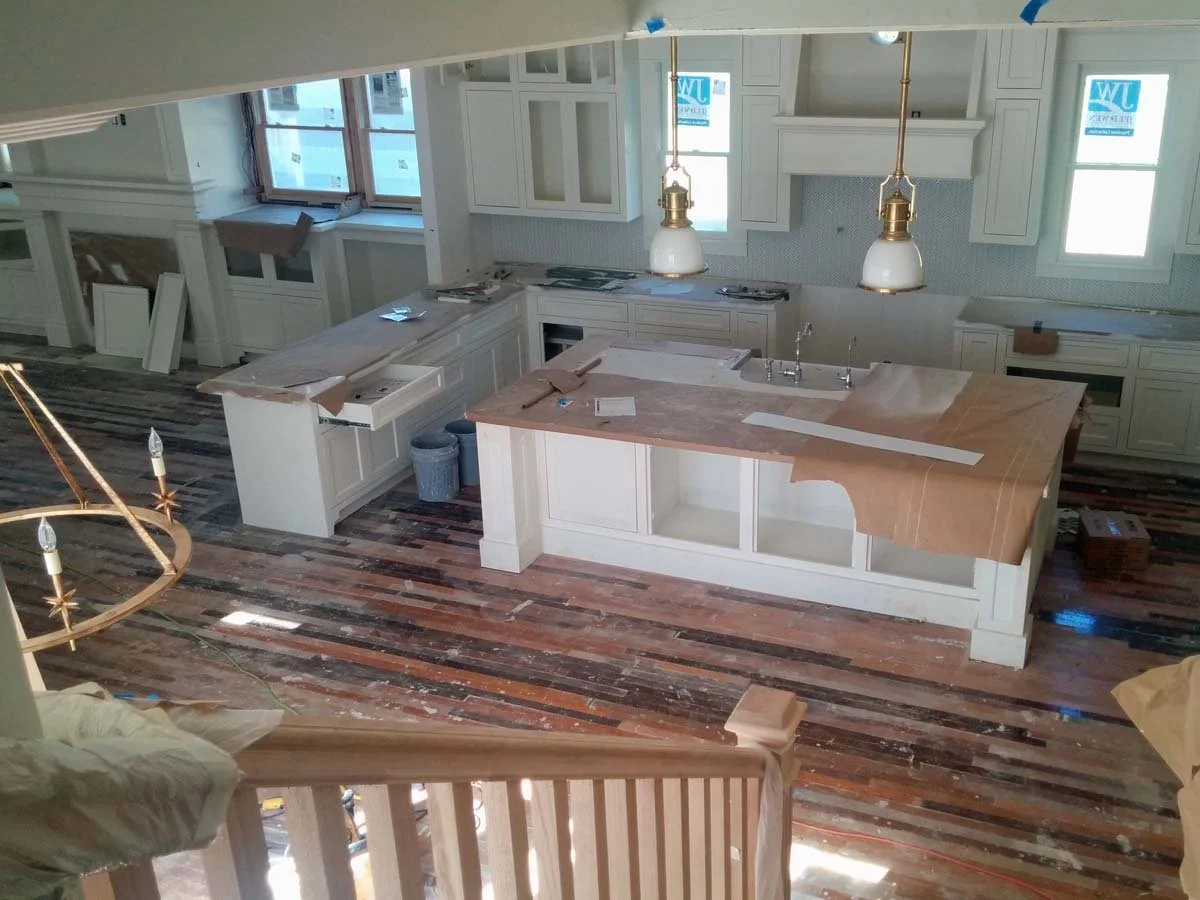
I'm on site regularly throughout construction. What I'm checking for isn't whether the contractor is doing good work, that's their job and a good contractor does it well. What I'm checking is whether design intent is being executed correctly, because those are two different things.
A tile pattern that reads clearly on a drawing can read differently once laid in a room with specific dimensions and light. A cabinet reveal that looks right on paper can be slightly off once installed. Catching these things early, while they're still correctable, is a meaningful part of what site visits are for.
I'm also there to answer questions in real time; construction generates dozens of small decisions that weren't fully specified, and having someone available to answer those quickly keeps the project moving instead of stalling.
When Things Don't Go as Planned
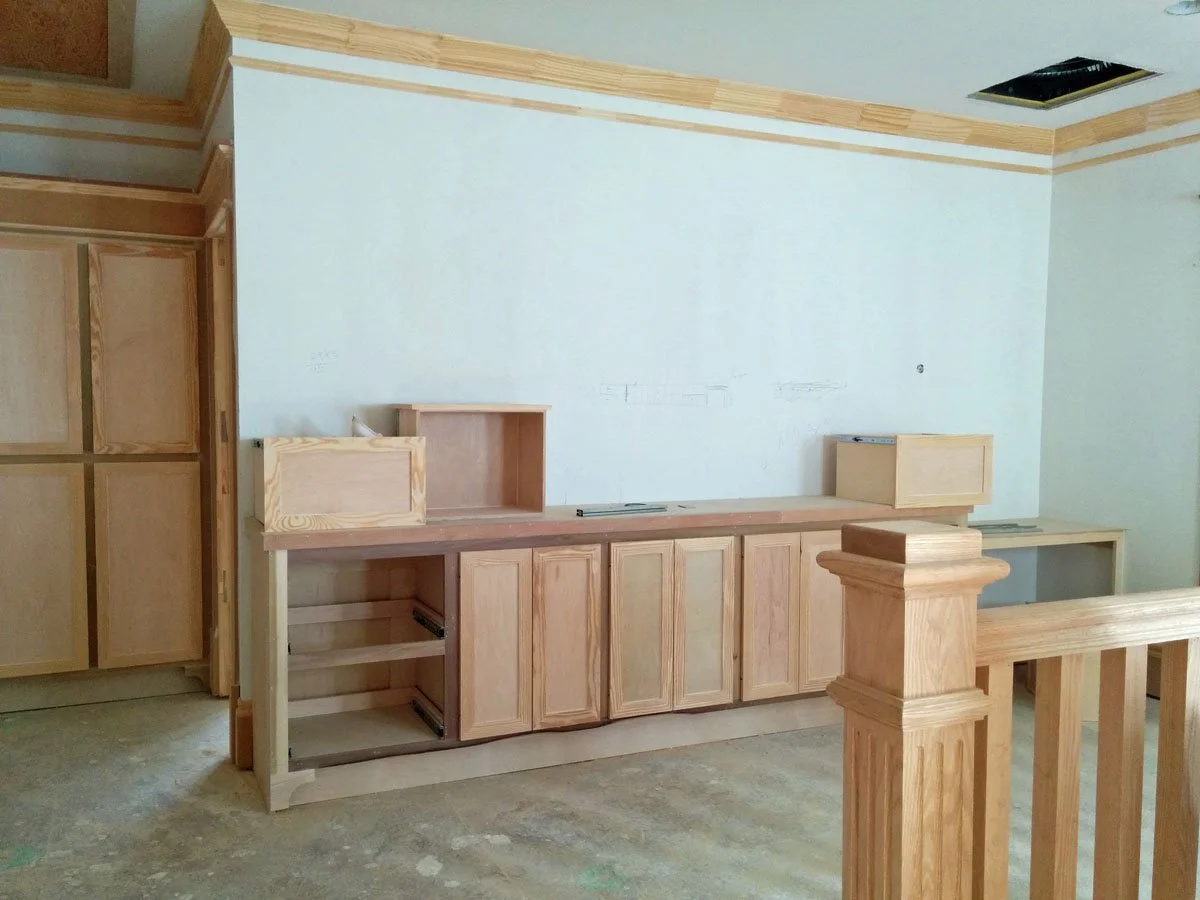
They rarely go exactly as planned. This isn't a failure of the process, it's the nature of construction, especially in older homes.
Substitutions happen. A tile goes out of stock, a fixture has a production delay. Every substitution is a design decision, not just a logistics one, it has to be evaluated against everything else in the room.
Site conditions surface. Demolition reveals things that weren't visible before; a pipe in an unexpected location, a floor that isn't level. I evaluate what's proposed and bring you a clear recommendation, not a raw problem.
Change orders get reviewed together. You make the final call, but with a clear understanding of what's being asked and why.
Communication During Construction
You should never be the relay point between your designer and your contractor. On a well-run project, the two of us communicate directly about technical questions, so you're informed rather than managing.
You hear from me regularly throughout construction. What you shouldn't experience is silence followed by surprise. Good communication is what turns a stressful process into one you can actually live your life around.
Procurement: The Part That Happens Quietly
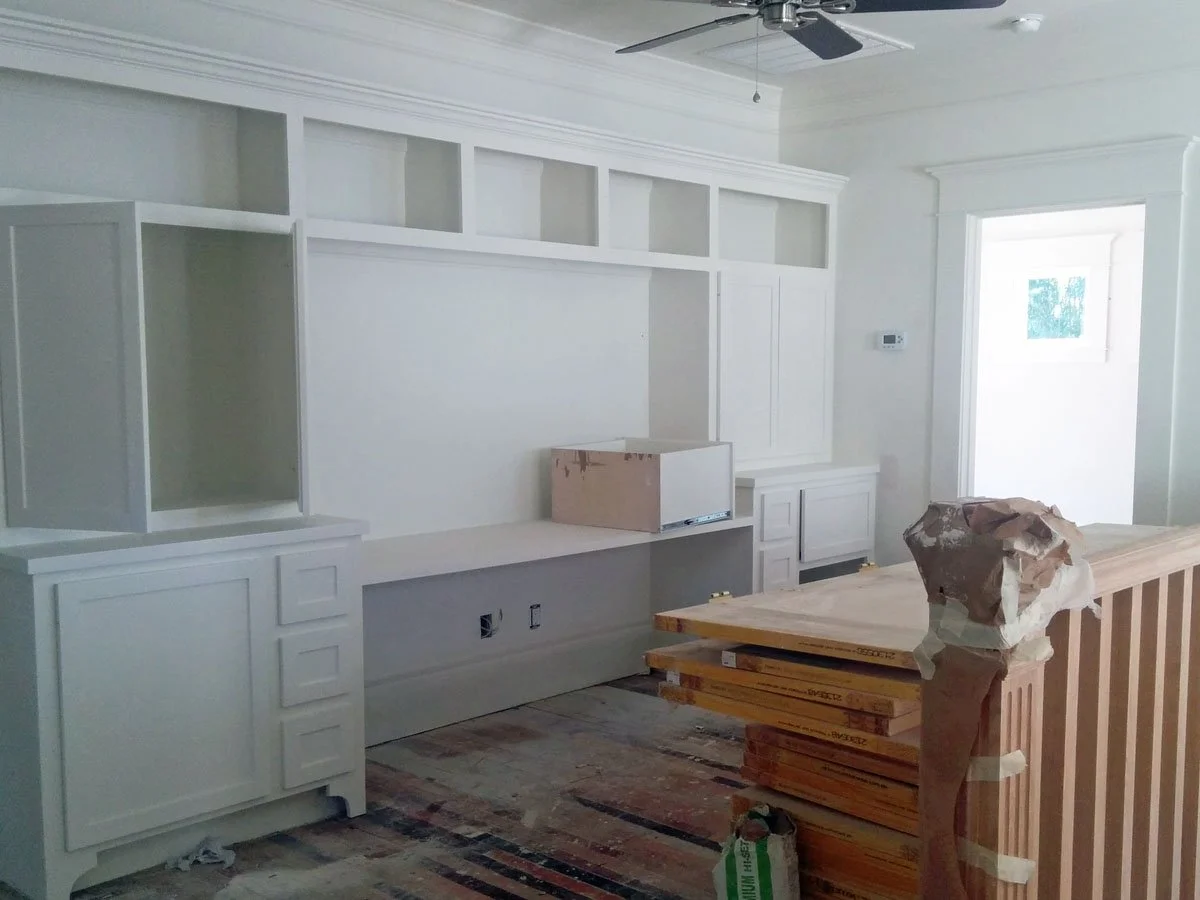
While construction is underway, procurement is happening in parallel; furniture, fixtures, art, and accessories ordered and coordinated to arrive in sequence with the construction schedule. Lead times vary wildly, and managing all of it so nothing sits in a garage for months or goes missing on installation day is a significant, mostly invisible part of the job. That's intentional, the goal is for it to simply show up correctly when it's time.
Installation Day
This is the day the project becomes a home rather than a construction site. Furniture arrives, art gets hung, window treatments go up; usually over one to a few days depending on scope. I'm there managing the whole thing, adjusting as pieces come together in real space rather than on a floor plan.
By the end of installation day, the boxes are gone, the drop cloths are gone, and the home is finished, not just built, but complete.
What This Process Produces
Full-service design is a long engagement, often eight months to two years, and it asks for real trust.
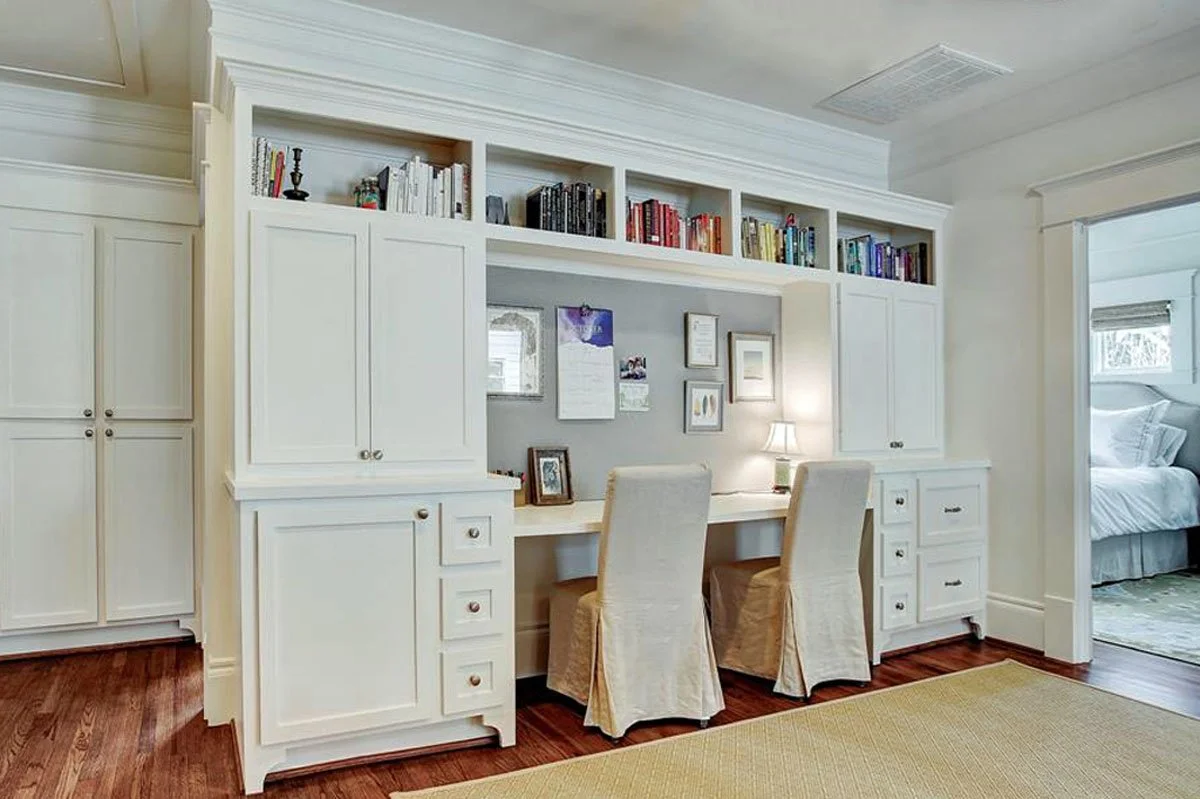
What it produces is a home where every decision was made in relationship to every other decision, where the finished result holds together in a way that's hard to articulate but immediately obvious when you walk in.
Clients consistently describe the finished home as better than they imagined when the project started. That's what happens when someone holds the full vision from discovery through the last piece of art on the wall, and never lets go of it.
If you're planning a full-service renovation in Centennial, Littleton, Highlands Ranch, Castle Pines, or nearby areas, a consultation is the right place to start.
If this was useful, these might be too: