Why I Source Vintage and Antique Pieces
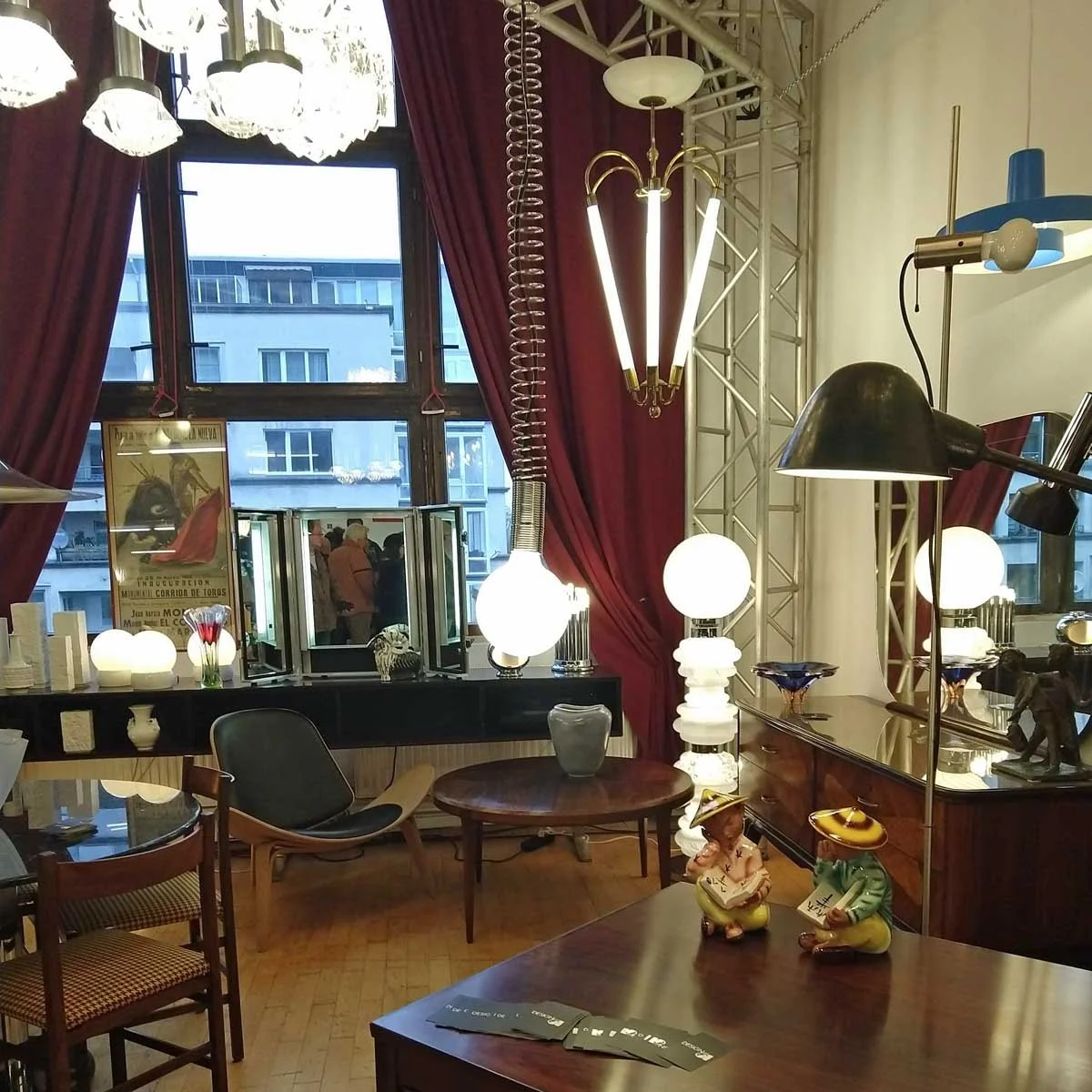
Almost every project I work on includes at least one vintage or antique piece; a chest, a lighting fixture, a set of chairs, a mirror with a little age on the glass. Sometimes it's a single object in an otherwise new room. Sometimes it's the piece the whole design gets built around. Either way, it's rarely optional in my process. It's one of the most important tools I have.
Here's why.
New Furniture Alone Produces a Showroom
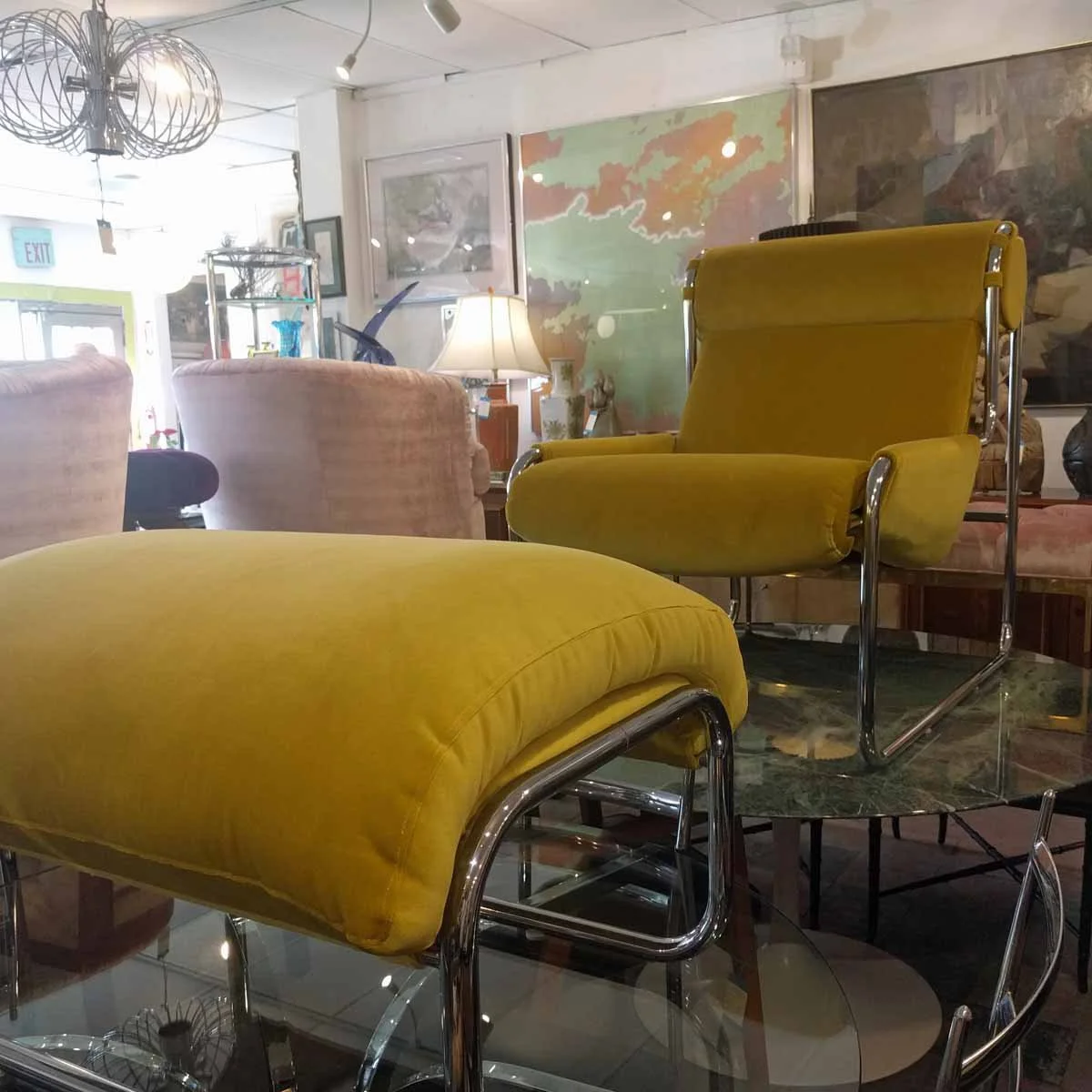
A room furnished entirely with new pieces, even beautifully chosen new pieces, tends to have a specific quality to it. It looks correct. It looks current. And it often looks like it arrived all at once, because it did.
Real homes don't look like that. They accumulate. A grandmother's dresser ends up in a guest room. A chair found at an estate sale becomes the one everyone wants to sit in. A mirror bought on a trip somewhere hangs in the entry for thirty years. The rooms that feel most like someone's actual life, rather than a page torn from a catalog, almost always have pieces in them with some history, whether that history belongs to the client or was acquired along the way.
When a room is entirely new, I'm essentially trying to recreate that quality artificially. When a room includes even one or two pieces with real age and real character, that quality is simply there. It's not a trick. It's just how rooms that have been lived in for generations actually look.
Patina Can't Be Manufactured
This is the part that's hardest to explain to someone who hasn't seen it in person, and the part I care most about.
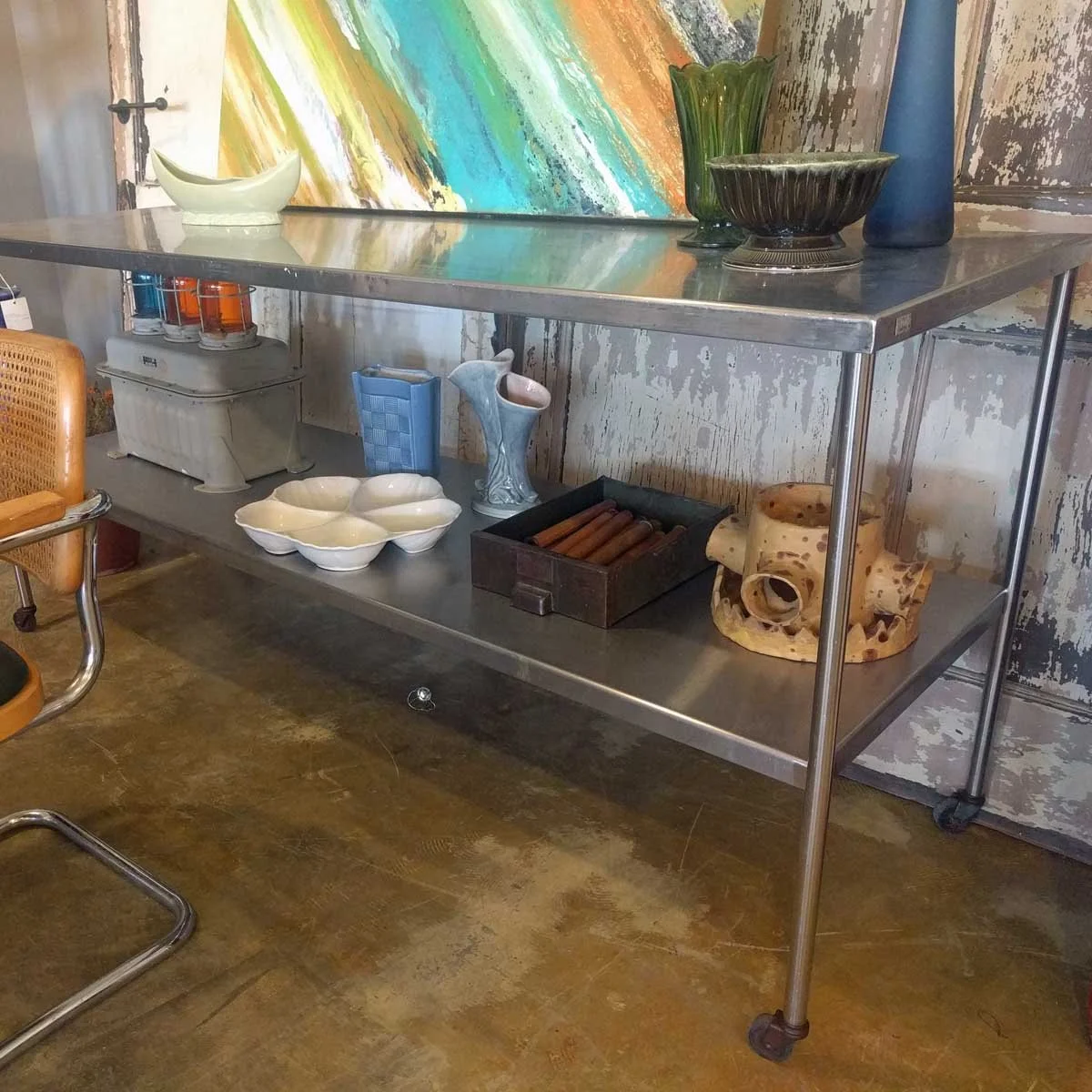
New wood, no matter how well finished, has a uniform quality to it. Vintage and antique pieces; particularly ones with real age, real use, real hands that have touched them, have a surface that varies. Slightly worn in the places where hands rest. Slightly darker where light has hit it for decades. Small imperfections that tell you, even if you couldn't articulate why, that this object has a history.
Manufacturers have tried to replicate this for years; distressed finishes, "antiqued" hardware, faux patina applied at the factory. It's never quite right. Manufactured aging happens in a pattern that's too even, too intentional, too repeated across a thousand identical pieces coming off the same line. Real aging happens unevenly, in response to actual use, and that irregularity is exactly what makes it feel authentic rather than staged.
I think about this the same way I think about marble. The stains and variations that make people nervous about natural materials are the same qualities that make those materials beautiful decades in. A vintage piece with real wear has already gone through that process. It arrives with the character new pieces spend years trying to earn.
Vintage Sourcing Solves Problems New Furniture Can't
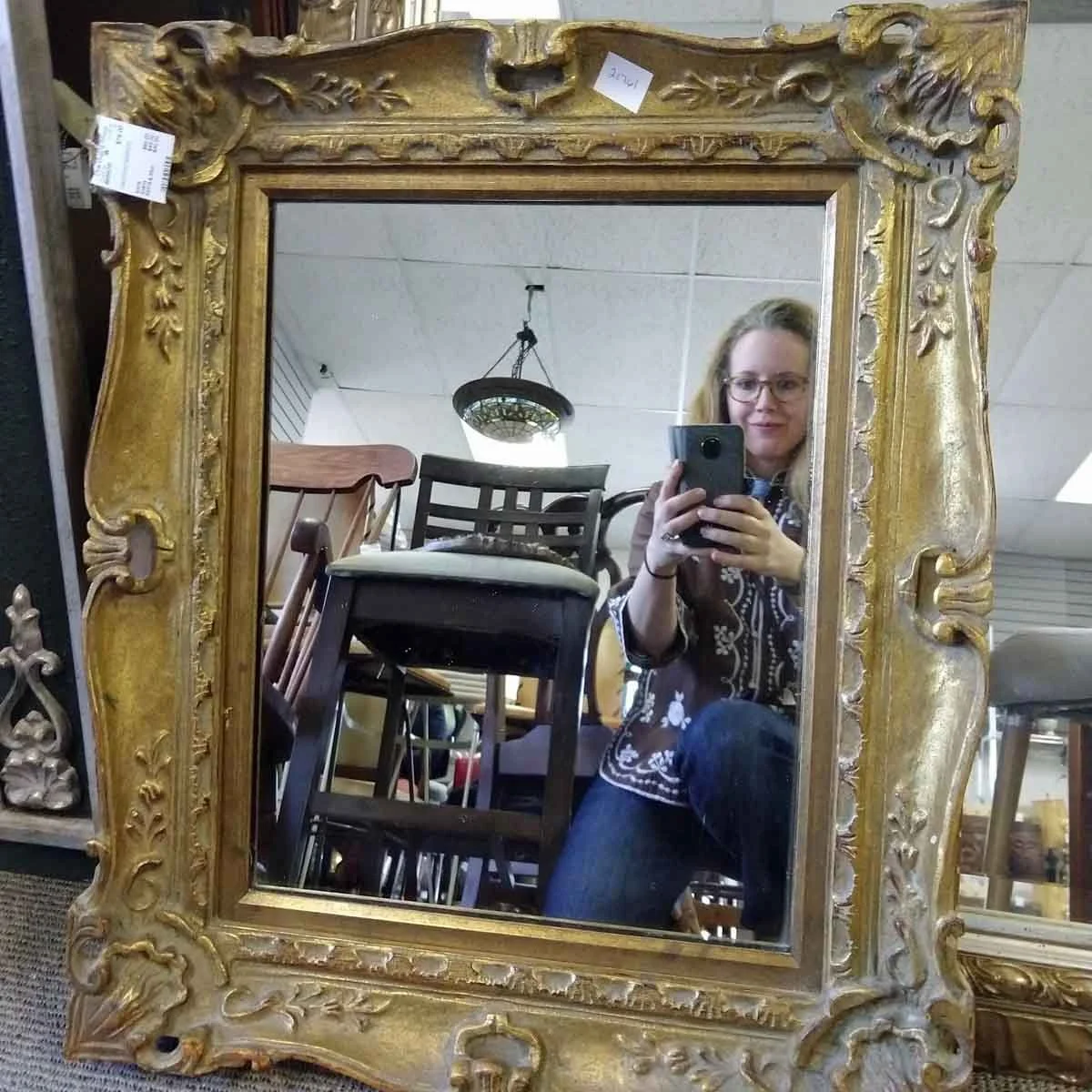
Beyond the aesthetic argument, there's a practical one. Certain design problems are genuinely easier to solve with vintage and antique pieces than with anything currently in production.
Scale and proportion. Furniture made 50 or 100 years ago was often built to different proportions than what's manufactured today; smaller in some ways, more generously scaled in others, built for rooms with different ceiling heights and different spatial habits. A vintage piece can solve a scale problem that no current production piece quite addresses.
Craftsmanship that isn't being made anymore. Certain joinery techniques, certain wood species, certain hardware styles simply aren't produced at accessible price points today. A well-made vintage piece can offer a level of construction quality that would cost significantly more to replicate new, if it's replicable at all.
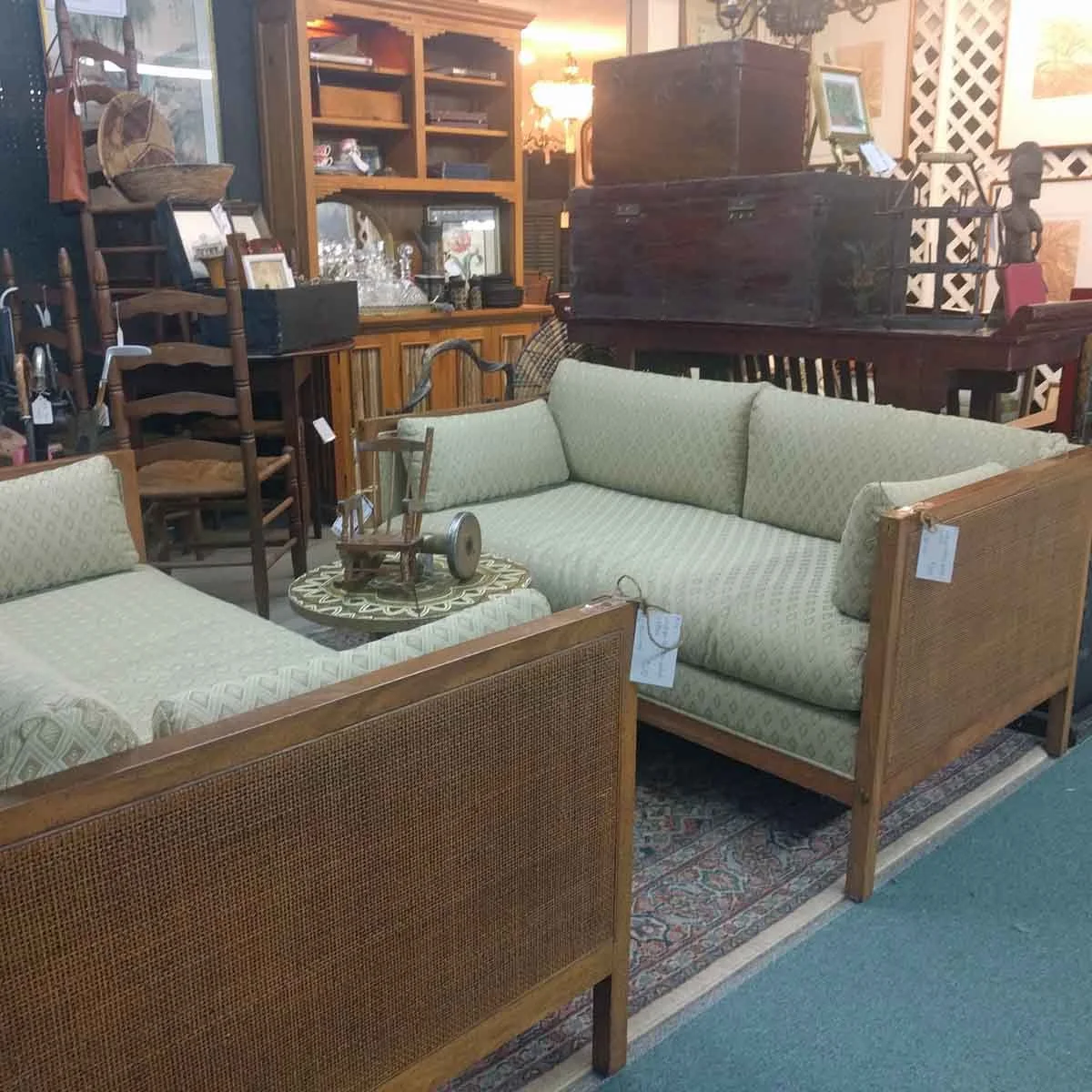
A specific character that new pieces can't provide. Some rooms need something with weight and history to anchor them; a piece that reads as if it's always been there, even in a brand new construction home. This is one of the most effective tools for making new construction feel less like a builder shell and more like a home with roots, which is a common goal for clients moving into custom or semi-custom homes in Castle Pines and similar new construction areas.
Where I Source
Vintage and antique pieces come from a wide range of places, and the sourcing itself is part of the process I enjoy most. Estate sales, antique dealers, auction houses, vintage furniture specialists, and trade-only vintage sources all play a role, depending on what a project needs.
This isn't about finding whatever is available and making it work. It's about knowing what a specific room needs, the scale, the material, the character, and then knowing where to actually find it. That takes years of paying attention to sources, building relationships with dealers, and developing an eye for what's worth pursuing versus what only looks good in a photo.
I also work with what clients already own. Some of the best pieces in a finished room were sitting in a client's garage, inherited from a parent, or purchased on a trip years ago and never quite placed correctly. Part of the discovery process on every project is understanding what you already have that's worth building around, rather than assuming everything needs to be sourced new.
The Balance
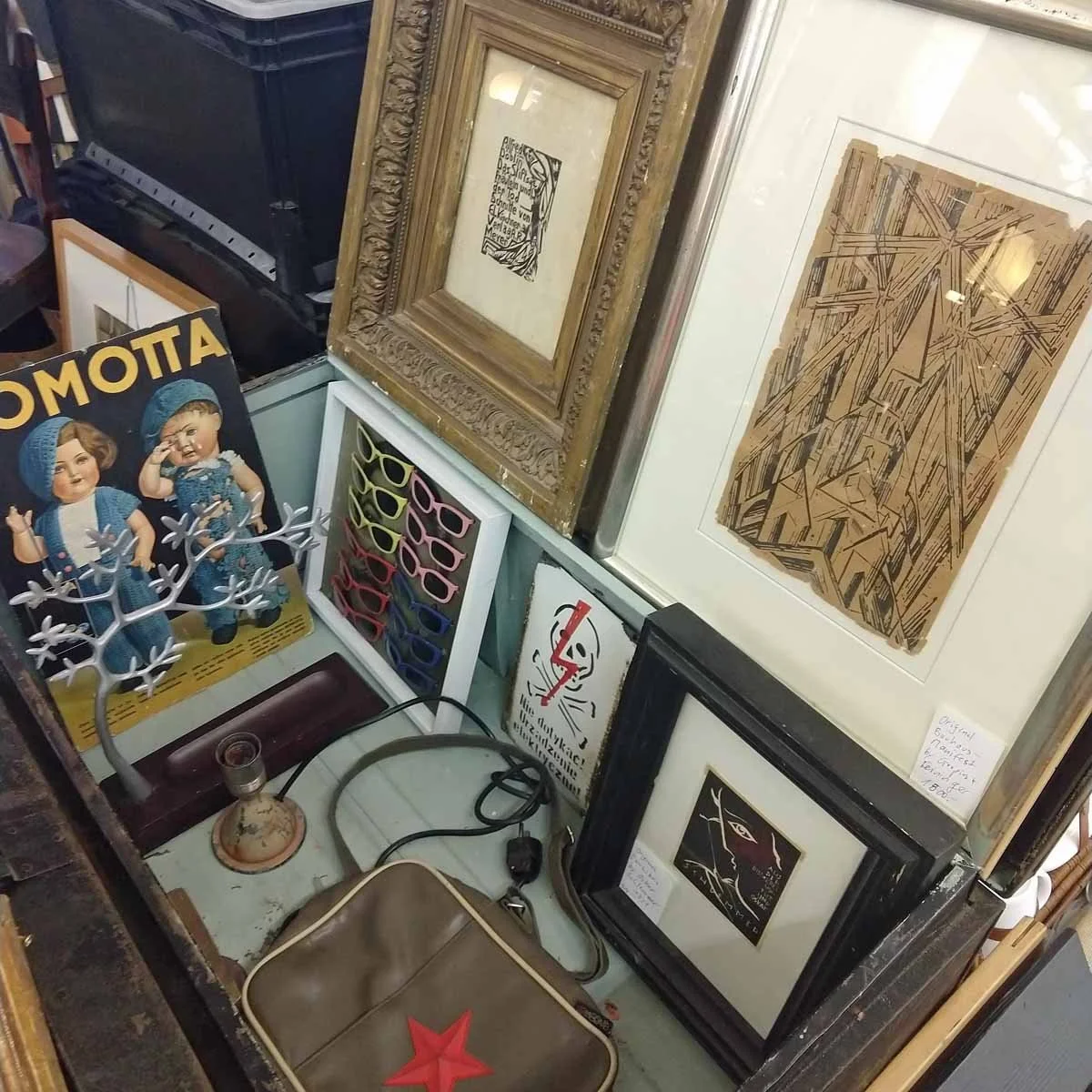
None of this means every room should be full of antiques, or that new furniture is a mistake. Most of the rooms I design are a mix; new upholstery for comfort and performance, new case goods where the proportions and function call for something current, and vintage or antique pieces placed deliberately where they do the most work.
The skill isn't choosing old over new. It's knowing which pieces in a room benefit from history and which ones don't need it, and having the sourcing relationships to find the right vintage piece when a room calls for one, rather than settling for whatever's convenient.
That mix, new where new makes sense, vintage where it adds something new pieces can't, is what produces rooms that feel collected rather than purchased, and that's the quality I'm always working toward.
If you're working on a project and want a design approach that includes real sourcing, not just what's available on a retail site, I'd love to talk through what your space could use.
If this was useful, these might be too: