Designing Around the Art You Already Love
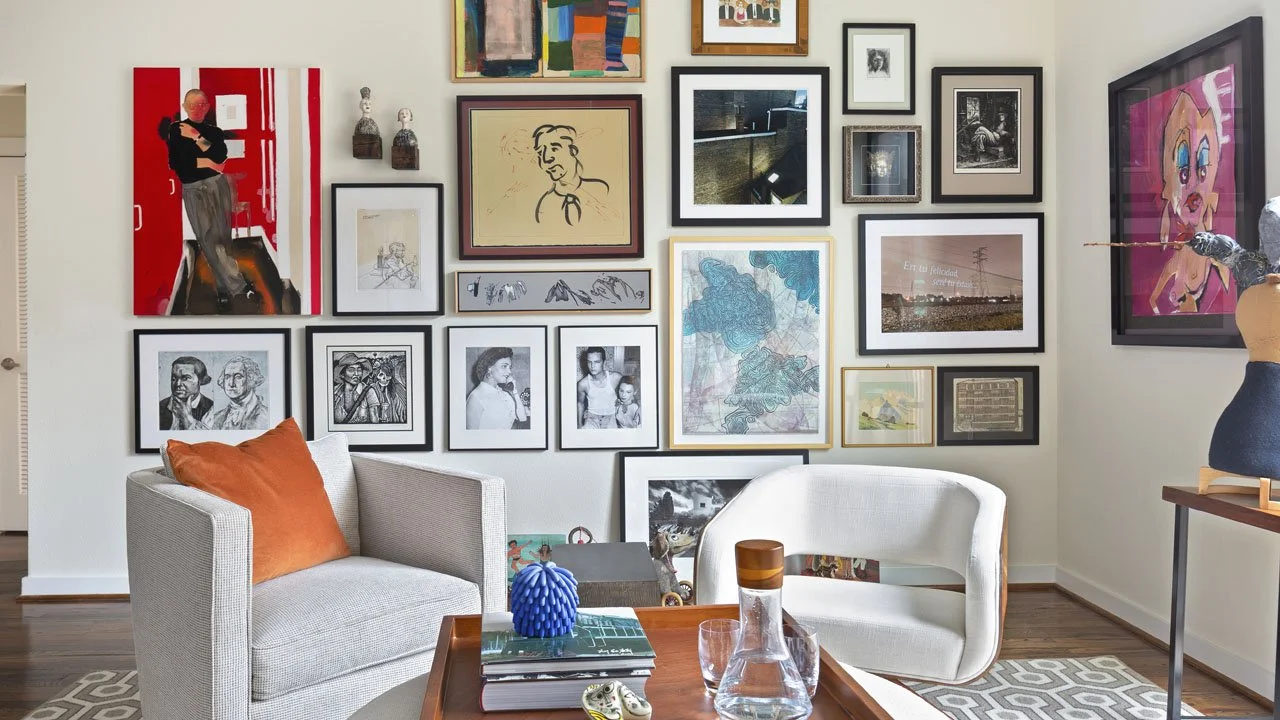
I can walk into a home and tell within minutes whether the art was bought with love or bought with matching in mind. The ones bought with love always win. Here is what I wish more people knew before their next purchase.
Good Art Does Not Have to Cost Much
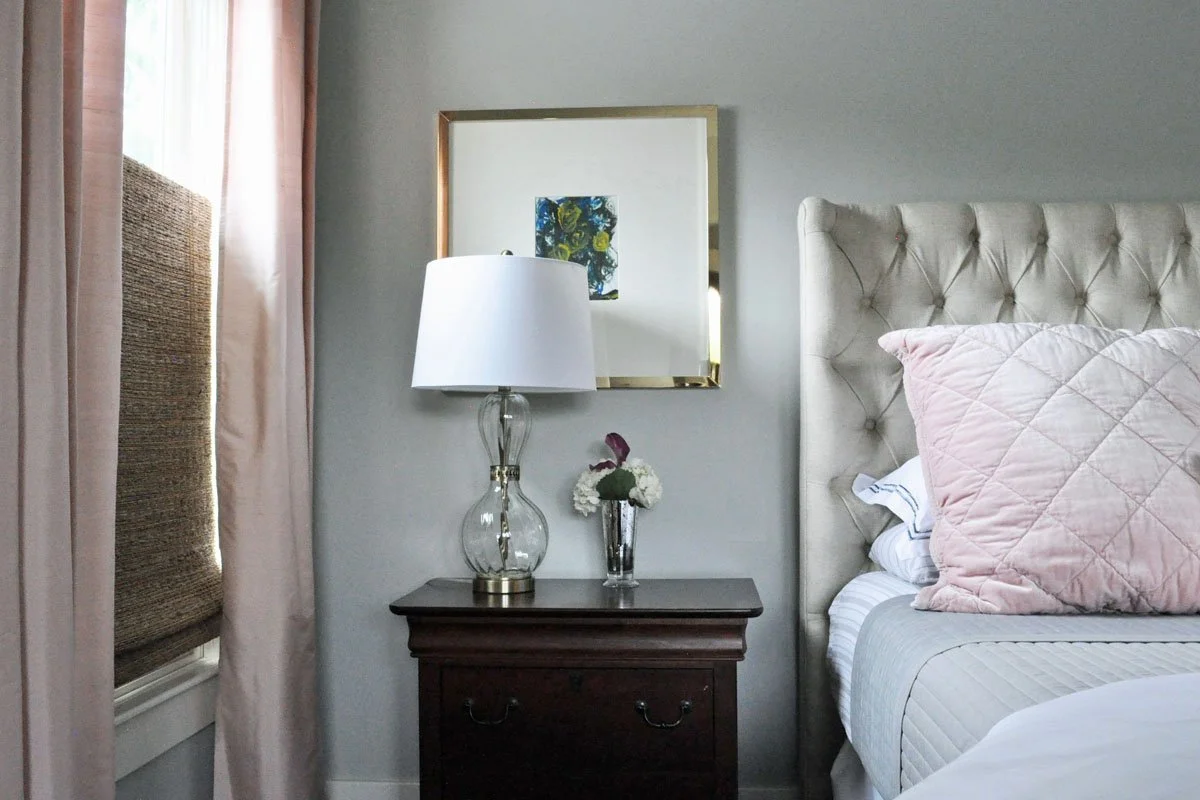
The biggest myth I hear is that real art means a real budget. It does not. A well-printed poster in a beautiful frame can hold a wall as well as an original. The frame is doing more work than people expect: a wide mat, a clean metal or wood moulding, and real glass turn something modest into something that reads as intentional. I have hung a five dollar print in a frame worth ten times that and watched guests ask where I found the piece, not the frame.
Frame Your Children's Art Like You Mean It
This is one of my favorite tricks, and it works every time. A child's painting, framed the same way you would frame a gallery piece, with a generous mat and a quality frame, reads as abstract art to anyone who does not know better. People will compliment your taste in modern work. Rotate the pieces every season or two so the wall stays alive, and you have a gallery wall that costs almost nothing and means everything. (And your kids will be absolutely delighted.)
If the Budget Allows, Treat Collecting as a Hobby
For those who have room to spend more, I would ask you to resist the urge to buy quickly and instead treat the search itself as the fun part. Finding artists whose work matches your eye, not your sofa, takes time, and that time is worth enjoying rather than rushing. Galleries are an excellent place to do this. Many will bring a piece to your home so you can live with it for a few days before deciding, which tells you far more than a photo ever could. Take them up on it.
Buy What You Love, Not What Matches
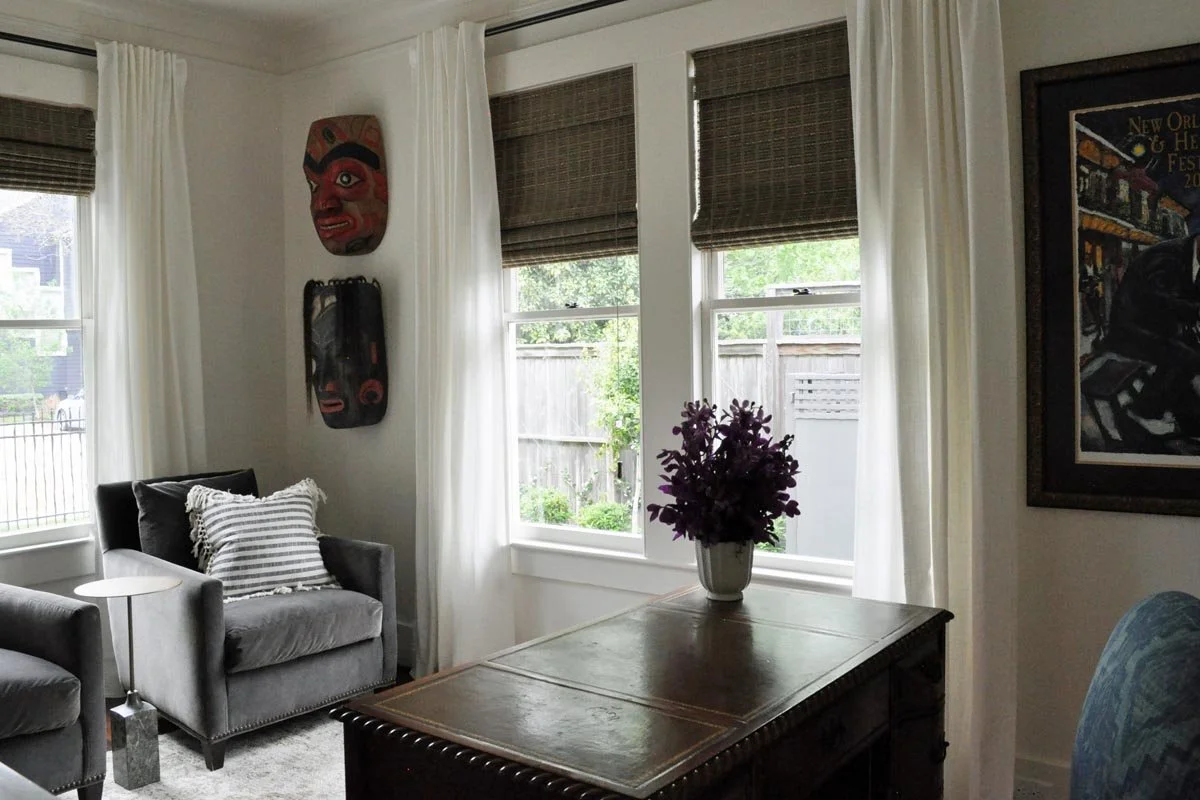
I will say this as plainly as I can: do not buy art to match your room. Buy what you love, and let your home be the thing that adapts. A room with furniture chosen around the art will always feel more interesting than a room with art chosen around the furniture. The first tells a story. The second decorates around a color chip.
Keep a Balance Across Types
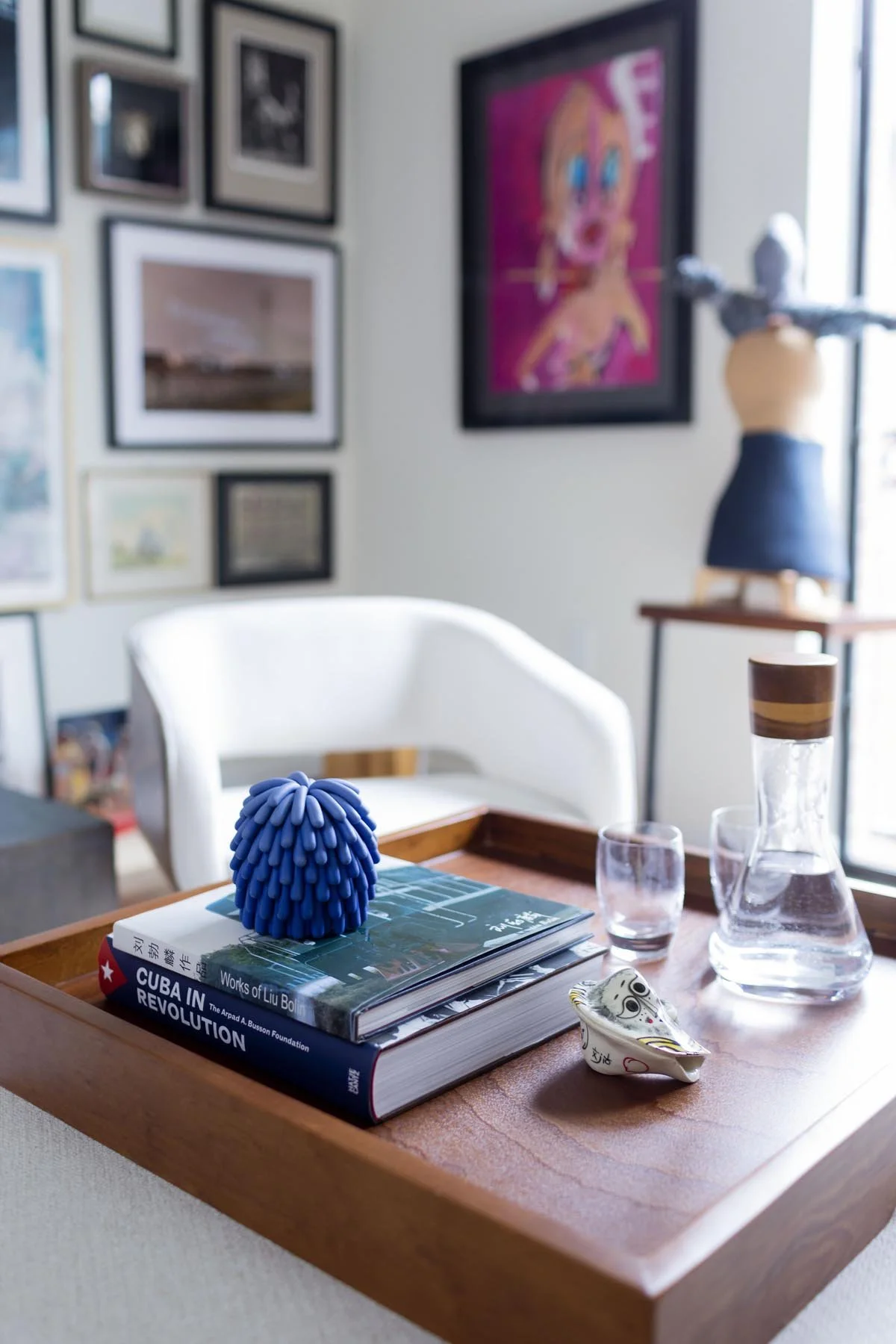
Most collections benefit from some variety: a photograph here, a realist painting there, something abstract, something in clay rather than on a wall. A home that mixes a framed piece with a canvas, a sculptural object, and a meaningful memento feels collected over time, the way a real life does. A home where every piece is the same size, medium, and mood can start to feel like a single long sentence with no punctuation.
One Great Love Does Not Need a Shrine
If you find an artist whose work you cannot get enough of, I understand the instinct to buy everything they make. I would only ask you to choose across what they have done: an early piece and a later one, a small study alongside a larger finished work, different subjects if they have painted more than one. A home with six works by the same hand in the same series can start to feel like a tribute rather than a collection. A spread across their range still tells people this is your favorite artist, without making every room about them.
Let a Theme Make One Appearance, Then Step Back
If you love the mountains, and I mean truly love them, choose one strong piece that says so and let it carry the idea. The same goes for food art in a kitchen, art about water in a bathroom, or film posters in a home theater. I will add one small rule for that last one: if you are going to hang a poster for a film, make sure you have actually seen it and loved it. Nothing undercuts a theater more than movie art chosen for the color of the poster.
Compliment the Room, Do Not Match It
There is a real difference between a piece that complements a room and a piece that was chosen to match it. A complementary piece shares a feeling with the space without echoing its exact colors. A matching piece, the print that happens to pick up the same tone as your draperies, tends to disappear into the room instead of adding to it. If you own one large, loud piece, let your furnishings go quieter around it. Loud art and loud furniture competing for the same wall rarely works, and the art almost always loses.
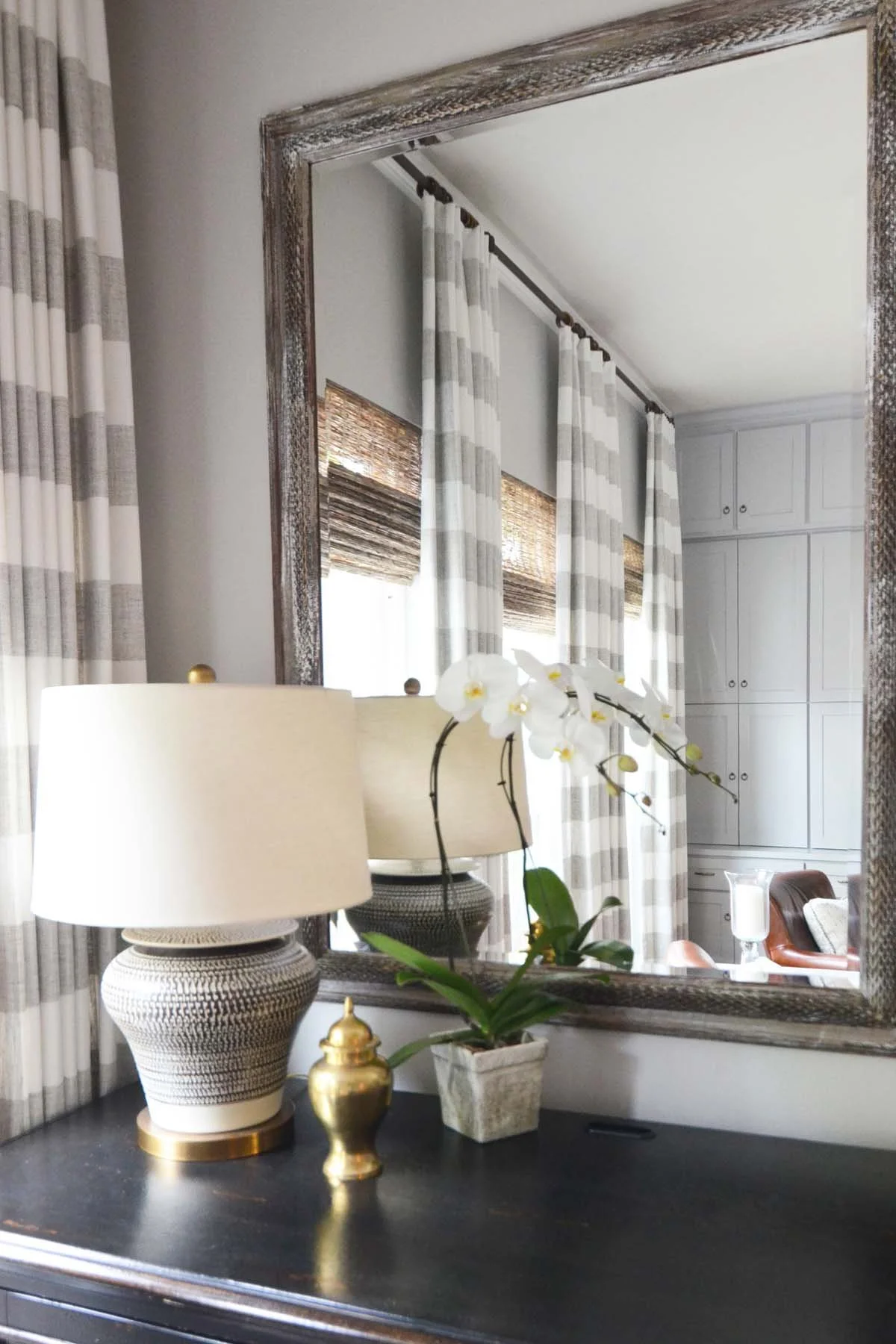
Remember Mirrors
Mirrors belong in this conversation too. They reflect light, add depth, and can carry as much personality as a painting, depending on the frame. A well-chosen mirror is not a placeholder for art. It is art that happens to show you something back.
The Real Secret
None of this requires training, and none of it requires a large budget. It requires buying what you actually love, framing it properly, and trusting that a home full of things chosen with real feeling will always look more thoughtful than a home filled with things chosen to match.
If you are standing in a room full of pieces you love but cannot quite get to work together, that is exactly the kind of conversation I enjoy having. I would love to hear about it.
If this was useful, these might be too: