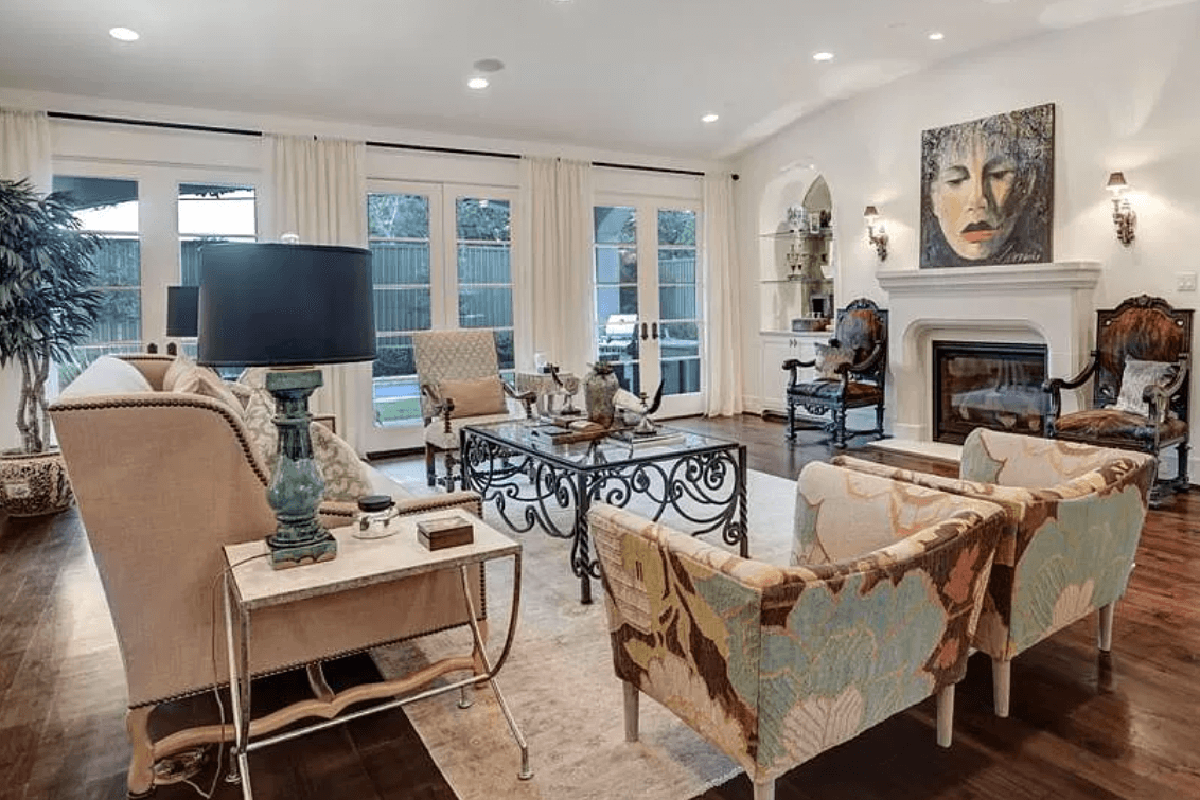
The first week in a new house has a particular sound. It is the echo. Tall white walls, clean floors, a kitchen where no one has ever burned the toast. Everything works. Everything is square. And somewhere in the second week you stand in the middle of the great room and realize the house could belong to anyone.
It is what a new house is: a very good container with no history in it yet. The fastest way to give it one is to bring in things that already have one.
I have designed homes for 24 years, in Houston, Shanghai, Berlin, and now South Denver, and in every one of them the rooms people remember are the ones where something old sits beside something new. Not a museum. Not an antique shop. One honest, well-chosen piece, in the right place, that changes how everything around it reads.
Why a House Can Feel Flat
Brand new construction or renovated to sell gives you straight lines, even light, and a single sheen on every surface. It is clean and it is calm, and it can be a little flat. What a new house or a renovation without a designer cannot give you is variation: the slightly uneven edge, the finish that has been touched for two hundred years, proportions that came from a maker's eye and not a catalog.
Antiques supply exactly that. They add age, irregularity, and a human hand to rooms that otherwise have none. Warmth in a new home does not come from more furniture. It comes from contrast.
The Pieces Will Tell You What You Like
This may be the first house you have furnished entirely on purpose, rather than out of necessity or in a hurry. That is a different kind of decision, and it can stall at the start. You know what you do not like. You have saved two hundred rooms and could not say what ties them together.
Antiques are the best teacher I know for that. A photograph of a room asks you to approve of the whole picture at once, which is a hard question and not a very useful one. An object asks something smaller and far more honest: do I want to live with this?
Ask it a few dozen times and a pattern appears. You stop at the same curve. The same dark wood, or the same faded painted finish. The same century, usually without knowing its name. That pattern is your taste, and it will surface faster across an afternoon of real pieces than across a year of saved images.
Taste is not something a person either has or lacks. It is something you practice, one piece at a time, and a house full of nothing but new things gives you almost nothing to practice on.
How to Mix Antique and Modern Furniture
The goal is a room that looks gathered over time, not bought in a weekend. These are the rules I use.
Start with one piece that you love. Not a collection. A first piece: a chest for the entry, a mirror over the console, a dining table with a past. Build the room around it, and add as you learn why you love what you love.
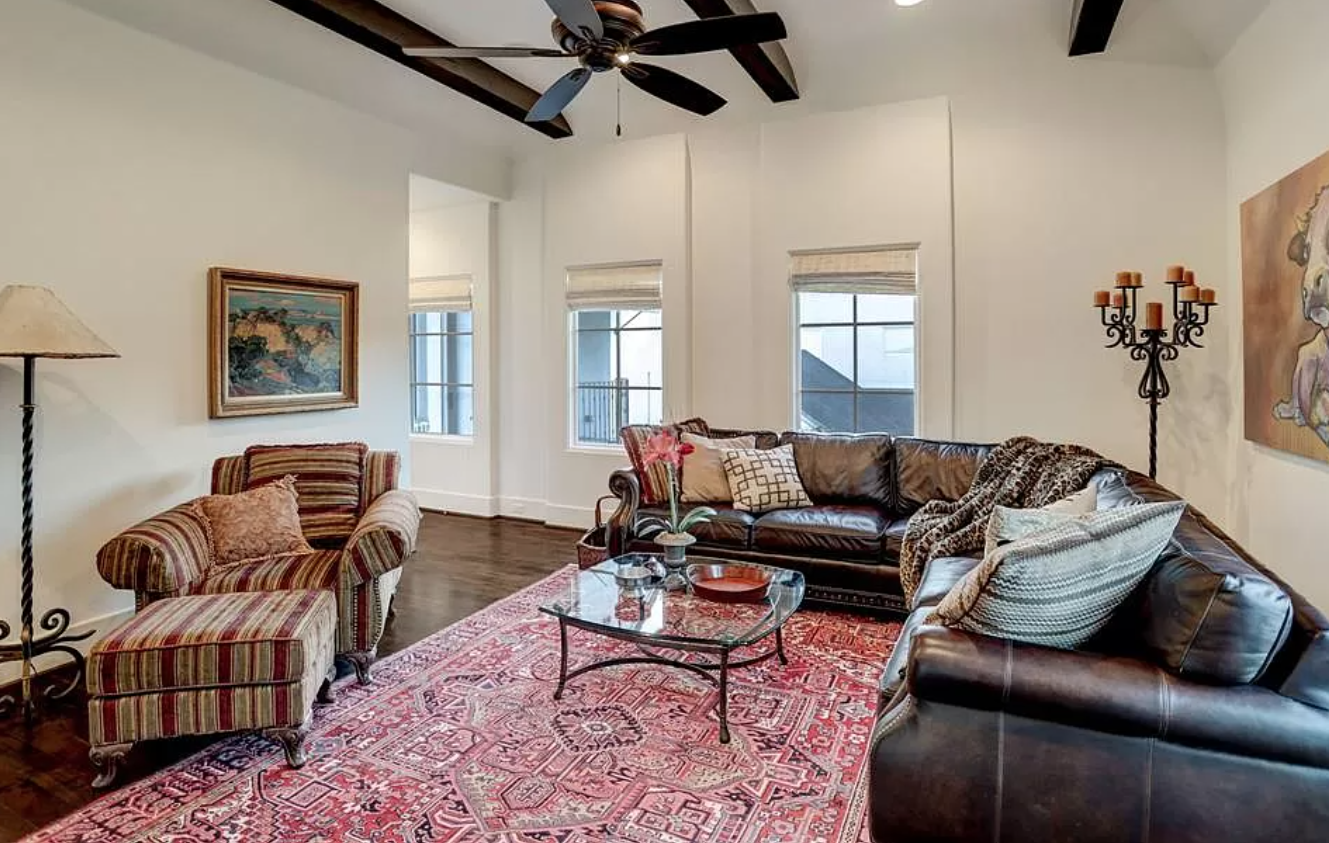
Let the eras meet. Put carved or aged wood against clean modern lines. A gilded mirror over a plain console. A worn oak table with sleek chairs. When everything matches its era, a room reads as a theme. When everything is showroom beige, it reads you just bought what they had. When the eras and fabrics meet, it reads as a life.
Scale up for new-build rooms. New houses have tall ceilings and big rooms, and a small antique floats. Choose pieces with presence, or group smaller ones so they hold the wall. The key is matching all of your pieces, in scale, to each other. If everything is a small scale, even in a tall ceilinged space (think European apartment) it’ll look chic.
Do not match the woods. A matched set looks bought in a day. Three or four wood tones, repeated through the room, look collected. A few painted pieces mixed in is chef’s kiss.
Put old things where you will touch them. A chest you open, a chair you sit in, a table you eat at. Pieces that get used stop feeling precious and start feeling like yours.
Start with lighting and mirrors. Old lamps, sconces, and mirrors are often the easiest first step. They put age at eye level, catch the light, and soften the flat glow of builder fixtures. A good restorer will rewire them to current standards, so they are safe as well as beautiful.
Where to Put the First Antique in a New Build
If you are not sure where to begin, these are the places I look first.
The entry. A chest or console with a mirror above it. It is the one spot guests see before you have had a chance to explain anything.
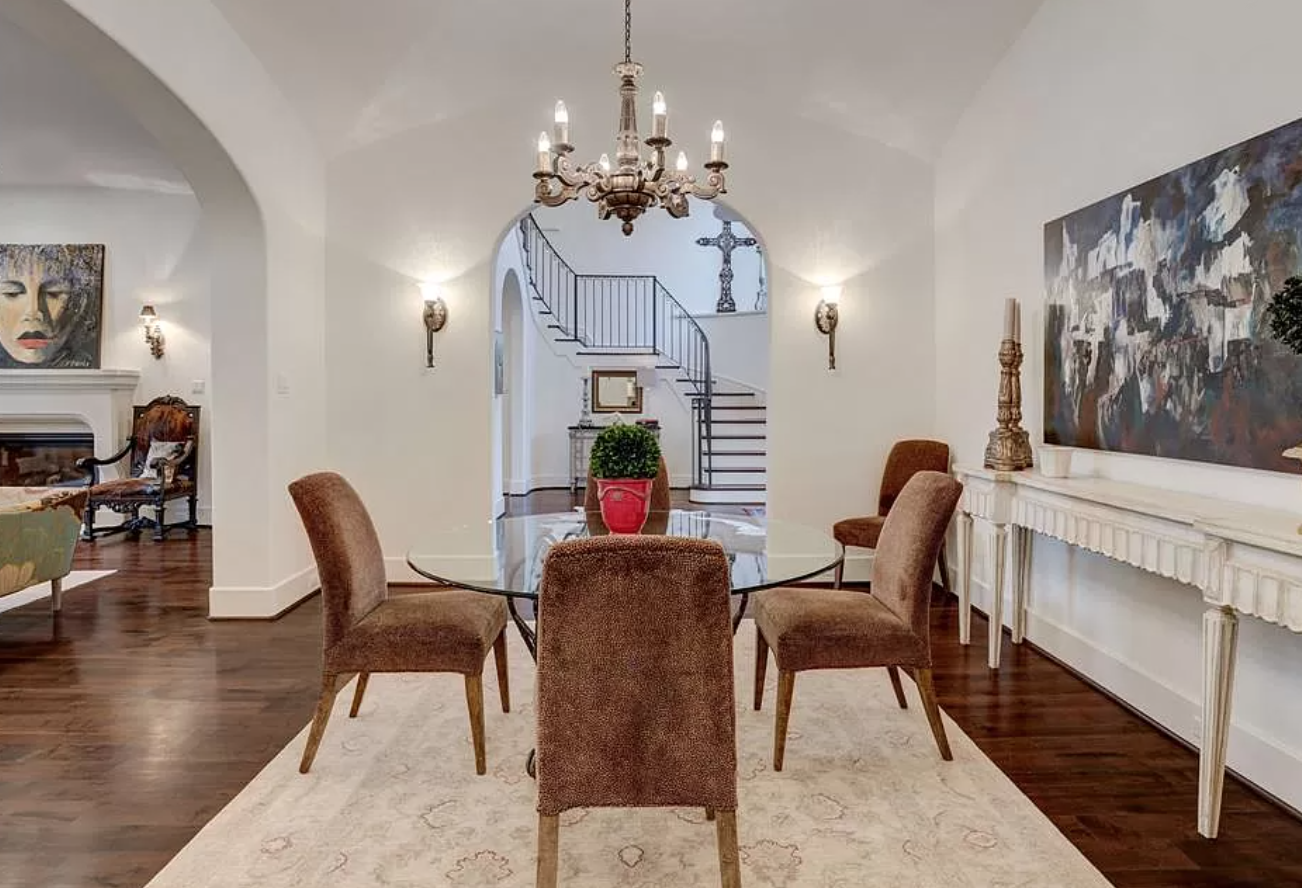
The dining room. A table or sideboard with age. A room built for gathering looks wrong when everything in it is new. Plus if it already has a patina then you won’t worry about that glass ring on the finish.
The great room. One substantial piece, such as a cabinet or a large mirror, to give the volume something to hold onto. Maybe great antique art or a tapestry. Maybe a fabulous antique wool rug.
The primary bedroom. Nightstands, a chair, or a painting. A pillow made from an antique textile! It is the room where you are most likely to notice what you love.
What to Check Before You Buy
Buying old things well takes a little knowledge, and it is what separates a find from a regret.
Look at the joinery and the condition of the structure before the finish. A chair has to hold a person.
Ask what has been repaired or refinished. I worry less about the value but an old painted piece could have lead paint so you’ll want to know the refinish history before you invest. Also be on the lookout for pieces that have a waxy finish on them from years of bad cleaners.
Measure the room, the doorways, and the stairs before the piece is delivered.
Buy from dealers who can tell you where a piece came from and how it has been restored. Or buy it for a steal and have it restored yourself.
What a Designer Brings to This
Finding the right piece takes time, access, and a willingness to walk away from the wrong ones. I source through dealers, restorers, and makers I have worked with for years. I know what a piece will do to a room before it arrives, and I see everything through installation, so the old and the new land together.
In a Furnishings & Styling project, I design each room as a whole: the antiques, the upholstery, the rugs, the lighting, the art. You do not shop piece by piece and hope it adds up. For homes still under construction, such as many I see in Castle Pines, the best time to start is before the move-in boxes arrive, so the first rooms are built around pieces with a story from the beginning.
A new house does not have to wait thirty years to feel lived in. It needs a few pieces with a past, and someone who knows where each one belongs. If your house is new and still feels like nobody lives there yet, I would love to hear about it.
Related posts: