Questions to Ask Before Hiring an Interior Designer

Most people spend more time researching a refrigerator than they do interviewing a designer they're about to spend tens of thousands of dollars with.
I understand why. The process feels awkward. You don't know what you're supposed to ask. You don't want to seem demanding or unsophisticated. And designers, if they're any good, project enough confidence that questioning them feels unnecessary.
But hiring the wrong designer is genuinely worse than not hiring one at all. After 24 years doing this work, including internationally before I came back to Colorado, I've seen what happens when the fit is wrong. The project stalls. The client ends up with a home that feels like someone else's. The relationship sours halfway through and nobody knows how to end it.
Here's what to actually ask, and what to listen for in the answers.
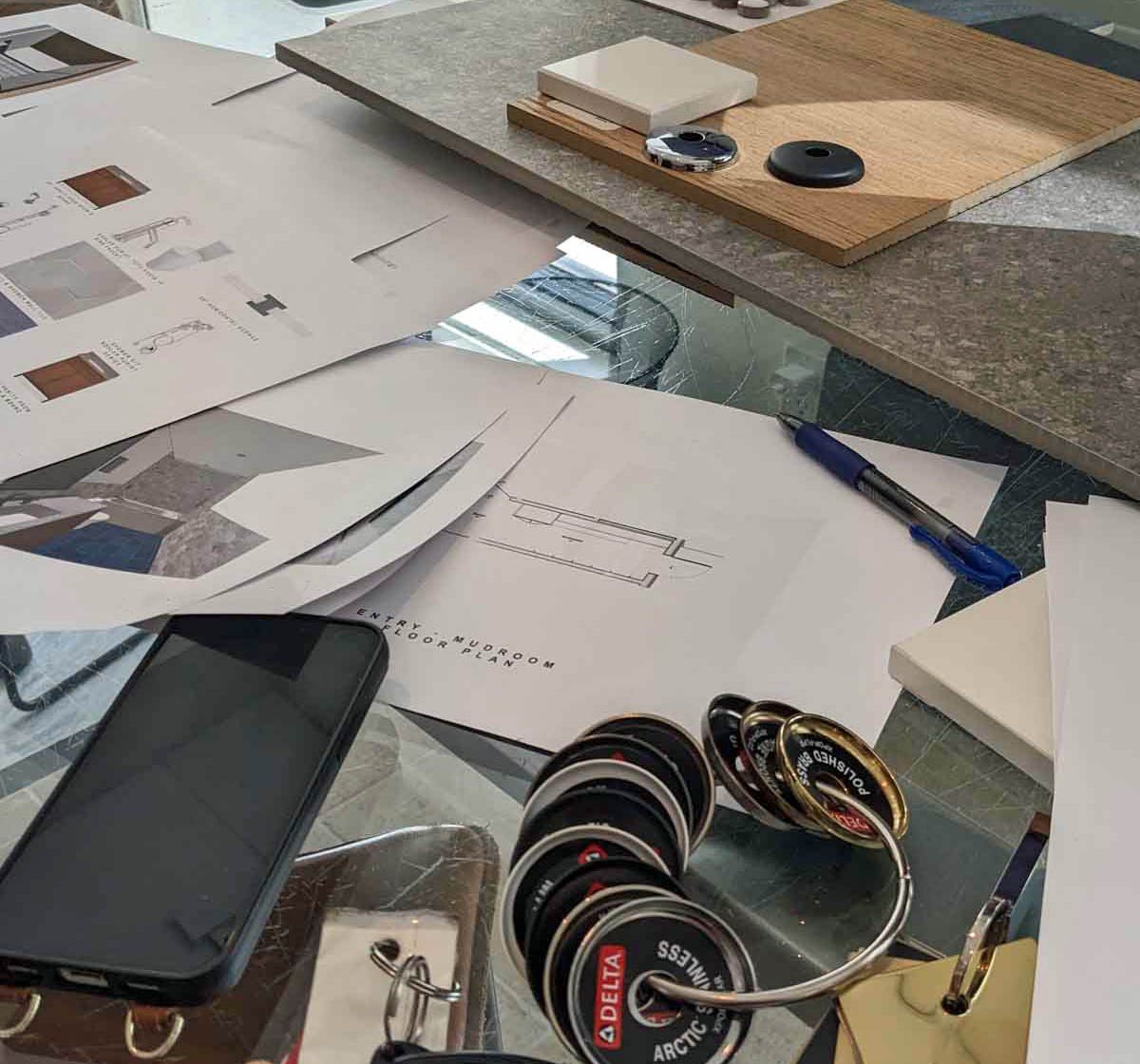
“Can you show me a similar project to mine?”
Not similar in style. Similar in scope.
If you're renovating a 1980s Centennial kitchen, you want to see other kitchens from that era that the designer has transformed, the spatial problems that come with those floor plans, the cabinet configurations, the light. If you're furnishing new construction in Castle Pines, you want to see how they've handled builder-grade bones before.
Designers develop real expertise in certain project types. Someone exceptional at furnishing empty rooms might struggle with complex architectural renovations. Someone who does beautiful historic preservation work might not be the right fit for a clean modern new build.
What to listen for: they should be able to point to specific completed projects and explain what made each one work. Not just show photos, explain the problem and how they solved it.
Red flag: "I can do anything" without showing you proof. Confidence isn't the same as demonstrated capability.
“Walk me through how we'd actually work together.”
Most people don't ask this specifically enough, and then they're surprised when the process doesn't match their expectations.
What you're really trying to understand: How many meetings happen before any designing starts? Do you see drawings and renderings, or just verbal descriptions? When do you make decisions about materials and furniture? How much are you involved versus how much does the designer handle? What happens if you don't like something they propose?
Some designers present a complete vision and expect you to trust it. Others want your input at every stage. Neither approach is wrong, but you need to know which you're getting, and whether it matches how you actually want to work.
My process: we start with a thorough conversation about your home and how you live in it. I develop the design and you see the complete vision before anything is ordered. Then I manage execution, contractor coordination, ordering, delivery, installation, and keep you informed throughout. You make the decisions that matter. I handle the overwhelming details.
Red flag: Vague answers about "collaboration" with no specifics about what that looks like week to week.
“What happens when something goes wrong?”
Things go wrong on every project. Tile arrives damaged. A custom sofa is three weeks late. The contractor misreads the drawing. Your first-choice fabric gets discontinued mid-order.
This question tells you more about a designer than almost anything else, because it reveals whether they see themselves as your advocate or as someone who hands off drawings and steps back.
What you want to hear: the designer takes ownership of solving problems. If the contractor installed something incorrectly, the designer coordinates the fix. If furniture arrives damaged, they handle the return. If the timeline shifts, you adjust together.
What I tell clients: I manage it. That's what project management actually means, not just scheduling, but accountability when things go sideways.
Red flag: Answers that redirect responsibility to you or the contractor. A designer who won't own problems during the interview won't own them during the project either.
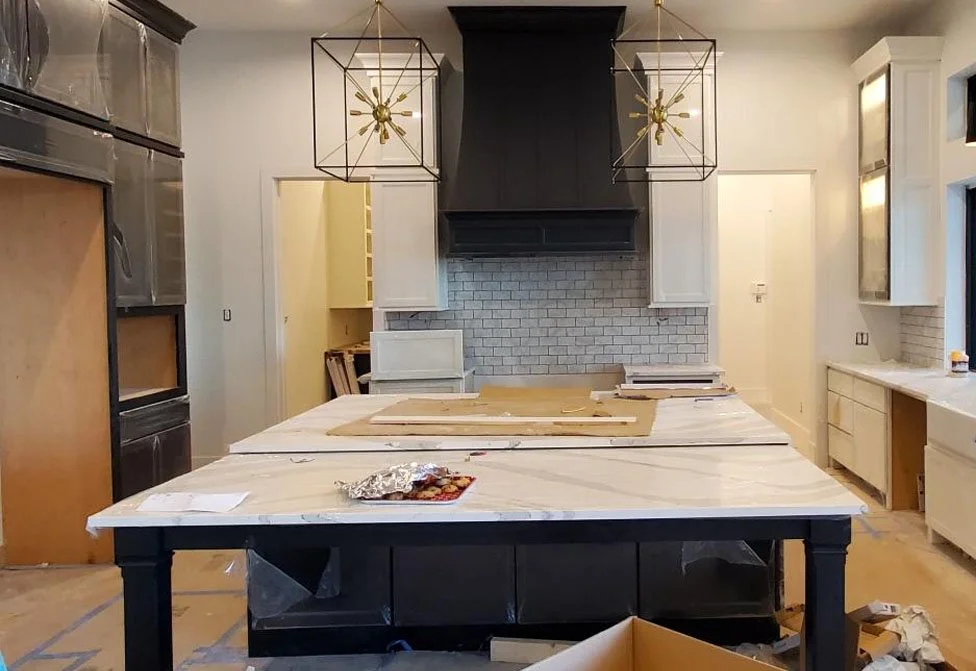
“Do you work differently at different budget levels?”
This isn't asking them to quote you. It's asking whether they're honest about fit.
Some designers only work above certain investment thresholds, and that's fine, but you need to know. Others claim to work at all levels but show frustration when you can't afford their first choices, which is a problem you'll feel throughout the project.
I offer three service structures because people genuinely have different needs and different budgets. A consultation for someone who needs direction but will manage execution themselves. Partial services for specific phases. Full-service for complete project management. All three can result in homes people love — they just serve different situations.
Consultation: $500, credited toward full-service. Partial services: $8,000–$45,000. Full-service: $35,000–$100,000+.
Red flag: Dodging the question, or making you feel like your budget is a problem before you've even stated it.
“Why do you focus on this area specifically?”
It's a question worth asking any designer you're seriously considering (if they have a location focus), and worth paying attention to if they can't answer it well.
For me, the answer is specific. After 15 years designing internationally — Berlin, Shanghai, Houston — I came back to Colorado deliberately and built a practice that stays within 20 minutes of my home in Centennial. Not because I can't work elsewhere. Because deep local knowledge is actually a service.
I know which contractors do quality work in this part of the Denver suburbs. I know the stone yards and tile suppliers. I know that a 1985 Centennial split-level has spatial challenges that a Castle Pines new build doesn't, and that Littleton's older bungalows require a completely different approach than a Highlands Ranch renovation from 2005. That knowledge comes from years of working in these specific homes not from occasionally passing through.
There's a real difference between a designer who covers the entire metro and one who has spent years understanding exactly what your neighborhood looks like from the inside. When you're deciding who to trust with your home, it's worth asking which one you're talking to.
What to listen for: A genuine answer about why they work where they work, not just "I serve the greater Denver area." And consider the math: a designer covering Centennial to Evergreen to Boulder to Castle Rock is spending hours every week in the car. That's hours not spent on drawings, sourcing, contractor calls, or your project. Geography isn't just about local knowledge, it's about where a designer's time actually goes.
“What makes a project successful, in your eyes?”
Skip this if they answer with buzzwords. "Timeless elegance" and "livable luxury" tell you nothing. You're trying to understand how they actually think.
A better version of the same question: What's a project you're proudest of, and why?
What you're listening for: do they talk about how the client uses the space, or do they talk about how it photographs? Do they mention budget and timeline alongside aesthetics? Does the answer sound like it's about the client, or about the designer?
My answer: a project works when someone walks into their finished home and it feels unmistakably theirs. Not mine. Not a magazine spread. When the kitchen actually functions better for how they cook. When the primary suite finally feels like a retreat. When they stop second-guessing decisions they made two years ago. When their new home/ remodeled home/ decoration makes their life easier.
Red flag: Answers centered on awards, press features, or portfolio growth. Those things matter to designers. They shouldn't be your problem.
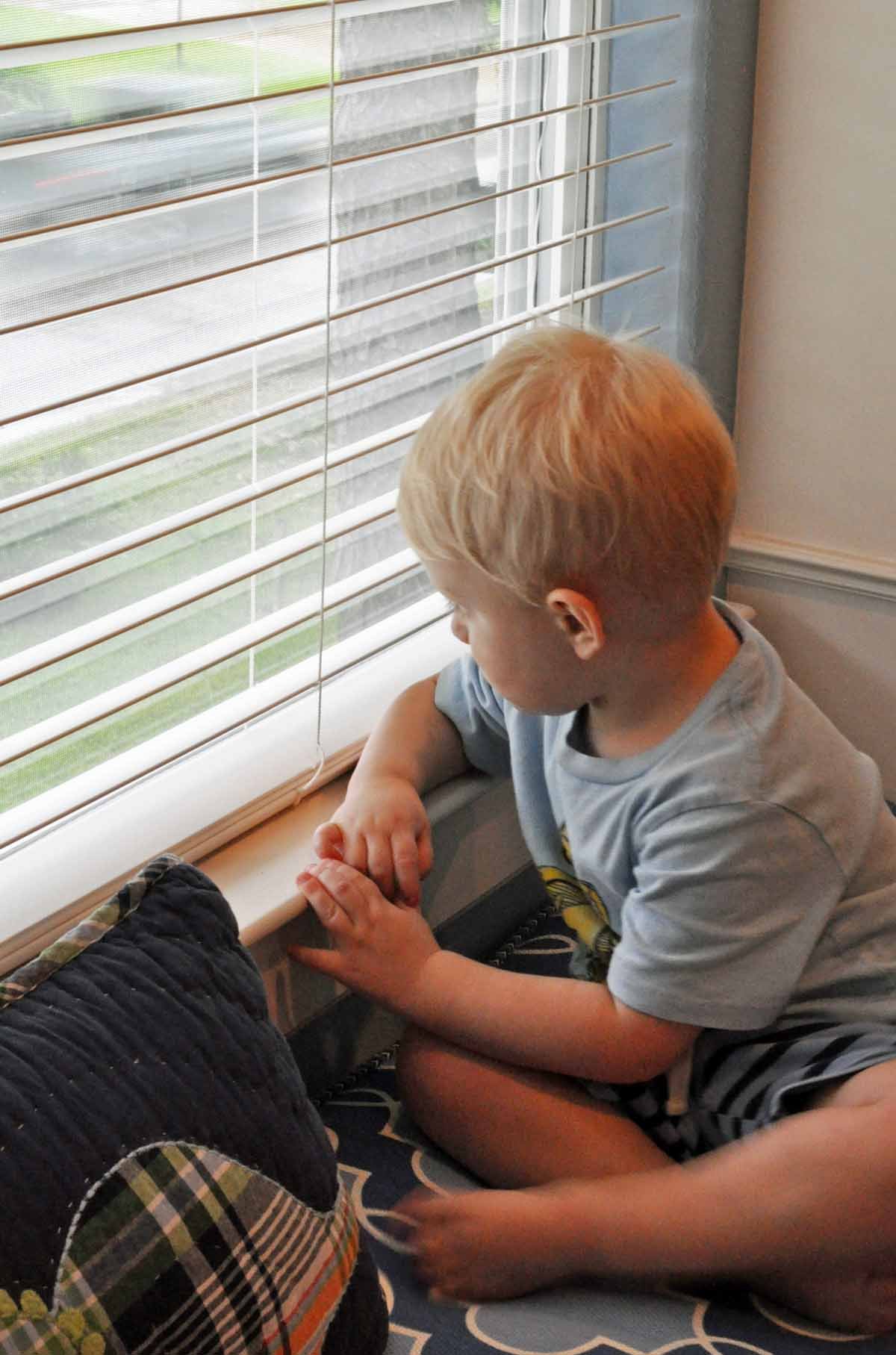
When this little guy ran into his new room and immediately crawled up to see the view from his new window seat I felt such joy, that’s a successful project.
Questions to Ask Yourself First
Before you interview anyone, it's worth getting honest about a few things.
Do I need full-service design, or something smaller? If you need help with paint colors or furniture arrangement for one room, a consultation might be exactly right. Don't overpay for a scope you don't need.
Am I ready to invest in both the design fee and the implementation? Design fees and procurement costs are separate. If your budget only covers one, wait until you can do both properly.
Do I want collaboration, or do I want someone to just handle it? Both are valid. But you need to know which you want before you start interviewing, because different designers work differently.
Am I prepared for this to take time? Custom furniture takes 12–16 weeks. Quality tile can have 8-week lead times. Renovations run for months. If you need everything finished in six weeks, no one can give you what you're hoping for.
How to Know If We're a Good Fit
I'm probably right for your project if you're in Centennial, Castle Pines, Highlands Ranch, Littleton, Lone Tree, or Greenwood Village, and you want someone who knows these neighborhoods specifically, not someone treating them as interchangeable suburbs.
I work with clients who value quality over trend, want honest communication over sales language, and are ready to invest in a result that lasts. I take about 12 projects a year, on purpose, which means you'll work with me directly, not a project manager hired a couple of weeks ago.
I'm probably not the right fit if you need everything done in a few weeks, if you need to control every small decision, or if your project is outside South Denver suburbs. Neither of those is a judgment, it's just being clear about where I actually do my best work.
If you're thinking about a project in Centennial, Castle Pines, Highlands Ranch, or Littleton and want to figure out if it makes sense to work together, I'd love to hear about it.
If this was useful, these might be too: