How to Choose the Right Interior Designer in Colorado
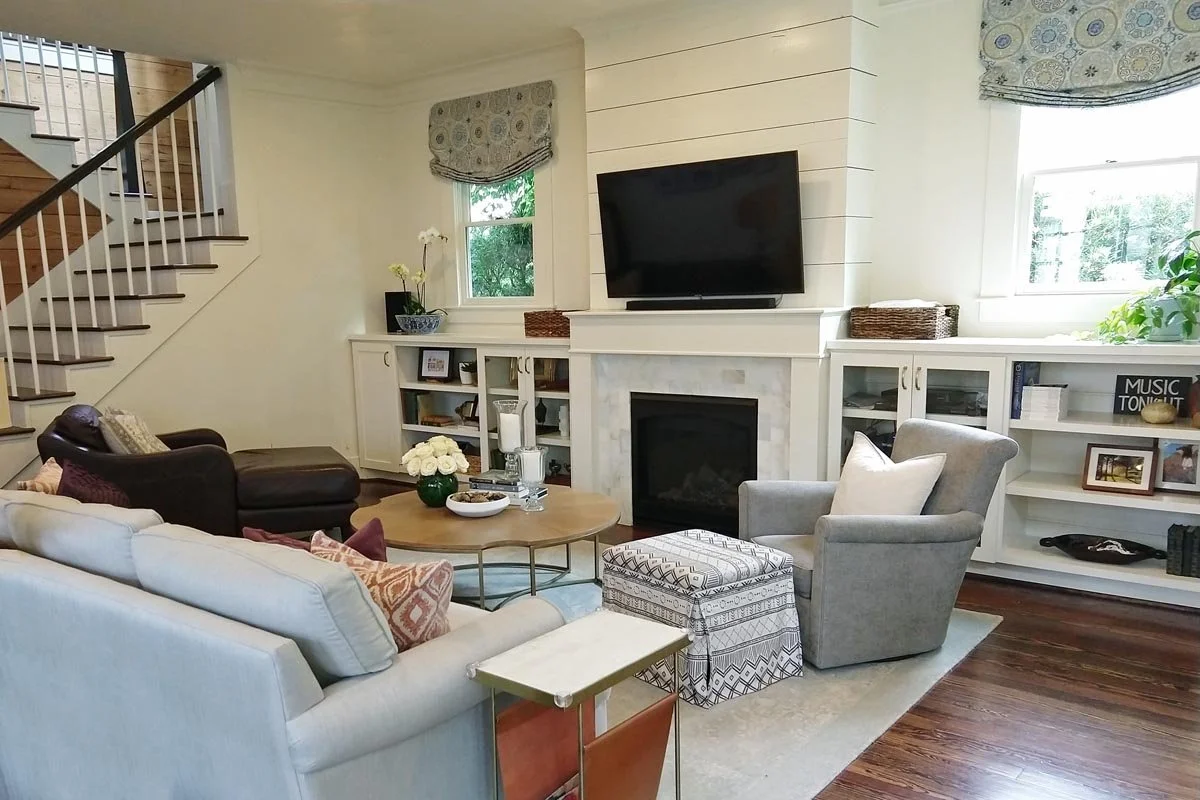
Most people approach hiring a designer the way they'd approach buying a couch; they look at photos, find something they like, and assume the rest will work out.
Sometimes it does. More often, the mismatch shows up three months into the project, when the working relationship turns out to be nothing like what either party expected.
After 24 years in this industry, including a stretch where I was on the hiring side, vetting other designers for projects, I can tell you that the things most people evaluate aren't the things that actually determine whether a project goes well. Here's what does.
The first cut: what kind of designer do you need?
Not everyone offering design services is the same, and the distinction matters more than most people realize.
Furniture store "designers" are salespeople with design training, sometimes formal, sometimes a certificate program the store paid for. They'll help you select pieces from that store's inventory and arrange them in your space. That's a legitimate service if you want to buy furniture from that store. It's not interior design. They can't help you with kitchen or bathroom layout, can't coordinate with contractors, can't source outside their inventory, and their recommendations are shaped by what they're selling. There's nothing wrong with using them for what they are, just be clear about what that is.
Independent designers aren't tied to any showroom or brand. They source from custom fabricators, trade-only vendors, vintage dealers, and artisans; whatever serves the project. Most offer multiple service levels, from a single consultation through full project management. Their recommendations are based on what's right for your home, not what's in their inventory.
If your project involves any structural changes, custom work, contractor coordination, you don’t want every piece of furniture from the same store or decisions that affect how rooms connect and function, you need an independent designer.
What to actually evaluate
Architectural and construction knowledge
This matters most for renovations, but it's relevant to any project where you're making permanent decisions.
Design training varies enormously. Some designers have deep knowledge of how buildings work, they can read construction drawings, understand structural systems, know what's involved when moving walls or reconfiguring spaces, and catch problems before they become expensive. Others are skilled at aesthetics and sourcing but less comfortable with the technical side.
For my part: my degree from Texas Tech included a minor in Architecture, and I've spent 24 years working alongside contractors and architects on projects ranging from historic district approvals in Houston to new construction in Aspen and Castle Pines. I can sit in a contractor meeting and speak their language; which means problems get solved faster and mistakes get caught earlier.
Ask any designer you're considering: what happens when a contractor tells you something can't be done the way it's drawn? Their answer tells you a lot.Questions to Ask Before Hiring
Service level fit
The best designers recognize that not every project or client needs the same level of involvement.
I work with clients three ways: a consultation for homeowners who want professional guidance but will manage execution themselves ($500, credited toward full-service if you move forward within 60 days); partial services for specific phases like kitchen design, space planning, or material selections ($8,000–$45,000); and full-service for complete management from concept through installation ($35,000–$100,000+).
A designer who only offers one level of service, usually full-service only, may not be the right fit if your project doesn't warrant it, or if you genuinely want to be more involved in execution. Ask what options exist before assuming it's all or nothing.
How they source
This question reveals whether a designer is truly independent or quietly tied to specific vendors.
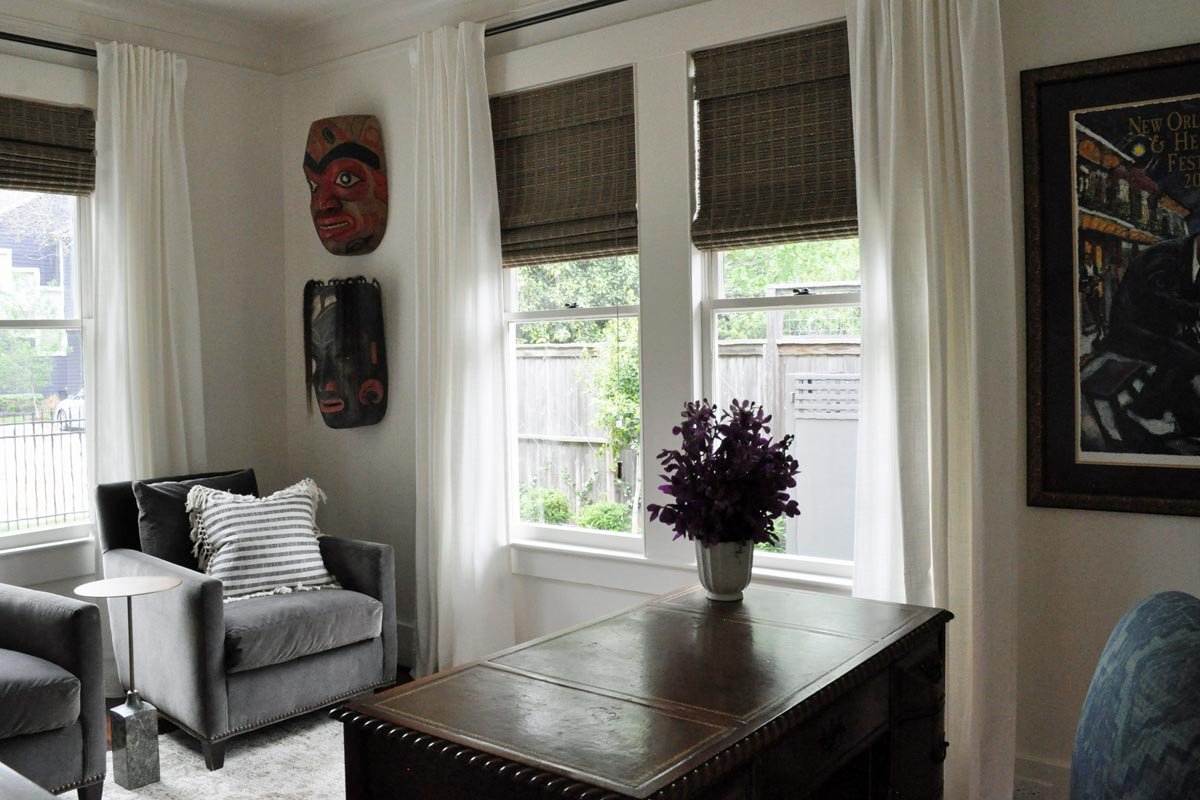
I source from custom fabricators, trade-only showrooms, vintage dealers, and Colorado artisans, in whatever combination serves the project. A living room might combine custom upholstered pieces built to exact specifications, vintage chairs from an estate sale, contemporary lighting from a trade-only resource, and textiles from a local maker. The result feels collected rather than catalog-ordered, because it is.
What to listen for: a designer who mentions a mix of sources and willingness to incorporate what you already own. What to be cautious about: someone who seems to route everything through the same few vendors.
Their portfolio, read it differently
Most people look at a portfolio and ask: do I like this? That's the wrong question, or at least an incomplete one.
The better questions: how do they handle space planning and flow? Do rooms look functional as well as photogenic? Can you tell they solved a real problem, or does everything look like a blank slate that was furnished attractively?
You don't need to find a project identical to yours. What you're looking for is evidence that they can think spatially, work within constraints, and make decisions that serve the way people actually live — not just the way spaces photograph.
When you meet, point to specific things in their portfolio that resonate with you and say why. A designer who can explain the thinking behind those choices; the spatial problem they were solving, the constraint they were working within, is showing you how they think, not just what they've made.

Local knowledge and presence
Colorado homes present specific conditions that reward local experience.
The UV exposure here fades and damages materials faster than in more temperate climates. Temperature swings put real stress on certain finishes and materials. Homes in Centennial from 1985 have different spatial DNA than homes in Castle Pines built in 2018 or historic bungalows in Littleton's Old Town, and understanding those differences at a granular level changes what's possible and what makes sense.
I work exclusively within 20 minutes of my home in Centennial, by choice. Not because I can't work elsewhere, but because deep local knowledge is part of what I'm offering. I know which contractors do quality work in these neighborhoods. I know the material suppliers. I know what a Foxridge floor plan looks like from the inside and what a Castle Pines lot with mountain views needs from a window treatment plan. That knowledge doesn't come from visiting occasionally, it comes from working here consistently.
A designer who covers the entire Front Range and mountain towns equally well probably doesn't know any of it as well as someone who's focused. Worth asking: where do you do most of your work, and why?
Colorado-specific considerations
Historic homes in Littleton and surrounding areas require someone who understands preservation, not just aesthetically, but practically. What can be changed, what needs to stay, how to work with planning departments if historic district approval is involved. I navigated a two-year historic district approval process in Houston on a structurally compromised bungalow. Those constraints don't intimidate me; they become the design.
Established homes from the 1970s–2000s — the majority of housing stock in Centennial, Highlands Ranch, and Littleton, often have closed floor plans and dated finishes that need a different approach than starting from scratch. Understanding what's structurally possible, which walls can move, and how to update without erasing good bones is specific knowledge.
New construction in Castle Pines and surrounding areas benefits most from early designer involvement, ideally before permits are pulled, while floor plans can still be adjusted for how you actually live. Once framing starts, the decisions that matter most have already been made. If you're building new, the question isn't whether to involve a designer, it's when.
Red flags worth knowing
Vague pricing before any scoping conversation. "We'll give you a custom quote" without any ranges suggests pricing based on what they think you can afford, not on the work involved.
A percentage-of-project-cost fee structure on the furnishings side. This creates an incentive to specify more expensive things, not better things.
Undisclosed markups. Procurement markup is standard and legitimate, but it should be clearly explained upfront, in writing, before you sign anything.
Resistance to questions. A designer who gets defensive when you ask about process, pricing, or past projects is showing you something important about how they'll handle problems mid-project.
The fit question
Beyond credentials and process, you're choosing someone to spend real time with over months of decisions. The working relationship matters.
The right designer listens before they propose. They're honest about what your budget will and won't accomplish. They tell you when an idea won't work rather than letting you find out later. They make you feel like your home is the priority, not their portfolio.
If someone makes you feel like you need to prove yourself worthy of working with them in the initial conversation, that dynamic won't improve once you're under contract.
If you're figuring out whether a project makes sense and what kind of help you actually need, a conversation is the right place to start, no commitment required.