Designing for Real Life: Beauty Meets Function in Every Room
After two decades designing homes from Berlin to Shanghai, I've learned that great design always starts with one question: How do you actually live here?
I begin every project by getting specific about function. How many people need to sit comfortably at your dining table? Do you need pantry storage for bulk shopping, or counter space for elaborate meal prep? Are there pets in your life that require durable, easy-care fabrics? How much natural light hits the room at different times of day? These aren't decorative questions; they're the foundation of good design.
Once we solve the functional puzzle, then we make those solutions beautiful. And here's what I've discovered: oftentimes the simplest details create the most beauty in your life. A place for everything. Your home serving your needs instead of you serving your home. That's the most luxurious way to live; when beauty and function are so integrated, you can't separate them.
Here's how this philosophy transforms four essential spaces in your home.
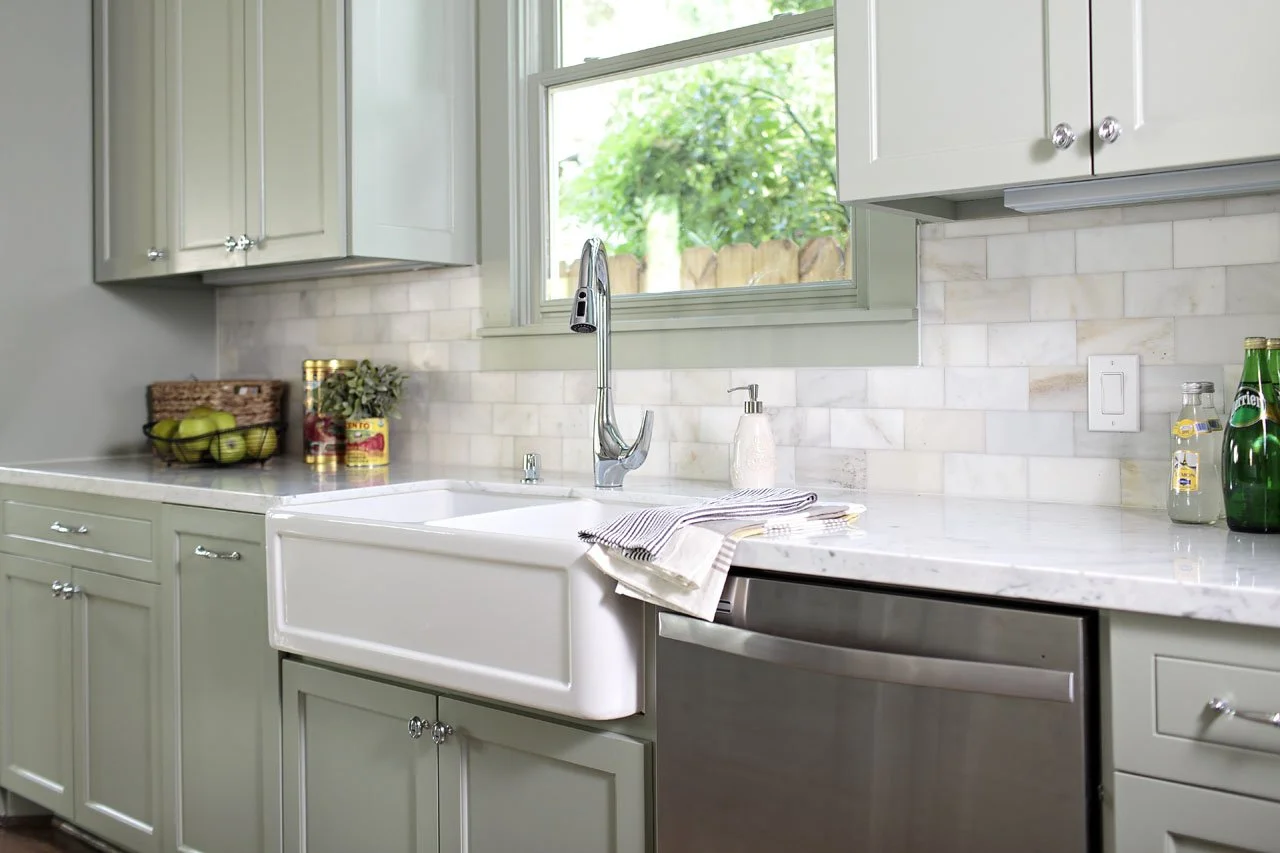
Kitchens: Where Design Meets Daily Reality
Your kitchen isn't just for cooking, it's command central for family life. The best kitchen design balances meal prep efficiency with homework supervision, morning coffee rituals with evening entertaining.
Functional design considerations:
Work triangle optimization for natural movement between sink, stove, and refrigerator
Dedicated zones for different activities (prep, cooking, cleanup, homework)
Strategic storage that puts everyday items within arm's reach
Countertop workflow designed around how you actually cook
Beautiful details that work:
Custom cabinetry with interior organizers that eliminate countertop clutter
Integrated appliances that create clean sightlines
Durable materials chosen for both aesthetics and longevity (quartz that looks like marble, hardwood that hides wear)
Lighting layers: task lighting where you work, ambient lighting for atmosphere
A well-designed kitchen doesn't require you to change your habits, it adapts to them. When I design kitchens for South Denver families, I start by understanding your morning rush, your entertaining style, and whether you're passionate cooks or efficient meal-preppers. The layout follows your life, not generic formulas.
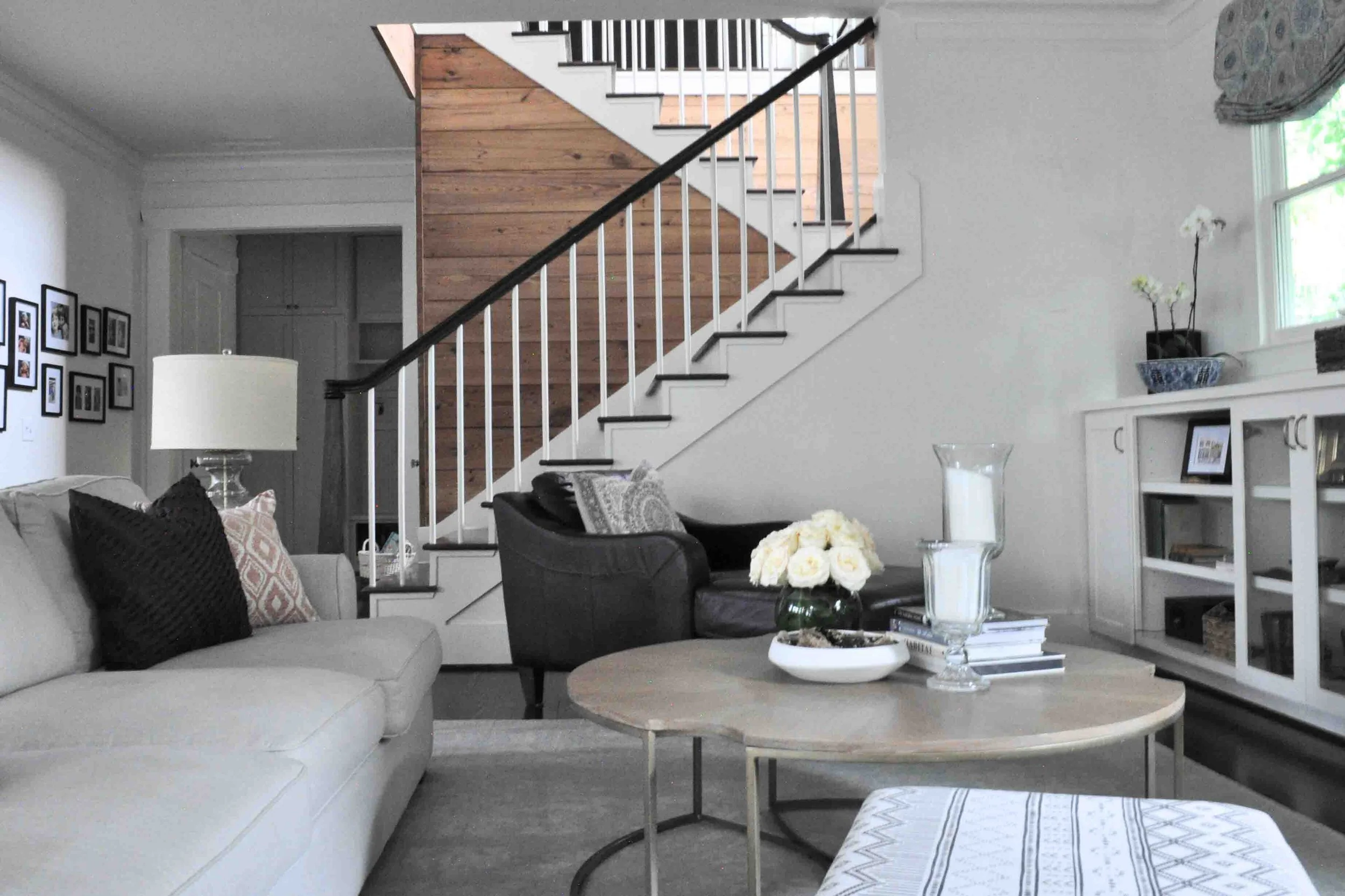
Family Rooms: Spaces That Actually Get Used
The family room paradox: it should be your home's most comfortable space, yet many feel too formal to actually relax in. The solution is designing for real use from the start.
Functional design considerations:
Durable, beautiful materials that handle kids, pets, and daily life (performance fabrics, leather that ages well, wool or natural fiber rugs)
Flexible seating arrangements that work for movie night and hosting friends
Integrated storage for the things that accumulate (toys, throws, books, remotes)
Media integration that doesn't dominate the room's aesthetic
Beautiful details that work:
Built-in shelving that displays collections while hiding clutter
Coffee tables with hidden storage or lift-tops for laptop work
Layered lighting that shifts from bright (game night) to ambient (movie time)
Architectural details like board-and-batten or picture frame molding that add character without taking up floor space
The best family rooms feel effortless because the design anticipates real life. Throw pillows that don't need constant fluffing. Rugs that hide spills. Furniture arrangements that create conversation zones while leaving clear paths for traffic flow.
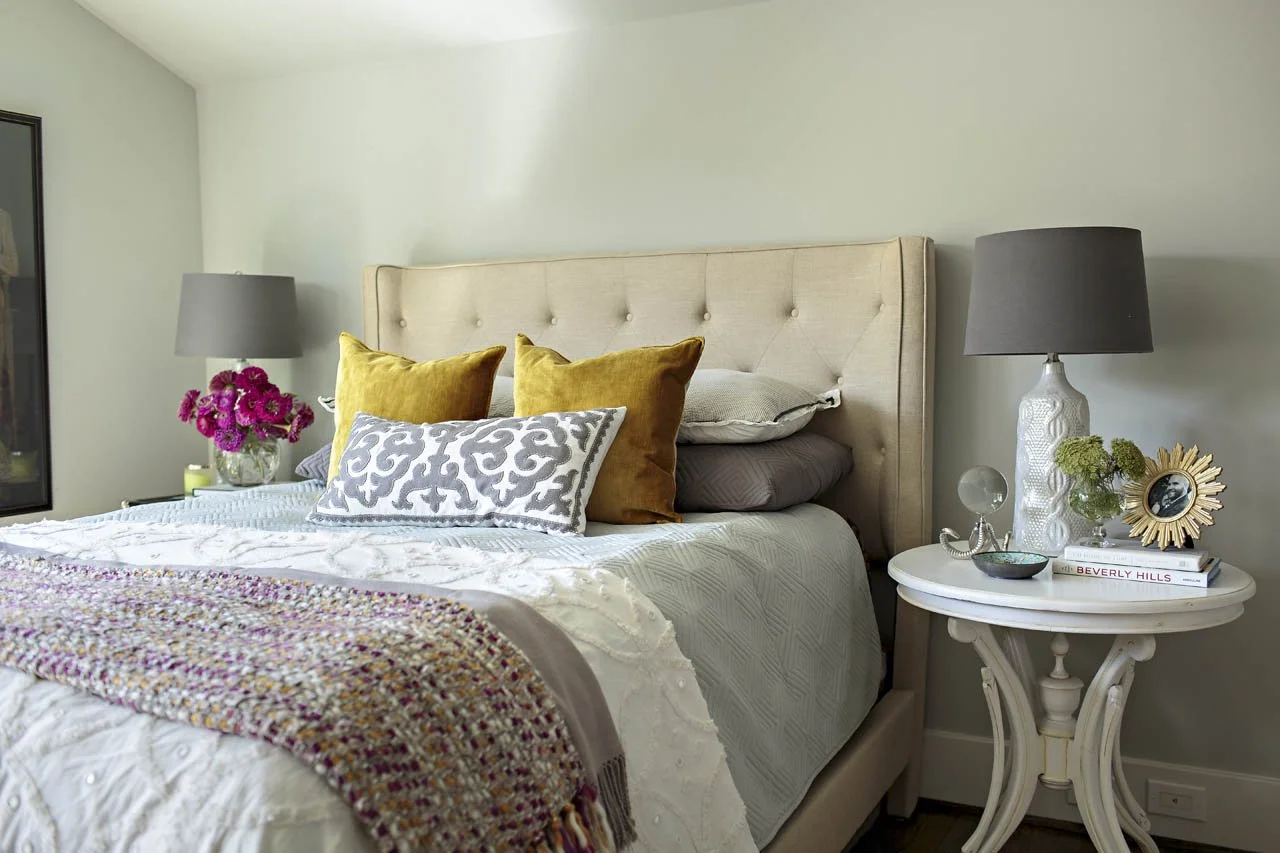
Bedrooms: Designing for Rest and Restoration
Your bedroom should be a retreat; but it often becomes a catch-all for everything that doesn't have a home elsewhere. Thoughtful interior design creates peaceful spaces that actually support rest.
Functional design considerations:
Bedroom layout planning that places the bed for optimal natural light and privacy
Closet systems designed for your actual wardrobe (not generic organizers)
Task lighting for reading without disturbing a partner
Sound management through strategic furniture placement and material choices
Beautiful details that work:
Upholstered headboards that add softness and comfort for reading in bed
Window treatments that provide blackout capability without looking institutional
Nightstand solutions with charging stations and reading light integration
Textural layering (linen, velvet, wood, metal) that creates visual warmth
Primary bedrooms for busy professionals need dedicated space for morning routines; a sitting area for coffee and email, proper lighting for getting dressed, perhaps a small desk. Guest bedrooms should feel hotel-like: everything a visitor needs without clutter. Kids' bedrooms must adapt as they grow, with flexible furniture and storage that evolves from toys to sports equipment to college prep.
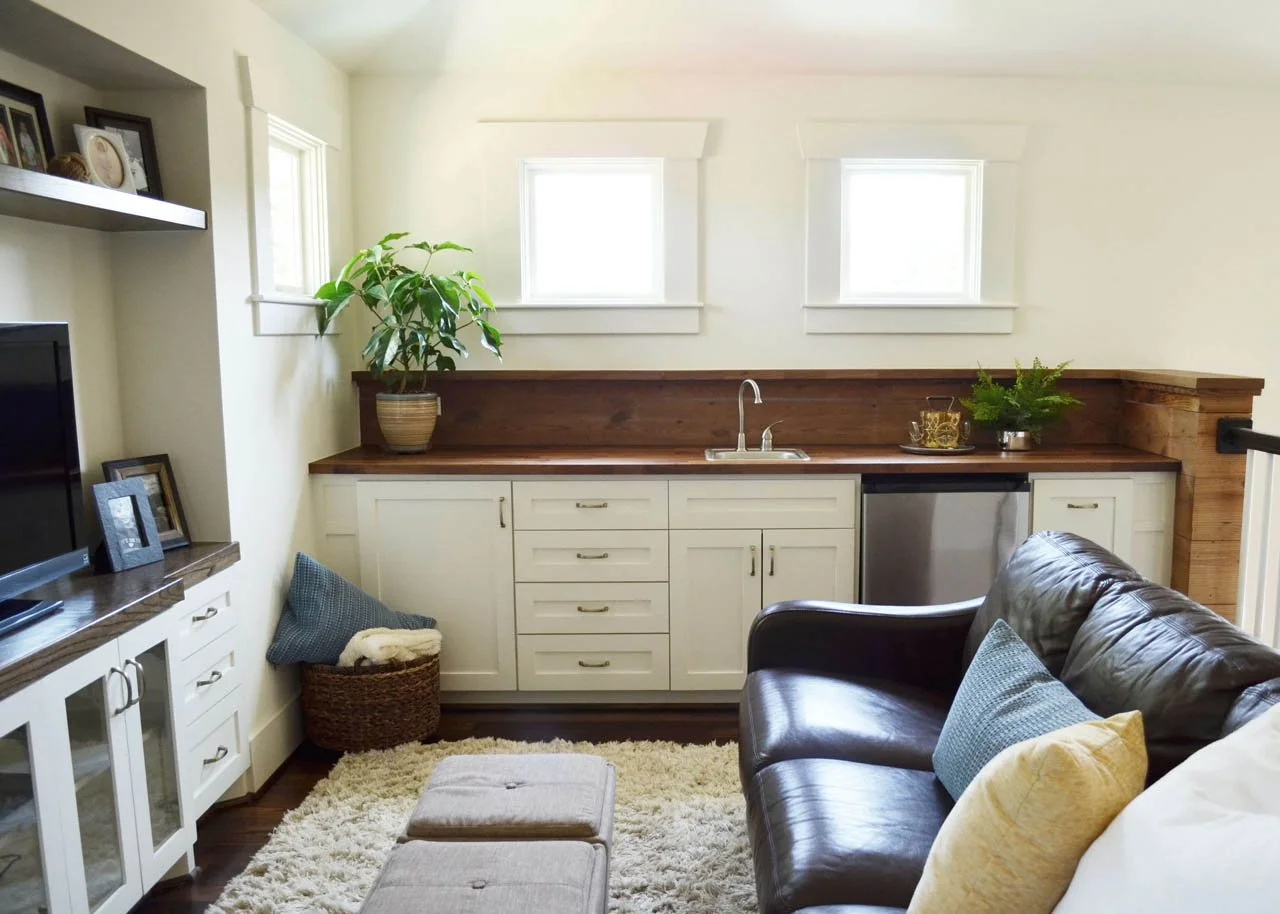
Basements: Unlocking Hidden Potential
Basements are often homes' most underutilized spaces; dark, cold, used for storage instead of living. Professional interior design transforms them into functional rooms that feel as finished as the main floor.
Functional design considerations:
Ceiling height solutions that maximize the feeling of space (recessed lighting, painted-out mechanicals)
Natural light maximization through egress windows, light wells, or strategic artificial lighting
Temperature and moisture control with proper materials and HVAC planning
Multi-purpose zoning for diverse activities (media room, gym, guest suite, play area)
Beautiful details that work:
Luxury vinyl plank flooring that looks like hardwood but handles basement moisture
Built-in entertainment centers that integrate technology seamlessly
Acoustic panels disguised as decorative wall elements
Architectural details (coffered ceilings, wainscoting) that add character often missing in basement spaces
The best basement renovations don't feel like basements at all. They feel like intentional, finished living spaces. I've transformed South Denver basements into everything from home theaters to guest suites to teenage hangouts; each designed specifically for how that family wanted to use the space.
The Jamie House Design Approach
Every room in your home should support how you live while reflecting who you are. That's where architectural expertise meets interior design.
With a minor in architecture and 20+ years designing homes internationally, I approach every project by understanding both the structure of your space and the rhythm of your daily life. I don't impose a signature style, I create spaces that feel authentically yours, just elevated.
Whether you're renovating a 1970s Centennial ranch, furnishing new construction in Castle Pines, or updating a historic Littleton home, the question is always the same: How do you want to live here?
Ready to Transform Your Space?
If you're in Centennial, Highlands Ranch, Castle Pines, Littleton, or surrounding South Denver suburbs, I'd love to help you create rooms that work as beautifully as they look.
Three ways to work with me:
Design Consultation ($500+) — 2-3 hour in-home session with design direction, material guidance, and contractor recommendations. Perfect for homeowners managing their own projects.
Partial Design Services ($8,000-$35,000) — Professional design for specific phases (kitchen design, space planning, finish selections) while you manage procurement and installation.
Full-Service Design ($30,000-$100,000+) — Complete project management from concept through installation, including architectural planning, custom millwork, contractor coordination, and final styling.
Schedule a consultation or call to discuss your project.
About Jamie House Design
Based in Centennial, CO, Jamie House Design brings 20+ years of international design experience to South Denver homes. With architectural training and a commitment to understanding how families actually live, Jamie creates spaces that are both beautiful and deeply functional.
Related Articles: