Building New vs. Renovating in Centennial & South Denver: A Designer's Guide
You've outgrown your current home. The kitchen is too small, the layout feels closed off, and you're daydreaming about spaces that actually work for how your family lives now. So here's the big question: Do you build new, or do you renovate what you have?
It's one of the most common dilemmas I hear from clients in Centennial, Highlands Ranch, Castle Pines, and Littleton. And honestly? There's no one-size-fits-all answer. The right choice depends on your budget, your timeline, your neighborhood, and what you're actually trying to achieve.
Let me walk you through both options so you can make a confident decision.
The Appeal of New Construction
There's something magical about starting with a blank slate. New construction means you get to design a home that's built specifically for your life; no compromises, no "working around" existing walls or outdated systems.
Why People Choose New Construction
Complete customization
Every room, every closet, every outlet placement is designed around how you live. Need a mudroom that handles sports gear and backpacks? A kitchen island sized for your entertaining style? A primary suite on the main floor for aging in place? You decide it all from the beginning.
Modern systems and efficiency
New homes come with current building codes, which means better insulation, energy-efficient windows, modern HVAC systems, and smart home wiring. Your utility bills will likely be lower, and maintenance headaches significantly reduced for the first decade.
No surprises (if done right)
When you work with a qualified builder and designer from the start, you know exactly what you're getting, and what it will cost. There are no hidden structural issues, no asbestos remediation, no "we found something behind the walls" moments.
Perfect for growing families
If you're planning to stay in your home for 15+ years and want a space that adapts as your kids grow (or as you transition into retirement), new construction offers that long-term flexibility if it’s planned correctly from the beginning.
The Realities of New Construction
Higher upfront investment
In South Denver, new custom builds typically start around $400–$600 per square foot, depending on finishes and location. A 3,000-square-foot home could easily run $1.2M–$1.8M+ before land costs. If you're in Castle Pines or certain Highlands Ranch neighborhoods, expect the higher end of that range.
Longer timeline
From land purchase to move-in, you're looking at 16–20 months minimum. Design, permitting, and construction all take time; and weather, material availability, or permit delays can extend that further.
Decision fatigue is real
You'll make hundreds of choices: tile, paint, cabinet hardware, light fixtures, countertops, flooring, doorknobs. It's exciting but exhausting. Having an interior designer guide you through this process is invaluable; they help you make decisions that work together cohesively, not just individually.
You'll need somewhere to live during the process
Unless you already own land or are selling your current home with flexible timing, you may need temporary housing while your new home is built.
The Case for Renovation
Renovating your existing home can be just as transformative as building new, especially if you love your neighborhood, your lot, or the architectural character of your current house. I've seen 1970s Centennial ranches and historic Littleton homes become stunning, functional spaces through thoughtful renovation.
Why People Choose Renovation
You stay in the neighborhood you love
Maybe you're two blocks from great schools. Maybe your kids have lifelong friends on the block. Maybe you've spent years cultivating your backyard. Renovating lets you keep all of that while getting the home you need.
Often more cost-effective (but not always)
Renovations typically cost $200–$400 per square foot depending on scope. A $150K–$300K kitchen and main floor renovation can completely transform how your home functions without the price tag of new construction.
Faster than building from scratch
Most renovations take 6–8 months from design to completion. Even a major whole-home remodel construction usually wraps up in under a year. You're back in your home (or moved in, if you stayed elsewhere) much faster than new construction.
Preservation of character
If you have a historic Littleton bungalow or a classic Centennial ranch with great bones, renovation lets you keep the charm while updating function. I love projects where we preserve original hardwoods, expose beautiful brick, or work within interesting architectural details that new construction simply can't replicate.
Smaller environmental footprint
Reusing your existing structure is inherently more sustainable than building from scratch. If environmental impact matters to you, renovation is the greener choice.
The Realities of Renovation
Hidden surprises can blow budgets
Once walls come down, you might discover outdated wiring, plumbing issues, foundation cracks, or mold. Even with a thorough inspection beforehand, renovations often uncover problems that add 10–20% to your budget. Always build in a contingency fund.
You're working within existing constraints
You can't always get exactly what you want. Structural walls limit layout changes. Ceiling heights are fixed. Window placement is constrained. Sometimes the compromises are minor; other times they're deal-breakers.
Living through construction is challenging
If you stay in your home during a renovation, expect dust, noise, and disruption. But here's what many homeowners don't realize: contractors often add 10–15% to the project cost when families remain in the home during a full renovation. Why? Daily cleanup becomes more extensive, parking can be limited for subcontractors and material deliveries, and work schedules may need to accommodate your family's routine (waiting until you leave for work, pausing during nap times, or avoiding early morning noise). These accommodations slow progress and increase labor costs. Even if you move out temporarily, coordinating timing and logistics adds stress. Kitchens and bathrooms are particularly tough to live without; and trying to cook in a makeshift setup or share one bathroom among four people tests everyone's patience.
Permits and approvals can be tricky
Especially in historic districts (parts of Littleton, for example), you may face restrictions on what you can change. Even in non-historic areas, additions and structural changes require permits, inspections, and sometimes neighborhood HOA approvals.
Breaking Down the Costs: What to Expect
Let's get specific about budgets, because this is where many families get stuck. Here's what I typically see in South Denver:
New Construction Budget Breakdown
Land: $200K–$600K+ (depending on location and lot size)
Design & Architecture: $20K–$50K
Construction: $400–$600/sq ft
Interior Design & Furnishings: $50K–$150K+
Example: A 3,500 sq ft custom home in Castle Pines:
Land: $400K+
Design: $40K+
Construction: $1.75M (at $500/sq ft)
Design & furnishings: $100K+
Total: ~$2.3M+
Renovation Budget Breakdown
Design & Planning: $10K–$30K+
Construction: $200–$400/sq ft (depending on scope)
Contingency: Add 15–20% for unknowns
Example: Whole-home renovation of a 2,800 sq ft Centennial ranch:
Design: $30K+
Construction: $560K (at $200/sq ft for major updates)
Contingency: $85K+
Total: ~$665K+
Example: High-end kitchen and primary suite remodel:
Design: $30K+
Kitchen: $120K+
Primary suite: $80K+
Contingency: $30K+
Total: ~$260K
How to Decide: Ask Yourself These Questions
Still not sure which path is right for you? Here's how I help clients think it through:
Choose New Construction If:
You need significantly more square footage than you currently have
Your lot or neighborhood no longer fits your lifestyle
You want a completely custom home designed around your exact needs
Your current home has major structural or systems issues that would cost nearly as much to fix as building new
You're planning to stay in this home for 15+ years
You have the budget and timeline flexibility for a longer process
Choose Renovation If:
You love your neighborhood, schools, and community
Your home has good bones and a layout that can be adapted
You need to update finishes, systems, or specific rooms rather than changing the entire footprint
You want to be back in your home within 6–12 months
Your budget is $600K or less for the project
You value the character and charm of your existing home
Still Unsure? Consider a Hybrid Approach
Some families do a major renovation now (kitchen, primary suite, main living spaces) and plan for an addition later. Or they renovate their current home while they search for land and plan new construction, giving them time and flexibility to get everything right.
The Designer's Role in Both Scenarios
Whether you build new or renovate, working with an interior designer early in the process makes a massive difference. Here's why:
For New Construction:
Before permits are pulled, a designer can review floor plans to:
Optimize layouts for how you actually live
Ensure furniture (existing and future) fits properly
Plan built-in cabinetry and storage where it matters most
Design electrical and lighting layouts that support your routines
Coordinate with your builder on finish selections and timelines
Starting with a designer means your new home is functional and beautiful from day one, not just builder-grade that you "fix" later.
For Renovations:
A designer helps you:
Maximize your existing footprint without costly additions
Navigate structural limitations creatively (where walls can't move, how to work with ceiling heights, etc.)
Avoid expensive mistakes like ordering the wrong size appliances or choosing materials that won't work with your subfloor
Coordinate with contractors to ensure the design vision is executed correctly
Make the most of your budget by investing in the right places and saving where it doesn't matter
Many clients tell me they wish they'd brought me in sooner. The earlier a designer is involved, the fewer costly changes you'll make mid-project.
Common Mistakes to Avoid
After 20 years and projects across three continents, I've seen these mistakes repeatedly. Here's what to watch out for:
New Construction Mistakes:
Not involving a designer until after the floor plan is final and construction has begun. By then, it's often too late to optimize layouts or plan built-ins properly and the Builder is very hesitant to make changes as they add to cost and can cause delays.
Underestimating how long decisions take. If you're indecisive or very busy, build in extra time; or hire a designer to narrow choices for you.
Choosing a builder based only on price. The lowest bid often means cut corners or change orders that end up costing more.
Forgetting about landscaping and outdoor spaces in the budget. You need 10–15% of your total budget for this.
Renovation Mistakes:
Not having a realistic contingency fund. Expect 15–20% of your budget to go toward surprises. If you don't have it, don't start the project.
Doing too much DIY to "save money." Unless you're truly skilled, DIY often costs more when professionals have to fix mistakes.
Living in the home during major work without a plan. Have a strategy for meals, bathing, and sanity breaks. Sometimes it's worth renting a short-term place.
Changing your mind mid-project. Every change order adds cost and delays. Make decisions during design, not during construction.
The Bottom Line
New construction gives you complete control and a home designed specifically for your life, but it requires a larger budget and longer timeline. Renovation lets you transform your existing home more affordably and quickly, but you'll work within existing constraints and deal with some unknowns.
Neither choice is "better", it's about what works for your family, your budget, and your goals.
And here's the most important thing: whichever path you choose, bring in an interior designer early. We help you avoid expensive mistakes, make cohesive decisions, and create a home that's both beautiful and functional. After designing homes from Berlin to Shanghai to South Denver suburbs, I can tell you the best projects—new or renovated—start with a clear vision and a team that understands how you actually want to live.
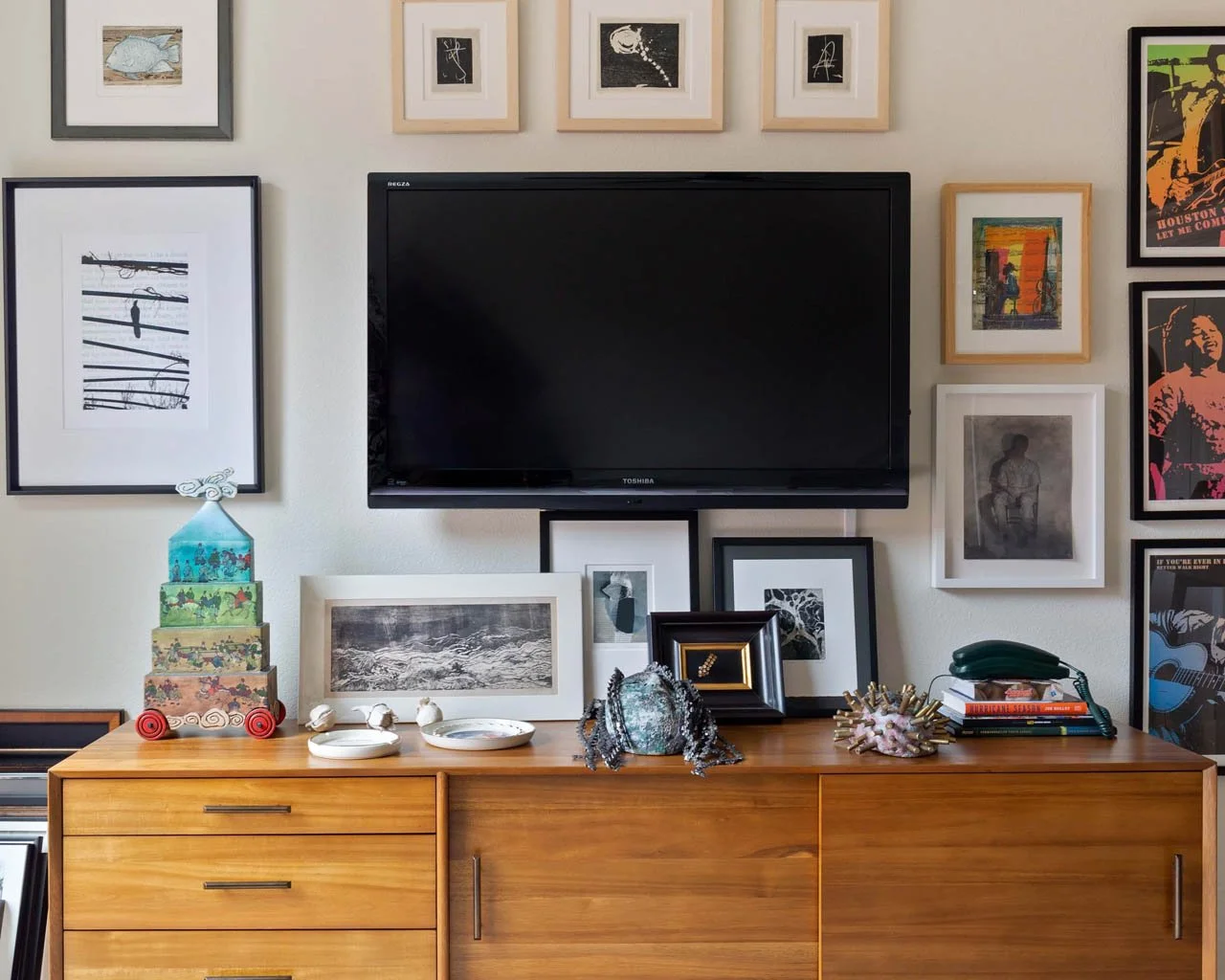
View more from this Centennial modern home renovation project →
Ready to Explore Your Options?
Whether you're leaning toward new construction or renovation, I'd love to help you think through what makes sense for your family and budget.
Three ways to work with Jamie House Design:
Design Consultation — $500+
2-3 hour in-home session with design direction, layout advice, and realistic budget guidance. Perfect for families who need expert direction before committing to a project.
Partial Design Services — $5,000–$25,000+
Professional design for specific phases (kitchen, primary suite, space planning) while you manage contractors and procurement. Great for capable homeowners who want design expertise without full-service management.
Full-Service Design — $25,000–$100,000+
Complete project management from concept through installation. I handle architectural planning, contractor coordination, all selections, procurement, and final styling. You get a cohesive, move-in-ready home.
Serving: Centennial, Castle Pines, Highlands Ranch, Littleton, Cherry Hills Village, Greenwood Village, and Lone Tree.
Schedule a consultation or call to discuss your project.
About Jamie House Design
With 20+ years of international design experience and a minor in Architecture from Texas Tech, Jamie House brings both creative vision and technical expertise to every project. Based in Centennial, she works exclusively within South Denver suburbs, bringing a global design perspective to the neighborhoods she calls home.
Related Articles: