From Shanghai to Berlin to Houston to Centennial: What 23 Years Taught Me About How I Want to Work
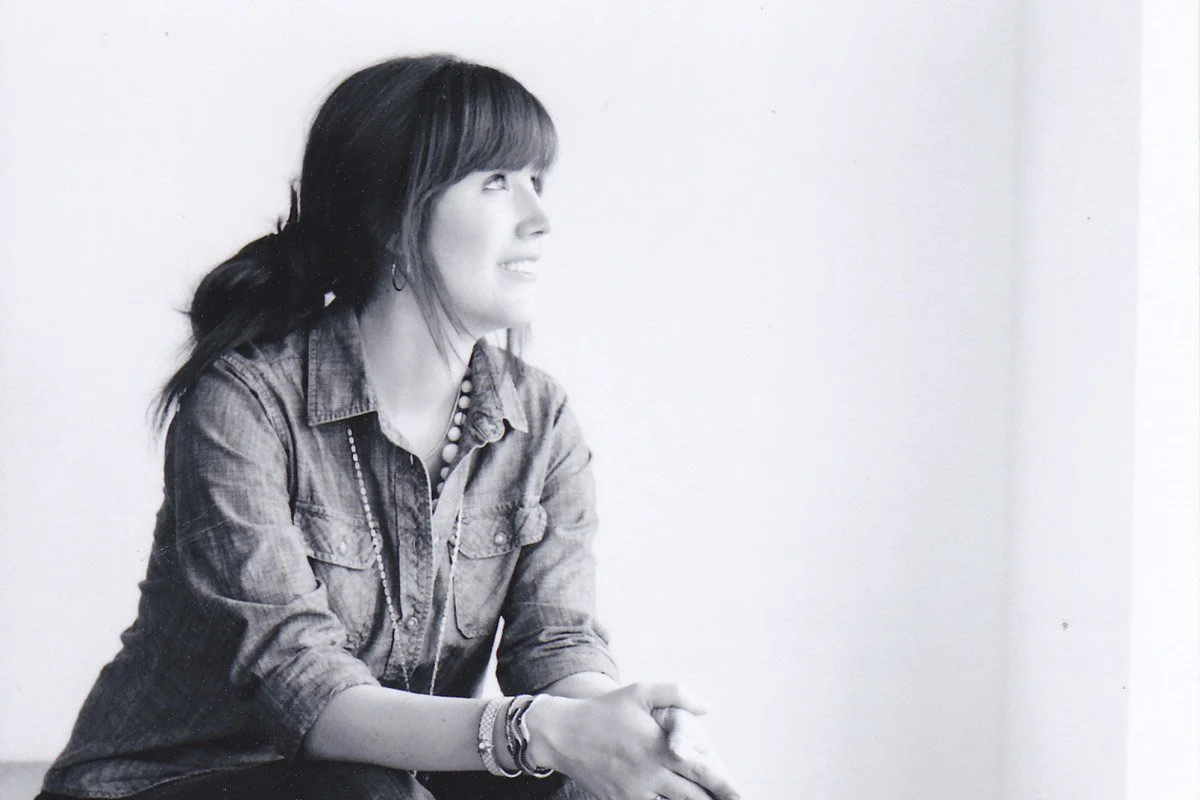
I started my design firm designing homes in China.
Not the origin story most people expect from a designer working in Centennial, Colorado, but that's where it began. American-style subdivision homes in Wuxi. Clubhouse amenity levels in Shanghai high-rises. Learning to source globally, work with fabricators across continents, and understand that while good design is universal, context is everything. A home in Shanghai requires completely different thinking than a home in Houston, even when both families want the same thing: a space that's beautiful and actually works for how they live.
Twenty-four years later, I'm designing homes exclusively within 20 minutes of my house in Centennial. The arc from there to here isn't random. It's the story of figuring out, slowly and sometimes expensively, what kind of work I do best and love.
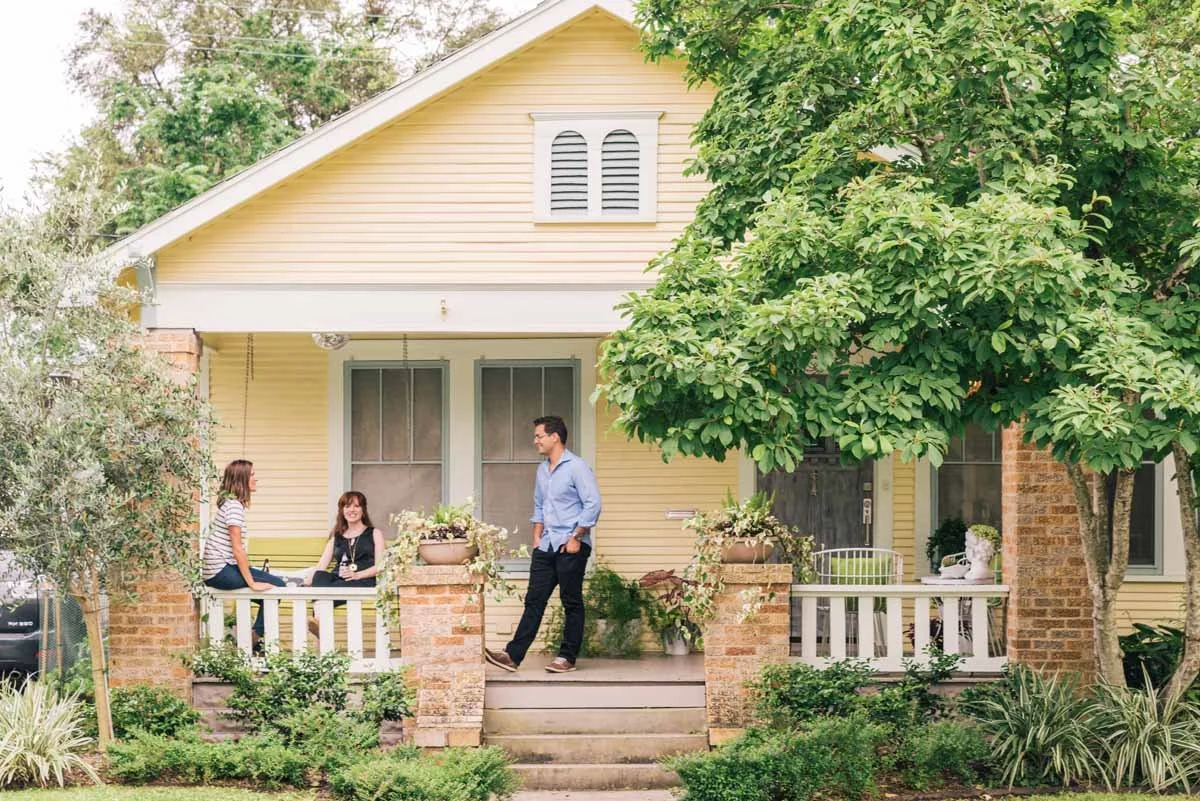
A project from my years in Houston's Heights neighborhood; the historic district work that shaped how I think about older homes today.
Houston: Learning what hyperlocal means
When I moved back to the US and started building a practice in Houston, I focused deliberately on the Heights; the historic neighborhood where I lived. 1920s bungalows with pier-and-beam foundations, historic district restrictions, original millwork worth preserving and sometimes worth fighting the city to keep. I've always been drawn to homes with real history, and The Heights had more of it per block than almost anywhere I've worked.
I spent two years getting approvals for one renovation. I learned the neighborhood the way you only learn a place by working in it constantly; which contractors could execute difficult historic work, which walls to fight for and which to let go, how to modernize a 1924 kitchen without erasing the reason the house was worth saving in the first place.
That focus worked. The business grew because I understood the specific challenges of Heights homes in a way someone driving in from across town never could. It was the first time I understood that geographic concentration wasn't a limitation. It was an advantage.
Berlin: What remote work taught me about presence
In 2017 my family moved to Berlin. I thought I'd build a practice there. German industry regulations made that nearly impossible without fluency, especially with a small child, so I kept my Houston clients and worked their projects from 5,000 miles away.
My design assistant managed installations and contractor meetings on the ground. I flew back several times a year. The projects turned out well. Clients were happy.
But I understood something clearly by the end of it: there's a difference between doing good work remotely and doing great work in person. And the difference lives in the moments you can't plan for.
The conversation that happens when you're standing in someone's kitchen watching them cook and you realize the problem isn't what they said it was. The contractor call where a real-time decision gets made that affects the entire project trajectory. The afternoon light hitting a newly opened room that changes what you specify for window treatments. None of that happens over Zoom.
Berlin gave me access to design markets I wouldn't have found otherwise; German and Scandinavian showrooms, fabricators, material suppliers that expanded my sourcing for years afterward. I learned a tremendous amount. I also learned I didn't want to work that way.
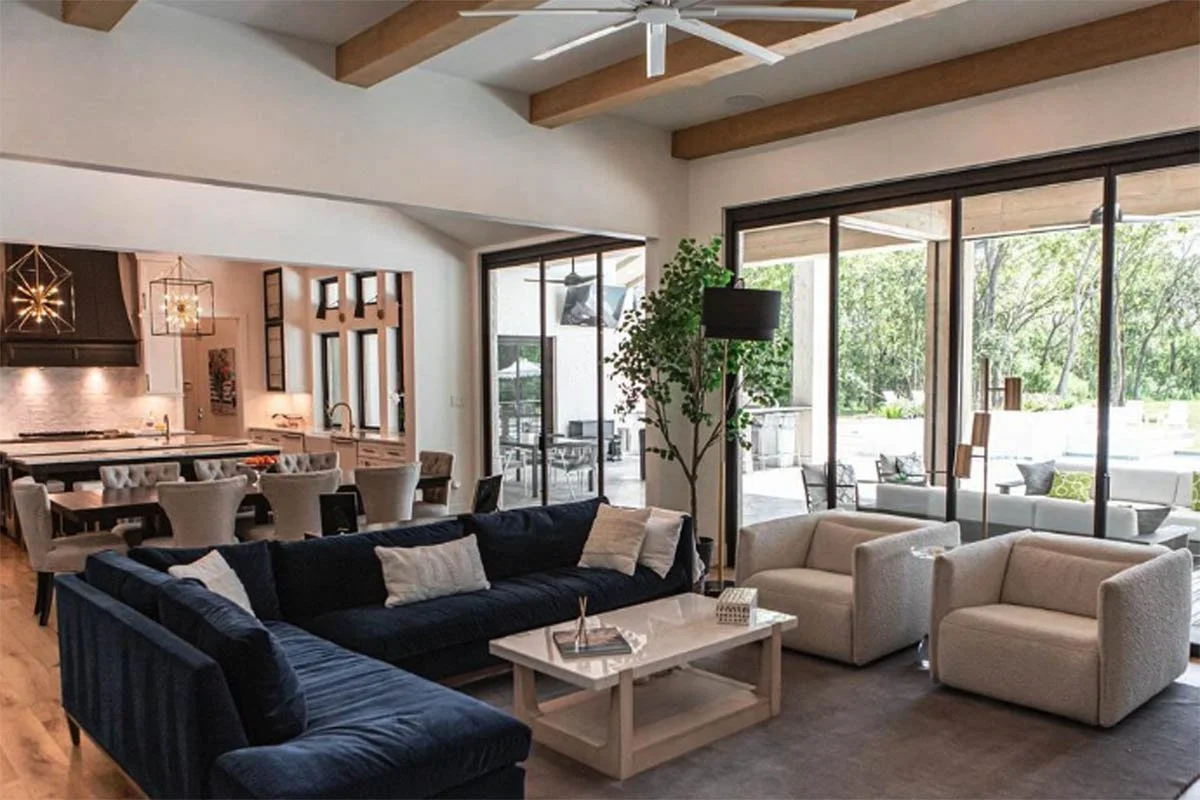
The projects I'm most interested in aren't the dramatic mountain builds. They're the ones that serve how people actually live.
Colorado: The longer road back to independence
We moved to Centennial in 2021. I joined an architecture firm, high-end mountain homes, sophisticated clients, an impressive portfolio on paper.
The reality didn't match. The work was beautiful but the problems being solved weren't the ones that interest me. I want to understand how families actually live, where the friction is in their daily routines, what will hold up for decades versus what photographs well and fails by year three. That's a different kind of design than what I was doing, and the gap became impossible to ignore.
I left at the end of 2024 to rebuild my independent practice.
What I'm doing now, and why
After two decades working across three continents, I made a decision that might look like scaling back but feels like the opposite: I work exclusively in the South Denver suburbs, within 20 minutes of my home in Centennial.
Part of this is honestly selfish. A designer who isn't driving two hours round-trip to a mountain job site is a designer who shows up to your project clearheaded, unhurried, and thinking about your decisions rather than the traffic on I-70. I'm more useful to you when I'm not exhausted. The projects I take on within my radius get my full attention, not the attention left over after a long commute.
But the bigger reason is that I genuinely love it here, and I think the suburbs get a reputation they don't deserve.
People talk about the Denver suburbs like they're a compromise; like the real design work happens in mountain towns or downtown lofts and out here in Centennial and Highlands Ranch and Littleton it's just cookie-cutter houses that aren't worth the effort. I couldn't disagree more. These neighborhoods give an extraordinary quality of life. Great schools, real community, easy access to mountains and trails and everything Colorado offers. The people who live here are interesting, their lives are full, and their homes; the bones of them, are genuinely good.
A 1985 Centennial ranch with a closed floor plan isn't a lost cause. It's an opportunity. Open the right wall and you have a kitchen that finally connects to where the family gathers. Raise the ceiling in one room and the whole house breathes differently. Update the finishes thoughtfully and a house that felt dated feels considered. These homes have real structural quality underneath the builder-grade surfaces; they were built to last, and they respond beautifully to good design.
What I've found is that homeowners here often don't know what's possible. They've looked at their house for so long that they've stopped seeing it. They assume the floor plan is fixed, the bones are what they are, the best they can do is new countertops and fresh paint. And then the project happens and they walk into something they couldn't have pictured; a home that doesn't just look better but actually works better for how they live. The kitchen that used to fight them now makes cooking feel easy. The primary suite that was technically fine now actually feels like a retreat.
That's the work I want to do. Not because it's the only design work worth doing, but because it's the work I find most meaningful, and because these houses and the people who live in them deserve it.
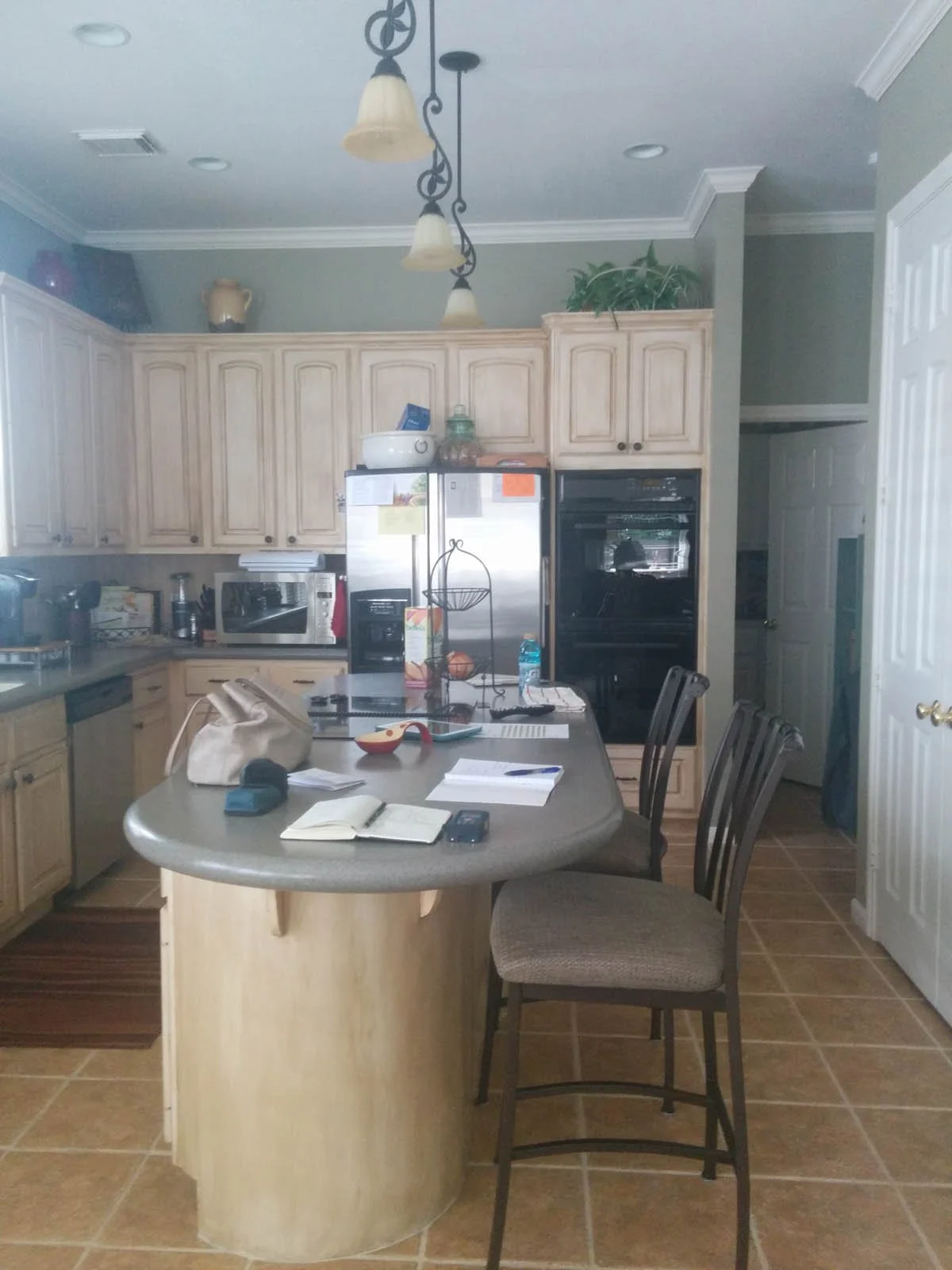
A Highlands Ranch kitchen before the redesign and remodel.
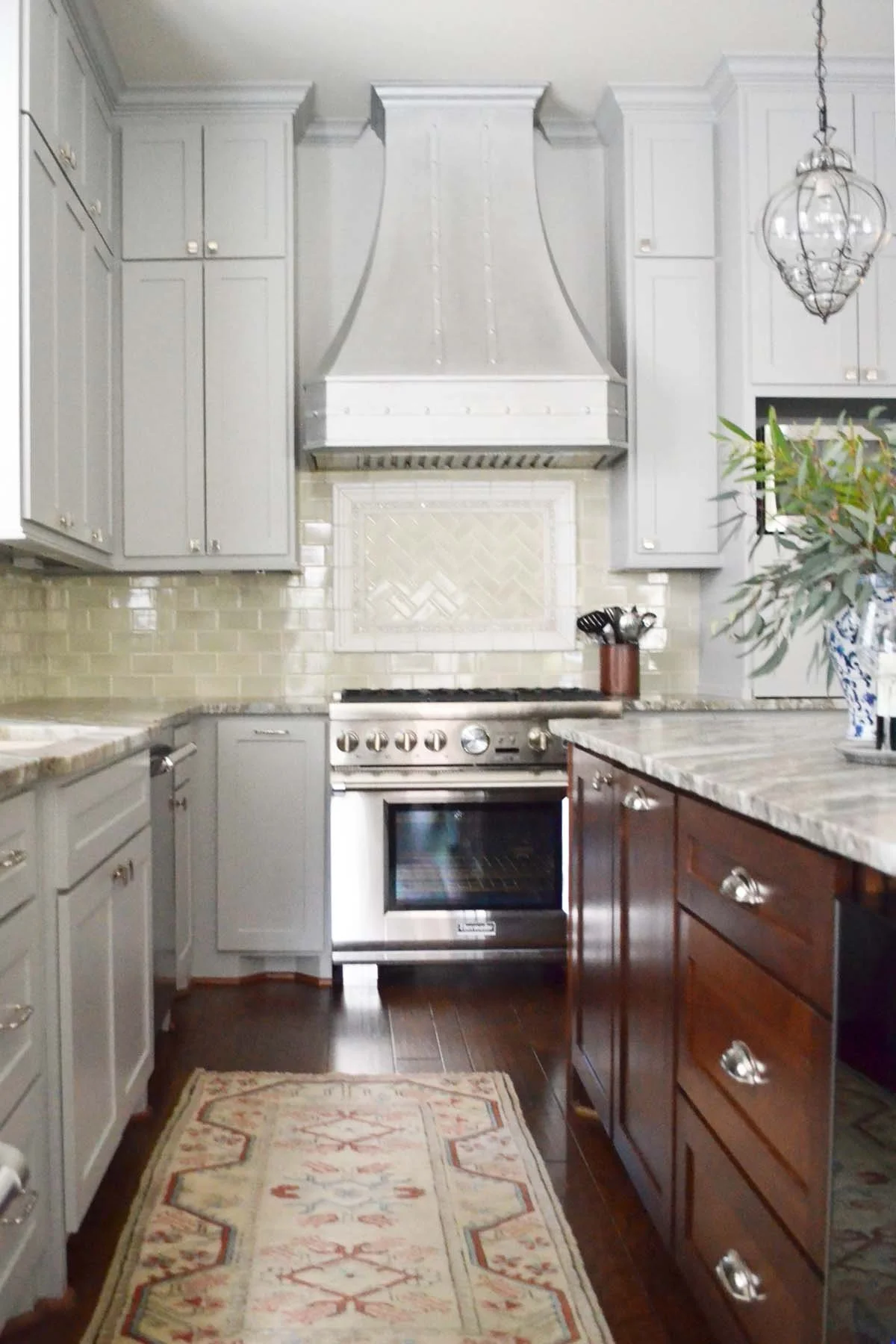
The kitchen after Jamie House Design reworked the layout and designed new cabinets, etc to create a classic and modern kitchen that feels at home in the Highlands Ranch home.
What 23 years left me with
Global sourcing is a real asset. Shanghai taught me to work with fabricators across continents. Berlin expanded my vendor network in ways I still draw on. That capability is in every project I take on now; the ability to find the right thing regardless of where it comes from.
But presence matters more than range. Remote work taught me that the conversations that change a project happen in person, unscheduled, when you're actually there.
Architectural training compounds over time. My minor in Architecture from Texas Tech matters more now than when I graduated. Reading construction drawings, understanding structural systems, coordinating with contractors in their own language, that's what separates a renovation that transforms a home from one that just updates it.
Independent practice serves clients better. Not tied to showrooms or brands. Every recommendation based on what serves the project, sourced from wherever that leads; custom fabricators, trade-only vendors, vintage dealers, Colorado artisans, or a European flea market if that's where the right thing lives.
And hyperlocal commitment isn't a limitation. It's the whole point.
If you're in Centennial, Littleton, Highlands Ranch, Castle Pines, or a nearby area and want to work with someone who knows these neighborhoods specifically; not someone who occasionally passes through, I'd love to hear about your project.
If this was useful, these might be too: