Before You Call a Contractor
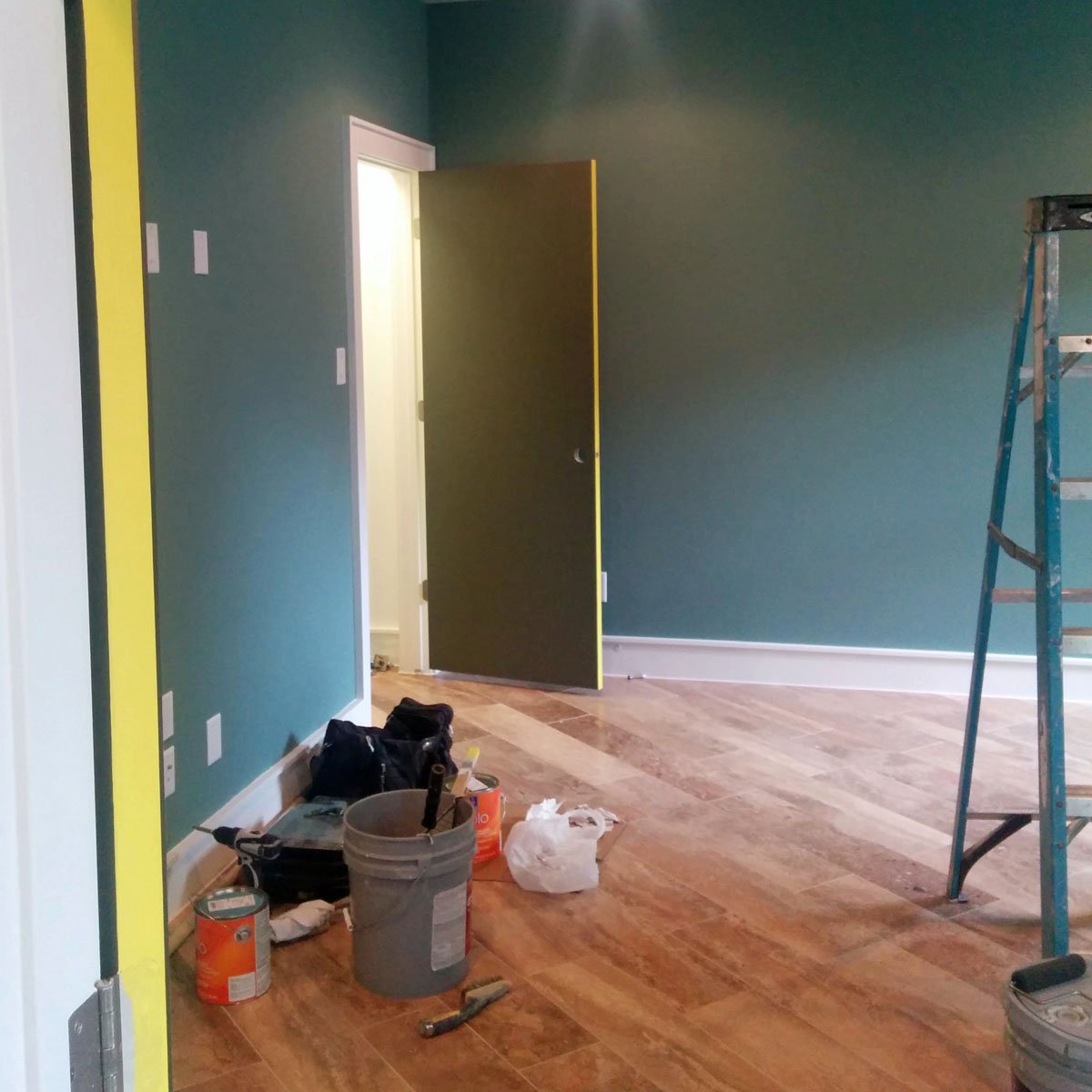
If you don’t hire a designer then the General Contractor is doing the designer’s portion of the work. Make sure your tastes are aligned with theirs in that case.
Most renovations don't go wrong because someone hired the wrong contractor. They go wrong because the homeowner called one before they had answers to questions the contractor was going to ask anyway. And when you don't have an answer ready, the contractor's estimate fills in the blank for you, usually in the direction that costs you the most.
Here's what's worth figuring out first, whether or not you ever work with a designer.
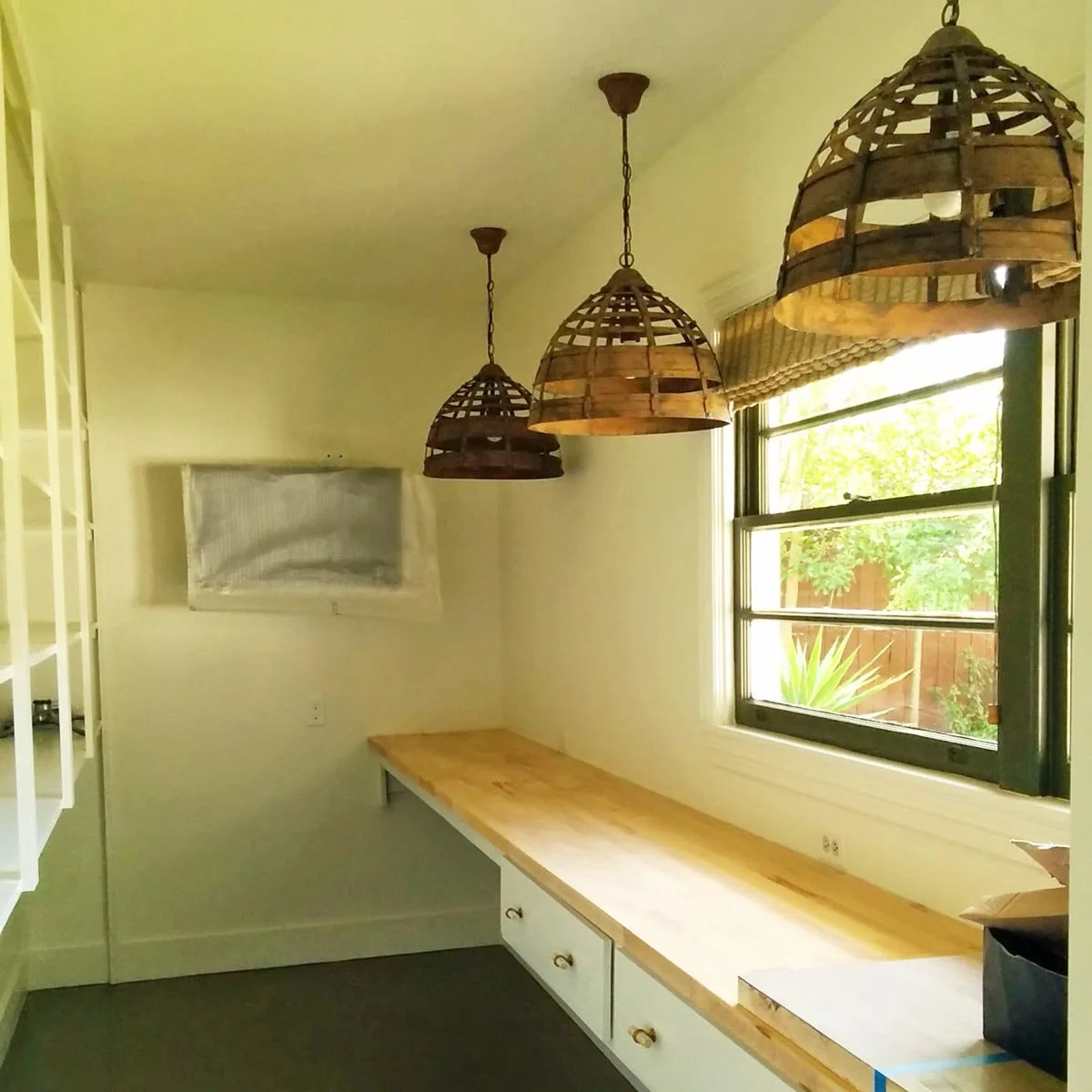
Do you have a design, or just an idea?
"Open concept kitchen" is an idea. A floor plan showing exactly which wall moves, where the island lands, and how the new layout connects to the rest of the house is a design. Contractors price designs accurately. They guess at ideas, and the guess is rarely in your favor.
Do you know the full scope, or is it dependent on what the contractor finds?
If your plan is "gut the kitchen and see what makes sense," you don't have a scope. You have a starting point for a much longer, much more expensive conversation that happens after demolition, when your options have already narrowed and your leverage has already disappeared.
Do you know what you want to invest, or are you waiting to hear a number first?
A contractor without a real number to work against will price to what a kitchen like yours typically costs, not to what you actually want to spend. Walking in with a real range changes the entire conversation, and it's one of the fastest ways to find out if a project needs to shrink before it starts, instead of after the bids come back higher than expected.
Do you know your timeline, or just a hope?
"Before the holidays" is a hope. A realistic timeline accounts for lead times on custom cabinetry, permitting, and the fact that a good contractor is usually booked out further than you'd like. Knowing this before you call means you're not choosing between a rushed job and a contractor who cuts corners to hit your date.
Have you selected your finishes, or are you planning to pick them as you go?
Tile, counters, hardware, plumbing fixtures: contractors want to know these on day one, because they drive the bid. "We'll figure it out as we go" is the single most common source of change orders, and change orders are almost always priced higher than the original decision would have been.
Do you know which walls can move?
This is the one homeowners are least equipped to answer on their own, and it's the one that changes everything else on this list. A wall that looks removable might be load-bearing. A "simple" reconfiguration might require an engineer, a permit, and a very different budget than the one you had in mind.
Are you pricing against real specifications, or a rough allowance?
"Allowance for tile: $8 a square foot" is not a decision, it's a placeholder, and allowances are almost always wrong in the same direction: too low. A contractor pricing from an actual specification can give you a number that holds up. One pricing from an allowance is pricing a guess.
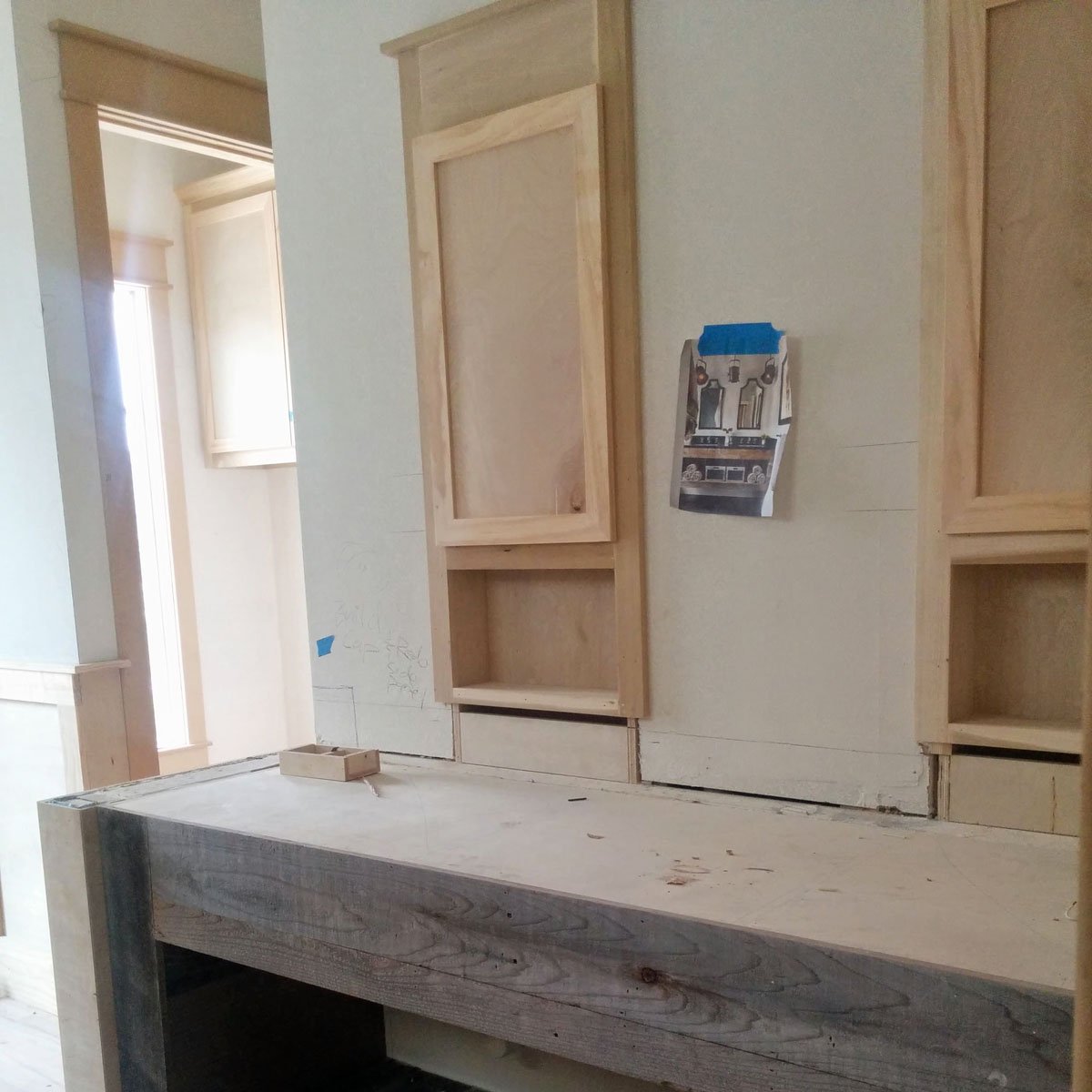
Why This List Matters
None of these questions are hard to answer. What's hard is that most homeowners don't realize they're supposed to have answers before that first call, so they end up answering them live, on the spot, in a conversation where the person asking has every incentive to fill the gaps in his own favor.
This is also, not coincidentally, most of what a design phase actually produces: a real plan, a real scope, real finishes, and an honest read on what the structure allows before anyone picks up a hammer. It's the difference between calling a contractor with a project and calling one with a wish.
If you're not sure where you stand on this list, that's exactly what an in-home design session is for, whether the project turns into full-service design, room design, or just the clarity to call a contractor with real answers in hand.
Before you make that call, I'd love to hear about your project.
If this was useful, these might be too: