Holiday Hosting, the Jamie House Design Way: Warmth, Ease & Elevated Style
There's a particular alchemy to hosting well. It's the moment your guests cross the threshold and exhale, not because the table is perfect, but because it feels like you. The lighting is soft. The air carries warmth. Nothing is trying too hard, yet everything feels considered.
At Jamie House Design, we believe that hosting during the holidays shouldn't feel like performing. Whether you're welcoming family to your Centennial home for Thanksgiving or gathering friends in Littleton for a more intimate celebration, the most memorable gatherings are the ones where the host is present, relaxed, and genuinely enjoying the moment.
That ease doesn't happen by accident. It's the result of thoughtful planning, a clear point of view, and design choices that do the heavy lifting so you don't have to. This year, as you prepare to open your home, consider these two approaches; each beautiful, each achievable, and both rooted in the principle that style should serve life, not complicate it.
Approach One: Relaxed Elegance
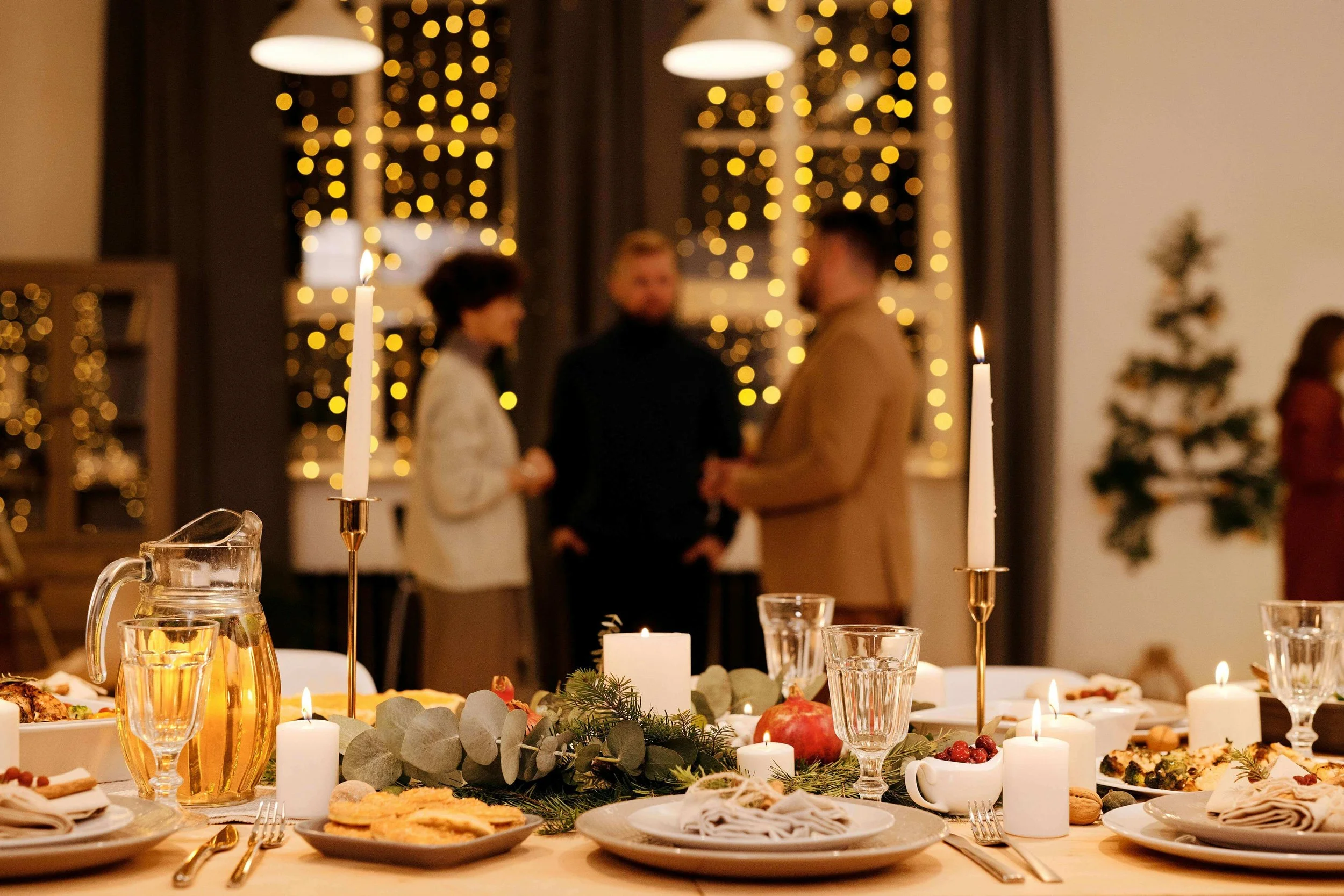
Think of this as the cashmere sweater of hosting. Elevated enough to feel special, but so comfortable that no one—including you—feels the need to tiptoe. This is the Ralph Lauren Thanksgiving: rich textures, warm layers, and an ease that comes from confidence rather than formality.
The Foundation: Natural Textures & Warm Neutrals
Begin with a base of natural materials. Linen table runners in oatmeal or warm gray. Worn leather chairs at the head of the table. Wooden serving boards that carry both function and patina. The palette is restrained; cream, camel, sage, and the deep brown of a well-loved saddle, allowing the food itself to become the color story.
This approach thrives on texture rather than pattern. A chunky knit throw draped over the back of a dining chair. Woven placemats layered beneath simple white plates. The play of matte and gloss, rough and smooth, creates visual interest without demanding attention.
The Table: Effortless Layers
Set your table the day before. There's no reason to rush this. Use white or cream dishes, something classic that won't date in photographs or memory. Layer in vintage brass candlesticks or wooden taper holders. If you have heirloom silver, this is the moment. If not, simple flatware in a matte finish feels equally grounded.
For centerpieces, resist the urge to over-design. A low arrangement of seasonal greenery; eucalyptus, olive branches, or even clippings from your yard, feels more honest than forced florals. Tuck in a few mini pumpkins or winter squash if the mood strikes, but keep everything low enough that conversation flows uninterrupted.
Cloth napkins, always. Linen in natural tones, perhaps tied with leather cord or simple twine. If you're using place cards, write them by hand on small kraft paper tags. The imperfection is part of the charm.
The Lighting: Soft & Layered
Overhead lighting should be dimmed or, better yet, turned off entirely. Rely instead on candlelight; tapers in varying heights along the table, votives clustered on the sideboard, perhaps a pillar or two on the mantel. If your dining room has sconces, set them to a warm, low glow.
The goal is to create pockets of light rather than even illumination. Shadows aren't something to eliminate; they're what makes a space feel intimate. By the time your guests arrive, the room should feel like it's glowing from within.
The Details That Matter
Music should be present but not prominent. A playlist of instrumental jazz or acoustic folk, something that adds warmth without competing for attention. Nothing too recognizable. Nothing that will pull focus from the conversation.
Scent, used sparingly. A single candle in the entry, something woody or spiced, never sweet. By the time guests reach the dining room, the only scent should be from the food.
Have drinks ready when people arrive. A signature cocktail keeps things simple: perhaps a bourbon-based old fashioned or a sparkling wine with a sugar cube and bitters. Offer it as they walk in, before coats are even fully removed. This signals that the evening has begun and you're already in hosting mode, not scrambling.
What to Wear
Your clothing should echo the table. Cashmere in camel or cream. A silk blouse tucked into high-waisted trousers. Loafers or low heels—something you can stand in comfortably for hours. If you're wearing an apron while finishing last-minute details, make it linen in a neutral tone. Even your work should look considered.
Approach Two: Elevated & Intentional
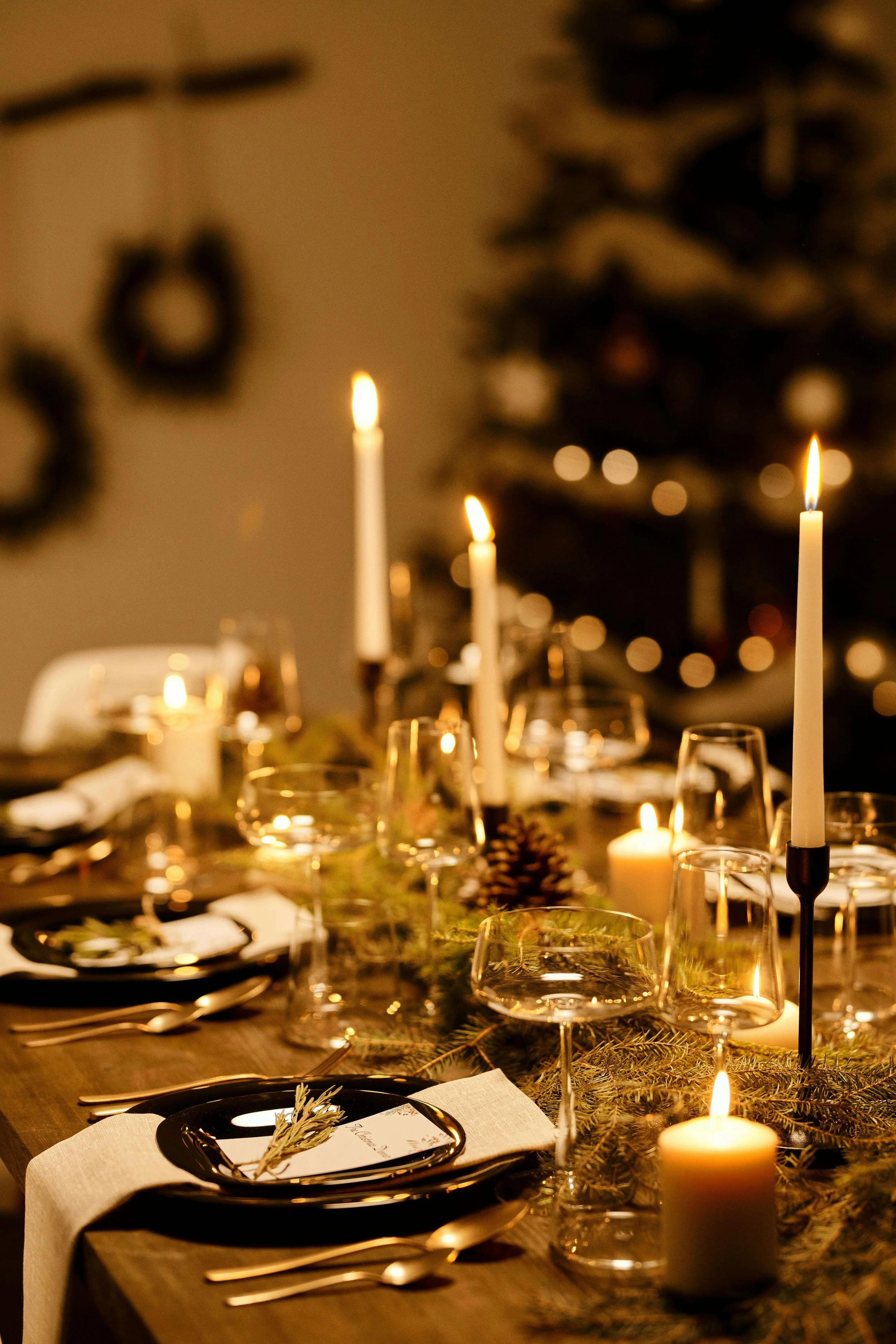
This is the hosting style for those who love the ceremony of it. It's more polished, more layered, and requires additional planning; but the result is a Thanksgiving that feels like an event. Not stuffy, but decidedly special. The kind of gathering people remember and reference for years.
The Foundation: Considered Color & Pattern
Here, you can introduce more color. Deep jewel tones work beautifully for fall; emerald, sapphire, burgundy, or you might lean into unexpected sophistication with charcoal and blush. The key is cohesion. Choose two or three colors and let them repeat throughout the table, the florals, and even your serving pieces.
Patterns can enter the conversation through linens or china. A subtle stripe on the tablecloth. A delicate floral on vintage plates. But resist the urge to mix too many patterns, this approach is about refinement, not eclecticism.
The Table: Layered Like a Work of Art
Start with a beautiful tablecloth. Linen, always, but perhaps in a deeper tone; charcoal, forest green, or even a muted plum. Layer a runner down the center if your table is long enough. This creates a visual anchor and provides a stage for your centerpiece.
Chargers beneath your dinner plates add formality. Choose something with subtle texture, woven rattan, hammered metal, or even marble if you're feeling bold. The dinner plates themselves can be your opportunity for pattern or a pop of color, but keep everything else neutral to balance the richness.
Crystal glassware catches candlelight in a way that plain glass cannot. If you don't own a full set, even mixing a few crystal pieces among simpler glasses elevates the entire table. Same with silverware, real silver, if you have it, polished the day before. The weight of it in the hand signals that this meal is significant.
Napkins should be more formal here: perhaps linen in a deeper color, folded into a classic rectangle and topped with a simple napkin ring. Brass, silver, or even wrapped with velvet ribbon. Place cards are non-negotiable for this style, handwritten in calligraphy or printed in an elegant serif font.
The Centerpiece: Intentional Abundance
This is where you can indulge. A proper floral arrangement, something lush but still low, becomes the focal point. Work with a local florist or create your own using seasonal blooms: garden roses, dahlias, astilbe, and plenty of textured greenery. The arrangement should feel abundant without being precious. Slightly wild, but clearly intentional.
Flank the centerpiece with taper candles in varying heights. At least five, perhaps seven if your table is long. The candlesticks should be beautiful—vintage brass, silver, or hand-blown glass. When lit, the entire table should shimmer.
The Lighting: Dramatic & Warm
If you have a chandelier, this is its moment. Dim it significantly, you want it to glow, not illuminate. Add additional light sources at different levels: tall candlesticks on the table, votives on the sideboard, a pair of table lamps in the adjoining room visible from the dining space.
Consider adding small string lights or a subtle garland with tiny lights woven into the mantel arrangement. The effect should be magical without veering into overtly festive. You're creating ambiance, not decoration.
The Details That Elevate
Every serving piece should be beautiful. Transfer dishes from baking pans to vintage platters or wooden boards before bringing them to the table. Garnish matters here: fresh herbs on the turkey platter, a drizzle of olive oil and flaky salt on roasted vegetables, pomegranate seeds scattered over salads.
Use small place cards not just for seating, but for labeling dishes on the buffet or sideboard. Handwritten in the same style as your place cards, they add a layer of intentionality that guests notice and appreciate.
Music should be more present in this approach, still instrumental, but perhaps strings or piano. Something that builds the sense of occasion. Start quieter as guests arrive and allow it to swell slightly as dinner progresses.
Scent can be more deliberate. A room spray with notes of fig or cedarwood in the powder room. A subtle candle in the living room. Layer scents carefully so they complement rather than compete.
What to Wear
This calls for something with structure. A silk blouse in a jewel tone paired with tailored trousers. A cashmere dress in a rich color. Heels are appropriate here, though still low enough to be comfortable. Jewelry should be simple but noticeable; a statement earring or a few layered necklaces. You're part of the tableau, and your presence should feel as considered as the table.
The Common Thread: Being Present
Regardless of which approach resonates with you, the most important element of hosting well is your own presence. The most beautiful table in Centennial or Castle Pines means little if you're stressed, distracted, or counting the minutes until it's over.
This is why planning matters. Why setting the table the day before matters. Why choosing recipes you've made before matters. The goal isn't perfection—it's creating space for connection. For laughter. For the kind of conversation that happens when people feel welcomed, fed, and genuinely seen.
Preparing Your Denver Home for Holiday Hosting
For homeowners throughout Littleton, Castle Pines, and Centennial, the holidays offer an opportunity to experience your home at its best. The spaces we design are meant for living, and hosting is one of the highest expressions of that.
If your dining room doesn't yet support the kind of hosting you envision, or if you find yourself avoiding entertaining because the space doesn't flow, this might be the moment to reconsider. A table that seats your people comfortably. Lighting that creates ambiance. Storage that allows you to own beautiful serving pieces without them cluttering your daily life.
At Jamie House Design, we create homes where hosting feels effortless—not because everything is perfect, but because the design supports your life. Where the table is always ready. Where the lighting is already right. Where you can welcome people without apologizing for the space or scrambling to make it work.
The Lasting Impression
Holiday hosting, done well, isn't about impressing anyone. It's about creating a moment—a pause in the rush of the season—where people feel cared for. Where the food is warm, the light is soft, and the home itself becomes part of the memory.
Whether you lean toward relaxed elegance or elevated intentionality, the most important ingredient is you. Unhurried. Present. Delighted to have gathered the people you love in a space that reflects your care.
That's hosting, the Jamie House Design way.
Related Articles:
About the Author
Jamie House is an award-winning interior designer serving Centennial, Littleton, Castle Pines, and throughout Colorado. With over 20 years of experience designing luxury homes, she specializes in creating spaces where families naturally gather. Her work has been featured in Country Living, Houston Chronicle, and Design Sponge.
Schedule a Consultation | View Portfolio | Read More Articles
Jamie House Design creates interiors for discerning homeowners in Littleton, Castle Pines, Centennial, and throughout the Denver metro area. If your home doesn't yet support the way you want to live and gather, we'd welcome the conversation. Contact us to begin.